





WASHINGTON — For decades, the primary defense against workplace injury was limited to basic ergonomic adjustments: adjustable chairs, proper lifting techniques, and periodic stretching. However, a new report from the National Safety Council’s (NSC) MSD Solutions Lab suggests that the frontline of workplace safety has shifted toward high-tech intervention.
The report, titled Frontline Worker Perceptions of MSD Prevention Technology, reveals that the integration of sophisticated tools—ranging from wearable sensors to robotic cobots—does more than just prevent physical harm. According to the data, these technologies are actively reshaping employee mental health, reducing occupational stress, and fostering a deeper sense of job satisfaction among the workforce.
The Core Findings: A New Paradigm for Safety
The NSC study, which surveyed 405 non-managerial workers across high-risk sectors such as manufacturing, construction, healthcare, and transportation, paints a stark picture of the current labor landscape. Nearly 70% of respondents reported experiencing job-related musculoskeletal disorder (MSD) symptoms, while 77% expressed moderate to high concern regarding potential future injuries. Perhaps most telling, 64% of respondents admitted that their daily tasks contribute significantly to their mental stress.
However, the introduction of MSD prevention technology appears to be a major catalyst for positive change. The survey found that more than 80% of workers utilizing these tools reported a measurable decrease in physical symptoms or, at the very least, noted no negative impact on their daily routines.
Chronology: From Static Safety to Dynamic Intervention
The evolution of MSD prevention in the workplace has historically followed a linear, often reactive path.
- The Early Era (Pre-2010s): Workplace safety was defined by administrative controls. Employers focused on training programs, posters, and simple equipment upgrades. The focus was on human behavior—teaching workers how to move rather than changing the environment itself.
- The Transitional Period (2010–2018): As automation began to scale, industries began experimenting with early-stage wearable technology. These were often cumbersome, data-limited, and expensive, leading to low adoption rates among frontline staff.
- The Modern Era (2019–Present): With the proliferation of the Industrial Internet of Things (IIoT), safety technology became smaller, smarter, and more intuitive. The MSD Solutions Lab was established during this period to bridge the gap between innovation and practical application, focusing specifically on the human element of technology adoption.
The current research represents the culmination of this evolution, shifting the conversation from "what can technology do?" to "how does technology feel for the worker?"
Supporting Data: The Landscape of Tools
The report provides a granular look at the specific technologies currently permeating the industrial sector. The diversity of tools reflects a nuanced approach to safety, where different risks demand different digital solutions:
- Wearable Sensors (27%): These devices provide real-time feedback on movement and posture, alerting workers when they are putting undue strain on their bodies.
- Computer Vision (24%): Utilizing cameras and AI, these systems analyze workflows to identify ergonomic bottlenecks without requiring workers to wear external gear.
- Exoskeletons (17%): These wearable frames augment human strength, significantly reducing the load on muscles during repetitive heavy lifting or overhead tasks.
- Extended/Augmented/Virtual Reality (16%): Used primarily for training, these tools simulate dangerous or high-strain environments, allowing workers to practice safe techniques in a zero-risk digital space.
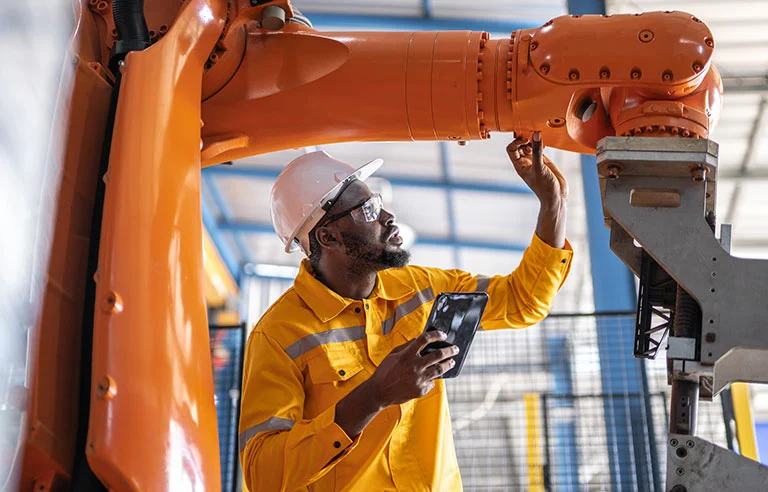
- Robots/Cobots (13%): Collaborative robots work alongside humans to handle the most hazardous, repetitive, or physically taxing parts of a job, allowing the human worker to focus on precision and oversight.
The data indicates that when these technologies are implemented correctly, the impact is overwhelmingly positive. Respondents noted significant improvements in posture and a marked reduction in the "dread factor"—the mental strain associated with anticipating a painful day of work.
Official Responses: The Human-Centric Perspective
Paige DeBaylo, Director of the MSD Solutions Lab, emphasizes that the industry has long neglected the most important voice in the room: the worker.
"For too long, the conversation about MSD prevention technology has centered on employers and developers—not the workers using these tools every day," DeBaylo noted in the release of the report. "Employers are looking for different ways to make their workers’ jobs safer and less physically demanding. Many report that these technologies improve safety, reduce strain, and support overall job satisfaction."
DeBaylo’s assertion highlights a critical shift in corporate strategy. Safety is no longer just a compliance metric or an insurance cost-reduction effort; it is now a key component of employee retention and employer branding. In a tight labor market, providing workers with tools that protect their long-term health is becoming a competitive advantage.
Implications: Building the Future of Work
The implications of the NSC’s findings are profound for both policy-makers and organizational leaders. If technology can successfully mitigate both the physical symptoms and the mental stress associated with manual labor, the potential for a "happier" workforce is significant.
The Mental Health Connection
The link between physical health and mental well-being is often overlooked in industrial settings. When a worker is in constant pain, their mental bandwidth is consumed by managing that discomfort. By reducing physical strain, these technologies effectively lower the cognitive load on the worker. A worker who is not worried about their back giving out is a worker who is more focused, more productive, and less prone to burnout.
Barriers to Adoption
Despite the benefits, the report cautions that technology is not a "magic bullet." Successful implementation requires buy-in from the frontline. If a worker views a wearable sensor as a "surveillance device" rather than a "safety tool," adoption will fail. Transparency is paramount. Employers must communicate the purpose of the technology clearly: to protect the worker, not to track their every move for disciplinary purposes.
The Roadmap for Implementation
The NSC report suggests five core takeaways for effective implementation:
- Direct Worker Involvement: Involve the frontline staff in the selection process. If they feel ownership over the technology, they are more likely to use it effectively.
- Phased Rollouts: Do not attempt a facility-wide overhaul overnight. Start with pilot programs in specific departments to gather feedback and refine the process.
- Data Transparency: Be clear about what data is being collected and how it is being used. Anonymizing data helps build the necessary trust.
- Integrated Training: Technology should be seen as an extension of the worker, not an obstacle to their workflow. Training must be hands-on and tailored to the specific environment.
- Continuous Feedback Loops: The technology should evolve. Regular check-ins with workers ensure that the tools remain effective and that concerns are addressed in real-time.
A New Era of Occupational Health
As we look toward the future, the integration of robotics, AI, and wearable technology into the daily life of the industrial worker seems inevitable. However, the success of this integration will not be measured by the sophistication of the hardware, but by the comfort and satisfaction of the human beings wearing or working alongside it.
The NSC study serves as a call to action for employers to rethink their approach to MSD prevention. By viewing the worker as a partner in the safety ecosystem, organizations can unlock a dual benefit: a healthier, more robust physical workforce and a more engaged, less stressed labor force.
As the lines between digital innovation and physical labor continue to blur, one thing remains clear: the safest workplace is one where technology acts as an invisible, supportive layer, empowering the worker rather than replacing them. The future of industrial labor is not just about moving faster or producing more; it is about working smarter, staying healthier, and ensuring that at the end of the shift, the worker is just as capable and energized as they were at the beginning.