




By Christopher Doering and Staff Reporters
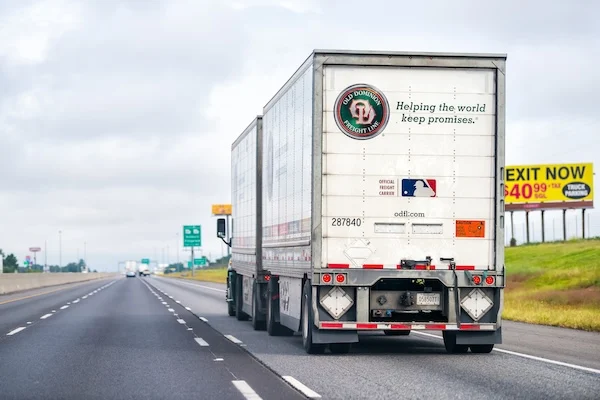
In a significant leadership transition aimed at steering the company through a challenging macroeconomic environment, General Mills has announced the appointment of Dana McNabb as its new Chief Operating Officer (COO), effective June 1, 2026. McNabb, a veteran of the Minneapolis-based food giant since 1999, will oversee the company’s global operating functions, including the critical supply chain infrastructure that sustains its diverse portfolio of household brands.
This appointment comes at a pivotal moment for the manufacturer of Cheerios, Fiber One, and Bisquick. As the packaged food industry grapples with shifting consumer habits and the lingering effects of inflationary pressure, General Mills is looking to internal expertise to restore profitable growth and modernize its global operations.
Main Facts: A Veteran Stepping into the Spotlight
Dana McNabb’s promotion represents a consolidation of oversight for General Mills’ global operations. As COO, she will be tasked with orchestrating the company’s manufacturing, logistics, sourcing, and planning efforts. Her tenure at General Mills, spanning over a quarter-century, has seen her work across nearly every major business segment, including snacks, meals, dairy, and the company’s namesake cereal division.
Her appointment is viewed by industry analysts as a move to stabilize leadership during a period of organizational flux. The company recently underwent a transition in its supply chain leadership, appointing Jonathan Ness as Chief Supply Chain Officer in March. McNabb will now provide the executive-level guidance necessary to integrate these operational functions with the broader business strategy.
Chronology: The Path to the COO Office
To understand the weight of McNabb’s new role, one must look at the historical precedent within General Mills. The company has a long-standing tradition of promoting from within, particularly for the COO position, which is often viewed as a proving ground for future CEO succession.
- 1999: Dana McNabb joins General Mills, beginning a career that would span various leadership roles across the company’s diverse portfolio.
- 2017: Current CEO Jeff Harmening assumes the top post after a 23-year career at the company, during which he also served as COO.
- October 2025: General Mills initiates a series of network restructuring efforts, including the decision to shutter three manufacturing plants in Missouri to optimize its footprint.
- March 2026: Jonathan Ness is appointed as Chief Supply Chain Officer to lead the digitization and modernization of the company’s manufacturing and logistics operations.
- May 12, 2026: General Mills officially announces the promotion of Dana McNabb to Chief Operating Officer, effective June 1, 2026.
This trajectory reflects a deliberate effort by the board to cultivate leaders who possess an intimate knowledge of the company’s internal culture and operational complexities. While the company has not explicitly indicated that Jeff Harmening is preparing to step down, McNabb’s new role positions her firmly as a top-tier candidate for the future leadership of the organization.
Supporting Data: Navigating a "Sour" Consumer Climate
The appointment of a new COO is not happening in a vacuum. General Mills, like many of its peers in the consumer-packaged-goods (CPG) space, is fighting to maintain relevance in a market defined by price sensitivity.

The Sales Landscape
In the most recent fiscal quarter, General Mills reported a 3% decline in organic sales. This dip is largely attributed to a sustained decline in consumer spending. After several rounds of price hikes implemented to combat rising input costs over the past two years, consumers are now hitting a "spending wall," opting for private-label alternatives or simply purchasing fewer items.
The Pricing Pivot
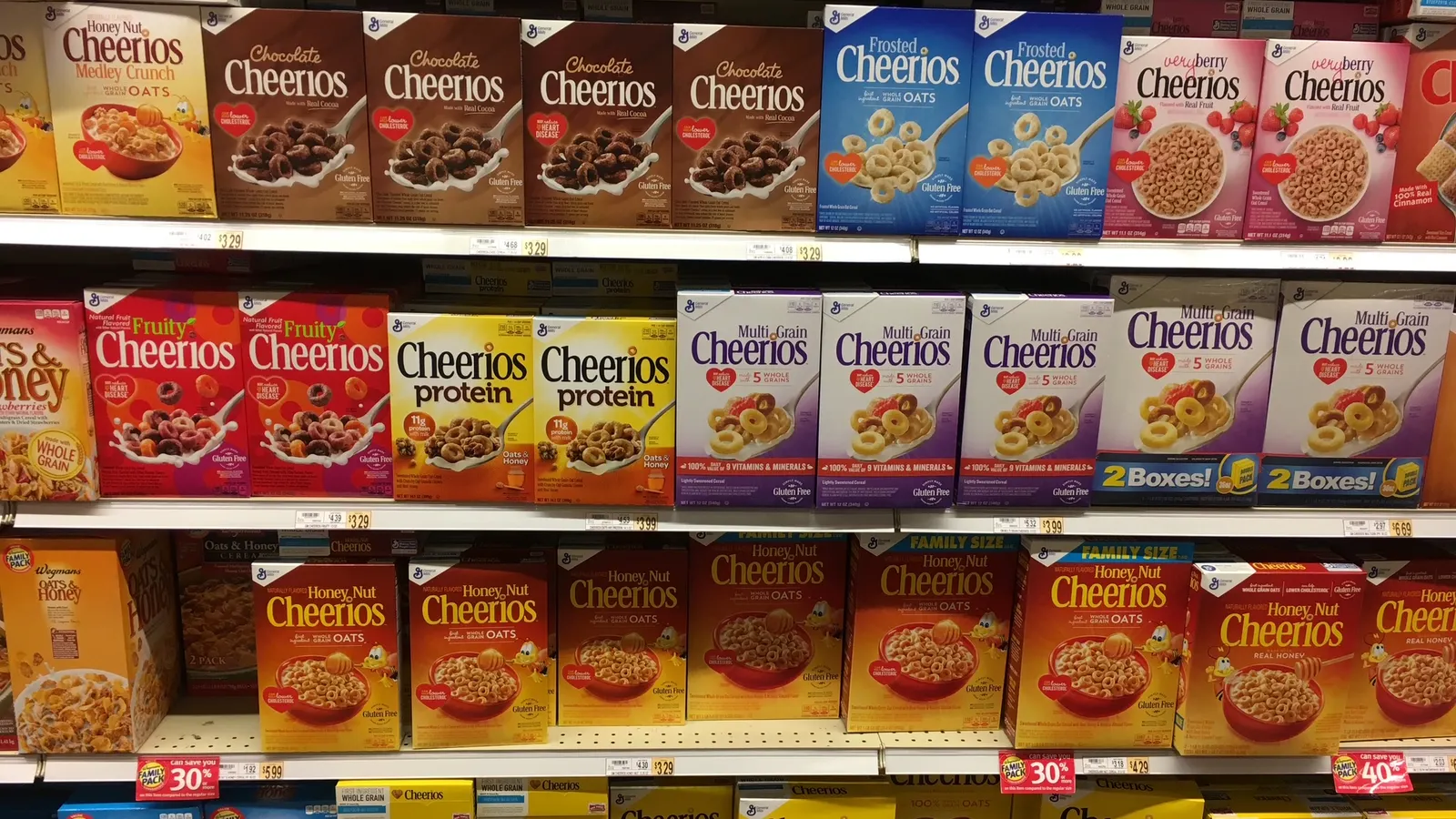
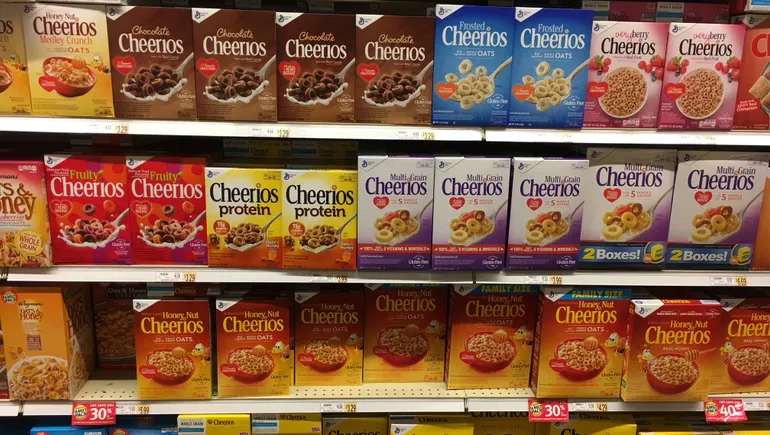
In response to these headwinds, General Mills has taken the aggressive step of cutting prices on approximately two-thirds of its North American grocery products. This reversal of previous pricing strategies is intended to stimulate volume, but it puts immense pressure on margins. McNabb’s challenge will be to manage these price cuts while simultaneously driving efficiencies in the supply chain to protect the company’s bottom line.
Official Responses: A Mandate for Urgency
The leadership at General Mills has been vocal about the qualities McNabb brings to the table. CEO Jeff Harmening, in a statement accompanying the announcement, underscored the need for a leader who can balance discipline with the agility required in a volatile market.
"Dana is a disciplined, strategic leader and results-driven operator," Harmening stated. "As someone who looks ahead and acts with urgency, Dana has led an initiative to reinvigorate our brands by strengthening their remarkability. She is exceptionally well suited to lead our global operations and restore profitable growth for General Mills and our shareholders."

For her part, McNabb’s track record in brand management—particularly her work in "reinvigorating" brands—suggests that the company intends to pivot away from purely cost-focused operations and toward a strategy that prioritizes brand equity and product value.
Implications: Digitization and Supply Chain Resilience
The broader implications of McNabb’s appointment relate to how General Mills handles the ongoing "complexity crisis" in global supply chains. The company has made significant investments in digitizing its end-to-end operations.
The Role of Technology
General Mills is currently in the midst of a multi-year effort to integrate Artificial Intelligence and data analytics into its logistics network. The goal is simple: achieve better visibility. By having a clearer view of inventory, demand signals, and manufacturing throughput, the company aims to make faster, more strategic decisions that prevent the types of disruptions that plagued the industry in the early 2020s.
Network Rationalization
The closing of the three Missouri plants in late 2025 was a harbinger of this new operational reality. The company is moving away from a bloated, legacy-heavy footprint in favor of a leaner, more responsive network. Under McNabb’s leadership, the company is expected to continue this process, focusing capital expenditure on high-efficiency hubs while divesting from, or consolidating, underperforming assets.
Strategic Outlook
The next 18 to 24 months will be crucial for McNabb. If she can successfully align the supply chain with the company’s pricing and marketing strategies, General Mills may be able to capture market share from competitors who are slower to react to the current consumer downturn.
However, the risk remains high. If the decline in consumer spending accelerates, the margin between price-cutting to maintain volume and maintaining profitability will continue to shrink. McNabb will need to leverage her deep institutional knowledge to bridge the gap between the shop floor and the boardroom, ensuring that the supply chain is not just a cost center, but a strategic engine for growth.
As the industry watches, the promotion of Dana McNabb stands as a clear signal that General Mills is doubling down on its internal talent to navigate the "new normal" of the food business—a landscape defined by price volatility, digital transformation, and a consumer who is more discerning than ever.
Kelly Stroh contributed to the reporting of this article.