Introduction: The Collision of Legacy Safety Rules and Modern Manufacturing
Modern manufacturing has undergone a radical digital transformation. Today’s production floors no longer rely solely on heavy mechanical levers, manual switches, and isolated power lines. Instead, they hum with the quiet precision of electronic controls, automated robotics, integrated safety circuits, and complex computer-based algorithms.
Yet, despite this technological leap, the foundational federal workplace safety rules governing how workers protect themselves from dangerous machinery have remained largely anchored in the past. The Occupational Safety and Health Administration’s (OSHA) primary standard for controlling hazardous energy—commonly known as the lockout/tagout (LOTO) standard (29 CFR 1910.147)—was originally adopted in 1989. For over three decades, it has served as the baseline for safeguarding workers against unexpected machinery startups.
As federal regulators prepare to advance the Lock-Out/Tag-Out Update (RIN 1218-AD00) onto the regulatory agenda, safety professionals, industry leaders, and labor advocates are asking pivotal questions. Chief among them: How will federal regulations eventually adapt to accommodate computer-based controls, and what do employers need to know right now?
While the pending proposal hints at a future where digital safeguards might play an expanded role in energy isolation, existing compliance obligations remain strictly in place. This comprehensive report examines the core facts, chronological development, supporting data, stakeholder responses, and operational implications of OSHA’s evolving lockout/tagout framework.
Main Facts: Understanding the Core of OSHA’s Lockout/Tagout Standard
To understand why the upcoming regulatory agenda item is generating so much discussion, one must first examine the mechanics of the current federal standard.
The Purpose of 29 CFR 1910.147
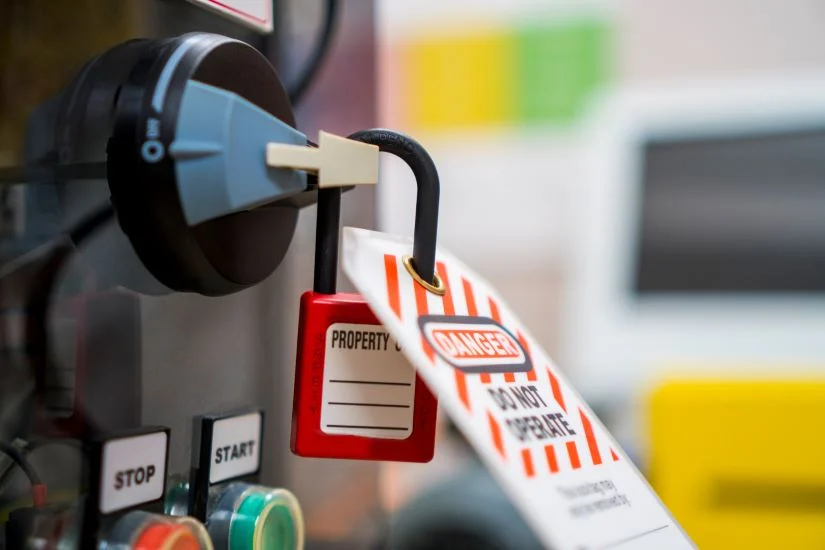
OSHA’s lockout/tagout standard protects workers from the unexpected startup, energization, or release of stored energy during service and maintenance activities. When a machine undergoes routine maintenance, cleaning, or repair, workers are often required to place parts of their bodies inside or near danger zones. If energy were to suddenly flow back into the equipment, catastrophic injuries—including amputations, crushing injuries, electrical shocks, and fatalities—could occur.
To prevent this, covered employers must establish a comprehensive energy control program. This program requires:
- Documented Procedures: Step-by-step instructions for shutting down, isolating, blocking, and securing machines.
- Employee Training: Specialized instruction for "authorized" employees who perform the LOTO procedures and "affected" employees who operate the equipment.
- Periodic Inspections: Annual reviews to ensure that energy control procedures remain effective and that workers are executing them correctly.
The Anatomy of Hazardous Energy
Under the current standard, stopping a machine does not automatically mean its energy sources have been isolated. Employers must account for multiple categories of hazardous energy, each presenting distinct risks:
| Energy Source | Description and Common Examples |
|---|---|
| Electrical Energy | Power supplied directly to motors, circuits, transformers, and electronic drives. |
| Mechanical Energy | Kinetic energy from moving parts, tensioned springs, flywheels, and elevated components that could fall due to gravity. |
| Hydraulic and Pneumatic Energy | Pressurized fluids (hydraulic) and compressed air (pneumatic) capable of causing sudden, forceful cylinder or actuator movement. |
| Chemical and Thermal Energy | Hazardous substances, caustic liquids, and extreme heat stored within piping systems or reaction vessels. |
The Control-Circuit Exclusion Dilemma
At the heart of the debate surrounding OSHA’s potential update is the standard’s definition of an "energy-isolating device." Section 1910.147(b) defines it as a mechanical device that physically prevents the transmission or release of energy, explicitly excluding push buttons, selector switches, and other control-circuit-type devices.
This distinction is crucial. A control circuit can issue a stop command to a machine—such as halting a motor or engaging an electronic interlock—while electrical power physically remains connected to the system. Because these digital or solid-state devices do not create a physical air-gap or mechanical block, OSHA’s current rules do not recognize them as adequate standalone isolation tools for most servicing tasks.
Chronology: The Timeline of OSHA’s LOTO Modernization Efforts
The journey toward updating the 1989 standard has been deliberate, spanning years of technological evaluation, stakeholder engagement, and regulatory scheduling.
- 1989: OSHA formally adopts the final rule for Control of Hazardous Energy (Lockout/Tagout), 29 CFR 1910.147, reflecting the industrial technology and automation landscape of the late 1980s.
- May 2019: Recognizing that industrial technology has drastically shifted toward computerized logic controllers and integrated safety circuits, OSHA publishes a Request for Information (RFI). This document seeks public and expert feedback on the safety benefits, limitations, and operational realities of utilizing control-circuit devices for energy isolation. Importantly, this is an information-gathering exercise, not a proposed rule change.
- 2020–2024: Industry stakeholders, safety equipment manufacturers, and labor organizations submit extensive commentary regarding the reliability of modern electronic interlocks versus traditional mechanical padlocks and disconnects.
- Current Regulatory Agenda: The Lock-Out/Tag-Out Update (RIN 1218-AD00) maintains its position on the federal regulatory agenda. Federal publications target late 2026 for the anticipated release of a Notice of Proposed Rulemaking (NPRM).
- Looking Ahead (Beyond 2026): If and when an NPRM is published, it will kick off a mandatory public comment period, public hearings, and agency review before any final rule can be crafted, debated, and eventually implemented.
Supporting Data and Technical Realities: Why Change Is Being Considered
The push to modernize the lockout/tagout standard is driven by undeniable shifts in how modern machinery is engineered.
The Rise of Smart Automation
Modern factories utilize programmable logic controllers (PLCs), safety-rated network buses, and advanced sensor arrays (such as light curtains, laser scanners, and motion-sensing photo-eyes). These systems offer sophisticated ways to halt dangerous machine movements instantly when a worker enters a designated zone.
Advocates for regulatory change argue that these integrated electronic safety measures can sometimes provide a faster, safer, and more precise way to handle micro-tasks (like clearing minor jams or performing routine software diagnostics) without forcing technicians to completely de-energize an entire production line—a process that can sometimes introduce new hazards, such as the risk of slips, trips, and falls during repetitive startup and shutdown cycles.
The Persistent Threat of Stored Energy
Despite technological advancements, the fundamental physics of industrial machinery remain unchanged. Stored and residual energy continues to pose severe workplace hazards.
Consider a hydraulic press: even if a master electronic control switch is turned off, hydraulic fluid trapped within a cylinder under thousands of pounds of pressure can cause the heavy ram to drop unexpectedly if a line is improperly opened. Similarly, compressed air reservoirs, suspended mechanical components, and residual electrical capacitance in heavy capacitors demonstrate why energy control must go far beyond simply pressing a "stop" button.
Even if OSHA eventually introduces pathways for computer-based controls, the agency’s technical data consistently emphasizes that any alternative method must be equally or more effective at neutralizing stored hydraulic, pneumatic, and mechanical energy than traditional physical locks and blocks.
Official Responses and Stakeholder Perspectives
As the federal regulatory agenda points toward potential rulemaking, various industry sectors have expressed a diverse array of viewpoints regarding the future of LOTO.
Industry and Employers: Seeking Flexibility
Many manufacturing associations and industrial employers welcome the prospect of regulatory modernization. They argue that strict adherence to 1989-era mechanical isolation rules can conflict with the operational realities of modern "smart factories." For these stakeholders, updating the standard to recognize advanced, certified electronic safety systems could reduce costly production downtime while maintaining—or even enhancing—worker safety through more targeted, ergonomic maintenance procedures.
Labor Unions and Safety Advocates: Prioritizing Reliability
Conversely, labor representatives and occupational safety advocates approach potential changes with caution. Their primary concern is reliability. Mechanical locks and physical disconnects offer a tangible, fail-safe barrier against catastrophic energy release. Electronic components, software codes, and digital logic circuits, by contrast, can be vulnerable to software glitches, component degradation, electrical interference, or improper bypassing. For worker advocates, any future rule must set exceptionally high hurdles to ensure that digital controls cannot fail in a manner that puts human lives at risk.
Operational Implications: What Employers Must Do Right Now
The inclusion of the Lock-Out/Tag-Out Update on the federal regulatory agenda has led some facility managers to question whether they should begin altering their safety protocols. The short answer is no.
1. Existing Compliance Obligations Remain Absolute
The regulatory agenda signals potential future rulemaking; it does not change current legal requirements. 29 CFR 1910.147 is active law, and OSHA continues to enforce it rigorously. Treating an electronic stop command, a software kill-switch, or an optical safety curtain as a legal substitute for a physical lockout device remains a direct violation of federal safety standards and can result in severe citations and penalties.
2. Practical Steps for Facility Managers and Safety Directors
While employers must wait for OSHA to formally publish its proposed rule text, safety professionals can take proactive steps to prepare their organizations for the future without compromising current safety standards:
- Audit Current Energy Control Procedures: Regularly review existing LOTO documentation to ensure every energy source (electrical, mechanical, pneumatic, hydraulic, and chemical) is accurately mapped and accounted for on all legacy and modern equipment.
- Evaluate Machinery Integration: Catalog the types of automated systems, electronic interlocks, and computer-based controls currently operating on your production floors. Understand how they interact with your hardwired disconnects.
- Maintain Training Rigor: Ensure that authorized and affected employees receive ongoing, thorough training on physical lockout/tagout execution, emphasizing that software stop commands are never a substitute for physical energy isolation.
- Monitor Regulatory Developments: Stay informed on OSHA announcements, federal register publications, and industry association updates regarding RIN 1218-AD00 so that your organization is ready to participate constructively during future public comment periods.
Conclusion
OSHA’s anticipated lockout/tagout update represents a critical intersection between legacy workplace protections and the rapid evolution of industrial automation. While the regulatory agenda signals that federal authorities are actively examining how computer-based controls fit into the future of hazardous energy isolation, the destination remains unwritten.
Until OSHA formally issues a proposed rule and moves through the rigorous rulemaking process, the mandate for employers is clear: maintain strict compliance with existing standards, respect the physical realities of stored and active energy, and prioritize the absolute safety of workers above all else.