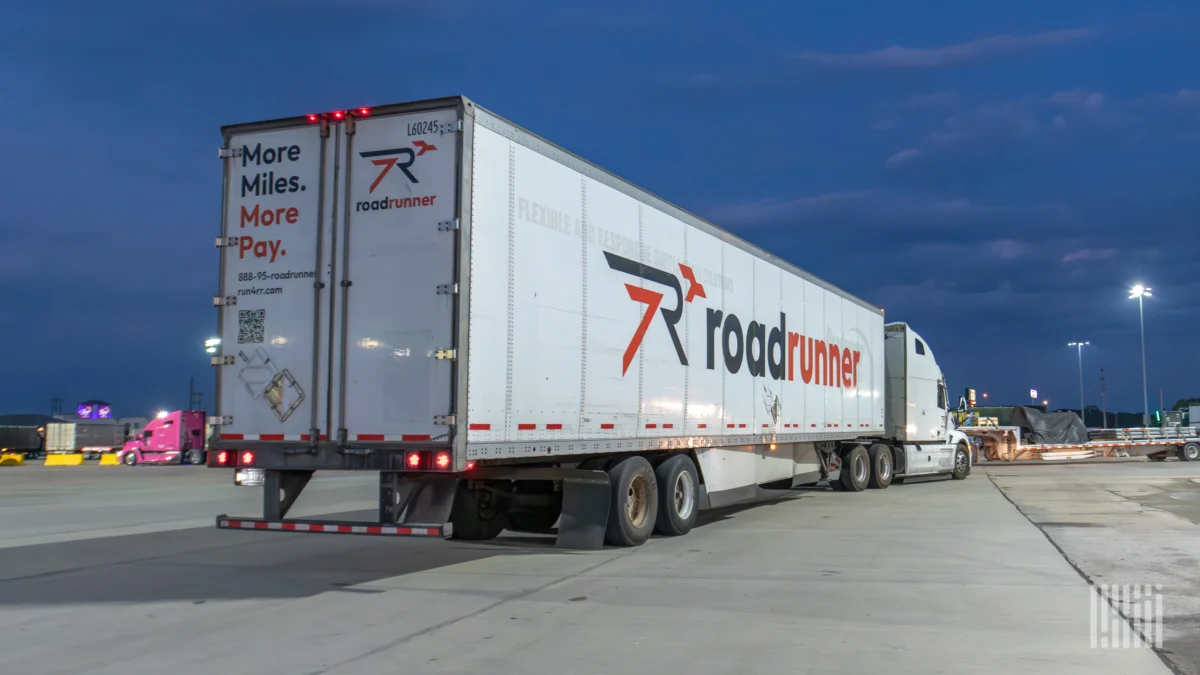
CHATTANOOGA, Tenn. — Less-than-truckload (LTL) carrier Roadrunner (OTC: RRTS) has announced a significant expansion of its cross-border capabilities, introducing a direct outbound Canada-to-U.S. shipping service. Alongside this network growth, the carrier confirmed a 5.9% general rate increase (GRI) slated to take effect on November 2.
The dual announcement highlights Roadrunner’s ongoing strategy to scale its proprietary metro-to-metro infrastructure while adjusting pricing models to counter rising macroeconomic and operational pressures. By circumventing rail networks entirely and opting for direct, truck-only long-haul routes, the carrier aims to capture market share in a competitive cross-border shipping environment that increasingly prioritizes speed, reliability, and shipment visibility.
Main Facts
Roadrunner’s newly unveiled service bridges shippers across Canada with approximately 40 major metropolitan markets throughout the United States. Unlike traditional intermodal options that combine rail and highway transit, the direct linehaul service is executed exclusively by motor carriers, ensuring that shipments never touch railway infrastructure.
Key elements of the new offering include:
- Direct Metro-to-Metro Connectivity: Utilizing a network of independent drivers and more than 40 strategically positioned terminals across the United States.
- Elimination of Intermodal Transfers: By relying entirely on over-the-road transport, the service bypasses rail yards, reducing handling points, mitigating the risk of cargo damage, and accelerating transit times.
- General Rate Increase (GRI): An average 5.9% rate hike taking effect on November 2, applying across general tariff codes and specific shipping lanes.
- Real-Time Visibility: Integrated technological tracking designed to offer enhanced accountability and transparency from origin to destination.
The introduction of the outbound Canada-to-U.S. lanes complements Roadrunner’s existing U.S.-outbound services into Canada, rounding out a more robust, bidirectional cross-border network for LTL shippers.
Chronology of Network Expansion and Pricing Strategy
Roadrunner’s latest operational milestones are part of a multi-year turnaround and growth trajectory aimed at redefining its position in the LTL marketplace.
- Phase One — U.S. Network Stabilization: Over the past several years, Roadrunner focused heavily on overhauling and strengthening its domestic U.S. footprint. The carrier transitioned toward a streamlined, long-haul, direct-service model, reducing terminal handoffs and moving away from traditional hub-and-spoke inefficiencies.
- Phase Two — Initial Cross-Border Ventures: Building on the stabilization of its domestic lanes, the company previously rolled out U.S.-outbound services heading into Canada, testing the operational framework required for international customs and cross-border compliance.
- Recent Months — Shifting Pricing Dynamics: As inflationary pressures, driver wage adjustments, and equipment costs impacted the broader logistics sector, Roadrunner aligned with a growing industry trend of implementing non-traditional or mid-cycle GRIs. Rather than adhering strictly to historical annual pricing adjustments, carriers have increasingly turned to targeted rate modifications to maintain network integrity.
- Current Announcement (Friday): Roadrunner formally announced the launch of its outbound Canada-to-U.S. service paired with the upcoming Nov. 2 general rate increase, marking the next formal chapter of its ongoing network expansion.
Supporting Data and Market Context
The LTL landscape has undergone structural shifts over the past few years, driven by capacity recalibrations, rising technology expectations, and fluctuating freight demand. Roadrunner’s strategic moves are backed by specific operational metrics and broader economic realities:
- Terminal Infrastructure: The carrier leverages a core network of over 40 terminals in the U.S. to orchestrate its long-haul operations.
- Market Coverage: The new cross-border service immediately connects Canadian shippers to roughly 40 major U.S. metropolitan economic hubs, providing access to dense consumer and industrial centers.
- The 5.9% GRI Magnitude: Averaging 5.9% across general tariff codes and lanes, the rate adjustment reflects the ongoing cost of doing business in North American supply chains. Labor costs, insurance premiums, maintenance, and regulatory compliance continue to exert upward pressure on carrier operating ratios.
- The Shift Away From Rails: By avoiding rail connections entirely, Roadrunner addresses a persistent pain point for shippers: predictability. Rail intermodal can introduce dwell times at intermodal ramps and handoff delays. A truck-only, direct-linehaul approach allows for tighter transit time guarantees and fewer touchpoints.
Official Responses and Executive Insights
Leadership at Roadrunner emphasized that the combination of network expansion and rate adjustment is designed to sustain high-tier service quality while funding long-term technological and operational enhancements.
Dave Black, vice president of strategic sales at Roadrunner, highlighted the engineering behind the carrier’s service architecture:
"We built a proprietary Smart Network for direct, long-haul, metro-to-metro service, delivering fewer handling points, faster transit, real-time visibility, and greater accountability with no unnecessary transfer points to delay shipments or compromise visibility."
Black added context regarding the geographic focus of the company’s recent milestones:
"We have focused primarily on strengthening our U.S. network, and we are pleased to announce our next phase of expansion."
Addressing the financial mechanisms required to support these operational improvements, Nathalie de Champlain, chief transformational officer at Roadrunner, explained the rationale behind the upcoming rate adjustment:
"To support expansion and further investment in better offerings, we’re introducing the GRI to sustain investment in our leading network. The adjustment addresses increased costs driven by market conditions and supports continued investment in network efficiency and service quality."
Implications for Shippers and the LTL Industry
For LTL shippers operating across the northern border, Roadrunner’s new service introduces a viable alternative that prioritizes speed and reduced touchpoints over multi-modal complexity.
1. Enhanced Cross-Border Efficiency
Shippers moving goods from Canada into major U.S. metro markets often grapple with complex handoffs between Canadian carriers, border-crossing customs brokers, and U.S. domestic networks. By offering a direct linehaul service executed entirely by truck through a proprietary network, Roadrunner cuts down transit days and minimizes the risk of loss or damage associated with excessive terminal sorting.
2. The Normalization of Dynamic Rate Adjustments
The 5.9% GRI highlights a broader industry trend: the evolution of general rate increases. Carriers are no longer viewing GRIs as rigid annual events dictated solely by historical precedent. Instead, rate modifications are being deployed dynamically to manage capacity, offset localized cost inflation, and fund ongoing investments in digital tracking tools, fleet maintenance, and network density.
3. Heightened Accountability Through Technology
As supply chain visibility remains a non-negotiable priority for enterprise shippers, Roadrunner’s integration of real-time tracking within its Smart Network framework sets a benchmark for cross-border LTL expectations. Shippers can anticipate tighter delivery windows and more transparent communication channels as freight moves from Canadian origins into densely populated U.S. commercial centers.
As the November 2 effective date for the rate increase approaches, logistics managers with cross-border exposure will likely evaluate how Roadrunner’s truck-only transit times and pricing models stack up against traditional intermodal and asset-heavy competitors in the evolving North American freight market.