





CHATTANOOGA, Tenn. — To the uninitiated, the equipment strategy of a small-to-midsize trucking carrier appears straightforward: buy a truck, hitch a trailer, and start hauling freight. Behind closed doors, however, this deceptively simple calculation is a high-stakes financial puzzle. Whether to own a trailer outright, finance one, rely strictly on power-only operations, or utilize flexible, day-to-day rentals is not merely a preference in fleet configuration—it is a foundational business decision carrying a strict cost structure.
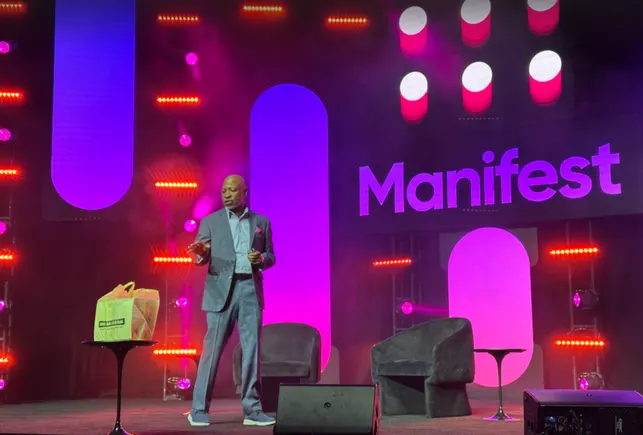
According to industry experts, miscalculating this equation is one of the quietest yet most expensive errors a growing fleet can make. This underlying reality formed the core of a recent Long Haul podcast conversation recorded live at the F3 conference in Chattanooga, featuring Matt Harb, Vice President of Product and Operations at the trailer-sharing marketplace Repowr.
As freight markets fluctuate and operational margins narrow, small carriers are discovering that traditional asset ownership can quickly become an anchor. Navigating the modern logistics landscape requires a fundamental shift in how operators view iron, moving away from rigid, long-term capital commitments toward dynamic, on-demand flexibility.
Main Facts: The Structural Dilemma of Modern Fleet Assets
At the heart of the modern trucking dilemma is a stark operational division: the divergence between tractor capacity and trailer availability. While many growing fleets prioritize adding trucks to their operations, industry veterans argue that true growth relies on securing the boxes behind them.
Key insights from the Repowr and Long Haul discussion highlight structural realities facing small carriers:
- The Drop-and-Hook Barrier: Roughly half of all available freight in the marketplace runs via drop-and-hook operations. Small carriers without spare trailers are systematically locked out of these lucrative, repeatable lanes.
- The Capital Trap: Purchasing a used dry van typically runs around $35,000, while a new model hovers near $55,000. These sticker prices represent only the initial outlay, excluding ongoing expenses like parking, maintenance, insurance, and deadhead repositioning costs.
- The Power-Only Tradeoff: While running power-only allows carriers to bypass asset ownership entirely, it typically results in a 5% to 10% pay cut compared to drop-and-hook work, alongside severe regional lock-in.
- The Flexibility Solution: Digital trailer-sharing marketplaces allow carriers to scale asset ratios dynamically, renting equipment for periods ranging from three days to 90 days or more without taking on long-term depreciation.
Chronology: From Rigid Ownership to On-Demand Asset Sharing
To understand how the trailer-rental market reached its current level of sophistication, it helps to examine the evolution of fleet scaling over the past several decades.
Phase One: The Era of Rigid Ownership (Pre-2010s)
Historically, scaling a trucking business meant matching every single tractor purchase with a corresponding trailer purchase or a long-term lease. For decades, this was the only viable path to capturing drop-and-hook freight. However, this rigid model exposed small carriers to severe cyclical downturns. When freight volumes dropped, fleets found themselves servicing heavy monthly payments on idle, depreciating assets parked in yards.
Phase Two: The Rise of Power-Only Logistics (2010s–2020)
As digital load boards expanded, the power-only model surged in popularity. For cash-strapped owner-operators and small fleets, pulling trailers owned by brokers, shippers, or third parties eliminated the headache of asset maintenance and storage. Yet, operators quickly realized the hidden costs: lower per-mile rates and a loss of route autonomy, as trucks were frequently tethered to the geographic needs of the trailer owner rather than the highest-paying market lanes.
Phase Three: The Digital Marketplace and Short-Run Integration (Present Day)
Today, platforms like Repowr have introduced a new paradigm: friction-free, peer-to-peer and supplier-to-carrier trailer sharing. By leveraging automated vetting protocols and targeted short-run pricing structures—where carriers can secure equipment for under two weeks at drastically reduced daily rates—the industry has bridged the gap between permanent asset ownership and complete reliance on power-only freight.
Supporting Data: The Hard Math of Trailer Ownership and Rentals
The decision to acquire equipment is ultimately dictated by hard numbers. During the Chattanooga conversation, Harb and the Long Haul hosts broke down the financial metrics that separate profitable fleets from those struggling with overhead.
The True Cost of Ownership
A dry van trailer requires far more than an initial capital investment. Beyond the $35,000 to $55,000 purchase price, fleets must account for:
- Maintenance and Repairs: Brake jobs, roof leaks, floor repairs, and structural inspections.
- Insurance and Storage: Securing yard space to park unattached trailers and adding liability coverage.
- Repositioning Costs: Moving an empty trailer via traditional loadout services can easily cost between $500 and $600 per trip.
The Power-Only Rate Gap
Carriers utilizing power-only freight sacrifice significant revenue potential. Load board data indicates a consistent 5% to 10% pay gap between live-load/power-only work and dedicated drop-and-hook contracts. Over the course of a year across multiple trucks, that differential represents tens of thousands of dollars in unrealized revenue.
The Trailer-To-Truck Ratio
Shippers frequently demand a 2-to-1 or 3-to-1 trailer-to-truck ratio to ensure seamless drop-and-hook operations at their facilities. For a small operator with two or three trucks, maintaining a matching fleet of six to nine spare trailers is financially prohibitive. However, accessing on-demand rental inventory bridges this capability gap instantly.
Platform Efficiency Metrics
Modern digital marketplaces have streamlined onboarding to minimize downtime:
- 85% initial pass rate for carriers entering their DOT numbers.
- 6-minute digital onboarding via automated data integration.
- 7-minute rental execution time for approved operators.
- 85% same-day or next-day pickup success rate for verified platform users.
Official Responses and Industry Perspectives: Navigating Scams and Scaling Hazards
As digital freight marketplaces grow, industry leaders emphasize the importance of balancing technological convenience with strict operational caution.
Avoiding Long-Term Commitments on Uncertain Freight
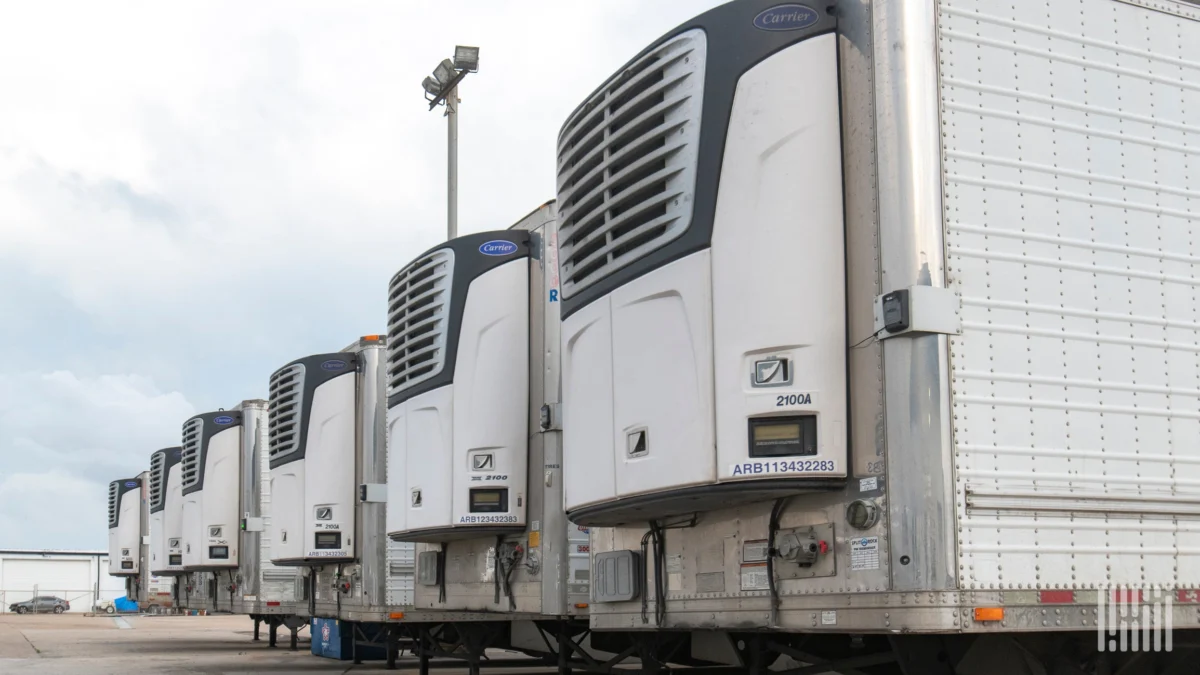
One of the most dangerous traps for growing fleets is matching long-term assets to short-term or unproven opportunities. Harb recounted working with a 15-truck fleet on the verge of signing long-term leases for refrigerated trailers simply because a few shippers dangled promising new lanes.
"The excitement of the next big thing is what pushes operators of every size to pour long-term capital into a decision they may regret within months, often with no clean way out," Harb cautioned.
His advice to growing fleets is straightforward: rent equipment for a 90-day trial period to verify whether the shipping lanes are legitimate before committing permanent capital to asset acquisition.
Guarding Against Trailer-Rental Fraud
With the digitization of trailer sharing comes the risk of sophisticated fraud. Owner-operators and small fleets have increasingly been targeted by bad actors spoofing reputable websites and lifting corporate branding to run trailer scams.
Harb outlined clear rules of thumb to protect operators:
- Never send money via peer-to-peer cash apps to secure a trailer from an unknown yard.
- Treat suspiciously low rates (such as a trailer rental listed for $180 for three months) as red flags.
- Pick up the phone and speak to a human to independently confirm the legitimacy of the operation before sending drivers or dispatching assets.
Implications: Flexibility as a Competitive Advantage in Freight
The broader implications of this asset-management shift extend to the entire small-carrier ecosystem. For years, industry wisdom dictated that scaling meant accumulating hard assets as fast as possible. Today, agility has quietly replaced sheer fleet size as a primary competitive advantage.
Redefining Fleet Growth
Small carriers must realize that scaling is not merely the act of buying another tractor and then another. True scaling involves building the operational capacity to keep existing trucks continuously loaded with high-margin freight. Because profit margins live inside the box just as much as they live under the hood, managing trailer availability dynamically changes a carrier’s earning potential.
Strategic Timing for Asset Acquisition
Industry experts recommend a phased approach to equipment management:
- 1-Truck Operations: Avoid renting or buying extra trailers; focus entirely on core driving operations and cash flow stability.
- 5-to-10 Truck Fleets: Begin exploring drop-and-hook capabilities and utilize short-term rentals to build a 2-to-1 trailer ratio without overextending capital.
- Established Mid-Sized Fleets: Blend owned assets with flexible, on-demand rentals to absorb seasonal volume spikes without saddling the balance sheet with permanently depreciating equipment.
Ultimately, by treating trailers as flexible, on-demand utilities rather than permanent anchors, small carriers can protect their capital, outmaneuver rigid competitors, and build resilient businesses capable of weathering the unpredictable cycles of the freight market.