




In a landmark move that signals a paradigm shift in how major technology corporations approach grid reliability, Amazon has announced a massive 700 MW investment in carbon-free energy infrastructure in Nevada. The initiative, designed to support the tech giant’s burgeoning data center footprint in the Reno area, marks a pivotal moment for the integration of geothermal energy into the mainstream utility mix.
The portfolio is split into two strategic pillars: a 100 MW geothermal power purchase agreement (PPA) with Salt Lake City-based Zanskar, and a 600 MW solar-plus-storage project developed by Primergy. By securing firm, 24/7 power, Amazon is not merely offsetting its carbon footprint—it is actively participating in the modernization of the Nevada grid.
Main Facts: The Anatomy of a Mega-Project
The core of this investment lies in its diversity of resource. Data centers, the physical infrastructure supporting the AI revolution and cloud computing, require "baseload" power—electricity that is available at all hours, regardless of weather conditions or time of day.
The Geothermal Component
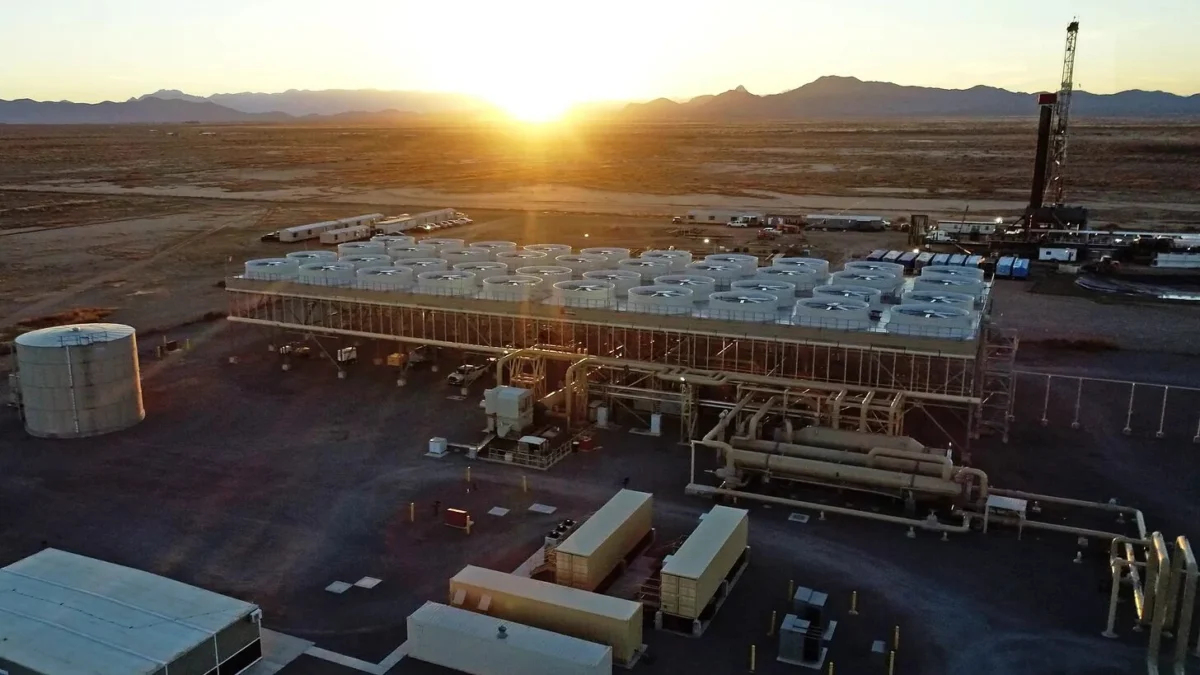
The 100 MW geothermal agreement with Zanskar is arguably the most significant aspect of this announcement. Scheduled for completion by 2030, this PPA represents Amazon’s first dedicated geothermal-powered data center initiative. Geothermal energy, which taps into the Earth’s internal heat, provides a steady, non-intermittent stream of power. Unlike wind or solar, which are subject to diurnal and meteorological cycles, geothermal acts as a clean, carbon-free replacement for traditional fossil-fuel baseload plants.
The Solar and Storage Component
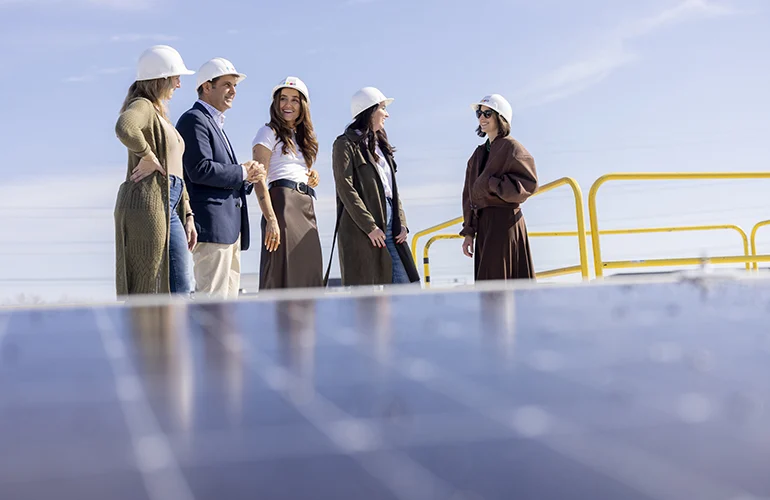
To complement the constant output of geothermal, Amazon is partnering with Primergy for 600 MW of solar capacity paired with 600 MW of battery energy storage systems (BESS). This configuration addresses the intermittency of solar by capturing peak daylight production and shifting it into the evening hours, effectively stretching the utility of the sun to meet the high-demand periods typical of modern computing infrastructure.
Financial and Consumer Protections
Amazon has made a significant pledge regarding the economic impact of these projects: the company will bear the full costs associated with the construction and operation of these new assets. By absorbing these infrastructure expenses, Amazon aims to ensure that its data center growth does not result in higher utility rates for Nevada residents or local businesses, a common point of contention in large-scale industrial energy developments.
Chronology: A Path to 2030
The timeline for this project is synchronized with the projected expansion of digital infrastructure in the Reno corridor.
- Pre-2026: Zanskar completes extensive geological surveying and site identification using its proprietary AI-driven exploration techniques, identifying key prospects like Pumpernickel and Big Blind in Nevada.
- 2026 (The Policy Milestone): The PPA between Zanskar and NV Energy is submitted as part of NV Energy’s 2026 Integrated Resource Plan (IRP). This is a critical regulatory hurdle, as the Public Utilities Commission of Nevada must approve the plan to solidify the legal and operational framework for the project.
- 2026–2030 (The Construction Phase): Zanskar moves from exploration to development, constructing, owning, and operating a portfolio of geothermal wells. Simultaneously, Primergy begins the rollout of the 600 MW solar and battery array.
- 2030 (Operational Readiness): The full 700 MW portfolio is expected to come online, providing the necessary firm capacity to support Amazon’s Reno data center operations.
- 2030–2050 (The Long-Term Horizon): The 20-year PPA ensures that the grid remains supported by this clean energy resource for two decades, providing a predictable energy cost and supply profile for the region.
Supporting Data: Why Geothermal and Storage?
The shift toward geothermal is not merely an environmental preference; it is an engineering necessity. As the U.S. power grid experiences unprecedented strain due to the electrification of transport and the compute-heavy requirements of Artificial Intelligence, utilities are struggling to find firm capacity.
The Power of "Firm" Energy
Traditional renewables like wind and solar have dominated the conversation for the last decade, but they require backup. When the sun sets or the wind dies, grids often revert to natural gas peaker plants to maintain frequency and voltage. Geothermal effectively removes this need. Zanskar’s technology, which utilizes high-resolution seismic imaging and machine learning to find "blind" geothermal resources (those with no surface manifestation), has effectively lowered the risk of exploration—the primary historical barrier to geothermal adoption.
Scaling the Portfolio
Amazon’s track record is substantial. With over 700 projects globally totaling 40 GW of capacity, the company is one of the largest corporate buyers of renewable energy in the world. This Nevada project is a microcosm of its broader strategy:

- Total Projects: 700+
- Total Capacity: 40 GW
- Equivalency: Enough power for 12 million U.S. homes.
Zanskar’s recent financial momentum—which includes a $115 million Series C round and $40 million in development capital—demonstrates that the market is finally putting its weight behind the geothermal sector, which has long been the "forgotten" cousin of renewable energy.
Official Responses: Industry Perspectives
The stakeholders involved view this project as a validation of the current energy transition model.
Ryan McGraw, Chief Development Officer of Zanskar, emphasized the unique positioning of his company’s technology. "Geothermal is one of the few energy sources uniquely positioned to deliver affordable, around-the-clock power," McGraw stated. He noted that existing technologies, combined with modern drilling and computational geoscience, allow for a level of scalability that was previously impossible. "This agreement represents a significant step in scaling our portfolio as demand for carbon-free power increases," he added.
For Amazon, the project is a "first" in a series of planned innovations. By choosing Nevada, a state with significant untapped geothermal potential, Amazon is effectively creating a blueprint for other tech companies. The company’s decision to integrate battery storage at a 1:1 ratio with its solar capacity (600 MW solar to 600 MW storage) is a massive vote of confidence in the viability of long-duration energy storage.
Implications: The Future of the Grid
The Amazon-Zanskar-Primergy deal has profound implications for the energy sector at large.
Decoupling Data Growth from Grid Stress
One of the greatest fears of utility commissions across the U.S. is that "hyperscale" data centers will cannibalize local grid capacity, leading to brownouts or rate hikes for the public. Amazon’s commitment to "behind-the-meter" style infrastructure investment—where the developer pays for the generation—serves as a model for corporate social responsibility. It suggests that if tech giants want to build, they must be willing to build the generation required to sustain them.
Validating AI-Driven Exploration
Zanskar’s success is a triumph for the application of Artificial Intelligence in the physical sciences. By using machine learning to interpret subsurface data, they are reducing the "dry hole" risk that has historically plagued geothermal developers. If this project meets its 2030 targets, it could trigger a "gold rush" in the Great Basin region, as other companies look to replicate the success of the Pumpernickel and Big Blind sites.
A Template for Corporate Energy Procurement
Historically, corporations bought Renewable Energy Certificates (RECs) to "match" their usage. This is a passive approach. The Amazon model is active: it involves direct investment in new, firm generation. This is the new gold standard for ESG (Environmental, Social, and Governance) reporting. It is no longer enough to buy green energy; companies are now being forced to build green energy to ensure the grid remains stable.
Conclusion
As we look toward 2030, the collaboration in Nevada stands as a harbinger of a more resilient, carbon-free energy landscape. By weaving together the reliability of geothermal with the flexibility of solar and storage, Amazon is effectively future-proofing its operations against the volatility of the modern energy market. For the town of Reno and the state of Nevada, this is more than just a data center expansion—it is a large-scale investment in the modernization of the electrical grid, proving that the digital economy and the green energy transition can, and must, walk hand in hand.