





By [Your Name/Journalistic Desk]
A high-stakes conflict is brewing between federal regulators and a coalition of congressional lawmakers over the future of the American meatpacking industry. At the heart of the dispute is a proposed regulatory shift by the U.S. Department of Agriculture’s (USDA) Food Safety and Inspection Service (FSIS) that would permanently increase line speeds for poultry plants and effectively eliminate speed caps for pork processors.
A prominent group of Democratic lawmakers, spearheaded by Senator Cory Booker (D-NJ) and Representative Ro Khanna (D-CA), has formally demanded that the USDA abandon these plans. The lawmakers argue that the drive for increased production efficiency comes at an unacceptable human cost, prioritizing corporate output over the physical well-being of the nation’s most vulnerable workforce.
The Core Conflict: Efficiency vs. Safety
The controversy centers on two separate proposals published by the FSIS on February 19, 2026. These rules aim to formalize faster processing rates that were initially introduced as temporary or trial-based adjustments.
For the poultry sector, the proposed rule would allow plants operating under the New Poultry Inspection System to permanently increase speeds to 175 birds per minute for chickens—up from the long-standing standard of 140—and 60 birds per minute for turkeys, rising from 55.
Even more controversial is the proposal for pork processors. Under the New Swine Inspection System (NSIS), the USDA suggests removing the existing maximum line speed cap of 1,106 hogs per hour entirely. Instead, the agency proposes a regulatory framework where establishments would be permitted to determine their own operating speeds, provided they can demonstrate "process control" and continued compliance with food safety regulations.
A Chronology of the Regulatory Push
The path to these proposed changes has been marked by years of debate, legal challenges, and shifting federal priorities:
- Pre-2025: Line speeds were strictly regulated to balance market demand with the physical limitations of human labor and the necessity of visual inspection for food-borne pathogens.
- March 2025: Agriculture Secretary Brooke Rollins formally announced the USDA’s intent to "formalize" faster line speeds that had been permitted under various waivers and trial periods. During this announcement, the agency also declared it would cease requiring plant operators to submit worker safety data to the FSIS, labeling the reporting requirement as "redundant."
- January 2026: The FSIS released a series of internal studies assessing the correlation between line speeds and worker injury rates. While the report acknowledged that line speed is a contributing factor to musculoskeletal risks, it stopped short of naming it the "leading factor," a conclusion that critics argue downplays the severity of the industrial environment.
- February 19, 2026: The official proposed rules were published in the Federal Register, triggering a 60-day public comment period.
- April 20, 2026: The public comment window closed, drawing intense feedback from labor advocates, industry groups, and public health experts.
- April 30, 2026: Senator Booker, Rep. Khanna, and their colleagues—including Senator Bernie Sanders (I-VT) and Reps. Pramila Jayapal (D-WA) and Ilhan Omar (D-MN)—sent their formal letter of opposition to FSIS Under Secretary for Food Safety, Mindy Brashears.
The Case Against Increased Speeds: Evidence of Human Toll
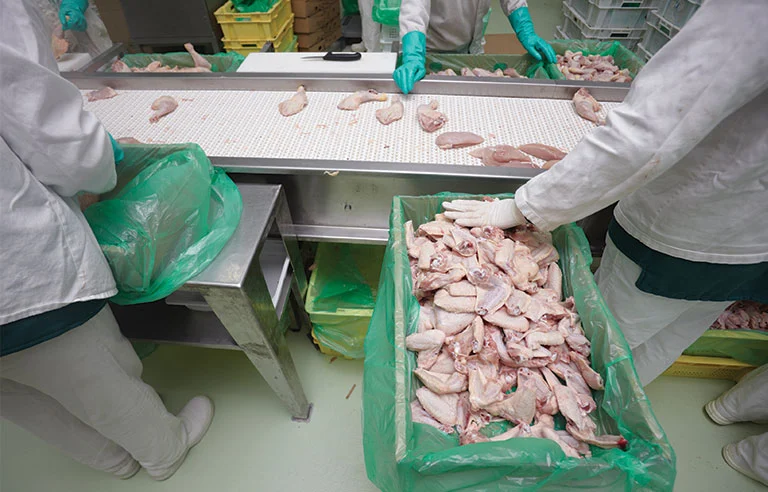
The coalition of lawmakers, in their April 30 letter, painted a harrowing picture of the modern meatpacking floor. They highlighted that workers in these facilities are tasked with repetitive, high-force movements using knives and saws in environments that are inherently hazardous.
"Meatpacking and poultry workers must perform repetitive, forceful tasks with knives and saws in very crowded, excessively noisy and wet spaces, often in extreme temperatures," the letter states. The lawmakers argue that these conditions—when combined with increased line speeds—create a "perfect storm" for catastrophic injury.
Supporting this claim is a vast body of academic and public health research. Studies have consistently linked high-speed processing to a surge in musculoskeletal disorders (MSDs) affecting the hands, wrists, and shoulders. Beyond chronic pain, the speed and intensity of the work are associated with higher rates of acute trauma, including lacerations, amputations, and slips or falls on slick, high-pressure processing floors. Furthermore, the constant noise levels in these facilities, when combined with the pressure to keep pace with faster lines, contribute significantly to long-term hearing loss and psychological stress.
The USDA’s Rationale and the "Redundancy" Argument
The USDA maintains that its proposals are rooted in the modernization of inspection systems. The agency asserts that by allowing plants to manage their own speeds based on "process control," the industry can become more agile and responsive to market demands without compromising the safety of the meat supply.
Regarding the decision to stop collecting worker safety data, the agency’s stance remains that the data is "redundant," implying that existing Occupational Safety and Health Administration (OSHA) oversight is sufficient. However, critics argue that the FSIS has a unique role to play, as the USDA is the primary entity regulating the operations that dictate the pace of work. By scrubbing this data requirement, the USDA is effectively blinding itself to the direct consequences of its own policy changes.
Implications for the Future of the Industry
The debate over line speeds is not merely about production volume; it is a fundamental question about the regulation of labor in an age of industrial automation and consolidation.
The Regulatory Precedent
If the USDA succeeds in codifying these speeds, it sets a precedent where federal agencies may increasingly defer to industry-led "self-regulation." This move could lead to a broader erosion of labor protections across the agricultural supply chain. If the government removes its oversight on line speeds, it effectively signals that worker safety is a secondary concern to throughput.
The Impact on Vulnerable Populations
Meatpacking and poultry processing plants rely heavily on immigrant, refugee, and minority populations. Advocacy groups point out that these workers often have limited recourse to speak out against dangerous conditions due to language barriers or precarious employment statuses. By increasing the physical burden of these jobs, the USDA is disproportionately impacting these vulnerable communities, potentially exacerbating health inequities.
Food Safety vs. Worker Safety
A common counter-argument from industry proponents is that faster lines are necessary to remain competitive in the global market. However, public health advocates argue that "faster" does not always mean "safer." When workers are fatigued and performing repetitive tasks at extreme speeds, the likelihood of human error—such as improper handling or contamination—increases. The lawmakers’ letter suggests that by forcing workers to keep pace with automated machinery, the USDA may inadvertently be creating a higher risk for food-borne illnesses that the inspection systems are designed to prevent.
What Lies Ahead?
The FSIS is now tasked with reviewing the massive volume of comments submitted during the spring window. The agency faces significant pressure from both sides: the industry, which is eager to finalize the rules and optimize production, and the congressional coalition, which is threatening further legislative action if the proposals are implemented.
As the agency deliberates, the broader public is becoming increasingly aware of the hidden costs of the food on their tables. Whether this pressure will lead the USDA to retract its proposals or whether the agency will push forward remains to be seen. What is clear, however, is that the debate has moved beyond the halls of the USDA and into the national spotlight, casting a long shadow over the future of American food production.
The battle lines are drawn: one side prioritizing the efficiency of the assembly line, and the other demanding that the people standing on those lines be granted the dignity and protection they deserve. As the regulatory process continues, the voices of workers and their representatives will likely continue to amplify, turning a technical policy debate into a profound test of the government’s commitment to labor safety in the 21st century.