





The global landscape of robotics is undergoing a seismic shift, driven by the demand for more compact, efficient, and high-performance hardware. As engineers push the boundaries of what collaborative robots, exoskeletons, and precision positioning systems can achieve, the underlying components—specifically the motors—must evolve to keep pace. Addressing this critical need, Trondheim-based Alva Industries has announced it will bring its cutting-edge, proprietary frameless motor technology to the 2026 Robotics Summit & Expo, held in Boston on May 27 and 28.
Located at Booth 440 within the Thomas M. Menino Convention & Exhibition Center, Alva Industries plans to bridge the gap between theoretical motor design and practical, high-stakes application. By demonstrating its SlimTorq motor family and its patented FiberPrinting technology, the company aims to engage directly with the architects of the next generation of robotic innovation.
Main Facts: The Evolution of Frameless Motor Design
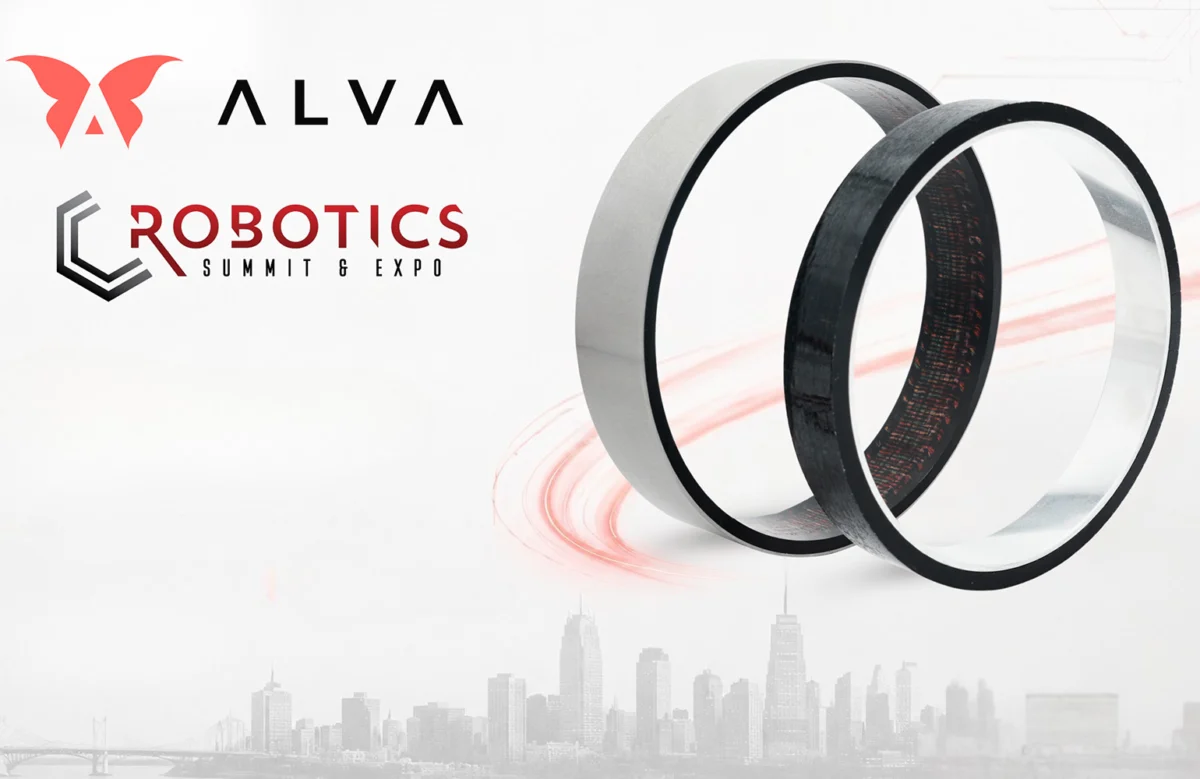
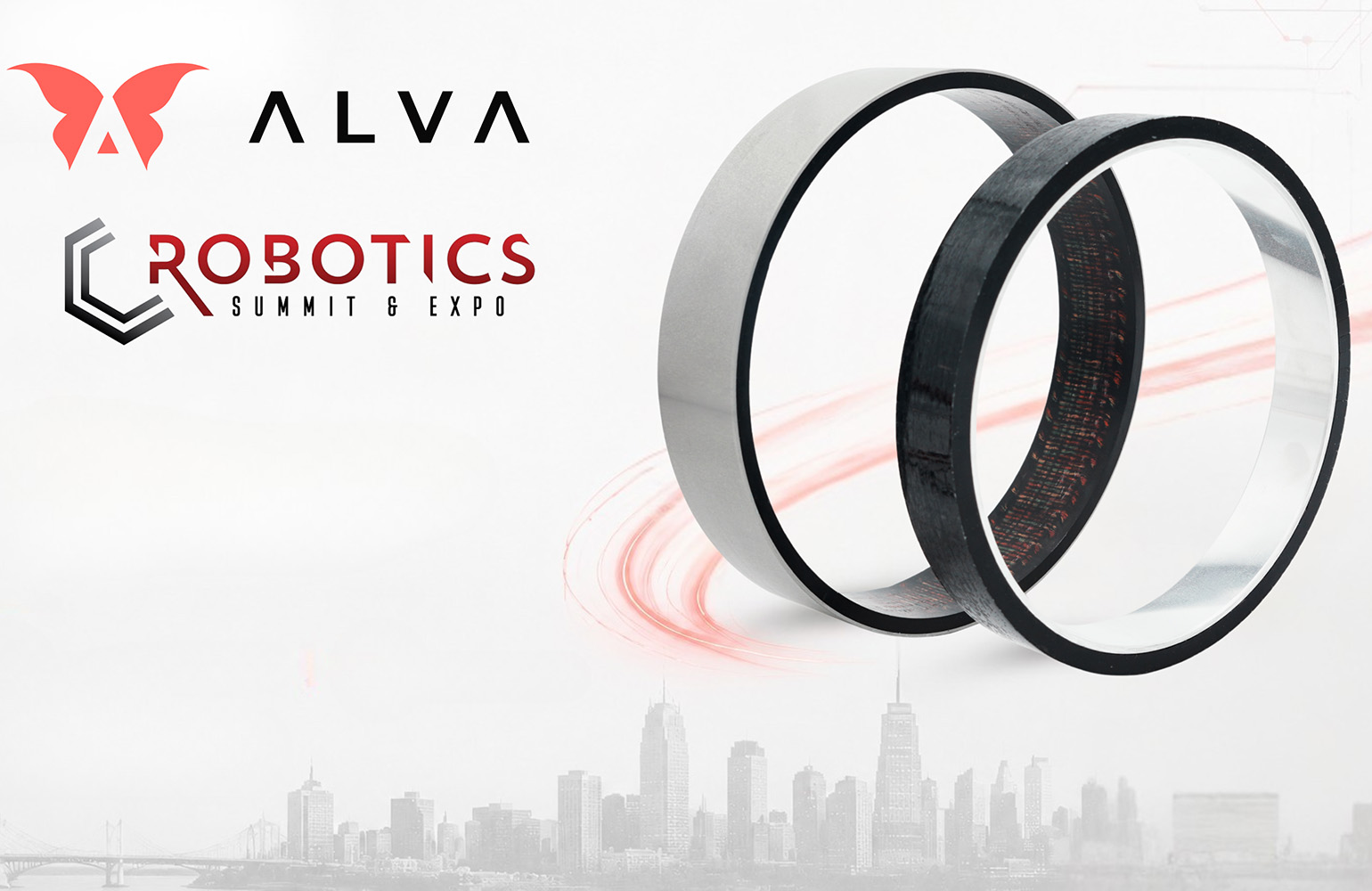
The centerpiece of Alva’s presence in Boston will be the SlimTorq product line. Recognized for being among the thinnest and lightest frameless motors currently available on the market, the SlimTorq series is specifically engineered to address the "spatial tax" that traditional motors impose on robotic designs.
Frameless motors, by definition, lack an internal shaft or bearings, allowing for seamless integration directly into a machine’s mechanical structure. However, Alva has taken this concept further by employing a slotless, frameless design. This configuration is intentional, aimed at maximizing torque density while simultaneously minimizing cogging—the jittery, irregular movement often found in traditional slotted motors. For industries where smooth, predictable motion is non-negotiable—such as high-end surgical robotics or delicate collaborative arms—this design approach offers a significant competitive edge.
The company recently expanded this portfolio with the launch of the STM-190-35. This new, larger variant in the SlimTorq family is designed to handle more demanding direct-drive applications. By offering increased torque capability without sacrificing the slim, compact form factor that the series is known for, Alva is providing developers with the flexibility to scale their designs upward in power without having to redesign their entire mechanical architecture.
Chronology: From FiberPrinting to the Boston Stage
Alva Industries’ journey to the 2026 Robotics Summit is marked by a history of rethinking the manufacturing process of electromagnetic components. Traditionally, motor windings are produced using standardized, often cumbersome, copper wire winding techniques. Alva’s development of "FiberPrinting" marks a departure from these traditional limitations.
The Development Timeline
- The Inception of FiberPrinting: Recognizing that traditional motor manufacturing limited design freedom, Alva invested years into developing FiberPrinting, a proprietary stator manufacturing technology. This technology allows for the creation of windings in virtually any shape or size, tailored to the specific geometry of the motor housing.
- Expansion of the SlimTorq Series: Following the initial success of their smaller-form-factor motors, the company identified a clear market demand for higher-torque, larger-diameter units. The subsequent development of the STM-190-35 was a direct response to customer feedback from early adopters in the exoskeleton and industrial automation sectors.
- The 2026 Strategic Pivot: By selecting the 2026 Robotics Summit & Expo as their primary stage, Alva is signaling a move toward deeper integration within the North American market. The decision to showcase not just the final product, but the underlying manufacturing technology, reflects a company confident in its technical differentiation.
Supporting Data: Why Slotless and Frameless Matters
For the robotics engineer, the choice of motor is often the most significant constraint in the design process. The data supporting Alva’s approach centers on three key performance metrics: thermal management, torque density, and integration flexibility.
Thermal Efficiency and Performance
Traditional motors often struggle with heat dissipation, which limits the continuous power they can deliver. Alva’s FiberPrinting technology allows for a highly optimized coil arrangement, which improves the "fill factor"—the amount of copper packed into the stator slots. This results in lower resistance, less heat generation, and, consequently, higher efficiency. When a motor runs cooler, the entire robotic joint requires less cooling infrastructure, leading to a lighter, more compact final assembly.
The "Cogging" Problem
In precision robotics, cogging is a major hurdle. When a motor moves in small, precise increments, the magnetic pull between the stator teeth and the rotor magnets can cause the motor to "catch" or vibrate. By removing the slots entirely, Alva’s motors eliminate this magnetic detent, providing smooth, fluid motion that is essential for collaborative robots that need to interact safely with humans.
Integration Metrics
The SlimTorq series is specifically designed for radial integration. This means the motor is meant to be integrated into the joints of a robot arm or the hip/knee of an exoskeleton. The ability to mount the motor directly into the host structure saves weight, reduces the number of parts, and significantly lowers the assembly’s overall height (axial footprint). For engineers, this translates to a machine that is not only more powerful but more aesthetically and ergonomically refined.
Official Responses: Insights from Alva Leadership
Dr. Nicolas Giraudo, Chief Commercial Officer at Alva Industries, highlights that the challenges facing modern robotics are becoming increasingly complex. "Robotics engineers are working with tighter constraints and higher performance requirements than ever before," Giraudo notes. "Flexibility that guarantees design freedom is one of the most important challenges in component selection. SlimTorq is a direct answer to that challenge, and Boston is the right place to have that conversation. We look forward to showing what Alva can do in practice."
The emphasis on "conversation" is key. At Booth 440, Alva isn’t just displaying products; they are inviting the engineering community to engage with their specialists. By providing evaluation units, Alva allows engineers to physically handle the hardware, perform initial integration checks, and receive immediate technical feedback. This level of transparency is intended to build trust with developers who are often wary of switching to new, non-traditional motor architectures.
Implications: The Future of Robotic Joint Design
The presence of Alva Industries at the Robotics Summit carries broader implications for the industry. As the line between industrial, medical, and consumer robotics blurs, the demand for "universal" high-performance components grows.
The Rise of the "Direct-Drive" Era
With the advancement of components like the SlimTorq STM-190-35, the industry is moving away from complex gear-train-heavy designs toward direct-drive systems. Direct-drive motors offer superior responsiveness and lower maintenance, but they require high torque at low speeds—a traditional weakness of small motors. Alva’s ability to provide high torque density in a compact package is a catalyst for this transition, potentially making the next generation of robotic limbs faster, quieter, and more responsive.
Collaboration and Cross-Pollination
The fact that the Robotics Summit is co-located with DeviceTalks Boston is highly relevant to Alva’s strategy. Their motors, with their high efficiency and compact size, are ideally suited for both industrial collaborative robots and sophisticated medical devices. The ability to engage with audiences from both fields simultaneously allows Alva to showcase the versatility of their FiberPrinting process, which can be applied to surgical tools as easily as it can to warehouse robots.
A New Standard for Customization
The most profound implication of Alva’s technology is the move toward "bespoke" motor design. Historically, engineers have had to design their robots around the limitations of off-the-shelf motors. FiberPrinting flips this dynamic: because the winding geometry can be customized through the printing process, the motor can be designed to fit the robot, rather than the other way around. This could lead to a wave of robotic designs that are more organic, compact, and optimized for their specific tasks.
Conclusion: Bridging the Gap in Boston
As the Robotics Summit & Expo approaches, the anticipation surrounding Alva Industries’ booth is well-founded. The company is not merely presenting hardware; it is advocating for a shift in the fundamental philosophy of motor integration. By providing engineers with the tools to push the limits of their designs—whether through the compact power of the SlimTorq series or the design freedom of FiberPrinting—Alva is positioning itself as a pivotal partner for the innovators gathering in Boston.
For those attending the summit, the opportunity to see these motors in action, discuss integration challenges with the engineers who designed them, and explore the future of motion control will undoubtedly be a highlight of the 2026 event. As the industry moves toward an era of unprecedented robotic capability, companies like Alva Industries are providing the necessary momentum to make that future a reality.