





By Jonathan Small | Edited by Brittany Robins | May 13, 2026
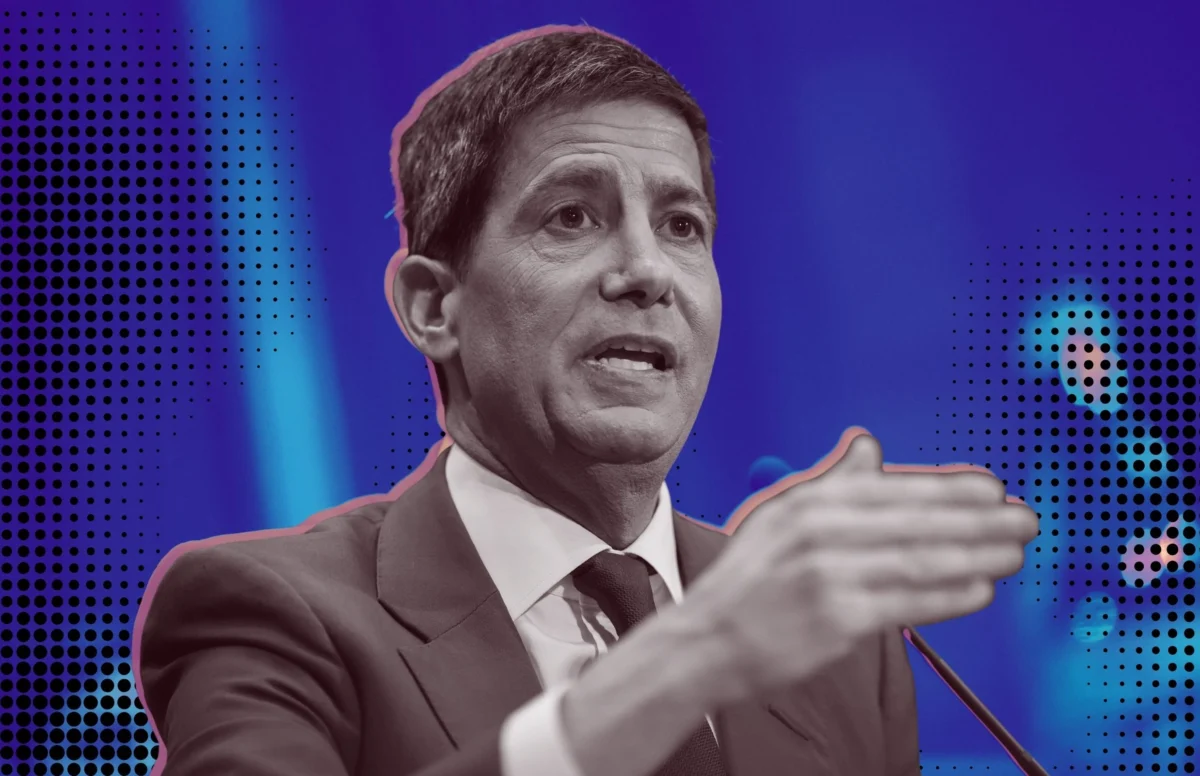
In a pivotal moment for the United States economy, the U.S. Senate has officially confirmed Wall Street veteran Kevin Warsh as the next Chair of the Federal Reserve. The confirmation, secured by a narrow 54-45 vote, marks the end of the Jerome Powell era and the beginning of what many analysts expect to be a transformative "regime change" in American monetary policy. Warsh is scheduled to assume the mantle of leadership on May 15, inheriting an economy defined by stubborn inflationary pressures and geopolitical uncertainty.
The Mandate for Change: A New Direction for Monetary Policy
For months, Kevin Warsh has signaled that his tenure would not be a continuation of the status quo. During his confirmation hearings, he vowed to implement a comprehensive “regime change” at the Federal Reserve, advocating for a shift away from the reactive policies that characterized the post-pandemic years.
Warsh, who previously served as a member of the Federal Reserve Board of Governors from 2006 to 2011, brings a distinct background that blends private sector expertise with deep institutional knowledge. Supporters of his nomination point to his reputation as a disciplined intellectual who is willing to challenge consensus, a quality his proponents believe is essential as the Fed attempts to navigate the complex macroeconomic environment of 2026.
Chronology of a Transition
The path to this transition has been fraught with legislative and economic tension.
- Early 2026: Market optimism was high, with investors widely pricing in a series of interest rate cuts intended to stimulate growth and ease the burden of borrowing.
- March 2026: Geopolitical tensions in the Middle East, specifically the escalating conflict involving Iran, began to disrupt global supply chains and exert upward pressure on energy prices.
- April 2026: The Consumer Price Index (CPI) reports began to show a consistent, concerning rise in inflation, effectively killing the market’s hope for immediate rate cuts.
- May 13, 2026: The U.S. Senate confirms Kevin Warsh as the new Chair of the Federal Reserve in a 54-45 vote.
- May 15, 2026: Official transition date; Kevin Warsh replaces Jerome Powell.
- June 16-17, 2026: The first Federal Open Market Committee (FOMC) meeting chaired by Warsh.
Economic Data and the Inflationary Headwind
The economic landscape Warsh inherits is significantly more treacherous than the one anticipated just six months ago. The primary driver of this shift is the resurgence of inflation, spurred largely by energy volatility.
Rising oil and natural gas prices, a direct consequence of the regional conflict in the Middle East, have permeated the broader economy, pushing up costs for transportation, manufacturing, and consumer goods. This "cost-push" inflation presents a classic dilemma for the central bank: raise rates to dampen demand, or hold steady to avoid triggering a recession in a cooling labor market.
Current data shows a paradox: while inflation is trending upward, the labor market remains surprisingly resilient. This strength in employment has provided the Fed with a temporary buffer, allowing officials to delay urgent action. However, the window for such patience is closing. As energy costs remain elevated, the "sticky" nature of service-sector inflation has become a focal point of debate within the Federal Reserve.
The "Awkward" Dynamic: Powell’s Continued Presence
Perhaps the most unusual facet of this transition is the departure of Jerome Powell. Unlike many previous chairs who exit the institution entirely, Powell has announced his intention to remain on the Board of Governors through January 2028.
Powell has publicly stated his desire to keep a "low profile," yet industry observers suggest this arrangement could create an "awkward dynamic." As Warsh attempts to pivot toward a new policy framework, the physical and administrative presence of his predecessor—who navigated the Fed through the unprecedented volatility of the 2020-2024 period—will loom large. Whether Powell’s presence acts as a stabilizer or a distraction remains to be seen, but it is clear that the internal culture of the Fed will be under intense scrutiny during the coming months.
Implications for Investors and the Markets
The immediate implication for Wall Street is a recalibration of expectations. The "pivot" to rate cuts that investors had bet on earlier in the year is now officially off the table. Current market sentiment has shifted entirely, with analysts now debating not if the Fed will raise rates, but how many times it will do so in 2027.
For the average American, the implications are more direct:
- Borrowing Costs: Mortgage rates, auto loans, and credit card interest rates are expected to remain at restrictive levels for the foreseeable future, potentially even ticking higher if the Fed decides to hike the federal funds rate.
- Market Volatility: As Warsh establishes his communication style, investors should prepare for a period of adjustment. A new leader often brings a new approach to "forward guidance," which may lead to short-term market fluctuations as traders attempt to decipher the new chair’s policy preferences.
- The "Strong Dollar" Policy: A higher-for-longer interest rate environment will likely continue to support the value of the U.S. dollar, which has both benefits (lower import costs) and drawbacks (hurting the competitiveness of U.S. exports).
Official Responses and Political Realities
The 54-45 vote highlights a deeply divided political landscape. Proponents of Warsh argue that his background in finance provides the "gravitas" necessary to manage systemic risks in the modern global economy. Conversely, critics express concern over his past policy stances, fearing that his focus on "regime change" might prioritize price stability at the expense of maximum employment—the other half of the Fed’s dual mandate.
White House officials have expressed confidence in the transition, framing the appointment as a necessary move to address the realities of a 2026 economy that requires a "fresh set of eyes." Meanwhile, the opposition has signaled it will be closely monitoring the June FOMC meeting for any signs that Warsh might overcorrect and tip the economy into a recessionary cycle.
Looking Ahead: The June Meeting
All eyes are now turned toward the June 16-17 FOMC meeting. This will be the first opportunity for the public to hear directly from Chair Warsh regarding his outlook on the economy and the trajectory of interest rates.
While no official within the Fed has yet made a formal call for an immediate rate hike, the "whisper campaign" among governors has intensified. A growing contingent within the board is beginning to signal that the current policy stance—while restrictive—may not be sufficient to bring inflation back to the Fed’s 2% target.
For Kevin Warsh, the honeymoon period will be short. He enters the job with a clear, albeit difficult, set of instructions: tame inflation, manage the transition of the institution, and navigate a global economy that is increasingly fragmented by conflict and supply chain instability. Whether he can achieve this "soft landing" while fundamentally changing the Fed’s approach will define his legacy and the economic fortunes of the United States for the next several years.
As the calendar turns toward the summer, the markets remain on edge. The era of the "Powell Pivot" is officially over; the era of the "Warsh Regime" has begun.