






In the current global economic climate, Chief Procurement Officers (CPOs) find themselves navigating a precarious tightrope. On one side lies the moral and regulatory imperative to decarbonize supply chains; on the other, the relentless, immediate pressures of inflation, geopolitical volatility, and supply shortages. For many, the temptation to sideline long-term sustainability goals in favor of immediate crisis management has become a defining tension of the executive suite.
However, the prevailing wisdom is shifting. As the dust settles on recent global disruptions, a new consensus is emerging: sustainability is no longer an "altruistic" luxury. It is an economic fundamental. To survive, let alone thrive, CPOs must pivot from abstract, multi-decade promises to a strategy of "rational sustainability"—a pragmatic, results-driven approach that anchors decarbonization in commercial logic.
The Mirage of De-prioritization: A Dangerous Miscalculation
Recently, a troubling sentiment has surfaced in some boardrooms. One CPO, reflecting on the current landscape of war, product shortages, and economic instability, remarked: "Sustainability is not that important anymore."
While understandable given the "firefighting" nature of modern procurement, this perspective is fundamentally flawed. Relying on such a mindset ignores the two most potent drivers of modern business: regulatory "license to operate" and the cold, hard reality of long-term economic viability.
The Regulatory and Economic Reality
Sustainability-driven strategies are increasingly synonymous with risk mitigation and operational efficiency. Regulations—from the EU’s Corporate Sustainability Due Diligence Directive (CSDDD) to evolving carbon reporting mandates in the Asia-Pacific region—are moving from voluntary to mandatory. A procurement strategy that ignores these factors is not just "less sustainable"; it is legally and financially exposed.
When sustainability is viewed through the lens of commercial logic, it ceases to be a cost center and becomes a mechanism for resilience. Energy efficiency, waste reduction, and circular supply chains inherently lower exposure to volatile commodity markets and regulatory penalties.
Bridging the Gap: From 2050 Ambitions to Near-Term Action
The primary obstacle to meaningful progress is the "horizon problem." Targets for 2040 or 2050, while noble, are often perceived as abstract. They occupy a cognitive space that feels disconnected from the urgent pressures of today’s supply chain bottlenecks.
The Mindset Shift
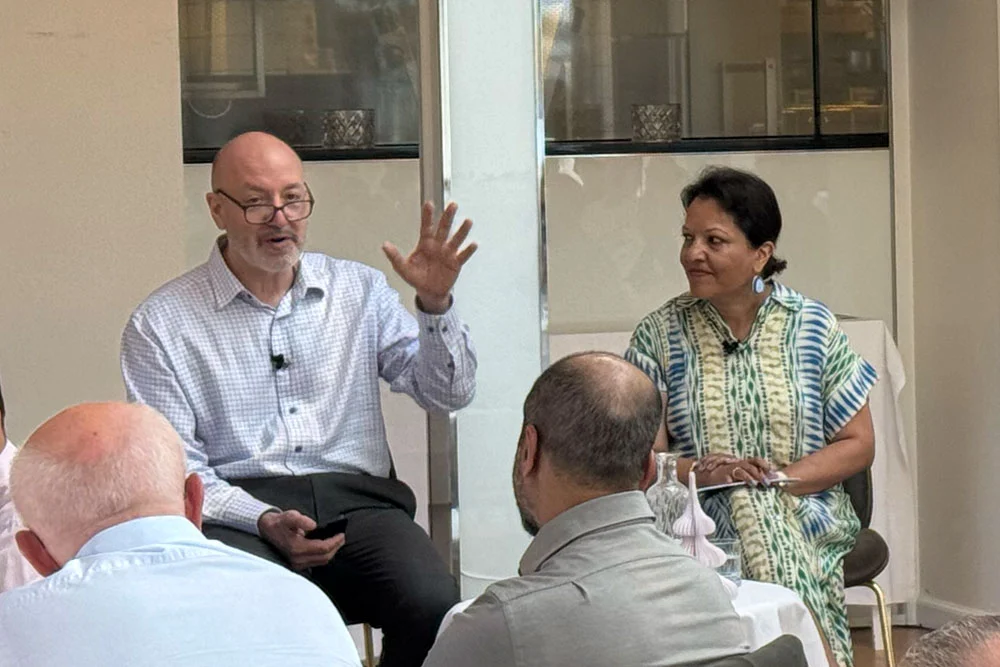
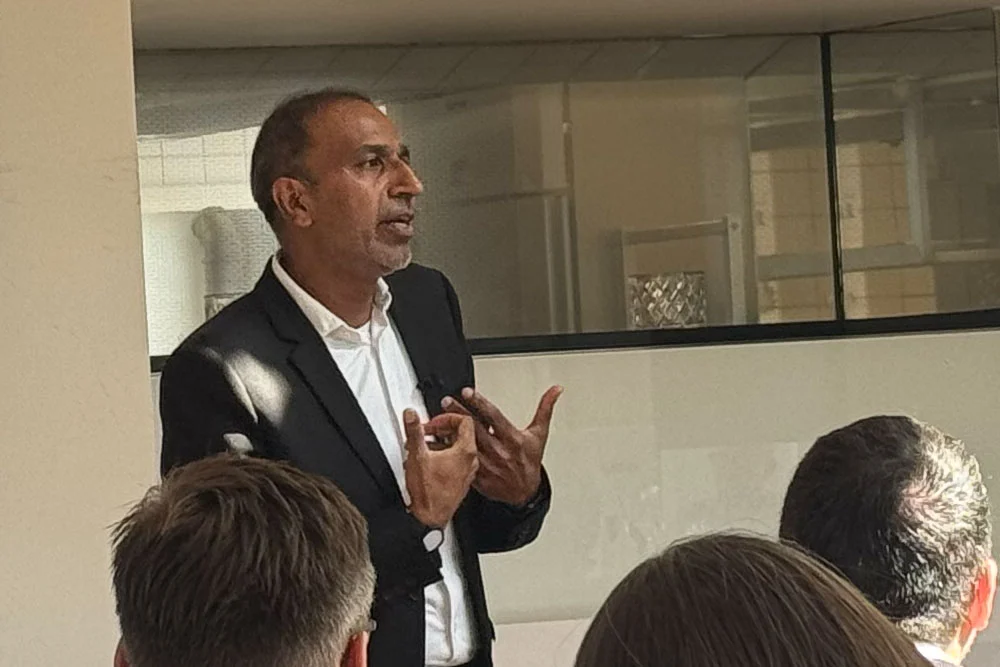
During a recent Procurement Leaders "Leadership Exchange," Gianluca Colombo, CPO and EVP of Logistics and CX at dsm-firmenich, highlighted a crucial strategy for overcoming this inertia. The key, he argues, is for CPOs to anchor their teams in aggressive, near-term targets. By breaking down the "multi-generational" challenge of net-zero into actionable, quarterly, and annual milestones, procurement teams can maintain momentum without losing sight of the broader horizon.
This pragmatic approach was echoed by London Business School professor Alex Edmans, who coined the concept of "rational sustainability." At the 2024 Ovation CPO retreat, Edmans emphasized that sustainability initiatives must be "economically bombproof." This means moving away from broad, performative gestures and toward data-backed, high-impact interventions that improve the bottom line while simultaneously reducing the corporate carbon footprint.
Asia-Pacific: A New Epicenter for Procurement Transformation
As the global discourse on procurement shifts toward actionable progress, the Asia-Pacific region is emerging as a critical theater for innovation. The official launch of Asia Pacific Procurement Week this Wednesday marks a definitive step toward professionalizing and accelerating this transformation.
The event, which integrates the AI and Sustainability Forums with the Asia Pacific Procurement Congress, is designed specifically to move beyond the theoretical. It addresses the triad of modern CPO challenges: AI adoption, sustainable transformation, and enterprise-wide agility.
Structuring for Results
The "Leadership Journey" model adopted for this week-long event is a deliberate departure from the traditional conference format. By uniting forums, congresses, and award ceremonies, the organizers aim to create a cohesive narrative of transformation. The goal is to provide a platform where senior leaders can move from high-level discussion to "how-we-did-it" case studies, ensuring that insights are not just heard, but implemented.
Implications for the CPO of 2026
The focus on the Asia Pacific Procurement Awards 2026 is not merely celebratory; it serves as a barometer for the industry. As entries open, the selection process will highlight those organizations that have successfully bridged the gap between long-term ambition and short-term performance.
The Role of Technology and AI
A significant implication of this shift is the role of technology. AI, often discussed as a separate vertical, is now the backbone of sustainable procurement. From predictive analytics that optimize logistics to reduce fuel consumption, to AI-driven supplier audits that ensure compliance with ESG standards, the digital and the sustainable are becoming inseparable.
The Human Element: Leadership in Flux
The most profound implication for the CPO is the requirement for a new kind of leadership. The CPO of 2026 must be part-technologist, part-financier, and part-sustainability strategist. The ability to articulate the "business case" for green initiatives to a skeptical CFO is now as important as the ability to negotiate a contract.
Supporting Data and Strategic Pillars
To succeed in this environment, procurement organizations must align around four strategic pillars:
- Rational Prioritization: Initiatives must pass the "commercial logic" test. If a project does not offer a clear path to cost reduction or risk mitigation, it should be secondary to those that do.
- Near-Term Anchoring: Multi-decade goals must be decomposed into short-term, measurable targets. These act as "wins" that keep teams motivated and prove the viability of the strategy to stakeholders.
- Cross-Functional Integration: Sustainability cannot reside solely within the procurement department. It must be integrated into the product design, logistics, and finance teams to ensure that "rational sustainability" is a company-wide standard.
- Data-Driven Transparency: As regulations tighten, the ability to trace and report on supply chain impacts will be the ultimate competitive advantage. Those who can provide transparent, verifiable data will be the ones who thrive in the global marketplace.
Conclusion: The Path Forward
The narrative that "sustainability is not important" is a relic of an era when the economy was stable enough to ignore the externalities of supply chain operations. Today, the world is too volatile for such luxury.
The path forward, as demonstrated by the discussions at dsm-firmenich and the focus of the Asia Pacific Procurement Week, is one of pragmatism. Sustainability is not the enemy of the bottom line; it is the engine of its future security. By adopting the principles of rational sustainability, CPOs can transform their function from a reactive cost-saving center into a proactive, strategic powerhouse that drives the enterprise toward a more resilient and profitable future.
As we look toward the 2026 awards and beyond, the winners will not be those who promised the most ambitious targets, but those who demonstrated the most "bombproof" execution. The transition is underway, and for the modern CPO, the mandate is clear: innovate, integrate, and deliver results that stand the test of both time and the balance sheet.
For those looking to deepen their involvement in this transformation, the Asia Pacific Procurement Awards 2026 are currently accepting entries. This is an opportunity to showcase strategies that redefine the role of procurement in the region. Furthermore, practitioners are encouraged to subscribe to the CPO Crunch newsletter for weekly, actionable insights from the global Procurement Leaders community.