



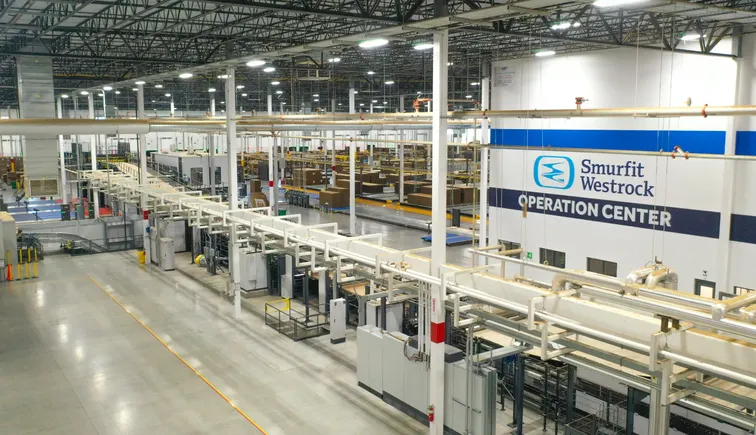
In an era where industrial efficiency is no longer just an operational goal but a survival requirement, the term “superplant” is often used with hyperbole. However, for the leadership at Smurfit Westrock, the label is a deliberate designation for a new breed of high-capacity, highly automated manufacturing hubs. At the center of this strategy sits their flagship facility in Pleasant Prairie, Wisconsin—a 595,000-square-foot marvel of engineering that represents the future of the North American corrugated packaging industry.
The Genesis of the Superplant
The Pleasant Prairie project serves as a cornerstone for Smurfit Westrock’s broader strategy to consolidate fragmented, legacy-era manufacturing into modernized, high-output powerhouses. When the facility was first announced as a groundbreaking project in June 2024, it was under the banner of WestRock. By the time the facility reached its full operational potential, the company had completed its massive merger, emerging as the industry titan Smurfit Westrock.
The decision to establish this “superplant” was not merely about expansion; it was about optimization. In highly populated and high-demand regions, the company concluded that operating a single, massive, state-of-the-art facility is significantly more efficient than maintaining multiple smaller, aging plants. As a direct result of this philosophy, Smurfit Westrock shuttered a legacy facility in North Chicago, Illinois—located just 20 miles away—to transition production to the high-tech Wisconsin hub. This shift reflects a tectonic move in the packaging sector: prioritizing centralized, high-volume production capable of serving complex markets with unparalleled speed.
Chronology: From Groundbreaking to Operational Excellence
The trajectory of the Pleasant Prairie facility has been defined by rapid development and strategic execution:
- June 2024: The company officially breaks ground on the $136 million project, signaling the start of a new era for its Great Lakes regional footprint.
- Late 2024: Amidst the facility’s construction, the industry witnesses the finalization of the Smurfit Kappa and WestRock merger, positioning the new entity as a global leader.
- April 2025: Construction is officially completed, marking the transition from a development project to an industrial asset.
- May 2025: The plant officially commences production, with product lines spanning pre-print, white top, recycled board, kraft, and specialized food packaging.
- Present Day: The facility is fully operational, employing 200 people and serving a diverse client base that ranges from pizza manufacturers to industrial chemical companies.
The Anatomy of a Superplant
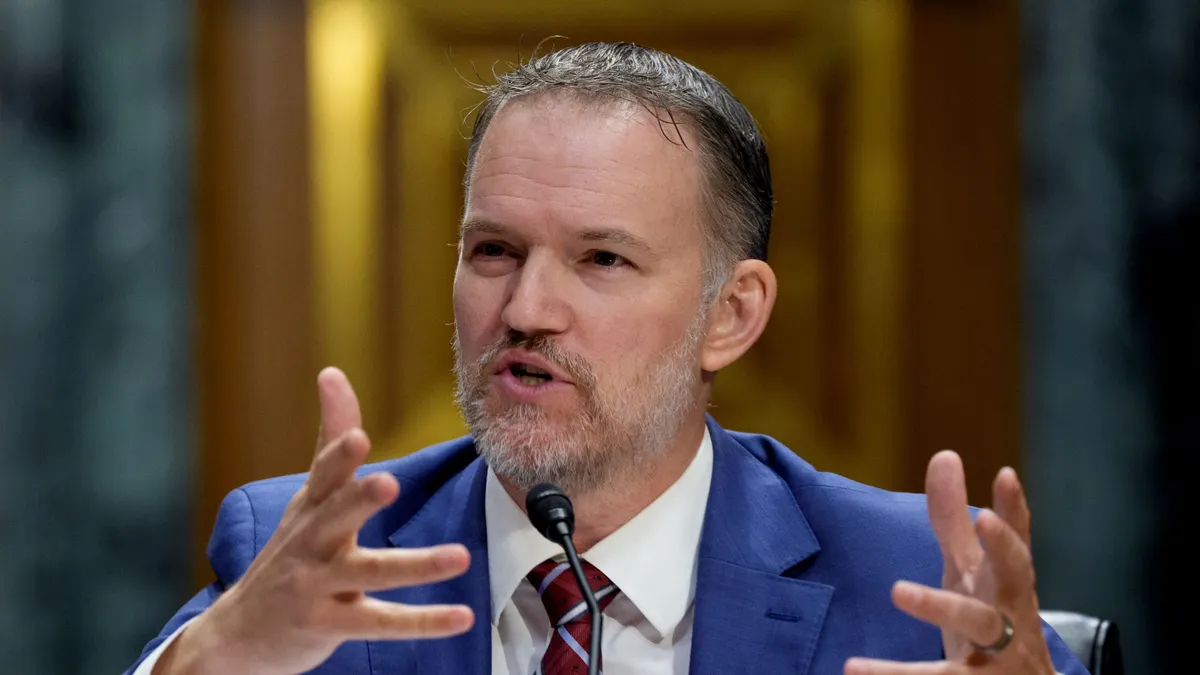
What truly defines a “superplant”? According to Don Sparaco, Smurfit Westrock’s president of corrugated packaging for North America, the designation is anchored in three pillars: massive scale, advanced automation, and the ability to serve the entirety of a complex market’s needs.
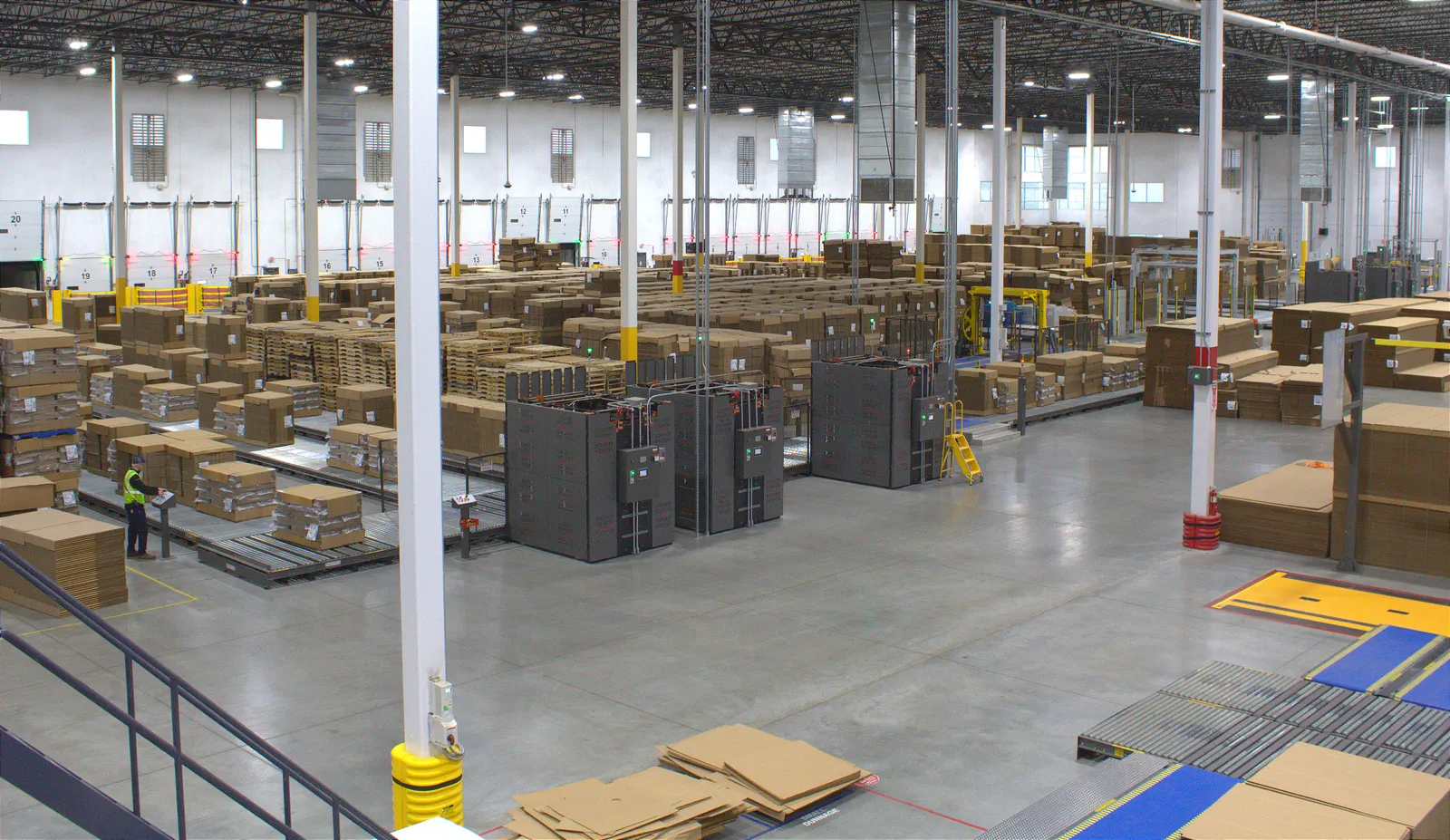
The numbers behind the Wisconsin facility are staggering. It produces approximately 3 billion square feet of corrugated boxes annually—a volume roughly three times that of a typical corrugated plant. Its capabilities are equally expansive, producing everything from mid-sized slotted cartons and pizza boxes to heavy-duty jumbo containers for industrial chemicals and high-precision packaging for the beauty and healthcare sectors.
Strategic Infrastructure and Location
The location in Pleasant Prairie is far from accidental. The village, situated along the Interstate 94 corridor, has become a hotbed for industrial giants, including Uline, Amazon, and Haribo.
To ensure the facility remains connected to global supply chains, the Wisconsin Department of Transportation invested $885,000 to develop a dedicated rail spur connecting the plant directly to the Union Pacific mainline. This infrastructure allows for the efficient inbound transport of raw materials like paper and starch. Furthermore, the facility’s proximity to the greater Chicago area—the second-largest consumer of corrugated boxes in the U.S.—is vital. Chicago acts as the nation’s food and beverage manufacturing capital, and as a major transportation hub handling roughly one in four U.S. freight trains, it provides the ideal ecosystem for a facility of this magnitude.
Technological Prowess: Automatic Pilot
The "superplant" moniker is largely earned through its radical departure from traditional, labor-intensive manufacturing. By integrating robotics and automated material handling, the Pleasant Prairie facility operates with approximately 60% of the labor requirements of a traditional box plant.
The Para Crab and BHS Corrugator
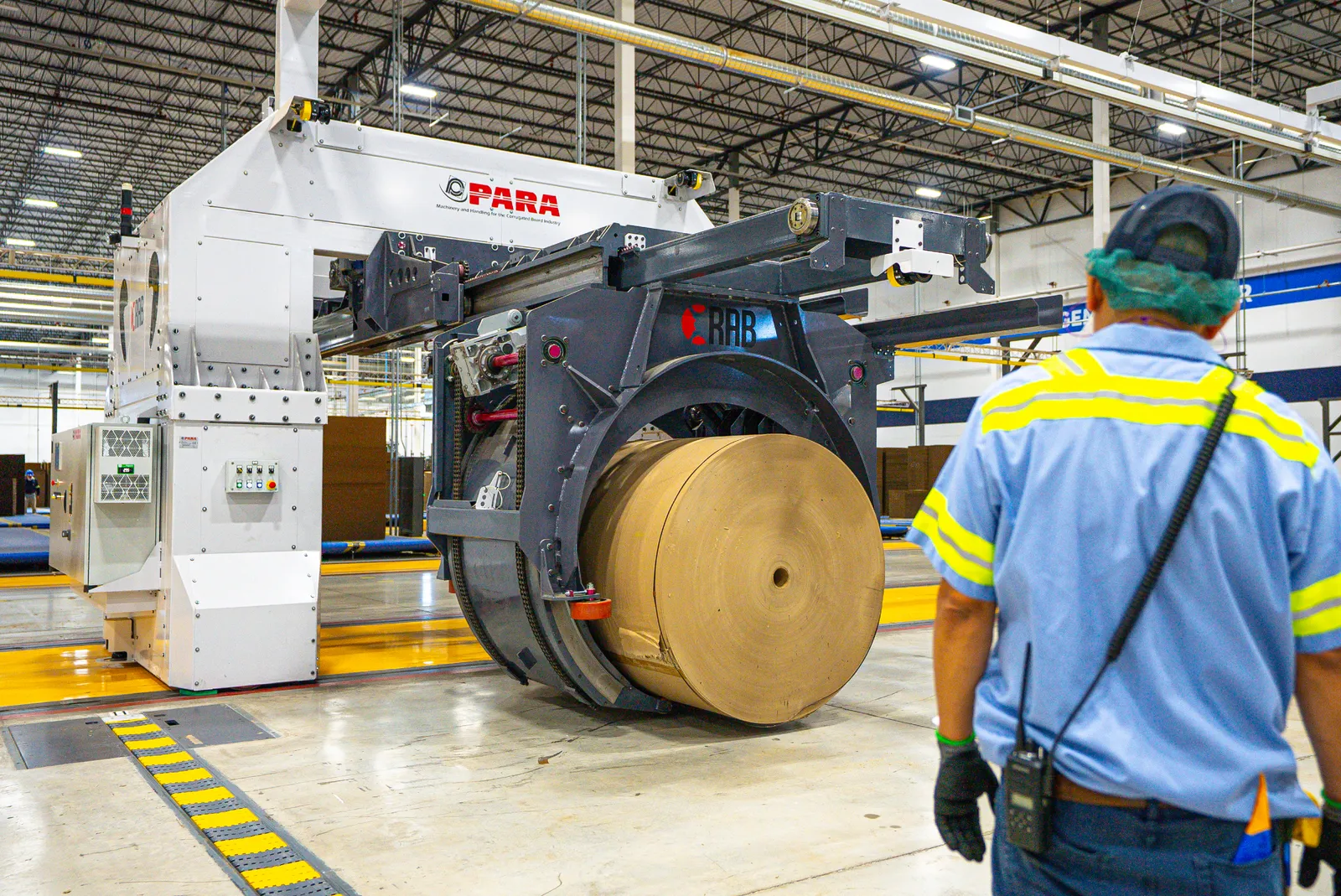
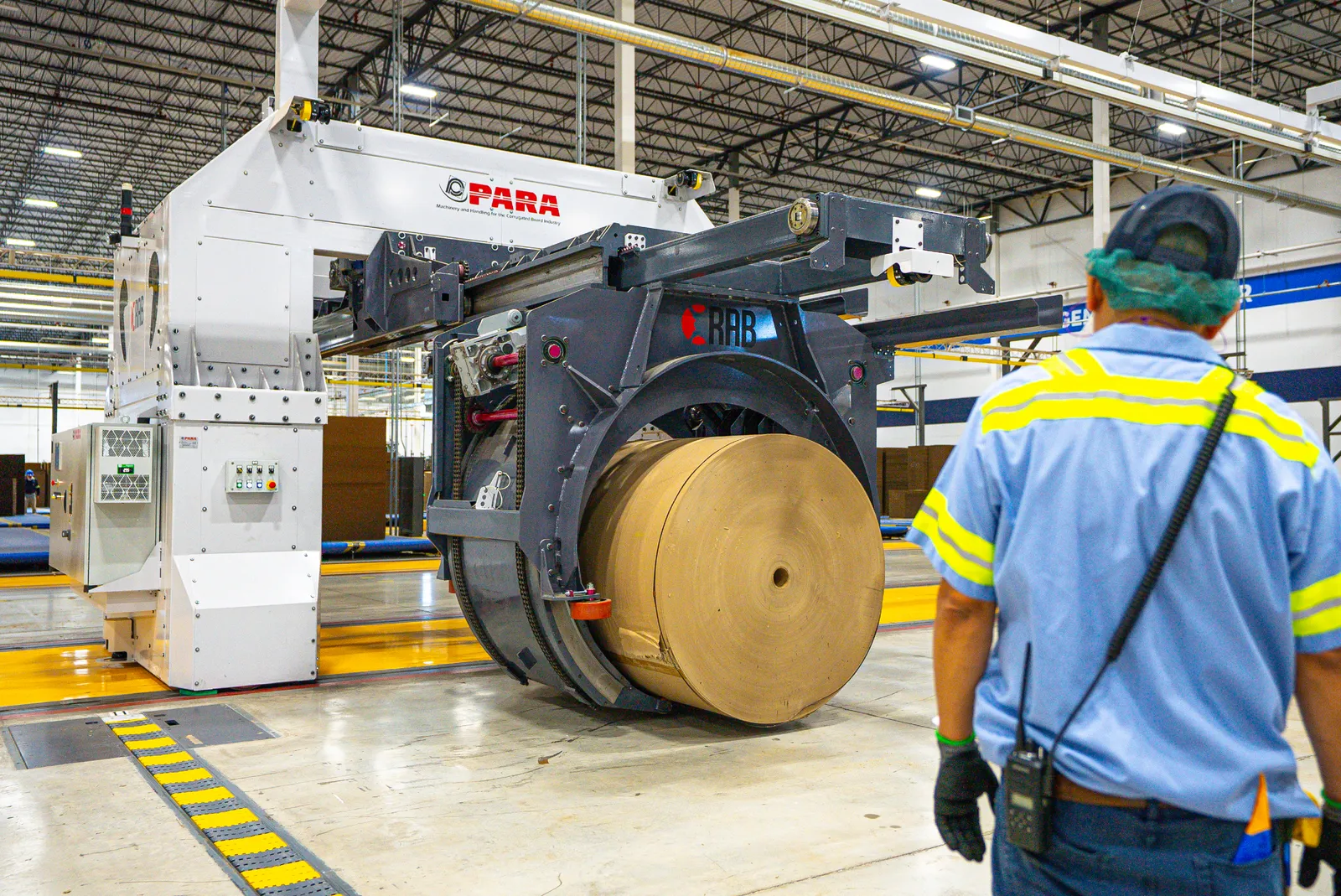
One of the most visible examples of this automation is the "Para Crab" roll stock delivery system. This floor-mounted, track-based system transports paper rolls from storage to the single facer without any human intervention, effectively eliminating the risk of pedestrian-forklift accidents.
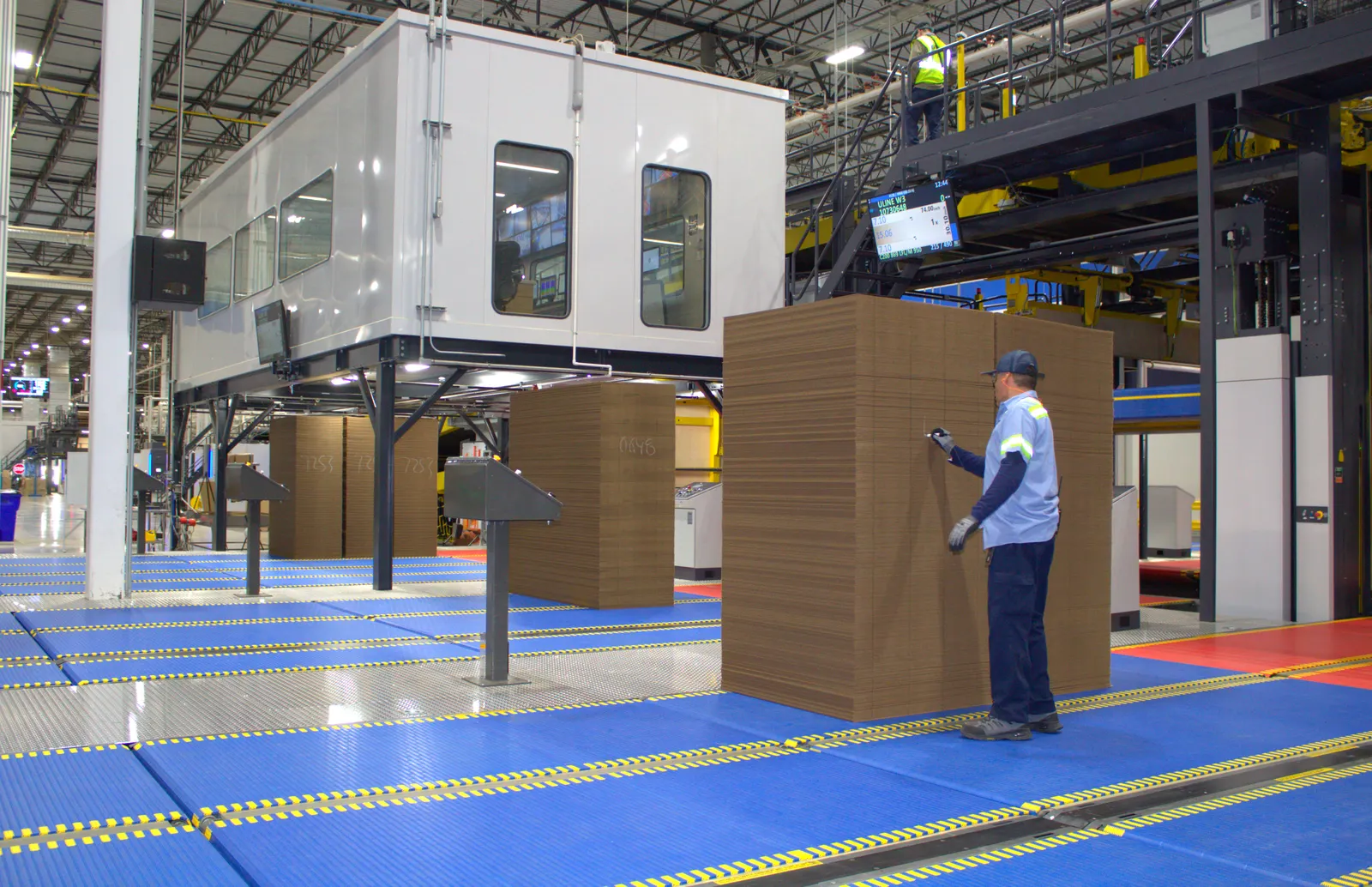
The heart of the facility is the 132-inch wide BHS corrugator, which is roughly 80% automated. This system monitors temperature, steam, and tension in real-time. Perhaps most impressive is the "zero-defect" quality control system, which automatically ejects any board with bonding deficiencies, folds, or splices. Operators manage this complex environment from an elevated control room, using digital interfaces to make micro-adjustments to tension and warp, ensuring that production remains consistent and high-quality.
Robotics in Converting
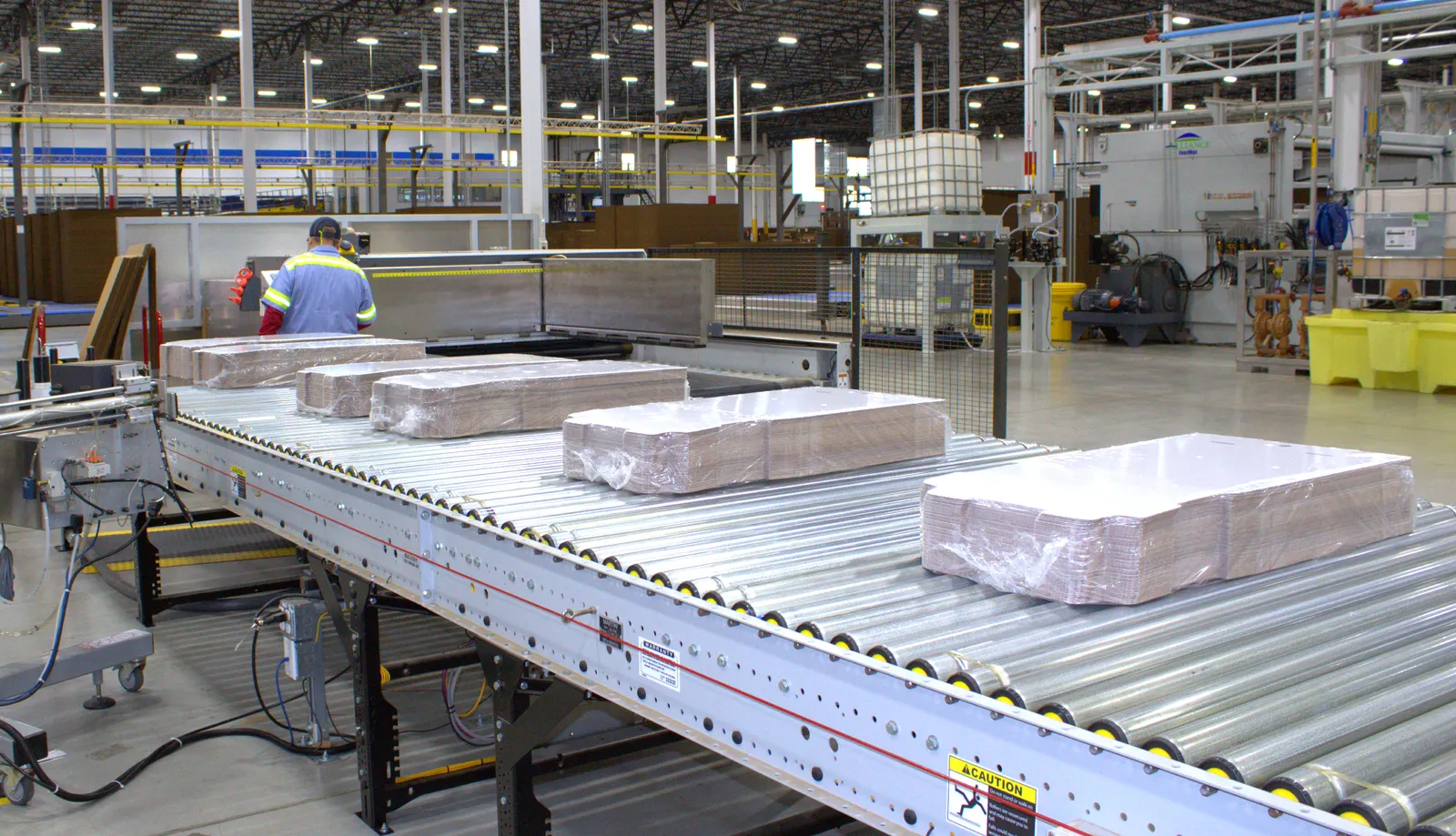
The converting side of the plant features Mitsubishi Heavy Industries EVOL Flexo Folder Gluers, capable of producing 350 boxes per minute at maximum speed. For pizza box production, robotics are integrated into the packing and sealing stages, ensuring that hygiene and speed are maintained without manual handling.
Safety and Employee Culture
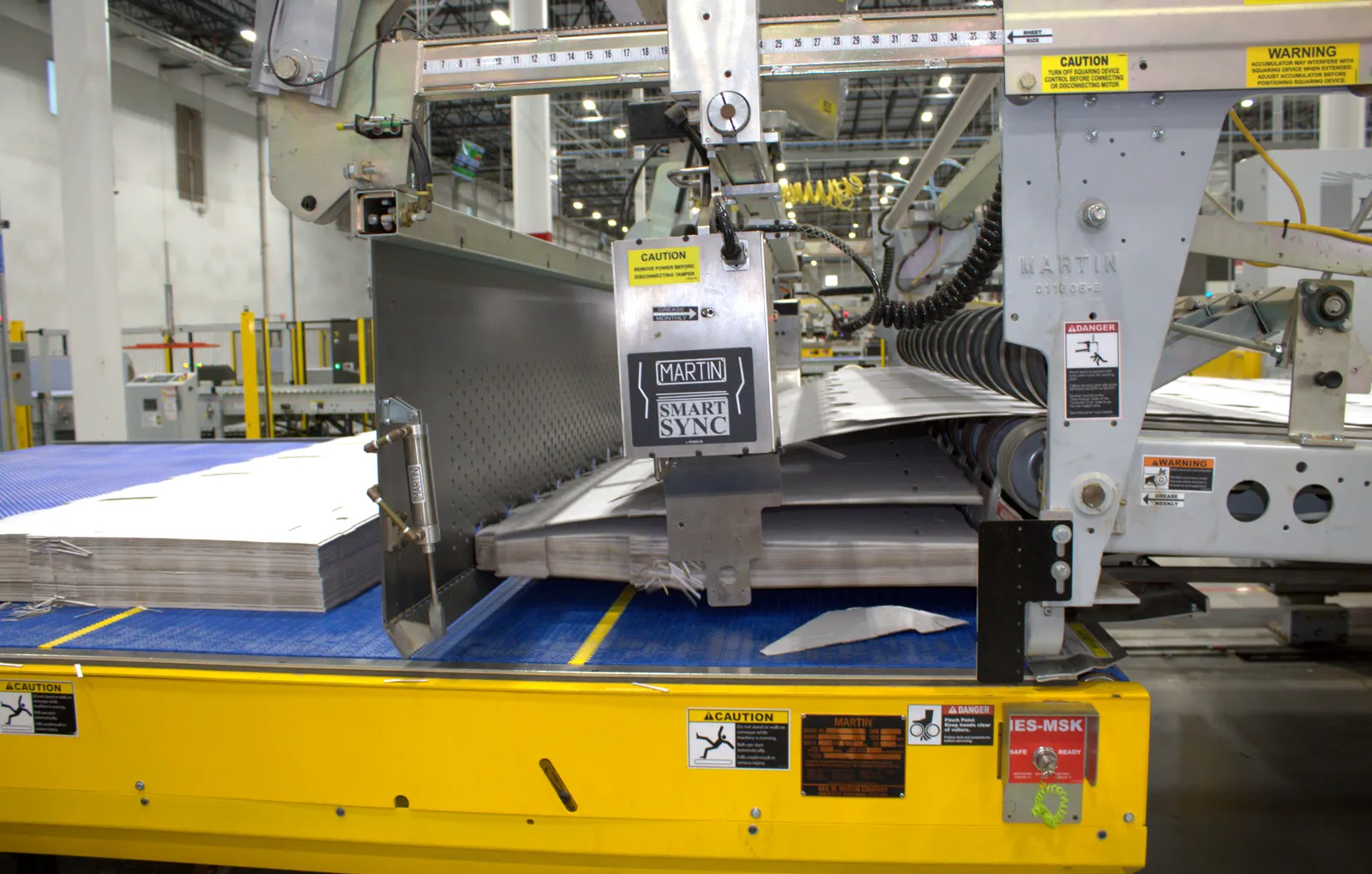
Automation is not merely a tool for cost reduction; it is a primary driver of safety. By utilizing "conveyorization"—the process of moving materials through the plant via automated belt systems—the facility has removed the need for manual transport.
"It’s a much safer work environment where you don’t have that pedestrian-clamp truck interface," says Sparaco. Beyond the robotics, the plant features specialized acoustic enclosures to mitigate noise and advanced airflow engineering to maintain comfortable temperatures, even during the humid Wisconsin summers.
Training the Workforce of the Future
While the machinery does the heavy lifting, the human element remains paramount. Smurfit Westrock has implemented a rigorous three-week onboarding process that combines classroom instruction with hands-on machinery training.
"Many of our employees transferred into this plant and already had a great background and understanding of how to manufacture packaging," notes Sparaco. The company’s focus is on elevating these employees into higher-value roles, moving them away from repetitive, physically straining tasks and into positions of oversight and system management. Leadership emphasizes a culture of belonging, where employees are encouraged to take pride in the sophisticated technology they operate.
Implications for the Industry
The success of the Pleasant Prairie site, combined with lessons learned from the company’s other superplant in Longview, Washington, signals a permanent shift in how packaging is produced. By standardizing best practices—such as the "Para Crab" system and advanced conveyorization—across its network, Smurfit Westrock is creating a repeatable model for efficiency.
The implications for the broader corrugated market are clear: the future belongs to those who can integrate technology with human expertise to create a more resilient, safe, and productive supply chain. As Smurfit Westrock continues to document and implement these operational learnings, the "superplant" model may soon become the industry standard for how the world’s most essential goods are packaged and transported.
In the words of Sparaco, "Investing in the Great Lakes area was the right thing to do." For a company aiming to optimize its footprint and serve customers with unparalleled reliability, the Wisconsin superplant is not just an asset; it is a declaration of intent.