In the pantheon of global pop culture, few artifacts possess the enduring resonance of Barbie. Since her debut in 1959, the doll has transcended her status as a mere toy to become a mirror of societal shifts, a canvas for fashion trends, and a masterpiece of industrial design. With the recent global cultural phenomenon surrounding the Barbie feature film, the spotlight has turned once again to the engineering and ideation processes that sustain an icon.
For the professional design community, Barbie represents more than just branding; she is a fascinating case study in material science, iterative manufacturing, and the integration of advanced 3D CAD (Computer-Aided Design) software. This article explores the evolution of Barbie, analyzing how Mattel successfully navigated the complexities of product development to keep a 64-year-old brand at the vanguard of innovation.
The Genesis: A Paradigm Shift in Toy Ideation
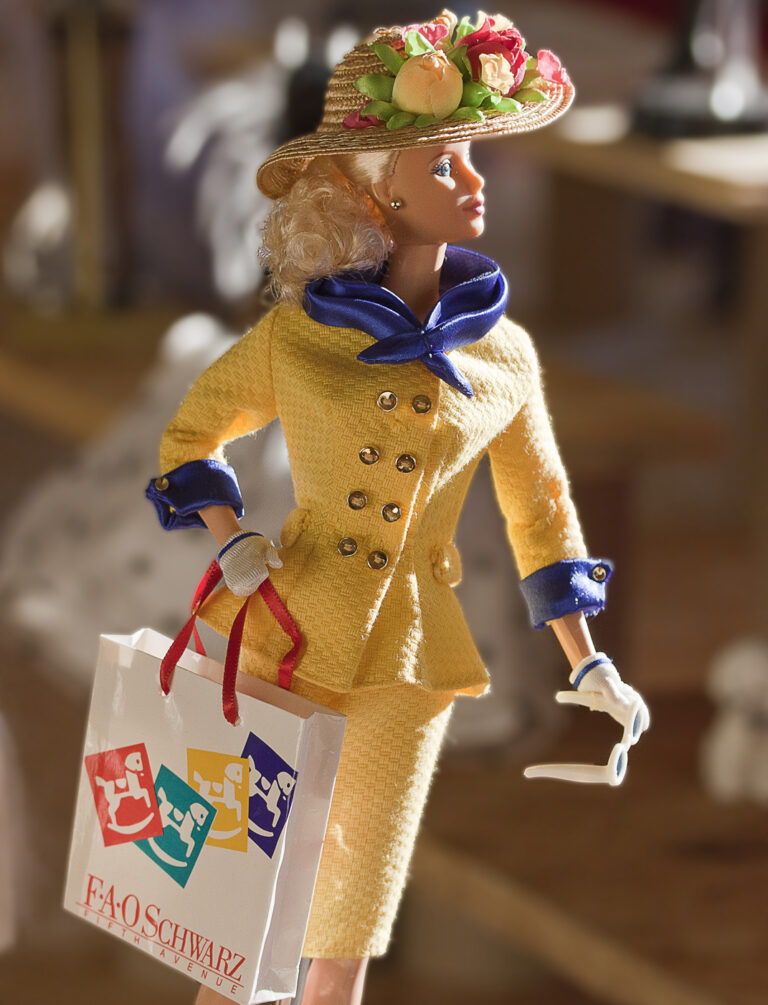
When Ruth Handler, the co-founder of Mattel, first introduced Barbie at the 1959 American International Toy Fair, the toy landscape was dominated by baby dolls. These toys encouraged children to adopt the role of a caregiver, emphasizing domesticity and nurturing. Handler’s vision, inspired by watching her own daughter play with paper dolls, was radical: a three-dimensional adult female figure that allowed children to project their own future aspirations onto the toy.
Barbie was not merely a doll; she was a fashion-forward teenage model. This initial ideation phase was a daring gamble that redefined the toy industry. By moving away from the "infant" trope, Mattel created a vehicle for "aspirational play." Children were no longer just practicing for motherhood; they were imagining themselves as astronauts, doctors, entrepreneurs, and athletes. This pivot remains one of the most significant moments in the history of toy product design.
Chronology: From PVC to Inclusive Diversity
The history of Barbie is marked by distinct eras of technological and cultural adaptation:
- 1959 – The Prototype Era: Barbie launched with a distinct aesthetic, characterized by a semi-adult figure and a wardrobe reflecting the haute couture of the late 1950s.
- 1960s – 1970s – Diversification and Utility: The brand began introducing articulated joints and a wider range of career-focused dolls, moving beyond the "model" archetype.
- 1980s – The Regulatory Turning Point: European environmental legislation regarding the incineration of PVC (Polyvinyl Chloride) forced Mattel to overhaul its material science protocols, leading to safer, more sustainable plastic formulations.
- 2000s – The Digital Revolution: The adoption of 3D modeling software, specifically tools like SolidWorks, allowed for higher-fidelity prototyping and faster speed-to-market.
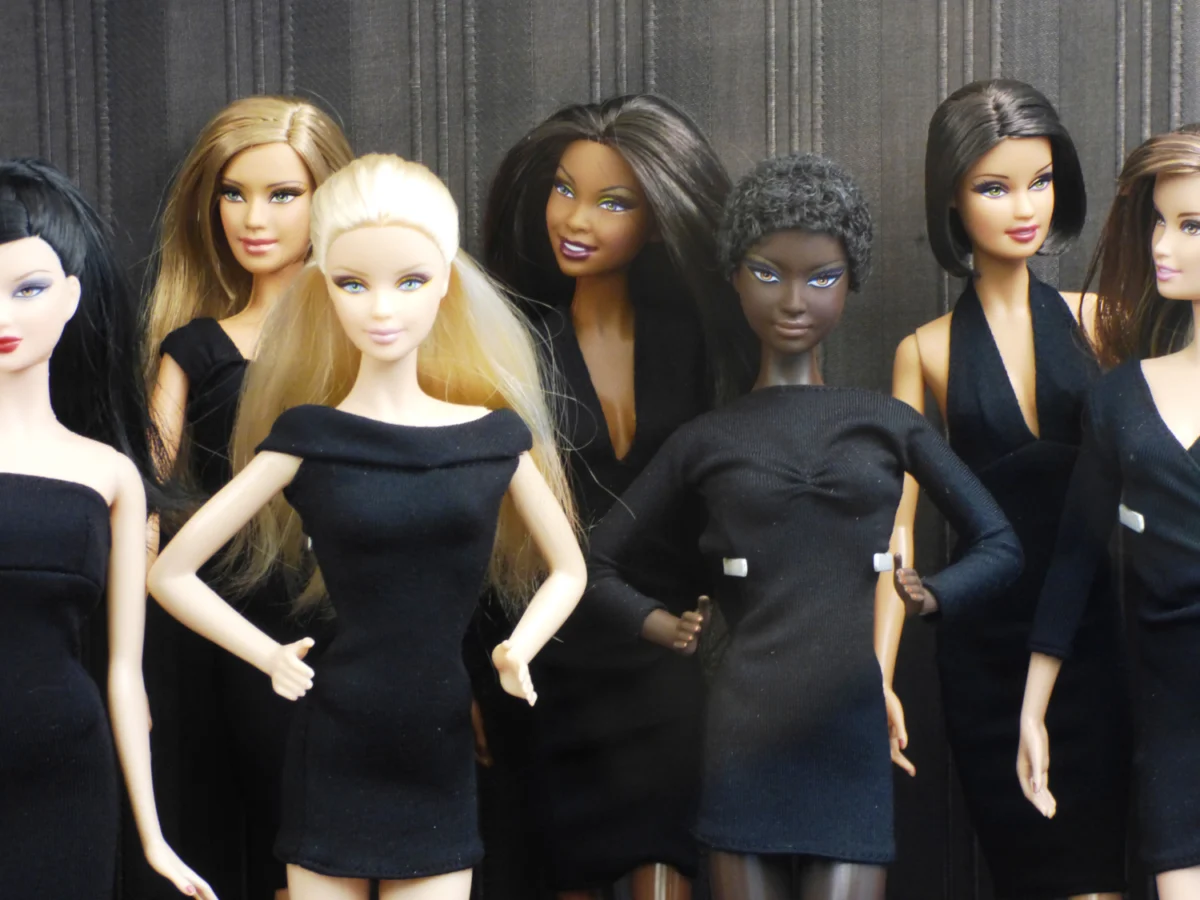
- 2016 – The Modern Inclusion Era: Mattel launched the "Fashionistas" line, featuring diverse body types (curvy, tall, petite), various skin tones, and physical abilities. This was not just a branding exercise but a fundamental change in the design ideation pipeline to reflect a global, multi-faceted customer base.
Technical Anatomy: Material Science and Manufacturing
The physical construction of a modern Barbie is a feat of multi-material engineering. To ensure durability, aesthetics, and safety, Mattel utilizes a sophisticated "cocktail" of plastics, each chosen for its specific mechanical properties:
- Head (Hard Vinyl): Provides the necessary rigidity to maintain facial features while allowing for the rooting of synthetic hair.
- Arms (EVA – Ethylene-Vinyl Acetate): Selected for its flexibility and soft-touch feel, allowing the limbs to move without fracturing under the stress of play.
- Torso (Acetal): A high-strength engineering thermoplastic known for its low friction and dimensional stability, ensuring the "waist" joint remains operational over thousands of cycles.
- Legs (PVC): Provides the weight and drape required for a realistic silhouette, while remaining cost-effective for large-scale production.
The Impact of Environmental Regulations
In the 1980s, the design team faced a crisis: PVC, when incinerated, releases hydrochloric acid, contributing to acid rain. This prompted a massive shift in chemical engineering. Mattel had to reformulate their material composition to meet international environmental standards without compromising the doll’s "feel" or longevity. This transition is a prime example of how product designers must balance consumer expectations with the rigorous demands of global regulatory compliance.
The Role of 3D Software in Modern Toy Design
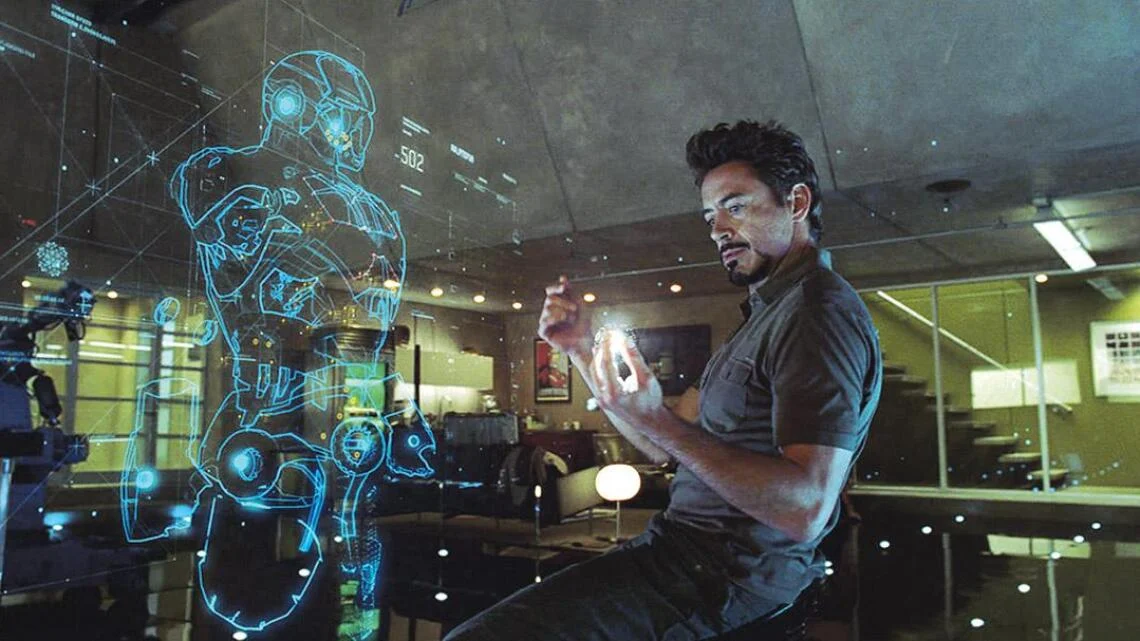
In the 21st century, the design process has migrated from physical clay modeling to the virtual realm. The integration of 3D software like SolidWorks and Creo has revolutionized the industry.
Visualization and Iteration
Modern designers no longer need to rely solely on physical prototypes for initial testing. 3D software allows them to visualize the product in an immersive digital environment, test the mechanical assembly of joints, and simulate how different plastics will behave under stress. This capability reduces the "trial and error" phase of manufacturing, saving millions in development costs.
Precision and Accuracy
By using parametric modeling, engineers can make instantaneous changes to a doll’s dimensions—for instance, adjusting the proportions of a new body type—and ensure that the clothing accessories still fit perfectly. This level of precision, combined with digital validation, allows Mattel to bring new, diverse products to market with a speed that would have been impossible in the era of analog molds.
Official Responses and Strategic Implications
Mattel has consistently stated that the evolution of Barbie is fundamentally tied to the "listening" process. Official communications from the company emphasize that they do not simply design for children; they design for the evolving cultural context of the family.
From a business perspective, the strategy is clear: inclusivity is a driver of market growth. By diversifying the product line, Mattel has expanded its total addressable market, inviting demographics that previously felt excluded by the "original" Barbie aesthetic. This demonstrates that for a product to remain relevant for over half a century, it must be willing to cannibalize its own past in favor of a more inclusive, future-facing identity.
Implications for Aspiring Designers and Engineers
The success of the Barbie brand offers several critical lessons for professionals in product design:
- Design is Evolutionary, Not Static: Great products do not merely exist in the present; they anticipate the shifts in societal values and technological capabilities.
- Tools are a Competitive Edge: In an era where speed and precision define market success, proficiency in high-end CAD software like SolidWorks is no longer optional—it is a requirement. Whether it is simulating material fatigue or refining complex surfaces, mastery of these tools is the difference between a prototype and a mass-market success.
- Cross-Disciplinary Integration: A modern toy designer must understand material science, regulatory law, 3D modeling, and cultural anthropology. The intersection of these fields is where true innovation occurs.
A Career in Toy Design
For those looking to enter the toy industry, the path is clear: embrace the technical. While creativity is the spark, technical proficiency with industry-standard software provides the fuel. Institutions like the Design Engine offer specialized training in SolidWorks and Creo, which are essential for navigating the complex, high-stakes world of modern product manufacturing.
As the industry moves forward, the "Barbie Case Study" remains the gold standard. Whether through the lens of material innovation or the bold embrace of inclusivity, the evolution of the doll serves as a reminder that to design for the future, one must be willing to constantly refine, iterate, and adapt.
Note: The featured imagery within this article highlights the diversity and design complexity inherent in modern toy manufacturing. For designers interested in sharpening their skills in the software that makes such icons possible, exploring advanced certification paths is highly recommended.