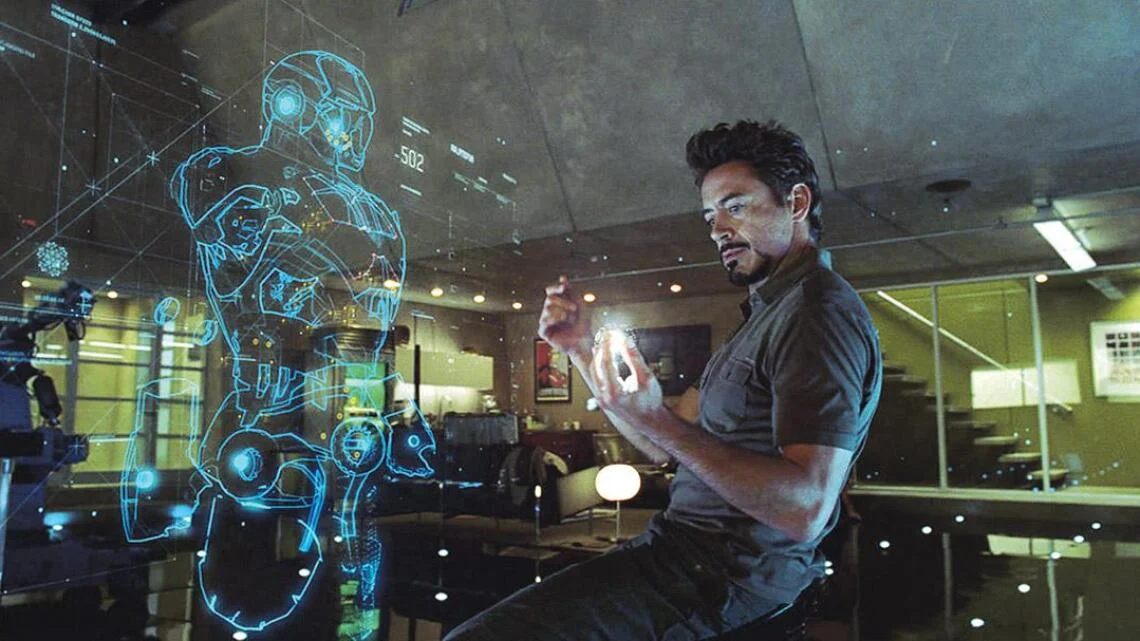
Imagine a workspace where the limitations of a 2D monitor vanish. You are no longer tethered to a desk; instead, your digital workspace expands to encompass the physical room around you. You manipulate complex 3D engine components with natural hand gestures, pulling them apart and examining internal mechanics as if they were floating in front of your eyes. This is not a scene from a Marvel film starring Tony Stark and his iconic J.A.R.V.I.S. interface; it is the reality introduced by the Apple Vision Pro.
As the industry stands on the precipice of a new era in spatial computing, the Apple Vision Pro represents more than just a consumer electronic device. It is a fundamental shift in how professionals—ranging from industrial designers to mechanical engineers—interact with their data. By blurring the boundaries between digital information and the physical world, Apple is setting a new benchmark for productivity, precision, and innovation.
Main Facts: The Anatomy of Spatial Computing
The Apple Vision Pro, unveiled as the company’s first spatial computer, is an engineering marvel in its own right. At its core lies the R1 chip, a custom silicon processor specifically dedicated to processing input from an array of twelve cameras, five sensors, and six microphones. This allows the device to transmit images to the displays in near real-time, effectively eliminating the lag and motion sickness often associated with previous generations of virtual reality hardware.
Unlike traditional augmented reality (AR) headsets that feel like bulky peripherals, the Vision Pro utilizes a high-resolution micro-OLED display system that delivers more pixels than a 4K TV to each eye. This level of visual fidelity is critical for engineers and 3D modelers who require absolute precision when analyzing design aesthetics or structural integrity. By integrating the physical environment with high-fidelity digital overlays, the device allows for a "mixed reality" experience where users remain aware of their surroundings while engaging with complex virtual models.
Chronology: A Roadmap to the Future
The development of the Vision Pro is the culmination of years of iterative research at Apple. While the product hit the market in 2024, its roots extend deep into the company’s history of human-computer interaction (HCI).
- 2017–2020: Foundation Building. Apple begins the massive undertaking of developing visionOS, a new operating system designed from the ground up for spatial computing. During this period, the company focuses on perfecting gesture tracking and eye-tracking technology.
- June 2023: The Unveiling. Apple officially introduces the Vision Pro at the Worldwide Developers Conference (WWDC). The industry reacts with a mixture of awe and skepticism regarding the $3,499 price point and the potential for long-term professional adoption.
- Late 2023: Ecosystem Development. Apple partners with industry giants—including Pixar, Nvidia, and Adobe—to promote OpenUSD (Universal Scene Description) as the standard for 3D content. This signals that the device is intended for enterprise use, not just entertainment.
- 2024: Official Market Launch. The Vision Pro reaches consumers, marking the beginning of the "spatial computing" era. Early adopters in the architecture, engineering, and construction (AEC) sectors begin experimenting with workflows that replace traditional CAD displays with spatial canvases.
Supporting Data: Why Industry Leaders are Investing in Spatial Design
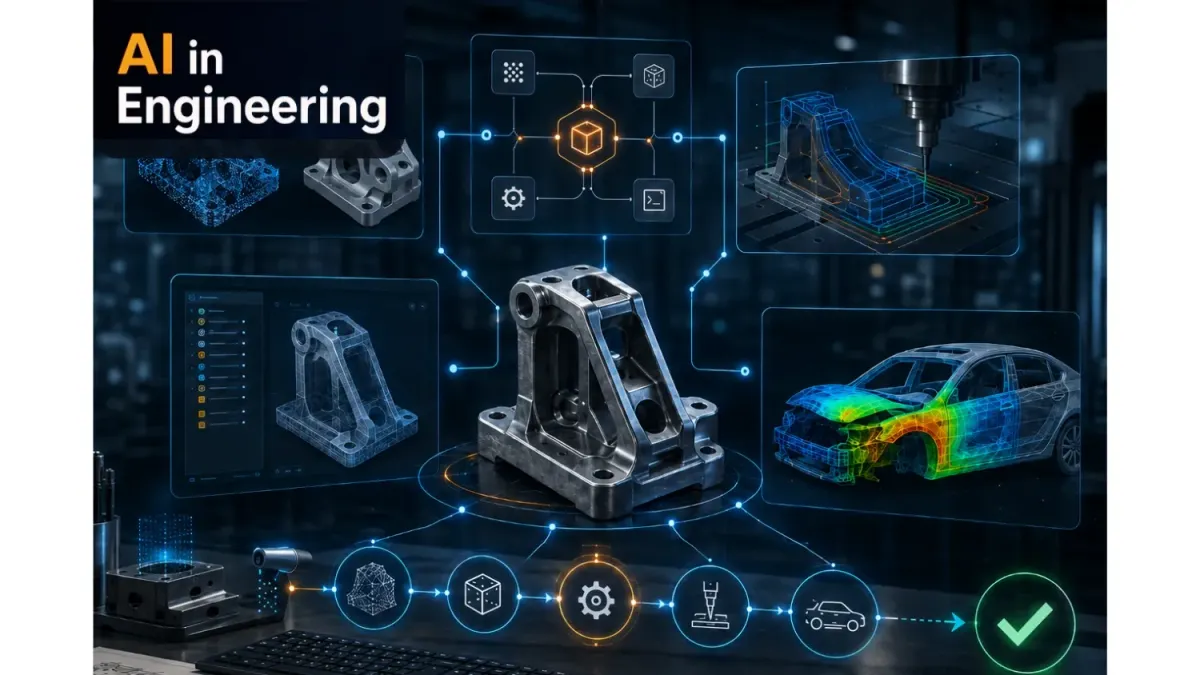
The transition to spatial computing is supported by a growing consensus among technology leaders that 2D screens have reached their utility ceiling. In complex engineering environments, the "bottleneck of the screen" often prevents designers from visualizing spatial relationships accurately.
Studies in ergonomics and design efficiency suggest that working in a 3D environment reduces the cognitive load associated with mentally mapping 2D projections to 3D objects. By leveraging the Apple Vision Pro, engineers can interact with models in 1:1 scale. For example, a car designer can stand next to a virtual model of a chassis, observing how curves catch the light or how components fit together in real-time.
Furthermore, the collaboration with OpenUSD is a transformative factor. OpenUSD, originally developed by Pixar, allows for the seamless interchange of 3D data between heavy-duty software like Maya, SolidWorks, Alias, and Creo. This standardization ensures that a designer can move a complex CAD model from a desktop workstation into the Vision Pro environment without losing metadata, textures, or structural integrity.
Official Responses and Industry Reception
The reception of the Vision Pro has been characterized by a distinct divide between consumer-focused reviews and professional assessments.
Apple’s official stance emphasizes that the device is an "infinite canvas." In corporate briefings, Apple executives have highlighted that the Vision Pro is designed to coexist with—rather than replace—the Mac. By connecting a Mac to the Vision Pro, users can project their laptop screen into a massive, scalable virtual workspace, effectively turning any hotel room or coffee shop into a multi-monitor engineering suite.
Industry analysts have praised the "gaze-and-pinch" interaction model, which removes the need for physical controllers. "It is the most intuitive interface ever built for 3D navigation," says one design consultant. However, some professional users have noted that the weight of the headset and the limitations of battery life remain areas for future iteration. Despite these hurdles, the consensus is clear: the technology is "the future of work," even if the hardware is still in its infancy.
Implications for the Future of Engineering
The implications of spatial computing for the engineering sector are profound. We are moving toward a workflow where prototyping is no longer limited by the cost of physical materials.
Reducing Time-to-Market
By allowing engineers to visualize potential products in their actual operating environment, the Vision Pro facilitates faster design iteration. Mistakes that would normally be caught during the physical prototyping phase—such as ergonomic flaws or assembly conflicts—can now be identified in the digital realm. This significantly reduces the costs and resources associated with manufacturing failed physical prototypes.
The Rise of Remote Collaboration
Spatial computing enables a new form of collaborative engineering. With the Vision Pro, two engineers located on opposite sides of the globe can view the same 3D model, walk around it, and annotate it as if they were standing in the same laboratory. This level of shared presence is expected to revolutionize multinational engineering firms that currently rely on static video calls to discuss complex 3D projects.
A New Standard for Design Education
The shift toward spatial design also necessitates a change in how we train the next generation of engineers. Traditional curricula focused on mouse-and-keyboard CAD input must now evolve to include spatial interface training. Programs like those offered by Design Engine are increasingly vital, as they bridge the gap between legacy software proficiency and the emerging requirements of spatial computing.
Conclusion: The Catalyst for Innovation
The Apple Vision Pro is more than a piece of hardware; it is a catalyst for a paradigm shift. As designers and engineers, the transition from 2D screens to a 3D, spatial canvas is not merely an aesthetic upgrade—it is a necessity for remaining competitive in an increasingly complex technical landscape.
Embracing this technology allows professionals to push the boundaries of their creativity, transforming abstract data into tangible, interactive realities. Whether you are optimizing an existing mechanical part or conceptualizing a groundbreaking new product, the Vision Pro provides the tools to turn vision into reality.
For those looking to stay at the forefront of this revolution, the path forward involves constant learning. By mastering the core principles of design and integrating them with the latest spatial tools, engineers can ensure they are not just watching the future unfold, but actively building it. Explore the training resources at Design Engine to sharpen your skills and prepare for the next frontier of engineering. The spatial era has arrived—are you ready to step into it?