By David Taube, Trucking Dive
Published October 15, 2026
The American trucking industry, the backbone of the nation’s supply chain, is currently navigating its most volatile period in recent history. With diesel prices hitting historic highs and showing no signs of immediate abatement, the ripple effects are being felt from the loading docks of California to the distribution centers of the East Coast. As the geopolitical landscape shifts and global refining capacity remains crippled by ongoing international conflict, industry experts warn that the era of elevated fuel costs is not a temporary spike, but a structural reality that will likely persist well into 2027.
The Core Crisis: A Perfect Storm of Supply and Demand
The surge in diesel prices is not merely a product of market fluctuation; it is the direct result of a fractured global energy infrastructure. The ongoing war involving Iran has systematically dismantled key trade routes and energy production hubs. According to recent intelligence reports, dozens of refineries and critical energy sites have sustained significant, and in some cases catastrophic, damage.
For the logistics industry, this means the supply of distillate fuel—the lifeblood of long-haul trucking—is severely constrained. As refining capacity dips, the price at the pump has soared, forcing small carriers and independent owner-operators to make impossible choices.
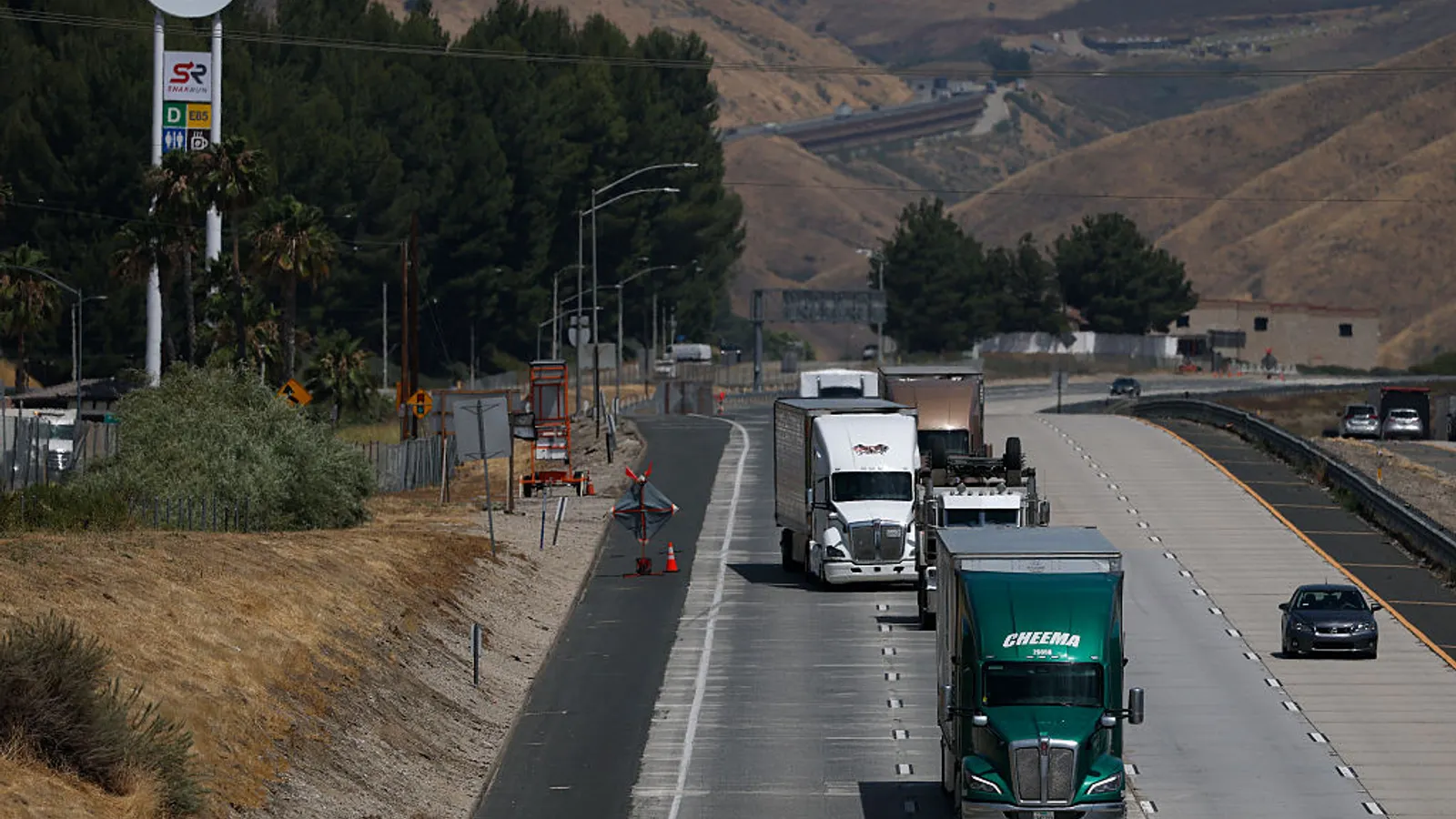
"Small carriers can lack the upfront cost to cover expenses before fuel surcharges even kick in," explains an industry expert who also serves as a Vice President at CPS Express. "And even when those surcharges are applied, they often only recoup 70% to 75% of the actual expenditure. It’s an unsustainable model that is thinning the margins of the most vital players in our supply chain."
Chronology of the 2026 Energy Shock
- Early 2026: Geopolitical tensions in the Middle East begin to escalate, leading to initial spikes in crude oil futures.
- March 2026: Large-scale attacks on energy infrastructure begin to impact global refining capacity, causing a sharp divergence between crude oil prices and refined product prices (diesel).
- Mid-2026: Trucking fleets across the U.S. report record-high fuel expenditures, leading to a surge in “fuel-saving” operations, such as reduced speed mandates and tactical fueling strategies.
- October 2026 (Early): The California Trucking Association and various freight advocacy groups appeal directly to Governor Gavin Newsom, requesting emergency intervention to lower state-level fuel taxes.
- October 8, 2026: The Federal Reserve Bank of Dallas releases a report highlighting that European markets are facing even more severe diesel pressures, complicating global trade flows.
- October 15, 2026: The Trump administration issues an order allowing the use of “dyed diesel” (typically reserved for off-road agricultural machinery) for on-road commercial use in an effort to provide tax-deferred relief.
Supporting Data and the “Refining Gap”
The optimism surrounding the recent federal authorization of dyed diesel is being met with cold skepticism by energy analysts. Matt Kropf, associate professor of engineering technology and director of the Harry Halloran Energy Institute at the University of Pittsburgh at Bradford, argues that policy tweaks cannot compensate for physical destruction.
"I personally expect that we will see elevated diesel prices well into 2027," Kropf stated in an interview with Trucking Dive. "I base that on the sheer complexity of the refining capacity equipment that needs to be repaired, rebuilt, or replaced. These are not ‘off-the-shelf’ parts. When you suffer damage of this magnitude through international conflict, you are looking at multi-year recovery timelines, not weeks or months."
Furthermore, the data suggests that the "center of gravity" for oil markets is shifting eastward, leaving U.S. refineries under immense pressure to meet domestic demand while global trade routes remain contested. The reliance on aging infrastructure means that even if hostilities were to cease tomorrow, the throughput capacity of the global energy grid would remain at sub-optimal levels for the foreseeable future.

Official Responses and Policy Gridlock
The federal government’s attempt to mitigate the pain through the "dyed diesel" provision has highlighted a growing rift between Washington and state capitals. While the White House has moved to defer taxes on this specific fuel type, the practical application is limited.
In California, the nation’s largest freight market, the provision is effectively moot. State regulations currently restrict the use of tax-free dyed diesel on public roads, meaning the federal order provides no relief to the truckers who need it most. The California Farm Bureau noted that while the federal gesture is appreciated, the state’s own tax structure—which accounts for 73 cents per gallon—remains the primary barrier to affordability.
President Donald Trump has signaled that he is exploring alternative supply channels, including potential installments of diesel from Russia. However, this strategy faces significant hurdles, including international sanctions and the reality that Europe’s own desperate need for diesel is creating a bidding war that keeps prices elevated globally.
"Everything can help," said a representative from CPS Express. "But at the end of the day, somebody has to pay for this cost. If the government doesn’t step in to address the tax burden or secure stable supply lines, the cost will continue to be passed down the chain until it hits the consumer."

Implications for the Logistics Sector
The long-term implications for the trucking industry are profound. We are witnessing a fundamental shift in how freight is managed:
- Consolidation of Carriers: Small fleets that lack the liquidity to weather 2027’s projected high costs may be forced to exit the market or be acquired by larger, better-capitalized entities.
- Operational Transformation: We are already seeing truckers adopt "tactical fueling." Carriers are rerouting trucks to fill up in lower-tax jurisdictions, such as Arizona or Nevada, even if it adds miles to a route. This adds congestion to secondary highways and increases total vehicle miles traveled (VMT), further stressing the national infrastructure.
- Inflationary Pressure: As the cost of moving goods remains permanently elevated, the "trucking tax" will be baked into the price of consumer goods. This suggests that the broader economy may deal with "sticky" inflation longer than central banks currently anticipate.
- Technological Acceleration: The crisis is providing a massive incentive for the rapid adoption of alternative fuels and more aerodynamic vehicle designs. Companies that can maximize their miles-per-gallon today are the ones most likely to survive the 2027 cycle.
Conclusion
As the sun sets on 2026, the trucking industry finds itself in a period of endurance. The combination of shattered infrastructure, complex geopolitical rivalries, and a lag in regulatory alignment has created a “new normal” for fuel prices.
While stakeholders continue to call for state tax holidays and federal intervention, the hard reality, according to experts like Professor Kropf, is that the machinery of the energy sector is slow to heal. For the foreseeable future, the American trucker will continue to be the shock absorber for a global energy system that is fundamentally broken. Whether the industry can innovate fast enough to survive this extended period of high costs remains the most critical question facing the supply chain in the coming year.
As we look toward 2027, one thing is certain: the price of diesel will remain a primary indicator of both our economic health and our vulnerability to a world in flux.