





RIYADH/MUSCAT – The persistent closure of the Strait of Hormuz, long considered the world’s most sensitive maritime chokepoint, has triggered a tectonic shift in global logistics. As a US-Iran standoff effectively halts tanker and container traffic through the narrow waterway, the anticipated economic paralysis of the Persian Gulf has failed to materialize. Instead, a resilient network of overland corridors, multi-modal transport solutions, and private-sector ingenuity is rewriting the map of Middle Eastern trade.
From the shifting sands of the Empty Quarter to the rail hubs of the Saudi interior, logistics operators are bypassing the blockade. While state intervention has provided the framework, it is private entrepreneurs who are driving the rapid expansion of capacity, proving that the necessity of trade can overcome even the most daunting geopolitical barriers.
Main Facts: The Emergence of a Multi-Modal Alternative
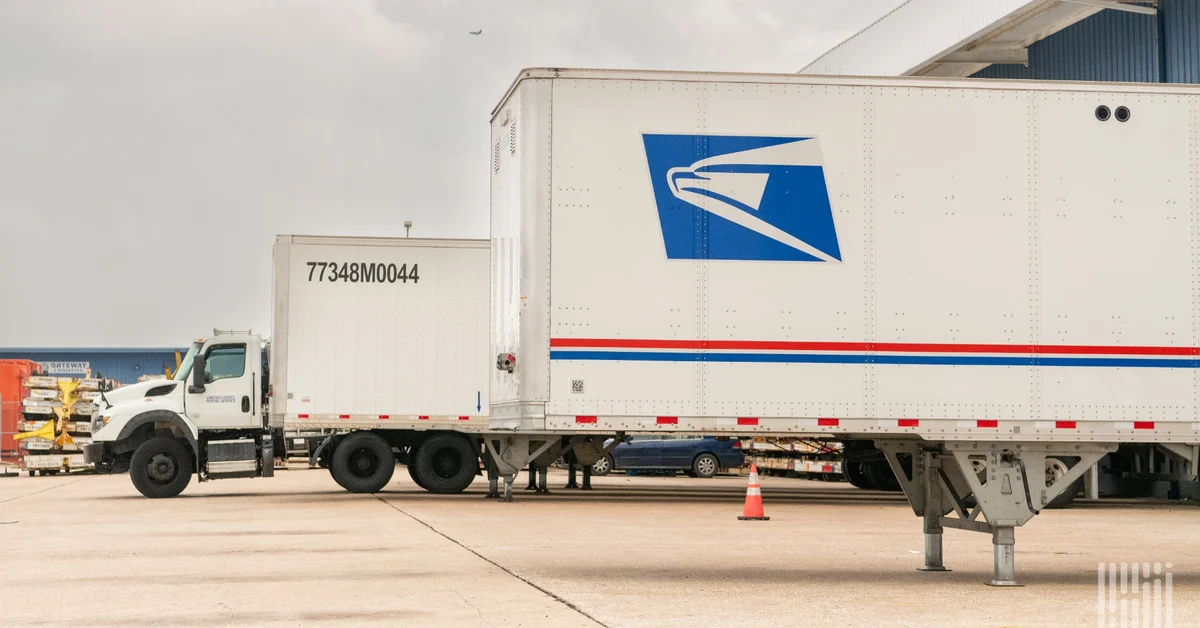
The closure of the Strait of Hormuz—through which roughly 20% of the world’s oil and a significant portion of its liquefied natural gas and containerized goods usually pass—has forced a radical rethinking of Gulf supply chains. The primary strategy involves "land-bridging": unloading cargo at "safe" ports outside the Persian Gulf (primarily on the Red Sea or the Omani coast) and transporting it via truck or rail to the population and industrial centers of the interior.
The Rise of Route 95 and the Omani Gateway
The centerpiece of this transition is Saudi Arabia’s Route 95. This engineering marvel connects the Saudi town of Alkwifiriah near the Qatari border to the Omani border at Ramlet Khelah. By traversing the Rub’ al Khali (the Empty Quarter), the road provides a direct link between the Sultanate of Oman and the Saudi heartland, bypassing the Strait of Hormuz and the congested maritime routes of the lower Gulf.
The Rail and Sea-Land Hybrid
Simultaneously, Saudi Arabian Railways (SAR) is accelerating its "Landbridge" project, connecting the Red Sea port of Jeddah to the Arabian Gulf port of Dammam. Global shipping giants like MSC and Hapag-Lloyd have already pivoted, launching integrated services that combine deep-sea shipping to the Red Sea with overland trucking and rail to reach "cutoff" destinations like Jebel Ali and Khalifa Port via feeder vessels from alternative hubs.
Chronology: From Strategic Planning to Emergency Implementation
The infrastructure currently saving the Gulf’s economy was not built overnight, though its utilization has accelerated at an unprecedented pace due to the current crisis.
- 2015–2020: The Visionary Phase. Both Saudi Arabia (Vision 2030) and Oman (Logistics Strategy 2040) identify the need to diversify transport routes. Planning for a direct road through the Empty Quarter begins, despite skepticism regarding the environment.
- 2021: The Diplomatic Foundation. Saudi Arabia and Oman sign a series of Memorandums of Understanding (MoUs) to establish a joint economic zone (EZAD) and synchronize customs procedures at the border.
- January 2023: The Breakthrough. The Ramlet Khelah border crossing officially opens. It represents the culmination of years of construction through moving dunes that required shifting millions of cubic meters of sand.
- Late 2025 – Early 2026: The Crisis Catalyst. As the standoff in the Strait of Hormuz escalates to a near-total halt in traffic, these dormant or underutilized routes become the region’s primary arteries.
- March 2026: The Economic Surge. Trade volumes through the Omani-Saudi land border hit record highs, with private trucking firms reporting revenues that eclipse previous annual totals in a single month.
- May 2026: The Institutional Pivot. MSC Mediterranean Shipping Company and Hapag-Lloyd formally launch dedicated sea-and-land bypass services, institutionalizing the "land-bridge" as a permanent fixture of global logistics.
Supporting Data: The Quantitative Shift in Trade
The scale of the transition is best illustrated by the dramatic spike in land-border trade and the capacity constraints facing alternative ports.
Border Trade Explosion
According to the Oman Public Authority for Special Economic and Free Zones (OPAZ), the value of goods crossing the Ramlet Khelah border reached $830 million in March 2026. This represents a staggering increase from the $300 million recorded in February of the same year.
The cargo profile has shifted from local trade to critical industrial and consumer goods:
- Fertilizers and Chemicals: Moving from Saudi industrial hubs to Omani ports for global export.
- Food and Medicine: Entering via the Red Sea or Salalah and being trucked into the central Gulf.
- Machinery and Construction Materials: Essential for the continued development of Saudi "Giga-projects" like NEOM and the Red Sea Project.
Port Capacity Realities
While the land bridge is functional, it faces a significant "capacity gap" when compared to the massive infrastructure of Jebel Ali in the UAE.
| Port | 2023 TEU Capacity/Throughput | Status in 2026 |
|---|---|---|
| Jebel Ali (UAE) | ~25 Million TEUs | Effectively Blockaded |
| Salalah (Oman) | ~4.1 Million TEUs | Operating at 110% Capacity |
| Sohar (Oman) | ~0.8 Million TEUs | Rapidly Expanding |
| Khor Fakkan (UAE) | ~3 Million TEUs | Limited by East Coast Access |
| Jeddah (KSA) | ~5.4 Million TEUs | Primary Western Gateway |
The data suggests that while ports like Salalah (ranked the 2nd most efficient container port in the world in 2023) are performing admirably, they cannot yet fully replace the volume lost by the closure of the Strait. This has created a massive backlog, driving the demand for more trucking and rail solutions.
Official Responses and Strategic Perspectives
Governmental bodies and corporate leaders are attempting to balance the immediate need for cargo movement with long-term regional stability.
The Saudi Rail Perspective
A spokesperson for Saudi Arabian Railways (SAR) noted that the current crisis has "compressed a decade of logistical evolution into six months." SAR is prioritizing five new freight corridors, shifting from a road-heavy model to a rail-centric one. "Our goal is to ensure that a container landing in Jeddah can be in a warehouse in Dammam within 48 hours, bypassing the maritime risks of the Southern Peninsula entirely," the official stated.
Omani Economic Ambitions
The Omani government is fast-tracking the Special Economic Zone at Al Dhahirah (EZAD). While originally planned as a manufacturing hub, its role is being recalibrated to serve as a massive "inland port" and distribution center. Omani logistics giant Asyad is slated to manage the land port, focusing on streamlining customs to ensure that the 16-hour time savings provided by Route 95 are not lost to bureaucracy.
Private Sector Agility
For private firms, the crisis is an era of unprecedented growth. Ramool Transportation, a leading trucking firm, reported that its earnings in March 2026 alone surpassed its total revenue for the entire year of 2025. "We are seeing a gold rush in overland logistics," said a company representative. "The challenge isn’t finding work; it’s finding enough qualified drivers and reliable trucks to meet the demand."
Implications: A New Logistical Map of the Middle East
The continued closure of the Strait of Hormuz is doing more than just raising oil prices; it is permanently altering the geopolitical and economic architecture of the Middle East.
1. The Diminishing Strategic Leverage of the Strait
For decades, the ability to close the Strait of Hormuz was the "nuclear option" in regional diplomacy. However, as Saudi Arabia and Oman perfect the land-bridge, the effectiveness of this threat diminishes. If the Gulf states can move 40-50% of their non-oil trade via land and Red Sea ports, the "stranglehold" becomes a "bottleneck"—painful, but not fatal.
2. The Economic Integration of the "Empty Quarter"
The Rub’ al Khali, historically a barrier to human activity, is becoming a corridor of wealth. The development of Route 95 and the EZAD zone will likely lead to the permanent settlement and industrialization of border regions that were previously uninhabited. This aligns perfectly with Saudi Arabia’s Vision 2030 goal of regional development.
3. The Shift in Maritime Hub Dominance
The crisis is accelerating the rise of "outside-the-Strait" ports. Salalah (Oman), Duqm (Oman), and Jeddah (Saudi Arabia) are seeing investment that might have otherwise gone to Jebel Ali or Doha. Even once the Strait reopens, many shipping lines may stick with these new routes to mitigate future risks, leading to a permanent loss of market share for traditional Persian Gulf hubs.
4. Mediterranean Access via the Northern Route
The rehabilitation of Route 85 (The Northern International Highway) is another critical implication. By connecting Dammam to the Mediterranean ports of Tartus and Latakia via Jordan and a stabilizing Syria, the Gulf now has a direct "back door" to Europe. This route, once plagued by security concerns, is now a dual-carriageway reality, further insulating the region from maritime disruptions.
5. The Bottleneck of Human Capital
The primary obstacle to this new world order is not sand or steel, but people. The shortage of heavy-goods vehicle (HGV) drivers and logistics managers is acute. This will likely lead to a surge in investment in autonomous trucking technology and AI-driven customs clearing—sectors where the Middle East is already positioning itself as a global testbed.
Conclusion
While the closure of the Strait of Hormuz remains a significant threat to global energy stability, the logistics industry’s response has been a masterclass in adaptation. Through a combination of visionary infrastructure projects like Route 95 and the rapid mobilization of private capital, the Gulf states are proving that they are no longer solely dependent on a single, vulnerable waterway. The "Landbridge" is no longer a theoretical project; it is the new backbone of Middle Eastern trade.