




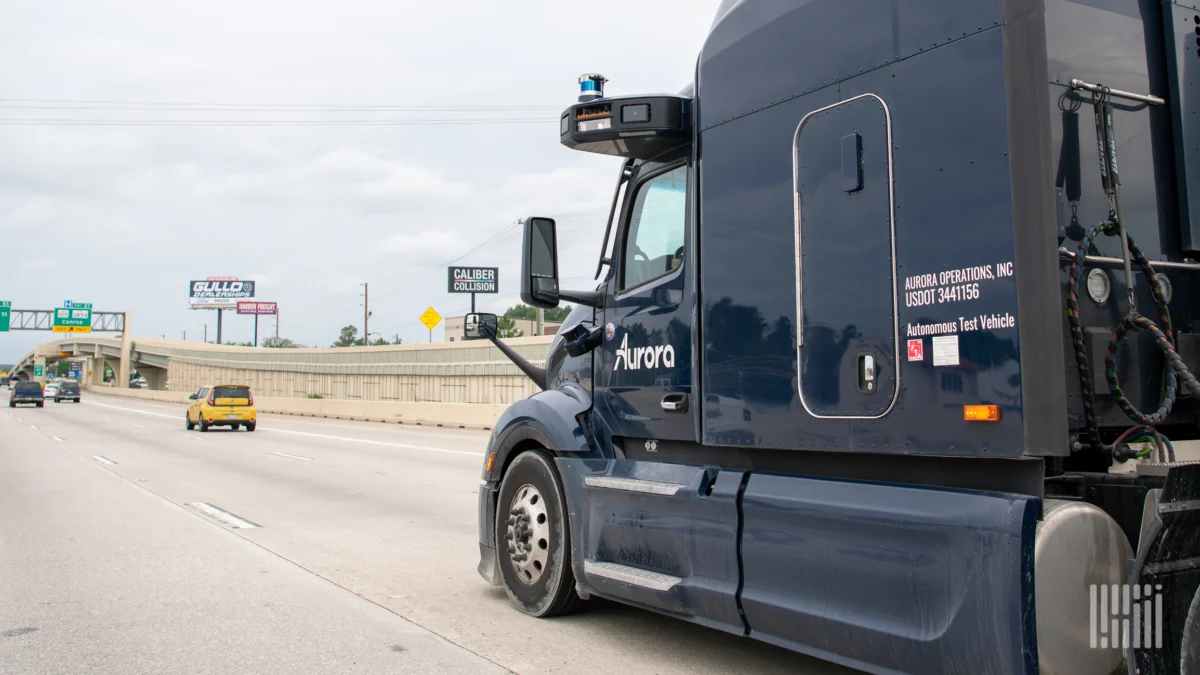
The transition from human-piloted freight to autonomous heavy-duty hauling is no longer a speculative chapter in a science fiction novel. It is an operational reality unfolding on the interstate corridors of the American Sun Belt. Companies like Aurora Innovation and Kodiak Robotics are no longer merely testing prototypes with "safety drivers" behind the wheel; they are logging commercial miles, reporting safety data to shareholders, and moving 80,000-pound Class 8 trailers between logistics hubs without a human occupant.
However, as the industry hurtles toward a 2026 scaling milestone—aiming for hundreds and eventually thousands of driverless trucks—a critical disconnect has emerged. While the software capable of steering and braking has arrived, the physical and regulatory infrastructure required to manage these vehicles in the "real world" remains dangerously underdeveloped. This is not an argument against progress, but rather an examination of the unanswered questions regarding safety, maintenance, and emergency response that the industry, regulators, and the public deserve to have addressed before the scale of deployment outpaces our ability to manage it.
Main Facts: The Commercial Reality of Driverless Freight
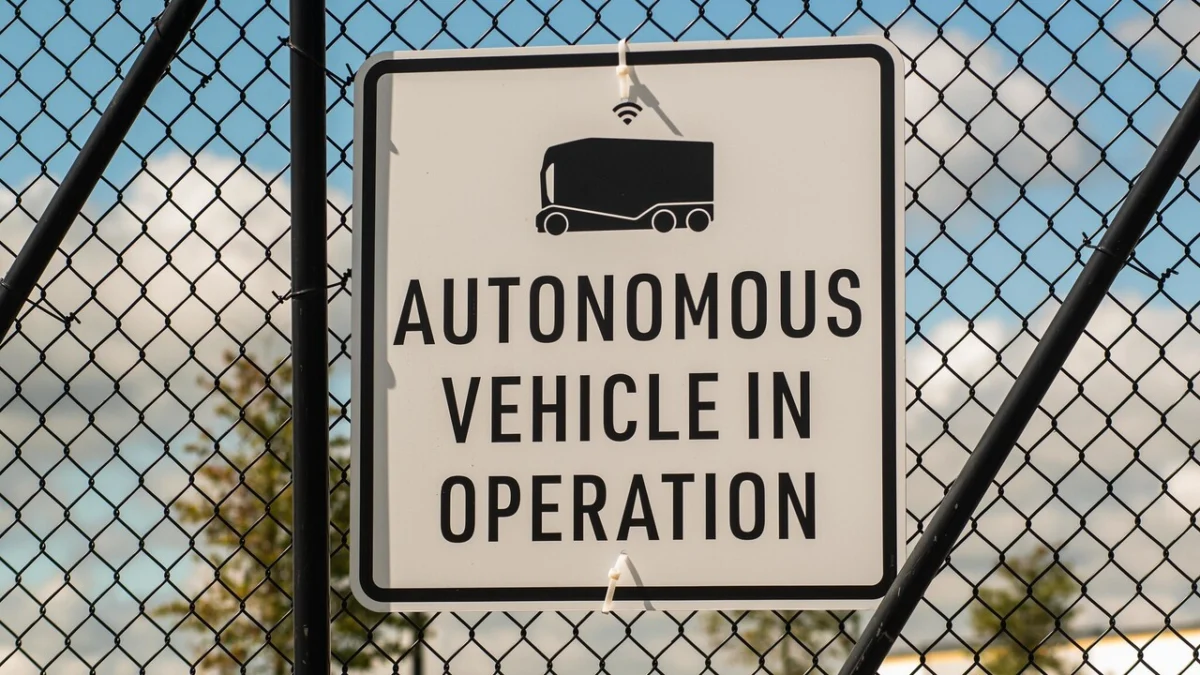
The current landscape of autonomous trucking is defined by a shift from research and development to commercial execution. Aurora Innovation is currently running driverless Class 8 trucks on a commercial basis between Dallas and Houston, one of the busiest freight arteries in the United States. Simultaneously, Kodiak Robotics has established a foothold in the Permian Basin, navigating the complex and often unpredictable environments of the energy sector.
These are not isolated experiments. Both companies have released aggressive scaling plans. By the end of 2026, the industry expects to see hundreds of these vehicles integrated into carrier fleets. The business model relies on "hub-to-hub" logistics: autonomous trucks handle the long-haul interstate miles, while human drivers manage the "first and last mile" complexities, such as navigating tight urban docks and managing shipper relationships.
Despite the technical prowess displayed by these systems, a fundamental gap exists in the "invisible labor" of trucking. A professional driver’s job extends far beyond the steering wheel. They serve as the onboard diagnostic system, the first responder, and the safety coordinator. As the industry moves toward empty cabs, the question remains: what happens when the software functions perfectly, but the hardware or the environment fails?
Chronology: The Road to Autonomy (2021–2026)
The path to the current state of autonomous trucking has been marked by rapid technological leaps and mounting regulatory scrutiny.
- July 2021 – November 2025: This period served as the primary data-gathering phase for autonomous systems. Waymo, though focused on passenger robotaxis, provided the most extensive dataset for autonomous vehicle (AV) performance at scale. During this window, Waymo reported 1,429 incidents to the National Highway Traffic Safety Administration (NHTSA), including 117 injuries.
- April 2025: Aurora Innovation accelerated its development cycle, pushing four major software releases in a single year. These updates were designed to refine "edge case" handling—scenarios like heavy rain, road debris, and erratic behavior by other motorists.
- Late 2025: The first major cracks in the support infrastructure became public. In San Francisco, a localized power outage disrupted over 1,500 Waymo vehicles, leading to a 53-minute delay in communication between city dispatchers and the company’s first responder hotline. This event forced the San Francisco Fire Department to label autonomous vehicles as "default roadside assistance" burdens.
- December 2025 – Early 2026: The Governors Highway Safety Association (GHSA) and Waymo launched the first comprehensive first-responder training course. This move was a tacit admission that law enforcement and EMS were unprepared to handle driverless vehicles involved in accidents or breakdowns.
- Present (2026): The industry stands at a crossroads. While Aurora reports 250,000 driverless miles with zero system-attributed collisions, the push for "thousands" of trucks by 2027 is creating tension between technology companies and the regulatory bodies tasked with ensuring highway safety.
Supporting Data: The Safety Record vs. The Scale Problem
The data currently used to justify the safety of autonomous trucks is impressive but narrow. Aurora’s 250,000-mile collision-free record and Gatik’s 60,000 incident-free orders suggest that, under controlled conditions, the technology works. However, these miles were logged primarily in the Sun Belt—regions with favorable weather, high-quality road markings, and relatively low route complexity.
The safety data for autonomous vehicles at scale tells a more nuanced story. Waymo’s fleet, which operates in more complex urban environments, has shown that as the number of vehicles increases, so does the frequency of "unforeseen interactions." In late 2025 and early 2026, Waymo vehicles in Austin and Atlanta were documented passing stopped school buses with flashing red lights—a failure of contextual awareness that a human driver would likely never commit.
Furthermore, the "maintenance delta" is a growing concern. In a conventional truck, a driver often detects a mechanical failure through sensory input:
- Olfactory: The smell of an electrical short or a dragging brake.
- Auditory: The specific whistle of a turbocharger leak or the thud of a delaminating tire.
- Tactile: A vibration in the steering column indicating an alignment issue.
Autonomous systems rely on Lidar, Radar, and cameras. While these sensors are precise, they are also fragile. A Lidar unit slightly obscured by road grime or insect accumulation can still "see," but the quality of its data degrades. Without a human to perform a "mid-trip" inspection, a truck may continue to operate at 70 mph with a degraded perception system, unaware that its "eyes" are failing.
Official Responses and Regulatory Gaps
Regulators are currently playing catch-up. The Federal Motor Carrier Safety Administration (FMCSA) has begun updating regulations to accommodate driverless trucks, notably exempting them from traditional Hours-of-Service (HOS) rules, as the "driver" does not need sleep. However, the FMCSA has been slower to address the physical safety obligations of a disabled vehicle.
Current federal law requires drivers to place reflective triangles at 100, 200, and 300 feet behind a vehicle stopped on a shoulder. An autonomous truck is physically incapable of this. While companies like Aurora have patented "breakdown protocols" where the truck uses its hazard lights and perception systems to warn traffic, these are digital solutions to a physical problem.
Law enforcement officials have also expressed concern. In the San Francisco "Waymo stall" incident, the city’s 911 dispatchers were forced to wait nearly an hour for a remote operator to respond. This has led to calls from the GHSA for mandatory, standardized "first responder keys" or emergency shutdown protocols that are universal across all AV platforms, rather than company-specific hotlines.
Furthermore, the "technician gap" is looming. The industry is currently facing a shortage of diesel mechanics; there is virtually no existing workforce trained to calibrate high-end Lidar arrays or service redundant electronic braking systems. The training pipeline for these specialized roles is estimated to be three to five years behind the current pace of truck deployment.
Implications: The Future of the Road
The rise of autonomous trucking does not signal the immediate end of the professional driver, but it does change the nature of the career. The "defensible freight"—the loads that will remain in human hands for the foreseeable future—are those requiring high levels of situational judgment, such as flatbed hauling, hazardous materials, and complex multi-stop deliveries.
However, for the industry as a whole, the implications are profound:
1. The Accountability Crisis
When a driverless truck is involved in a fatal accident, where does the liability rest? Is it with the software developer, the sensor manufacturer, the carrier, or the remote monitor? Without a human "captain of the ship," the legal framework for highway accidents must be entirely rewritten, a process that could take decades of litigation.
2. The 2 AM Infrastructure Burden
The "2 AM breakdown" scenario remains the most glaring hole in the autonomous business model. If a truck fails on a rural stretch of I-10 at night, the current plan relies on a "support vehicle" dispatched from a hub. If that hub is 100 miles away, the 80,000-pound obstacle sits on a dark shoulder for over an hour without the federally mandated physical warnings (triangles). This shifts the burden of safety onto the public and first responders, who must secure the scene until the company’s private contractors arrive.
3. The Transparency Requirement
To maintain public trust, carriers and technology providers must move beyond self-reported data. The industry needs independent, third-party verification of safety metrics that include "disengagements" (when the computer fails) and "near-misses," not just collisions.
4. The Workforce Evolution
The "driver shortage" may eventually be replaced by a "technician shortage." Carriers that invest now in training their workforce to maintain autonomous systems will have a competitive advantage. For drivers, the focus must shift toward specialized skills that AI cannot replicate: customer service, complex maneuvering, and high-stakes decision-making.
In conclusion, the autonomous truck is no longer a "future" technology; it is a neighbor on the highway. But until the industry can answer how an empty cab handles a shredded tire at midnight or how a software update changes the "behavior" of a truck in a snowstorm, the deployment remains an unfinished experiment. The professional drivers who have kept the supply chain moving for decades have earned the right to demand that these questions be answered before the next thousand trucks hit the road. The road belongs to everyone, and the cost of innovation should not be paid in public safety.