





Seattle, WA – In a move poised to reshape the logistics landscape, e-commerce behemoth Amazon has officially opened its extensive supply chain network to all businesses, not just those operating on its marketplace. This new offering, dubbed Amazon Supply Chain Services (ASCS), promises a comprehensive suite of services including freight transportation, parcel shipping, air freight, global logistics, distribution, and fulfillment. However, established titans of the logistics industry, including FedEx, Maersk, and GXO Logistics, are expressing a measured skepticism, viewing ASCS as a distinct, rather than an existential, competitive threat at this nascent stage.
While Amazon’s foray into the broader logistics market is a significant development, industry leaders argue that their own deeply entrenched and multifaceted operations remain distinct. They highlight their global reach, specialized services, and long-standing customer relationships as key differentiators that Amazon Supply Chain Services will struggle to replicate overnight. Furthermore, concerns surrounding data security and the potential for conflicts of interest loom large, casting a shadow over the perceived benefits of entrusting sensitive business information to a competitor.
Amazon’s Ambitious Expansion: A New Era for Logistics?
Amazon Supply Chain Services represents a significant strategic pivot for the e-commerce giant. Historically, Amazon’s logistics prowess was primarily leveraged to serve its own vast marketplace, a crucial component of its success in online retail. The recent announcement signifies a deliberate effort to monetize this infrastructure and expertise by offering it as a standalone service to third-party businesses. This ambitious undertaking encompasses a wide spectrum of logistical needs, aiming to provide a one-stop solution for companies seeking to streamline their operations.
The scope of ASCS is undeniably broad, encompassing:
- Freight Transportation: Moving goods across various distances and modes.
- Parcel Shipping: Delivering individual packages to end consumers.
- Air Freight: Utilizing Amazon’s growing air cargo capabilities for expedited transport.
- Global Logistics: Facilitating international movement of goods.
- Distribution and Fulfillment: Managing warehousing, inventory, and order processing.
This comprehensive offering aims to appeal to a wide range of businesses, from small startups to larger enterprises, by democratizing access to sophisticated supply chain capabilities that were previously the domain of specialized logistics providers. Amazon’s stated goal is to reduce the complexity and cost associated with building and managing an independent supply chain, particularly for smaller businesses that may lack the resources or expertise to do so.
Established Players Voice Measured Confidence, Not Alarm
Despite the potential disruption Amazon Supply Chain Services could introduce, key players in the global logistics arena have publicly downplayed immediate competitive concerns. Their responses, rooted in their existing strengths and market positions, suggest a belief that Amazon’s offering, while innovative, will not displace their established operations in the short to medium term.
FedEx: The End-to-End Global Network
Raj Subramaniam, President and CEO of FedEx, articulated a clear distinction between his company’s operations and Amazon’s new venture. In a recent CNBC interview, Subramaniam stated that FedEx and Amazon Supply Chain Services are "operating two different businesses entirely." He emphasized FedEx’s core strength: an "end-to-end global network."
"The true network is something you can pick up in any one part of the world and get it to any other part of the world in a couple of days, and for that, you need a system like what we have here," Subramaniam explained. This statement underscores FedEx’s long-standing investment in a vast and integrated global infrastructure, designed for seamless intercontinental movement of goods. The company’s legacy is built on its ability to provide a comprehensive, reliable, and interconnected logistical solution that spans the globe, a capability that Amazon is still developing.
Maersk: International Prowess and Distinct Market Focus
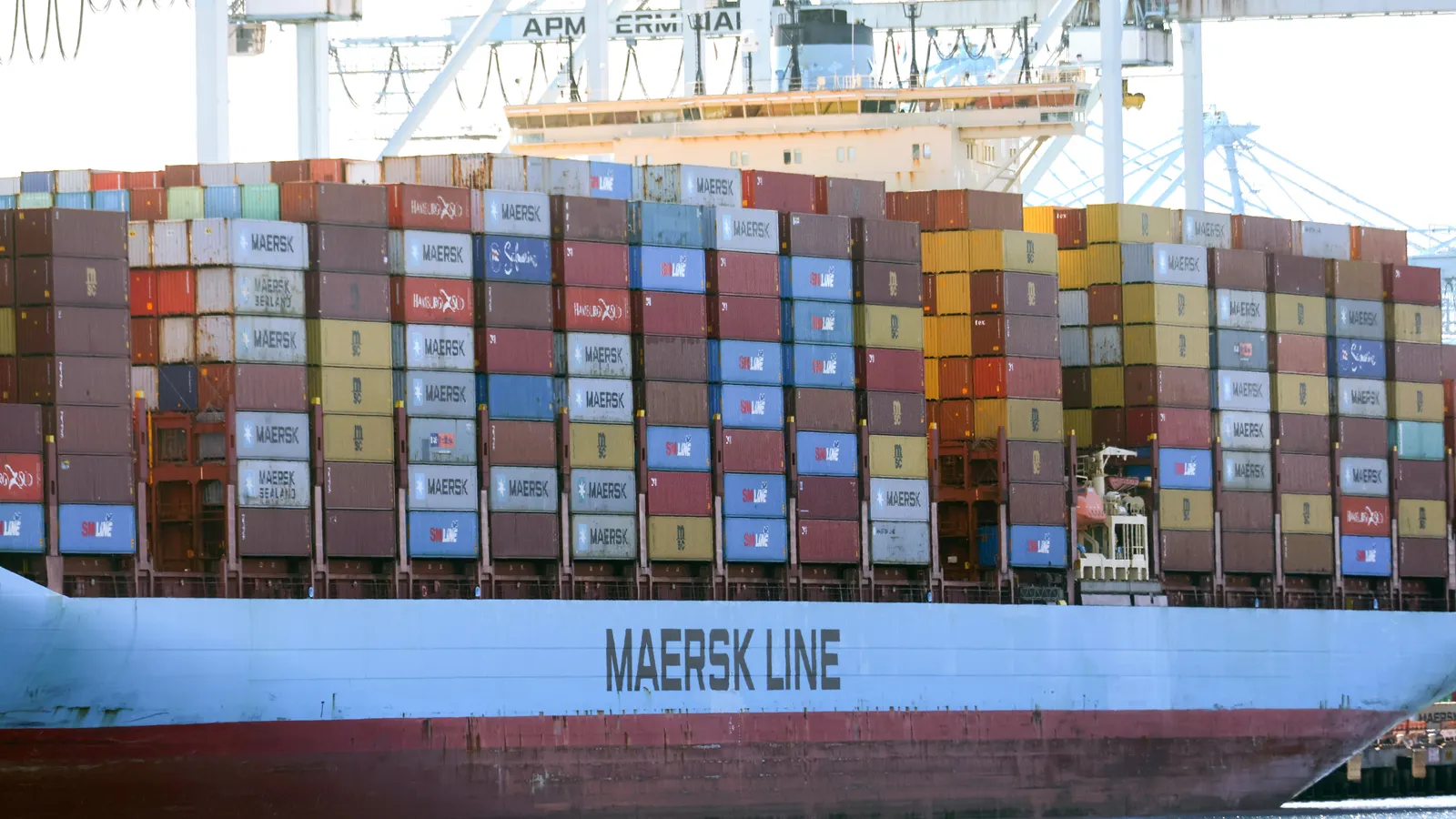
Vincent Clerc, CEO of Maersk, echoed similar sentiments during a recent earnings call. While acknowledging that Amazon Supply Chain Services represents "a logical continuation of efforts" for the e-commerce giant, Clerc highlighted the fundamental differences in their operational focus and market penetration.
"We are active much more on the international scene where they are active much more on the U.S. domestic scene," Clerc observed. This geographical divergence is a critical point of differentiation. Maersk, as a global shipping and logistics leader, possesses an unparalleled network of ocean routes, port operations, and international land transportation. While ASCS offers some international capabilities, such as inbound shipping from China via Amazon Global Logistics and Amazon Air Cargo, its core focus appears to be on the U.S. domestic market.
Clerc also pointed out that Maersk is "not so active in the express and last-mile delivery compared to what they are." This acknowledges Amazon’s strength in the final leg of delivery, a segment where Maersk’s expertise lies more in bulk cargo and containerized shipping. Despite this, Clerc noted that Amazon and Maersk frequently do business together, suggesting a symbiotic relationship rather than direct, all-encompassing competition.
GXO Logistics: Customization vs. Standardization
Patrick Kelleher, CEO of GXO Logistics, positioned Amazon Supply Chain Services as offering a "standardized solution" that essentially sells access to existing network capacity. In contrast, GXO prides itself on building "standalone, customized logistics solutions" for its clients.
"I think where we do competitively differentiate as GXO Direct is that we are servicing high-value brands that will leverage our value-added services in packaging, etching and really white glove type services for those very high-end brands," Kelleher elaborated. GXO Direct, their shared-use e-commerce fulfillment product, does compete with Amazon, but Kelleher emphasized that it accounts for less than 6% of GXO’s business. This suggests that GXO’s core competitive advantage lies in its ability to tailor services to the specific, often niche, requirements of premium brands, a level of customization that a more standardized offering from Amazon might not easily match.
The Shadow of Data Security and Competitive Overlap
A significant concern raised by both GXO’s Kelleher and Maersk’s Clerc is the issue of data security. In the realm of logistics, access to sensitive data such as inventory levels, demand patterns, sales channels, and financial information is paramount. Entrusting this data to Amazon, a company that operates a massive private-label business and has faced regulatory scrutiny over its use of seller data, presents a potential conflict of interest for many businesses.
"For enterprise customers, protecting their data is a top priority," Kelleher stated. "Many companies are going to be reluctant to give a competitor deeper visibility into their inventory, demand patterns, sales channels, financials." This sentiment reflects a deep-seated concern that the data shared with ASCS could inadvertently be used to benefit Amazon’s own retail operations, potentially at the expense of its logistics clients.
An Amazon spokesperson addressed these concerns by stating that the company prohibits using sales data received or collected from ASCS customers to make sourcing, inventory level, or pricing decisions for products in its own store. However, the spokesperson also confirmed that Amazon does use the data logistics customers share to operate and improve its services. This nuanced approach leaves room for interpretation and may not fully assuage the data privacy anxieties of potential clients, especially those who view Amazon as a direct competitor.
A Strategic Play for the Middle Market?
While large, established logistics players may be evaluating Amazon’s move with a degree of detachment, Amazon’s CEO Andy Jassy has suggested that the most significant beneficiaries of ASCS could be small- and medium-sized businesses (SMBs).
"Today, to try and compile a supply chain for any size business, but particularly a small business that doesn’t want to have to build out all those capabilities themselves, it’s time-consuming and expensive," Jassy remarked in a CNBC interview. This perspective highlights Amazon’s strategic intent: to empower smaller businesses by providing them with access to advanced logistical infrastructure that would otherwise be prohibitively expensive or complex to develop independently.
This focus on the SMB market could represent a shrewd move. These businesses often lack the negotiating power and scale to secure favorable terms with major logistics providers. Amazon’s offering, with its potential for competitive pricing and simplified integration, could indeed unlock new growth opportunities for this segment of the market. The inclusion of prominent companies like Procter & Gamble, 3M, and American Eagle Outfitters as early ASCS customers, however, demonstrates that Amazon is also targeting larger enterprises, suggesting a dual-pronged market penetration strategy.
Chronology of Amazon’s Evolving Logistics Footprint
Amazon’s journey into the logistics sector has been a gradual, yet relentless, evolution, built over decades of investment and innovation.
- Early 2000s: Amazon begins investing heavily in its own fulfillment centers and delivery network to gain greater control over the customer experience and reduce reliance on third-party carriers. This marked the initial seeds of its internal logistics capabilities.
- Mid-2010s: The company intensifies its efforts, launching Amazon Prime Air for drone delivery and expanding its fleet of delivery vans. The "Fulfilled by Amazon" (FBA) program becomes a cornerstone, allowing sellers on its platform to store inventory in Amazon’s warehouses and leverage its delivery network.
- Late 2010s – Early 2020s: Amazon significantly scales its air cargo operations with Amazon Air Cargo and expands its freight forwarding capabilities. This period sees the gradual build-up of the infrastructure and services that would eventually form the basis of ASCS. The company also begins to offer some of these services to select businesses, testing the waters for a broader rollout.
- 2023/2024 (Announced): Amazon officially launches Amazon Supply Chain Services, making its comprehensive logistics network available to all businesses, not just marketplace sellers. This represents the culmination of years of investment and a strategic decision to compete directly with established logistics providers across a wider spectrum of services.
Supporting Data and Market Context
The global logistics market is a colossal industry, valued in the trillions of dollars, with significant growth driven by e-commerce expansion and increasing global trade. Amazon’s entry, even with the stated reservations of competitors, cannot be dismissed lightly.
- E-commerce Growth: The relentless rise of online shopping continues to fuel demand for efficient and cost-effective logistics solutions. As of early 2024, global e-commerce sales are projected to reach new highs, creating a fertile ground for any player that can offer superior service or pricing.
- Amazon’s Infrastructure: Amazon operates a vast network of fulfillment centers, sortation centers, and sortation centers globally. Its investment in Amazon Air, with a dedicated fleet of cargo planes, and its growing fleet of delivery vehicles, underscore its commitment to controlling the entire logistics chain.
- Market Penetration: While the established players boast decades of experience and deep-rooted relationships, Amazon’s brand recognition and its established customer base of third-party sellers provide a significant initial advantage.
Official Responses and Future Implications
The statements from FedEx, Maersk, and GXO Logistics indicate a strategic approach to Amazon’s expansion. Rather than engaging in outright dismissal, they are focusing on their unique value propositions and the inherent complexities of their established operations.
- FedEx’s emphasis on its global end-to-end network suggests a belief that Amazon’s current capabilities, while growing, do not yet match its comprehensive international reach and integrated service offerings.
- Maersk’s focus on its international dominance and distinct market segments highlights that Amazon’s current strengths may lie more in domestic parcel delivery and fulfillment, areas where Maersk has less direct involvement.
- GXO’s focus on customized solutions and value-added services positions Amazon as a provider of more commoditized logistics, while GXO caters to clients seeking bespoke, high-touch services.
The implications of Amazon Supply Chain Services are far-reaching. If ASCS gains significant traction, it could:
- Intensify price competition across the logistics sector, potentially benefiting businesses that can leverage these new offerings.
- Force established players to accelerate their own innovation and service enhancements to maintain market share.
- Raise new questions about data governance and antitrust concerns, particularly regarding Amazon’s dual role as a platform provider, retailer, and now, a logistics service provider.
- Further blur the lines between e-commerce and logistics, creating a more integrated and potentially more efficient global supply chain ecosystem, albeit one dominated by a few key players.
While the logistics titans may not be sounding the alarm bells just yet, Amazon’s strategic entry into the broader logistics market is an undeniable development. The long-term impact will depend on Amazon’s ability to execute its vision, address customer concerns, and the resilience of established players to adapt and differentiate themselves in an increasingly competitive landscape. The next few years will be critical in determining whether Amazon Supply Chain Services becomes a disruptive force or a specialized niche player within the vast world of global logistics.