Introduction: A Technological Leap in Conservation
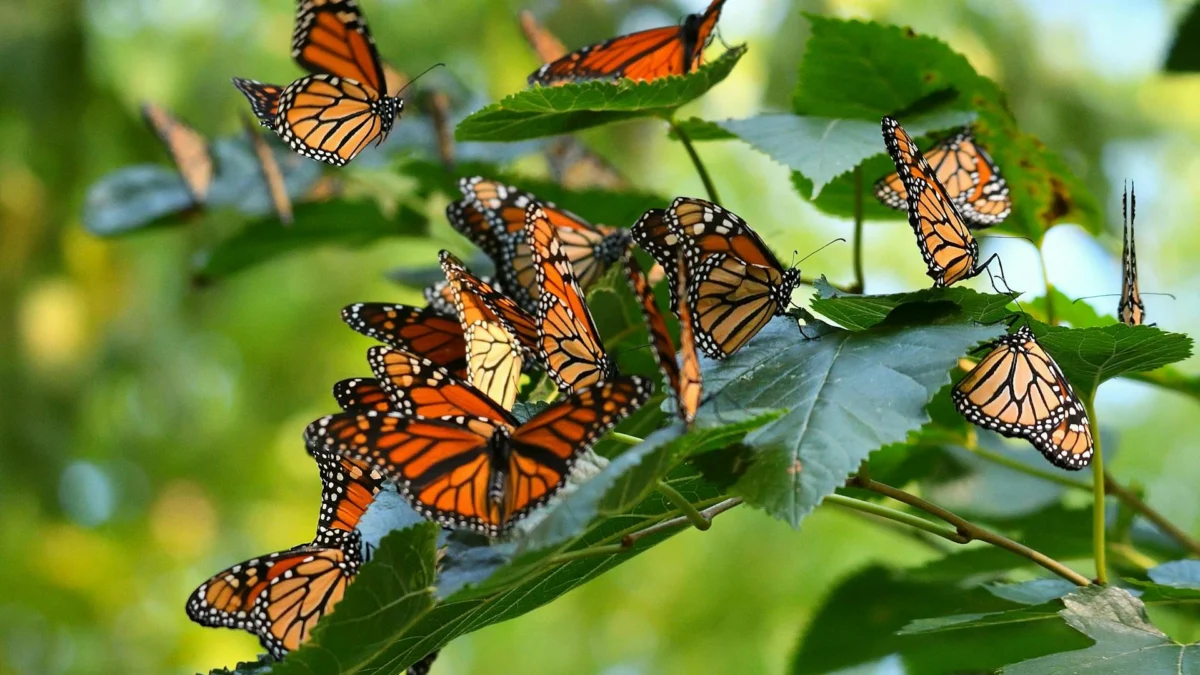
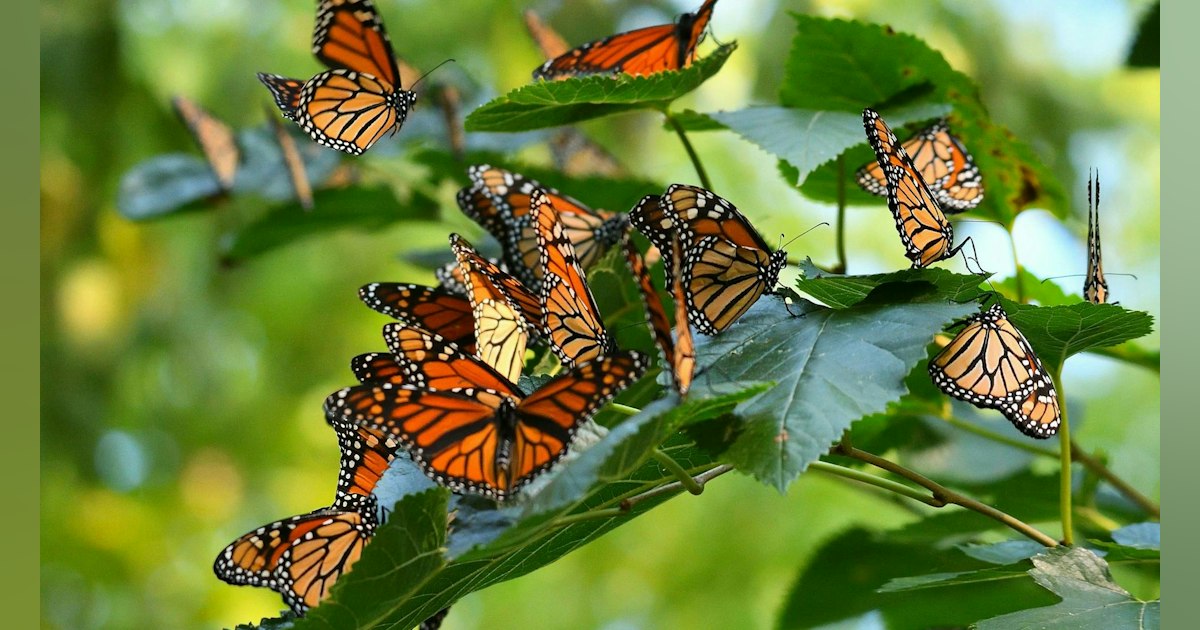
Every autumn, one of nature’s most awe-inspiring phenomena unfolds across North America. Millions of monarch butterflies (Danaus plexippus) embark on a grueling, multi-generational migration, flying up to 3,000 miles from their breeding grounds in southern Canada and the northern United States to high-altitude oyamel fir forests in central Mexico. For decades, scientists have raced to understand the intricacies of this epic journey, relying heavily on traditional physical wing tags and broad, generalized population counts to map their flight paths.
While these low-tech methods have yielded valuable macro-level insights, they suffer from a severe blind spot: they only provide a starting and ending point, leaving the vast, perilous middle of the journey shrouded in mystery.
Enter Project Monarch, a pioneering citizen-science and engineering initiative that is transforming wildlife tracking. By marrying cutting-edge IoT (Internet of Things) hardware with the ubiquity of modern smartphones, researchers can now track individual butterflies in real-time. Utilizing ultra-lightweight, solar-powered radio transmitters and a crowdsourced network of mobile receivers, Project Monarch is offering scientists an unprecedented, high-definition look at insect migration—ushering in a new era of tech-driven ecological conservation.
The Engineering Marvel: BlëMorpho and Ultra-Low-Power IoT
The core challenge of tracking an insect as delicate as a monarch butterfly is weight. A typical adult monarch weighs roughly 500 milligrams. To avoid hindering its flight, aerodynamics, or survival, any tracking device must weigh a fraction of that mass—ideally no more than 10% to 15% of the body weight.
To solve this formidable engineering puzzle, Project Monarch partnered with Cellular Tracking Technologies (CTT) to deploy a specialized radio tag known as the BlëMorpho. Weighing an astonishingly light 60 milligrams, this tiny device acts as an advanced wildlife-monitoring beacon.
How the BlëMorpho Works
- Battery-Free Operation: Due to weight restrictions, carrying a traditional lithium-ion battery was impossible. Instead, the BlëMorpho relies on energy harvesting, utilizing a microscopic solar panel that captures ambient light to power its circuitry.
- Bluetooth Low Energy (BLE) Transmission: The tag broadcasts a digitally coded identification signal on the 2.4-GHz industrial, scientific, and medical (ISM) radio band—the exact same frequency spectrum used globally by consumer Bluetooth devices.
- Attachment Method: Researchers gently secure the solar-powered "backpack" onto the thorax of the monarch butterfly using specialized, lightweight medical adhesives that do not disrupt the insect’s muscle movement or balance.
By leveraging energy harvesting, CTT bypassed the lifespan limitations of traditional batteries, allowing the tag to continuously broadcast its unique ID whenever sunlight strikes its photovoltaic cell.
Crowdsourcing Conservation: The Power of Smartphones as Wildlife Receivers
Capturing a 2.4-GHz Bluetooth signal from a tiny, fast-moving insect over vast geographical expanses requires an extensive receiver network. Traditionally, researchers would have to install expensive, stationary radio-telemetry towers (such as Motus wildlife tracking stations) every few miles—a cost-prohibitive and logistically impossible feat for a continent-spanning migration.
Project Monarch ingeniously sidestepped this limitation by turning the general public into an active, distributed sensor network.

The Citizen-Science Framework
- App Installation: Everyday citizens download the dedicated Project Monarch mobile application onto their smartphones.
- Background Operation: Participants enable Bluetooth and location services on their mobile devices while walking, hiking, or commuting outdoors.
- Proximity Detection: If a smartphone passes within 100 meters of a tagged monarch butterfly, the phone’s Bluetooth receiver automatically logs the tag’s unique identification signal along with a precise GPS timestamp and coordinate.
- Cloud Synchronization: The application seamlessly uploads these detection events to the centralized Project Monarch database whenever the phone reconnects to the internet.
Through this crowdsourced architecture, thousands of civilians walking through parks, backyards, and city streets effectively transform their pockets into mobile wildlife-tracking stations. Participants can then log into the platform to visualize individual butterfly movements mapped across North America.
Chronology of the Project: From Concept to Breakthroughs
Project Monarch’s rapid deployment schedule has already transitioned from a daring field experiment into a validated, high-yield scientific database.
Fall 2025: Initial Deployments
During the autumn migration window of 2025, researchers and conservationists deployed over 400 BlëMorpho transmitters across southern Canada and the northern United States. Initial releases in hotspots like Ontario immediately began producing high-resolution data. For the first time, researchers could watch in real time as individual monarchs navigated complex ecological barriers—such as tracking butterflies successfully crossing the open expanse of Lake Erie.
March 2026: Milestone Discoveries
By the spring of 2026, Project Monarch achieved a monumental milestone. Researchers confirmed that 28 monarchs tagged during the previous fall had successfully completed the grueling southward migration, arriving safely at their Mexican overwintering habitats.
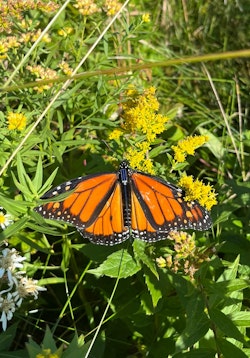
Even more astonishingly, the network began documenting the reverse journey. Two monarchs equipped with BlëMorpho tags were tracked heading back north from Mexico. Among them was a standout butterfly designated XSTI009.
The Journey of XSTI009
Butterfly XSTI009 achieved a historic first in lepidopterology:
- It was initially tracked flying from Oklahoma down to its Mexican overwintering sanctuary.
- After spending the winter months in the oyamel forests, the same individual was detected traveling back north into Texas.
This marked the first time in history that an individual butterfly’s complete round-trip migration—southbound arrival followed by the initiation of the northbound return—was successfully captured by continuous electronic tracking. By the time this milestone was reached, the Project Monarch database had amassed an incredible dataset exceeding 32,000 individual detections.
Supporting Data and Analytics: Unlocking the Migration Code
The sheer volume and granular detail of the data collected by Project Monarch represent a quantum leap forward for entomological research. Traditional tagging methods historically yielded recovery rates of less than 1% when relying on humans physically catching a butterfly months later. In stark contrast, the BlëMorpho and smartphone ecosystem yields continuous, multi-point data vectors.

With over 32,000 detections logged, researchers are now equipped to analyze:
- Critical Stopover Sites: Identifying exact geographic corridors, feeding grounds, and rest areas that monarchs rely upon most heavily during their long flights.
- Meteorological Impacts: Correlating real-time flight paths with weather patterns, wind currents, and barometric pressure changes to understand how climate variables accelerate or stall migration.
- Predictive Survival Modeling: Utilizing transit times and detection density to calculate survival rates across different geographic regions and industrial or agricultural landscapes.
- Habitat Conservation Priorities: Pinpointing the exact patches of milkweed and nectar sources that act as make-or-break waypoints for the species.
Official Perspectives and Expert Analysis
The integration of commercial IoT technology into wildlife biology has garnered praise from across the scientific community, bridging the gap between hardware engineering and ecological preservation.
"Project Monarch represents a paradigm shift in how we monitor insect populations," noted field biologists involved in the rollout. "We are no longer guessing how butterflies navigate obstacles like the Great Lakes or urban sprawls; we are watching their journeys unfold with unprecedented spatial and temporal resolution."
Engineers who developed the underlying hardware emphasize the elegance of dual-use technology. By utilizing standard 2.4-GHz Bluetooth bands, the project avoided the need for custom, proprietary receiver infrastructure. Instead, it capitalized on the billions of smartphones already deployed globally.
Furthermore, industry experts point out that the success of BlëMorpho opens the door for similar tracking initiatives targeting other endangered small wildlife, including bees, dragonflies, and small migratory birds. Solar energy harvesting has officially graduated from stationary industrial sensors to ultra-mobile, micro-fauna applications.
Implications for the Future of Conservation
The monarch butterfly population has faced severe declines over the past two decades due to habitat loss, climate change, the widespread eradication of milkweed plants by herbicides, and extreme weather events. In response, conservationists have fought tirelessly to secure stronger legal protections and habitat restoration funding.
The data streaming out of Project Monarch arrives at a critical juncture. Armed with high-resolution mapping of actual flight corridors rather than theoretical models, environmental policymakers can make smarter, data-backed decisions:
- Targeted Land Conservation: Governments and NGOs can direct funding to purchase and protect specific stopover micro-habitats that data proves are vital to migration success.
- Pesticide and Mowing Regulation: Municipalities and agricultural entities can adjust their land management practices—such as delaying roadside mowing or restricting harmful pesticide use—along confirmed migratory high-traffic zones during peak transit windows.
- Empowering Citizen Scientists: By actively involving the public in high-tech conservation, Project Monarch fosters a deeper connection between everyday citizens and local biodiversity, proving that anyone with a smartphone can contribute to saving a species.
As Project Monarch continues to scale its operations into future migration cycles, the 60-milligram solar tag and the common smartphone are proving that even the smallest creatures can benefit from the biggest advancements in human technology.