



Main Facts
The global marine energy sector, backed by decades of research and development, is steadily emerging as a viable and unique contributor to the international renewable energy transition. Unlike conventional wind and solar installations—which frequently dominate headlines and occasional political debates—marine energy technologies harvest the kinetic power of ocean waves, tides, and underwater currents. Because these systems operate almost entirely beneath the surface of the water, they largely bypass the aesthetic objections and visual pollution arguments that have historically plagued above-ground renewable projects.
While the industry is still in its infancy regarding commercial scale, supply chains, and workforce deployment, its long-term potential is staggering. The U.S. Department of Energy (DOE) estimates that wave energy alone could theoretically inject up to 1,170 terawatt-hours per year into the national grid. Meanwhile, tidal and current energy resources could contribute an additional 220 terawatt-hours annually, providing vital decarbonization pathways for regional and coastal communities.
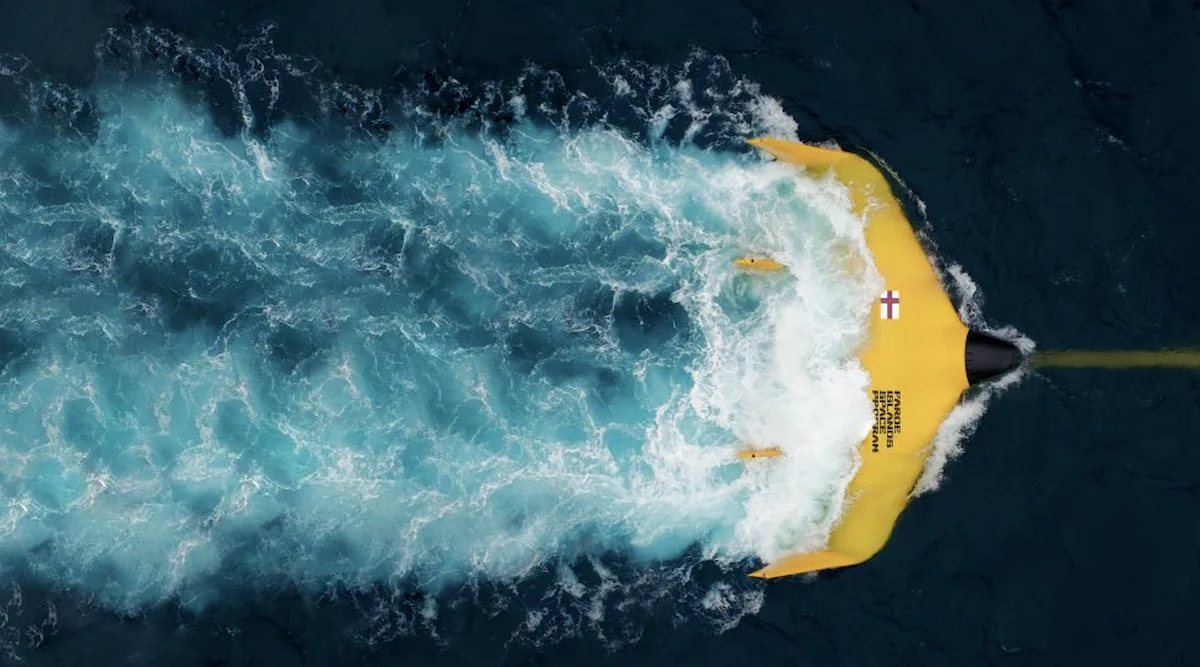
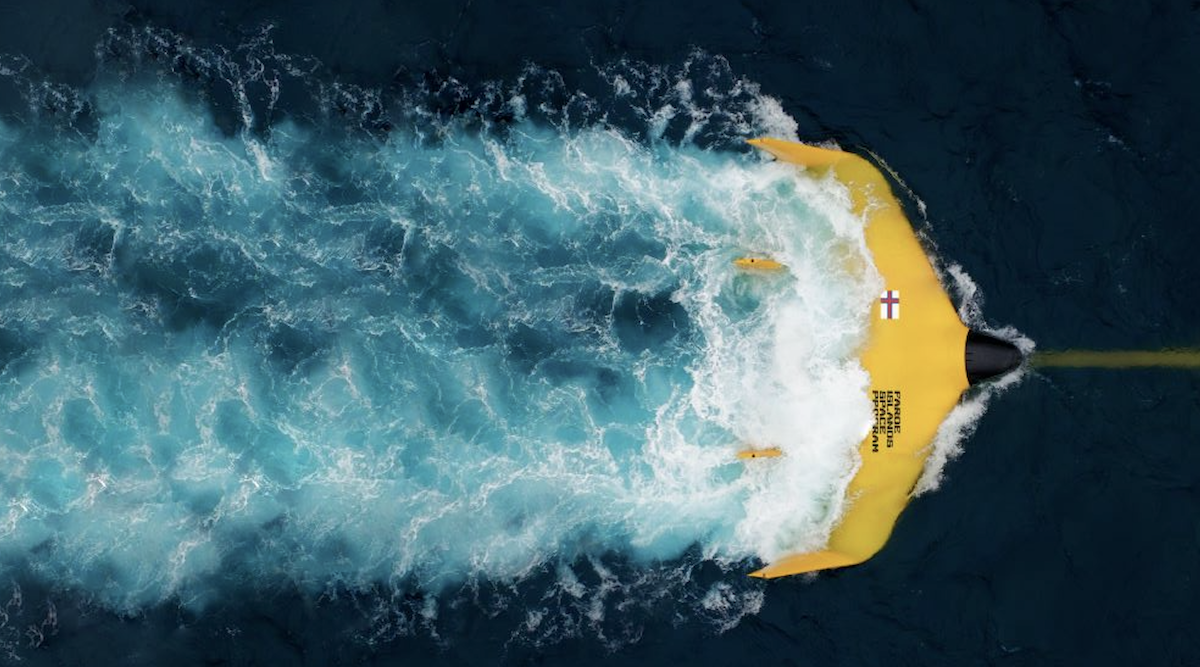
On the international stage, Swedish marine energy pioneer Minesto is leading the charge with its innovative "Dragon Class" tidal energy devices. Functioning essentially as high-tech underwater kites, these systems sweep through low-flow tidal streams and ocean currents to efficiently harvest kinetic energy. Minesto has established projects across the Faroe Islands, Wales, and Taiwan, and recently signed a Memorandum of Understanding with U.K. investment firm Morteza Capital to commercialize tidal power in the Republic of Maldives. This deployment addresses a critical energy vulnerability for island nations heavily dependent on imported diesel while protecting the pristine coastal landscapes vital to their tourism-driven economies.
Chronology of Marine Energy Development
The journey of marine energy from theoretical physics to grid-connected reality spans several decades of strategic investment, technological iteration, and institutional partnerships:
- October 2010: The United States Navy and Marine Corps partnered with the U.S. Department of Energy to launch the nation’s first grid-connected wave energy test facility in Hawaii, marking a foundational moment for domestic marine hydrokinetic research.
- The 2010s: Regional testing grounds began to multiply. Demonstration projects such as the "RITE" turbines were established in New York City’s East River, while remote coastal communities in Maine (Cobscook Bay and Western Passage) and Alaska (Cook Inlet) were identified as prime candidates for localized tidal deployment.
- May 2022: The DOE formalized its support network by introducing the TEAMER (Testing Expertise and Access for Marine Energy Research) program, opening a comprehensive suite of U.S. marine energy laboratories to global innovators.
- Summer 2023: The PacWave South open-ocean wave energy test facility off the coast of Oregon celebrated its official launch, establishing a world-class environment for multi-megawatt device testing.
- October 2024: Minesto advanced its commercial footprint by deploying and highlighting its majestic underwater "Dragon" kites designed for low-flow oceanic conditions.
- Mid-2026: Political dynamics surrounding renewable energy intensified in the United States. Despite skepticism toward traditional wind and solar infrastructure from certain political factions, the federal government continued to support marine energy under broader technological categories, while onshore wind saw a surprising resurgence driven by impending tax deadlines.
- Late 2026: Minesto announced a strategic partnership with Morteza Capital, backed by the Nordic development fund Nopef, to introduce utility-scale tidal energy to the Maldives, signaling a shift toward commercial viability in remote island markets.
Supporting Data and Resource Potential
The feasibility of marine energy rests upon vast, untapped natural reserves distributed across global coastlines and marine waterways. According to federal energy assessments, the resource breakdown highlights why governments and private investors continue to allocate capital to the sector:
- Wave Energy Potential: The U.S. Department of Energy calculates that fully harnessing ocean wave dynamics could introduce approximately 1,170 terawatt-hours per year into the national power grid, representing a massive slice of domestic electricity demand.
- Tidal Energy Contribution: Although geographically constrained compared to open-ocean waves, tidal streams possess immense localized power density. Tidal energy systems are projected to add up to 220 terawatt-hours per year to local and regional grids, proving particularly advantageous for remote northern and coastal microgrids.
- U.S. Onshore Wind Resurgence: Counterbalancing the political narratives surrounding renewable energy policies, a Wood Mackenzie industry report noted that U.S. wind turbine uptake hit a three-year high in mid-2026. Onshore wind capacity across the United States is projected to expand by 39 gigawatts by 2030.
- Island Dependency Metrics: In island nations like the Maldives, imported diesel fuel accounts for nearly all electricity generation, leading to extraordinarily high energy costs, heavy carbon footprints, and severe economic vulnerability to global fossil fuel price volatility.
Official Responses and Institutional Perspectives
Stakeholders across government bodies, research institutions, and private enterprises have articulated distinct visions for the role of marine energy in the global transition:
- The U.S. Department of Energy (DOE): Federal agencies continue to position marine energy as a cornerstone of long-term grid diversification. Through programs like TEAMER and major infrastructure investments in PacWave South, the DOE aims to de-risk marine technologies and provide innovators with the rigorous testing grounds required to achieve commercial readiness.
- Minesto Leadership: Highlighting the strategic fit of their technology in sensitive environments, Minesto representatives emphasized the unique constraints faced by island economies: "The Maldives faces significant challenges in transitioning towards renewable energy. Its geographically dispersed islands rely heavily on imported diesel for electricity generation, resulting in high energy costs and carbon emissions. At the same time, tourism is a cornerstone of the country’s economy, placing particular importance on developing renewable energy solutions that preserve its pristine natural environment and scenic landscapes."
- Political and Energy Policy Observers: Analysts tracking the "American Energy Dominance" framework note a curious dichotomy in energy politics. While solar and wind industries have frequently faced political crosswinds—often fueled by historic aesthetic disputes, such as former President Donald Trump’s long-standing opposition to offshore wind turbines near his Scottish golf course—marine, geothermal, nuclear, and energy storage technologies have quietly secured broad administrative favor. This divergence is attributed largely to the fact that marine energy devices remain hidden beneath the ocean’s surface, effectively neutralizing visual impact complaints.
Implications for the Global Energy Transition
The ascent of marine energy carries profound implications for the future of global decarbonization, technological innovation, and geopolitical energy security.
Overcoming the NIMBY Barrier
One of the most persistent bottlenecks in renewable energy deployment is public resistance, often encapsulated by the "Not In My Back Yard" (NIMBY) phenomenon. Offshore wind farms and massive solar arrays frequently encounter fierce local pushback over concerns regarding horizon views, property values, and coastal tourism. Marine energy largely sidesteps this friction. By placing energy-harvesting turbines and wave-attenuation buoys beneath the water’s surface, developers can generate clean gigawatt-hours without disrupting coastal aesthetics. This invisibility factor is crucial for tourist-dependent economies and politically conservative regions where traditional renewables face ideological headwinds.

Electrifying Isolated and Remote Grids
While massive continental grids rely primarily on utility-scale solar and wind, remote islands, archipelagos, and isolated coastal communities require diversified baseload or predictable generation solutions. Tidal currents and predictable ocean waves offer a rhythm distinct from the intermittent nature of solar radiation and atmospheric wind. Because tides are governed by lunar cycles rather than weather patterns, tidal energy provides a remarkably predictable generation profile, reducing the immediate strain on nascent battery storage systems.
Supply Chain Maturation and Future Integration
Despite its high potential, marine energy must navigate significant commercial hurdles before it can rival solar or onshore wind. The lack of standardized manufacturing supply chains, specialized installation vessels, and experienced marine engineering workforces means that projects remain capital-intensive. However, as test facilities like PacWave South and international ventures in the Maldives and Wales gather operational data, the learning curve will steepen.
In the broader context of the energy transition, marine energy may not replace solar and wind as the primary workhorse of the grid in the immediate decade. Instead, it is carving out an essential niche—securing clean power for coastal and island enclaves, diversifying the renewable portfolio against political and geographical vulnerabilities, and proving that the next frontier of clean energy has been hiding beneath the waves all along.