


In the high-stakes environment of modern civil infrastructure, the phrase "mission-critical" is no longer an exaggeration—it is a baseline requirement. Intelligent Transportation Systems (ITS)—the sophisticated networks of cameras, LiDAR, radar, and edge sensors that manage traffic flow, emergency response, and public safety—are the nervous system of our roadways. However, as these systems become more capable and interconnected, they also become increasingly vulnerable.
High-voltage events, particularly lightning strikes and electrical transients, pose a catastrophic threat to this hardware. As the transportation industry shifts toward power-intensive technologies like PoE++ (Power-over-Ethernet), the need for robust, certified surge protection has evolved from a best practice into a fundamental requirement for operational continuity.
Main Facts: The Vulnerability of Modern ITS
At the heart of the modern smart city lies a vast array of high-definition traffic cameras, pan-tilt-zoom (PTZ) units, vehicle detection sensors, and signal controllers. These devices operate in the most exposed environments possible: mounted on overhead gantries, traffic poles, and isolated roadside cabinets.
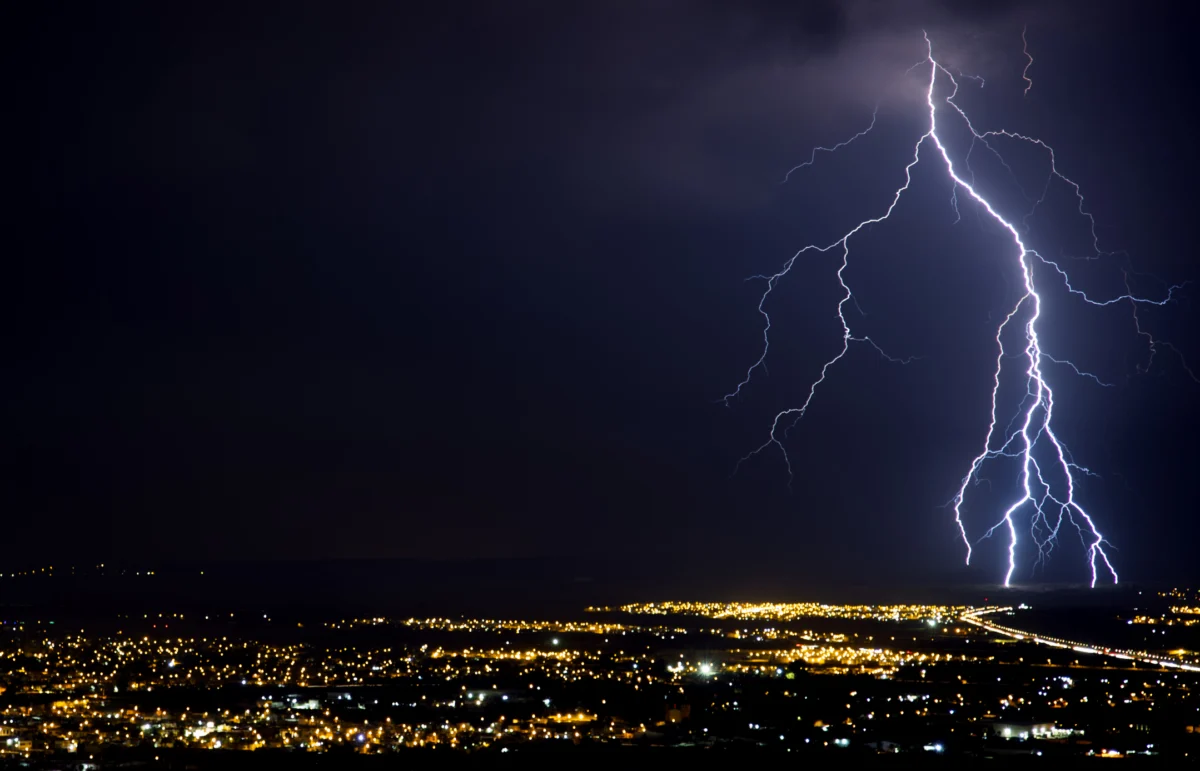
Because these devices rely on Ethernet cabling for both data transmission and power, that same cabling acts as a physical conduit for electrical surges. When lightning strikes a nearby structure, it creates an intense electromagnetic field. This phenomenon, known as inductive coupling, can force thousands of volts into sensitive communication lines.
For an ITS node, the consequences are binary: either the protection holds, or the equipment is rendered useless. A single surge can instantly "darken" a camera feed, disable a vehicle detection system, or take an entire signal cabinet offline. In an era where traffic management depends on real-time data to prevent congestion and clear paths for emergency medical services (EMS), the failure of a single node can ripple across an entire city’s infrastructure.

Chronology: The Evolution of Power and Risk
The history of ITS surge protection is one of a technological "arms race" between increasing power demands and environmental hazards.
- The Legacy Era (Pre-2010s): Early traffic monitoring relied on analog systems or low-power Ethernet (IEEE 802.3af), which provided a modest 15.4 watts. Surge protection was largely reactive, focusing on basic transient voltage suppression.
- The PoE+ Expansion: As high-definition video became the industry standard, PoE+ (IEEE 802.3at) emerged, pushing power limits to 30 watts. This necessitated more sophisticated protection capable of handling higher currents without interfering with the increased data throughput.
- The PoE++ Reality (Present Day): The current standard, PoE++ (IEEE 802.3bt), delivers 60 to 90 watts to accommodate power-hungry PTZ motors, internal heaters for weather-proofing, and complex LiDAR sensors. This represents a significant shift; the higher the power being delivered through the cable, the more "room" there is for a surge to find a path into the delicate internal circuitry of the device.
As the capability of these devices has grown, so too has their cost. Replacing a legacy sensor is a minor budgetary issue; replacing a network of high-resolution, AI-capable edge processors is a significant capital expense. This evolution has driven the industry toward the current gold standard: the rigorous, documented, and independent testing protocols pioneered by the Florida Department of Transportation (FDOT).
Supporting Data: The Case for Rigor
Florida is widely recognized as the lightning capital of the United States, recording approximately 3,000 cloud-to-ground strikes per day. This geographic reality has forced the Florida Department of Transportation to develop, refine, and enforce some of the most stringent surge protection standards in the world.
To be included on the FDOT’s Approved Product List (APL), equipment must survive a gauntlet of environmental stress tests. This is not merely a theoretical checklist; it involves independent laboratory and field testing that subjects components to:
- Repetitive Surge Testing: Ensuring the device doesn’t fail after the first or second strike, but maintains integrity over its operational lifespan.
- Environmental Extremes: Testing performance under high humidity, extreme heat, and severe vibration—conditions common on roadside infrastructure.
- Advanced Topology: Verification of Silicon Avalanche Suppressor Diode (SASD) and Gas Discharge Tube (GDT) technologies, which offer lower clamping voltages and faster response times than traditional metal-oxide varistors (MOVs).
The rigor of the FDOT APL has transcended regional borders. Transportation engineers across the United States now look to the APL as a "de facto" national benchmark. When a product is "FDOT-certified," it signals to contractors and public agencies that the equipment has been proven reliable under the most challenging conditions imaginable.

Official Perspectives: The Engineering Challenge
According to Dan Rebeck, Product Line Manager at Transtector, the integration of PoE++ into ITS networks is a double-edged sword. "While PoE++ enables advanced functionality like PTZ control and high-end video feeds, it also creates a wider window for surges to penetrate the system," Rebeck notes.
The industry is moving away from "black box" solutions toward highly engineered, hybrid-protected devices. Modern surge protectors, such as the Transtector ALPU-F140 and DPR-F140, utilize a combination of technologies to create a "coordinated" protection strategy. By integrating SASD and GDT technologies, these units can clamp surge energy at extremely low levels while maintaining the high-speed data integrity required for modern, bandwidth-heavy applications.
Furthermore, the emphasis has shifted toward "isolated shield and ground" topologies. By allowing installers to decide whether to bond the shield at the powered device (PD) or keep it isolated, engineers can mitigate electromagnetic interference (EMI) while simultaneously providing a dedicated path for transient overvoltages. This level of granular control is essential for preventing the "ground loops" that often plague complex, multi-device deployments.
Implications for Future Infrastructure
The implications for project managers and city planners are clear: the design phase must prioritize surge protection as a foundational layer of the network, not an afterthought.
The Cost of Inaction
The direct cost of a surge event is rarely limited to the price of the damaged hardware. The hidden costs—labor for emergency repairs, the rental of bucket trucks, the risk to personnel working on live roads in storm conditions, and the public safety consequences of a "blind" intersection—are exponential.

Strategic Sourcing
Engineers are increasingly specifying FDOT-approved equipment as a contractual requirement for public infrastructure projects. This "Buy America" and "Certified Performance" approach ensures that, regardless of the budget cycle, the underlying hardware is robust enough to survive the next lightning season.
Future-Proofing
As we move toward the next generation of transportation—including V2X (Vehicle-to-Everything) communication and smart-city integration—the dependence on edge devices will only increase. The lesson from current ITS deployments is that the infrastructure is only as smart as its weakest link. If a lightning strike can turn a "smart" intersection into a dark one, the system has failed.
By adopting high-capacity, certified surge protection that supports the latest PoE++ standards, the industry is successfully mitigating the risks posed by nature. The path forward involves continued reliance on rigorous testing, investment in hybrid-protection technologies, and a commitment to standardized safety protocols that ensure our roads remain functional, efficient, and, above all, safe, regardless of the weather.
As cities continue to scale their digital infrastructure, the lessons learned from the "lightning capital of the world" serve as a vital blueprint for building a resilient, intelligent future. Protecting the hardware isn’t just about preserving assets—it’s about protecting the lives that depend on the traffic systems those assets manage every single day.