LUXEMBOURG — For decades, the existential threats posed by a changing climate were framed primarily through the lens of environmental preservation—polar ice sheets, endangered ecosystems, and rising sea levels. But a stark new economic reality has taken root across the continent. Extreme weather and climate-related catastrophes cost the European Union an astronomical €822 billion between 1980 and 2024.
Even more alarming is the velocity of these losses: a full quarter of this total—over €200 billion—has accumulated in just the last five years.
As policymakers in Brussels, national capitals, and financial centers grapple with these figures, the traditional dichotomy between environmental stewardship and economic growth has collapsed. According to leading economic strategists, investing in climate resilience and pursuing industrial competitiveness are no longer parallel tracks; they are fundamentally one and the same. Climate risk has evolved into direct economic risk, making adaptation a cornerstone of Europe’s long-term security and sovereignty.
Main Facts
The intersection of ecological disaster and fiscal stability has become the defining economic challenge for the European Union in the mid-2020s.
- The Staggering Price Tag: Cumulative economic losses from extreme weather events across the EU reached €822 billion between 1980 and 2024.
- Accelerating Velocity: The pace of financial destruction has accelerated dramatically. Approximately 25% of the 44-year total economic damage occurred within the narrow window of 2019 to 2024.
- The Protection Gap: A significant portion of these losses remains uninsured, placing a heavy fiscal burden on national governments, taxpayers, and European disaster-relief funds.
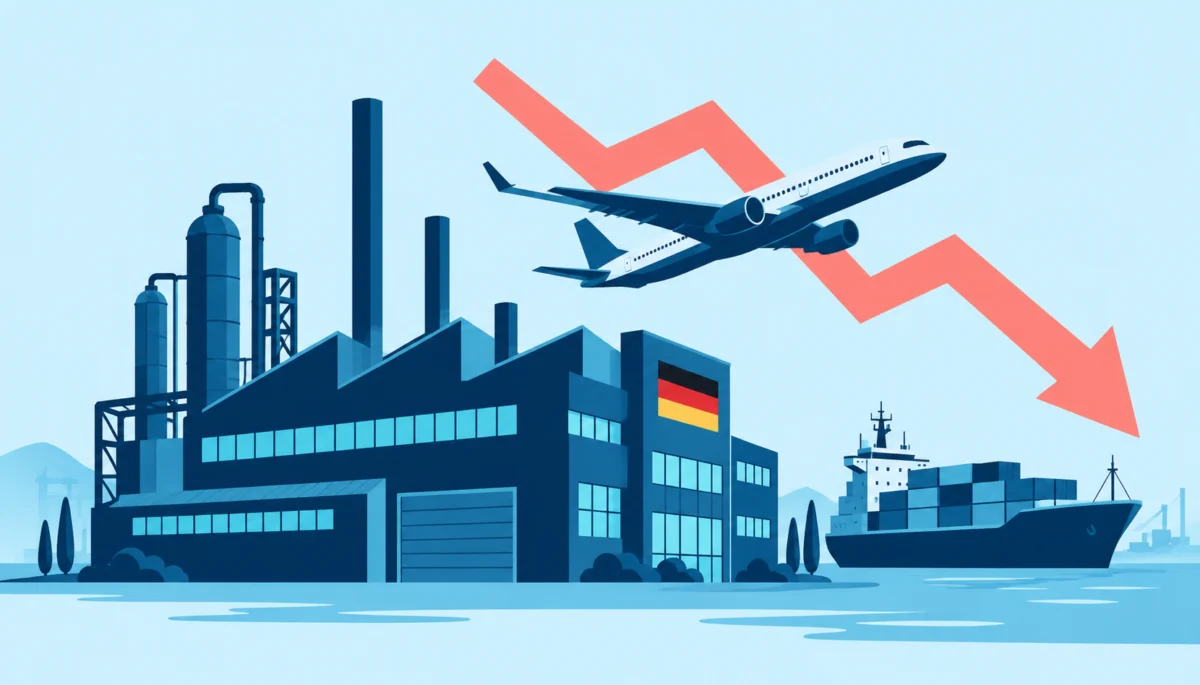
- Competitiveness Crisis: Supply chain disruptions, agricultural output volatility, and infrastructure damage driven by climate events are directly eroding the EU’s global market competitiveness.
- The Strategic Shift: European financial institutions and policymakers are officially redefining climate adaptation from an environmental expenditure into an essential component of macroeconomic risk management and industrial strategy.
Chronology of a Crisis: How Climate Became an Economic Emergency
To understand how climate change transitioned from a distant ecological concern into an immediate economic crisis, one must trace the escalating frequency and severity of weather anomalies across Europe over the past four decades.
The 1980s–1990s: The Era of Incipient Anomalies
During the final two decades of the 20th century, extreme weather events were largely viewed by economists as episodic anomalies. While major storms, floods, and agricultural droughts occurred, their systemic impact on the broader European macroeconomic framework was localized. Insurance markets easily absorbed the shocks, and public finances rarely required structural adjustments to deal with natural disasters. Total losses during this period accumulated at a relatively slow, predictable baseline.
The 2000s–2010s: The Escalation of Extremes
The turn of the millennium marked a turning point. Europe witnessed a series of unprecedented climate shocks that defied historical statistical models.
- The European heatwave of 2003 resulted in tens of thousands of deaths and crippled agricultural sectors across France, Italy, and Germany, costing billions in lost productivity.
- The winter storms of 1999 (Lothar and Martin) and subsequent severe flooding events along the Danube and Elbe rivers in 2002 and 2013 demonstrated that Europe’s core infrastructure—transport networks, energy grids, and urban flood defenses—was dangerously unequipped for intensified hydrological cycles.
2019–2024: The Acceleration Phase
The most recent five-year period represents an unprecedented intensification of climate-driven economic damage.
- 2021: Catastrophic flash floods devastated parts of Germany, Belgium, and the Netherlands, resulting in tens of billions of euros in damages and exposing critical vulnerabilities in regional infrastructure.
- 2022: A historic, continent-wide drought crippled inland waterways like the Rhine—halting commercial barge traffic and choking energy production in France and Germany as nuclear reactors lacked cooling water.
- 2023–2024: Relentless cycles of torrential downpours, unseasonal frosts, devastating wildfires in Southern Europe, and Mediterranean storms battered the agricultural, tourism, and manufacturing sectors.
In this five-year span, the accumulation of losses made it mathematically undeniable that historical risk models were obsolete.
Supporting Data and Statistical Breakdown
The quantitative dimensions of Europe’s climate vulnerability are laid bare by data compiled from environmental agencies, insurance associations, and economic research bodies.
The Financial Trajectory (1980–2024)
- Total Estimated Losses: €822 billion.
- Percentage in the Last 5 Years (2019–2024): ~25% (exceeding €200 billion in half a decade).
- Primary Drivers: Floods and heavy precipitation account for the largest share of overall economic damage, followed closely by prolonged droughts and heatwaves affecting agriculture, and windstorms (such as extratropical cyclones).
The Insurance Protection Gap
A critical vulnerability highlighted by economists is the "protection gap"—the delta between total economic losses and insured losses.
- Historically, only a fraction—often less than 35%—of weather-related disaster losses in Europe are insured.
- In regions prone to severe flooding or wildfires, insurance premiums are skyrocketing or coverage is becoming altogether unavailable. This leaves households, small businesses, and local governments increasingly exposed to bankruptcy or severe fiscal distress in the wake of a disaster.
Sectoral Vulnerability Index
- Agriculture and Forestry: Highly vulnerable to precipitation anomalies, soil degradation, and temperature spikes, leading to volatile crop yields and surging food prices.
- Infrastructure and Real Estate: Transport corridors (roads, rail, ports) and commercial real estate face structural degradation from rising sea levels, extreme heat warping materials, and severe flooding.
- Energy Sector: Hydropower generation is threatened by prolonged droughts; thermal and nuclear power plants face cooling restrictions during heatwaves; and transmission grids are vulnerable to severe windstorms.
- Manufacturing and Supply Chains: Factory shutdowns due to extreme weather or logistics bottlenecks along major transport arteries threaten just-in-time manufacturing models across the single market.
Official Responses and Policy Shifts
The realization that climate risk is, at its core, an economic vulnerability has forced a dramatic evolution in official European policymaking.
The Shift in Financial Governance
Central banks and financial regulators—most notably the European Central Bank (ECB) and the European Investment Bank (EIB)—have fundamentally altered their mandates to incorporate climate stress-testing. Commercial banks operating within the EU are increasingly required to evaluate and disclose climate-related financial risks in their loan portfolios. Assets tied to high-carbon or climate-vulnerable operations face stricter lending criteria, effectively using the financial system to price in ecological reality.
Institutional Investments in Resilience
In Luxembourg and Brussels, the debate has shifted from whether to fund adaptation to how quickly capital can be mobilized. European funding mechanisms, including post-pandemic recovery funds and cohesion policies, are increasingly earmarked for green infrastructure projects. These include:
- Upgrading urban drainage systems and constructing advanced sea-defense walls.
- Re-engineering electrical grids to withstand extreme temperature fluctuations.
- Implementing smart-irrigation and drought-resistant agricultural techniques across Southern and Central Europe.
The Competitiveness Argument
Proponents of aggressive climate action argue that Europe’s traditional industrial sectors cannot maintain global competitiveness if they are continually forced to pick up the pieces after climate disasters. By preemptively hardening infrastructure, modernizing supply chains, and fostering clean-tech industries, Europe aims to position itself as a global leader in climate-resilient technologies. In this view, regulations that mandate sustainable practices are not burdens on business, but shields protecting the continent’s economic future.
Implications for Europe’s Economic Future
The figures from the 1980–2024 period serve as a severe warning. Without a massive, coordinated acceleration in adaptation and mitigation strategies, the economic foundations of the European Union will face mounting instability.
1. Public Finances Under Strain
As the protection gap widens and uninsured losses mount, national governments will increasingly be forced to act as insurers of last resort. This dynamic threatens to strain national budgets, divert public funds away from education, healthcare, and innovation, and potentially violate EU fiscal rules regarding debt-to-GDP ratios.
2. Widening Regional Disparities
Climate vulnerability is not distributed evenly across the continent. Southern and Eastern European nations face severe threats from agricultural drought and wildfires, while coastal and low-lying Northern and Western regions face existential flood risks. Without robust cross-border financial solidarity and cohesion funding, climate impacts could exacerbate economic divergence between EU member states.
3. Geopolitical and Economic Security
In a fragmented global economy, economic security depends on supply chain resilience and internal stability. If climate shocks routinely disrupt European manufacturing, agriculture, and trade routes, the continent’s strategic autonomy will erode. Conversely, mastering the technologies of climate resilience—from advanced meteorology and early-warning systems to resilient materials and sustainable agriculture—could provide Europe with vital export industries for a warming world.
Conclusion
The €822 billion price tag accumulated over the past four decades is not merely a historical statistic; it is a baseline for the future. The message emanating from financial and policy centers is unequivocal: ignoring climate risk is no longer an option for a competitive economy. For Europe, investing in resilience is the ultimate investment in survival, sovereignty, and prosperity.