WASHINGTON, D.C. — As the United States accelerates its transition toward sustainable transportation, the future of the nation’s electric vehicle (EV) charging grid stands at a critical crossroads. Across the country, billions of dollars are actively transforming highways and local communities, bringing hundreds of new fast-charging stations online. Yet, even as tangible progress takes root from Texas to Hawaii, environmental advocates and industry stakeholders are sounding the alarm.
Led by the Sierra Club—America’s largest and most influential grassroots environmental organization—a coalition of clean energy advocates is urging Congress to prioritize the reauthorization and robust funding of the National Electric Vehicle Infrastructure (NEVI) program. With lawmakers currently gearing up to negotiate the next major federal transportation and infrastructure funding package, the outcome of these legislative debates will determine whether the U.S. can sustain its momentum or risk stalling out on the road to zero-emission mobility.
Main Facts: The Current State of NEVI and the EV Rollout
The National Electric Vehicle Infrastructure (NEVI) formula program, established under the landmark Infrastructure Investment and Jobs Act (IIJA), represents the single largest federal investment in EV charging infrastructure in U.S. history. Designed to build out a seamless, reliable, and equitable fast-charging network along designated Alternative Fuel Corridors and within local communities, NEVI has served as the financial backbone for state-level green transportation initiatives.
Despite facing bureaucratic and political hurdles—including a high-profile administrative freeze that was successfully overturned in federal court—the program is now delivering results on the ground:
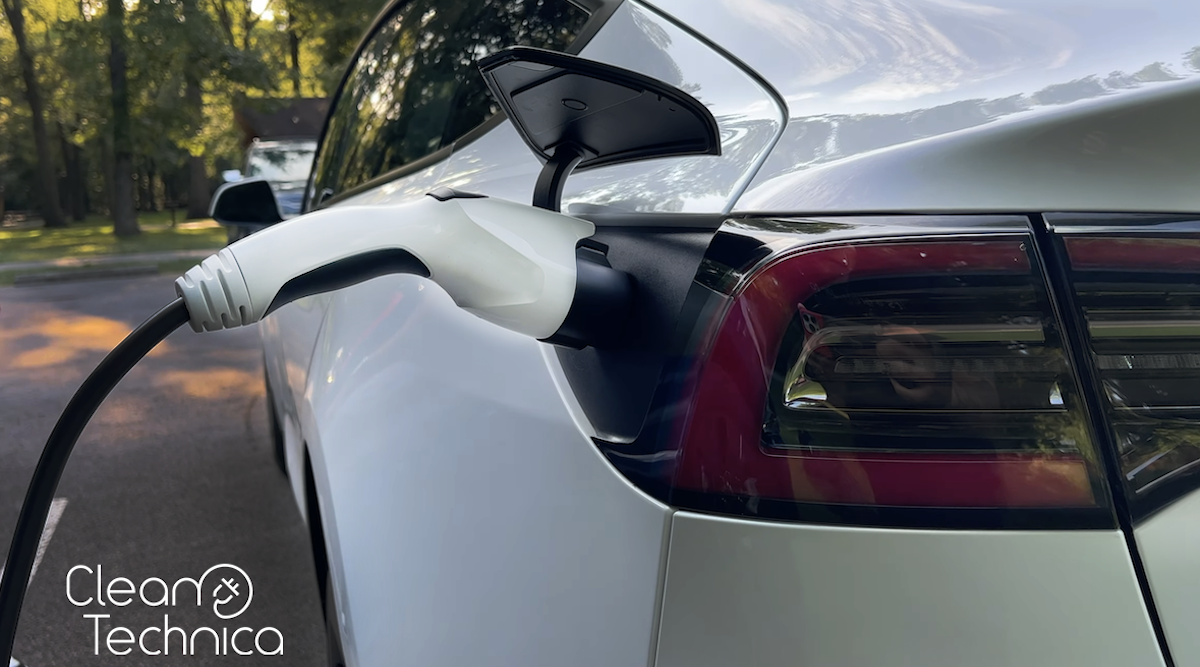
- Texas: Recently awarded an unprecedented $226 million to construct 321 new, high-speed charging stations, dramatically expanding access across major interstate corridors.
- Arizona: Officially opened its first three federally funded NEVI fast-charging stations, paving the way for dozens of additional sites currently slated for development across the state.
- Colorado: Deployed over $23 million in combined federal and state grants to strategically fill charging deserts, funding 270 new fast-chargers statewide.
- Hawaii: Witnessed commercial EV charging utilization double in the first half of the year alone, with a substantial portion of the new infrastructure directly supported by NEVI deployments.
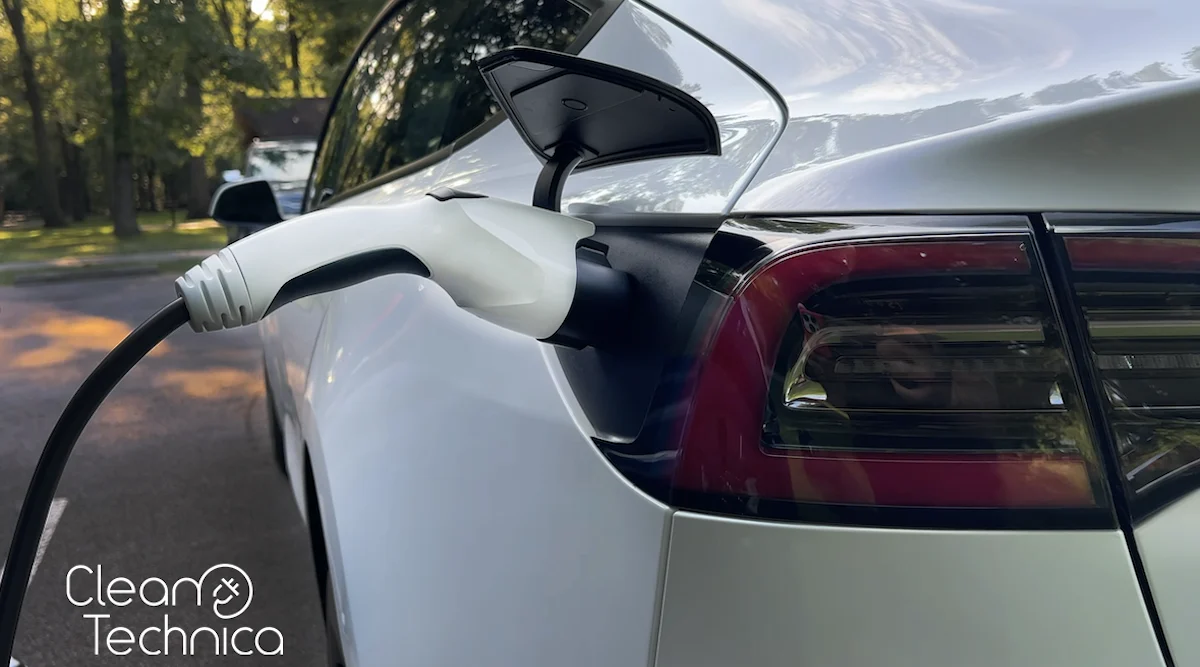
These deployments are more than just numbers on a spreadsheet; they represent the physical manifestation of a nationwide shift. By alleviating "range anxiety"—the fear that an EV will run out of power before reaching a charger—these stations are lowering the barrier to entry for everyday drivers looking to escape volatile, record-high fossil fuel prices.
Chronology: From Legislative Genesis to Legal Battles and Recent Expansion
To understand the urgency behind the Sierra Club’s current lobbying efforts, it is necessary to examine the timeline of how the NEVI program came to be, the obstacles it has overcome, and its rapid acceleration through 2026.
2021–2022: Laying the Foundation
- November 2021: President Joe Biden signs the Infrastructure Investment and Jobs Act (IIJA) into law, authorizing billions of dollars for clean energy, public transit, and specifically the creation of the NEVI formula program over a five-year period.
- 2022: State departments of transportation across the country begin drafting and submitting their mandated EV Infrastructure Deployment Plans to the Federal Highway Administration (FHWA) to unlock their respective allocations of federal funds.
2024–2025: Political Friction and Legal Resistance
- Early Administration Shift: Following changes in federal leadership, an unlawful freeze is placed on the distribution and implementation of NEVI funds, halting momentum and creating uncertainty for state planners and private sector developers alike.
- Late 2025 / Early 2026: Recognizing the economic and environmental threats posed by the freeze, the Sierra Club, alongside a coalition of partner states and environmental organizations, files a series of lawsuits to challenge the administrative block.
- January 2026: A federal judge rules in favor of the coalition, lifting the unlawful freeze and protecting billions of dollars designated for reliable EV charging, cleaner air, and lower emissions.
2026: A Surge in Ground-Level Progress
- Spring to Summer 2026: With funds unfrozen, states rush to disburse grants. Texas, Arizona, and Colorado announce major funding awards and ribbon-cutting ceremonies for operational stations.
- Fall 2026: As lawmakers begin preliminary discussions regarding the upcoming reauthorization of the nation’s transportation funding bills, advocacy groups launch coordinated campaigns to ensure long-term federal commitment to the NEVI program beyond its initial authorization window.
Supporting Data: Economic and Environmental Metrics
The push for continued federal investment is backed by a mounting body of data demonstrating the dual economic and environmental benefits of an expanded charging network.
- Consumer Savings: According to energy market analysts, driving an EV powered by domestic electricity is significantly cheaper on a per-mile basis than fueling an internal combustion engine vehicle with gasoline. As global oil markets experience frequent price spikes, localized electric grids provide consumers with predictable and often lower fueling costs.
- Infrastructure Scaling: Data from the U.S. Department of Energy indicates that public and private charging installations have grown exponentially since 2021. However, rural and underserved urban communities continue to lag behind major metropolitan areas. NEVI’s funding mandate specifically targets these gaps by requiring stations to be placed at regular intervals along major highways and within disadvantaged communities.
- Emissions Reductions: The transportation sector remains the single largest source of greenhouse gas emissions in the United States. Accelerating the transition to zero-emission vehicles via reliable charging infrastructure directly supports federal and state carbon-reduction targets, helping to curb smog-forming pollutants and protect public health.
Official Responses: Voices from the Frontlines of Clean Transportation
The momentum behind the NEVI program has drawn enthusiastic support from environmental leaders, state officials, and industry stakeholders who recognize that federal partnership is vital for success.

Katherine García, Clean Transportation for All Director at the Sierra Club, issued a passionate call to action regarding the upcoming legislative negotiations:
"Building out and expanding the EV charging network is essential for giving drivers the confidence to switch to EVs powered by cheap electricity. Thanks to NEVI, drivers across the country are able to charge their cars and avoid record-high gas prices. As lawmakers begin negotiating the next extension of the Infrastructure Investment and Jobs Act, Congress must reauthorize and fund the NEVI program to ensure states can continue to expand a convenient charging network."
State transportation officials have echoed these sentiments, noting that federal cost-sharing has allowed local governments to partner with private utilities and charging network operators in ways that would otherwise be financially impossible. In states like Arizona and Colorado, transportation boards have emphasized that federal grants act as a crucial catalyst, unlocking private capital investments that turn ambitious climate blueprints into functioning, high-speed hardware on the asphalt.
Implications: What is at Stake for the Future of American Mobility?
As Congress prepares to debate the next comprehensive transportation funding package, the decisions made on Capitol Hill will cast a long shadow over the American automotive landscape. The implications of reauthorizing—or failing to reauthorize—the NEVI program extend far beyond environmental circles, touching upon economic competitiveness, job creation, and energy security.

1. Market Confidence and Consumer Adoption
For the average consumer considering their next vehicle purchase, the availability of convenient charging is often the decisive factor. While early adopters could manage home-charging setups or navigate sparse public networks, mainstream adoption requires a charging experience that rivals the convenience of traditional gas stations. A lapse in federal funding could slow station deployment precisely when consumer interest in EVs is reaching a tipping point, dampening market growth.
2. Global Competitiveness in Clean Tech
The transition to electric mobility is a global race. Automakers and technology firms worldwide are pouring billions of dollars into vehicle electrification and battery manufacturing. A robust domestic charging infrastructure signals to global markets that the United States is fully committed to a zero-emission future, helping to anchor clean-tech manufacturing, supply chains, and high-paying green jobs within American borders.
3. Equity and Access in Underserved Communities
One of the core tenets of the NEVI program is ensuring that the benefits of the clean energy transition are distributed equitably. Without federal guidance and funding mandates, private charging operators naturally gravitate toward high-income, high-traffic urban corridors, leaving rural areas, low-income neighborhoods, and minority communities behind. Reauthorizing NEVI ensures that the buildout remains comprehensive, leaving no geographic region stranded in the transition away from fossil fuels.
Looking Ahead
The path forward is clear, yet challenging. The legal victories of early 2026 proved that the political will for clean transportation is resilient, but the hard work of building a permanent, nationwide network is far from complete. As advocacy groups like the Sierra Club mobilize their grassroots networks to lobby lawmakers in Washington, the upcoming congressional funding negotiations will serve as the ultimate test of America’s long-term commitment to a cleaner, cheaper, and more reliable transportation future.