




In a significant advancement for Australia’s energy transition, developer Akaysha Energy has received federal environmental clearance for its ambitious 400MW/1,600MWh Glenrowan battery energy storage system (BESS). The project, located near Winton in Victoria, has been officially classified as "not a controlled action" under the Environment Protection and Biodiversity Conservation (EPBC) Act. This regulatory milestone effectively clears the path for the BlackRock-backed developer to proceed with construction without the requirement for further federal environmental assessments.
The approval represents a strategic win for both the developer and the Australian National Electricity Market (NEM), as the nation accelerates its transition away from coal-fired generation toward a decentralized, renewables-heavy grid.
Main Facts: A Blueprint for Grid Stability
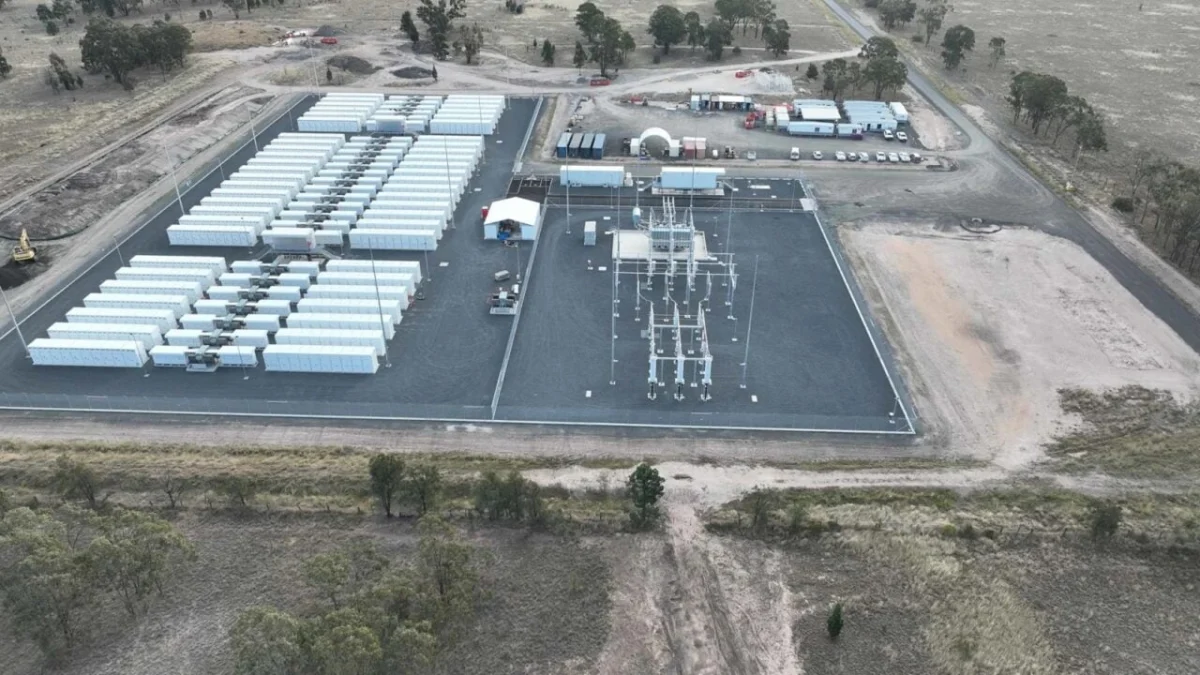
The Glenrowan BESS is designed to function as a 4-hour-duration grid-scale storage facility. Situated on a 62.11-hectare site, the project is characterized by a minimal physical footprint, with the actual battery infrastructure occupying just 8.17 hectares. By concentrating the technology within this compact area, Akaysha Energy has successfully navigated environmental concerns, ensuring that the facility integrates into the local landscape with negligible ecological disruption.
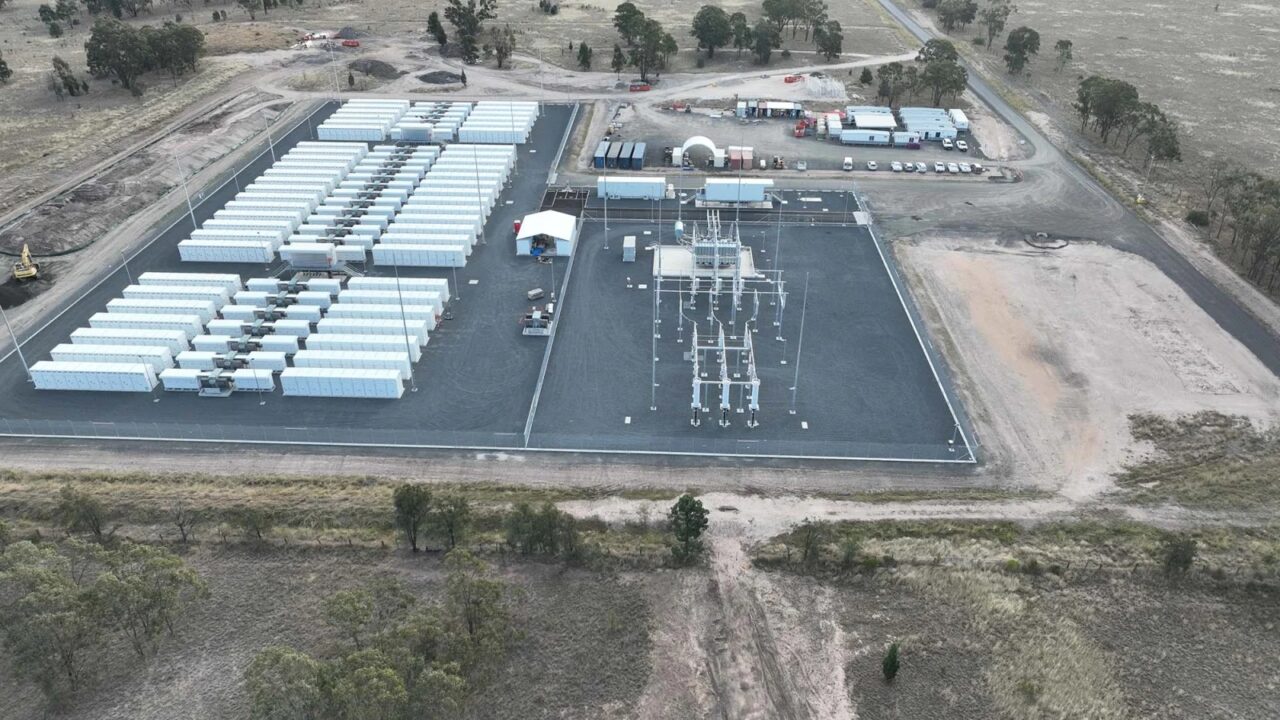
The facility’s primary role is to provide essential grid services to the NEM, which serves Australia’s eastern and southern states. By offering high-capacity energy storage, the project will assist in balancing the variability of wind and solar power, providing stability during periods of peak demand and preventing the types of supply shocks that have historically challenged the grid.
Chronology of Development
The trajectory of the Glenrowan project has been characterized by systematic regulatory engagement and strategic site selection:
- February 2025: Akaysha Energy submitted its proposal to the federal government under the EPBC Act. The submission outlined a detailed ecological impact study, emphasizing that the project would be built on previously cleared agricultural land.
- Mid-2025: The project was integrated into Victoria’s Development Facilitation Program (DFP). This program is a cornerstone of the state’s strategy to fast-track 700MW of battery storage capacity, providing a streamlined planning pathway for projects deemed critical to regional energy security.
- Late 2025: The Australian government issued its formal decision, confirming the "not a controlled action" status.
- 2027 (Projected): Construction is slated to commence, with the project expected to have an operational lifespan of 30 years before a comprehensive decommissioning and land restoration plan is enacted.
Environmental Integrity and Technical Implementation
A critical factor in the federal government’s decision was the low ecological impact of the site design. Akaysha Energy’s environmental assessment revealed that out of 185 native trees surveyed on the property, only five would require removal. This minimal impact was achieved through careful site planning and the use of existing cleared agricultural land.
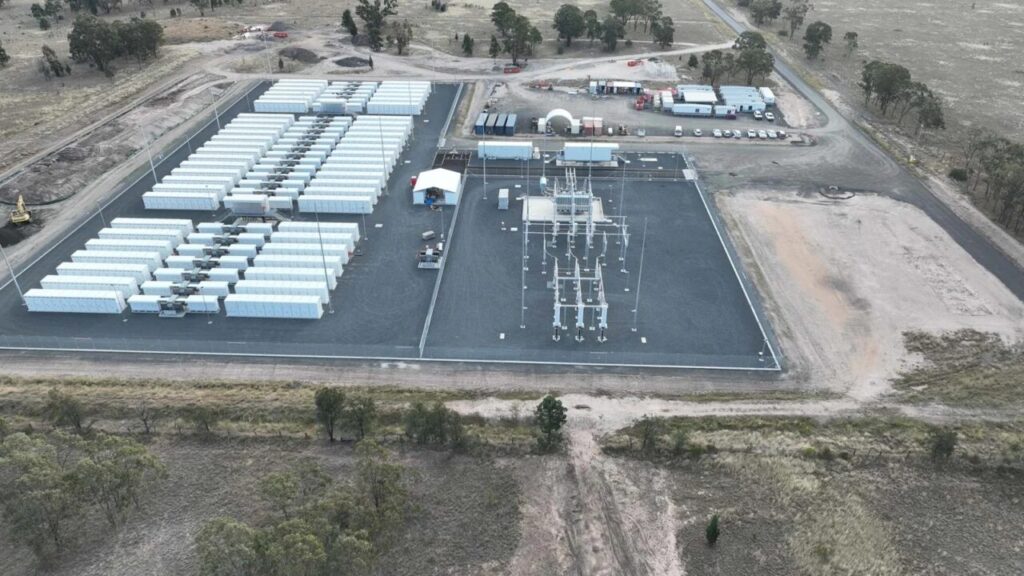
From a technical standpoint, the project utilizes underground 220kV transmission cabling to connect the BESS to the adjacent Glenrowan Terminal Station. To protect local flora and fauna, the developer has committed to using horizontal directional drilling for these connections, thereby avoiding any surface vegetation clearance.
Akaysha Energy: A Growing Global Footprint
The Glenrowan approval is the latest in a series of major successes for Akaysha Energy, which has firmly established itself as a titan in the global utility-scale storage sector. The company’s portfolio is perhaps best known for the 850MW/1,680MWh Waratah Super Battery in New South Wales.
The Waratah Lessons
While the Waratah Super Battery is widely celebrated as a "giant shock absorber for the grid," it has not been without its challenges. The project faced significant public and technical scrutiny following a catastrophic transformer failure in late 2024. The subsequent shutdown—necessary for critical repairs and the replacement of damaged equipment—provided the industry with valuable data regarding the complexities of operating record-scale, grid-forming battery infrastructure.

Akaysha has since applied these lessons to its broader project pipeline, including Glenrowan, ensuring that rigorous maintenance and redundancy protocols are baked into the design phase. The Waratah facility, which operates under a System Integrity Protection Scheme (SIPS) contract, remains a cornerstone of New South Wales’ grid security and is now moving toward full, uninterrupted commissioning.
Global Expansion
Beyond the Australian borders, Akaysha Energy is actively expanding its influence. In September 2025, the company secured a substantial AU$300 million corporate debt facility, signaling strong confidence from the financial sector in the company’s international ambitions. The firm is now developing projects in the United States, Japan, and Germany, leveraging its expertise in grid-forming technology to penetrate these high-growth markets.
Domestically, the company continues to demonstrate its speed-to-market, recently switching on a 410MWh grid-forming BESS five months ahead of schedule and entering a 300MWh facility into NEM trading in Queensland. With 1.4GWh currently operational in Australia, 4.5GWh under construction, and a staggering 30GWh in development globally, Akaysha is arguably the most influential developer in the current storage cycle.
Implications for the Australian Energy Market
The approval of the Glenrowan BESS arrives at a critical juncture for the Australian energy landscape. As the country aims for an ambitious 82% renewable energy target by 2030, the reliance on coal-fired power plants is set to dwindle, necessitating a rapid build-out of "firming" capacity—assets that can store excess solar and wind energy and release it when the sun isn’t shining or the wind isn’t blowing.
Strengthening the NEM
The NEM requires significant investment in long-duration storage to replace the base-load characteristics of retiring coal stations. Projects like Glenrowan, with their 4-hour duration capabilities, provide the necessary flexibility to manage the "duck curve"—a phenomenon where solar output drops off in the evening just as household demand spikes. By acting as a massive buffer, these batteries prevent the need for expensive, high-carbon "peaking" power plants.
A Model for Streamlined Approvals
The inclusion of the Glenrowan project in Victoria’s Development Facilitation Program is being watched closely by other states. If Australia is to meet its climate commitments, the bureaucratic lag between project inception and construction must be addressed. The Glenrowan outcome serves as a successful pilot for how state-level development programs can work in tandem with federal environmental standards to expedite critical infrastructure without sacrificing environmental oversight.
Future Outlook: The Road Ahead
As construction approaches for 2027, the focus for Akaysha Energy will shift toward procurement and supply chain management. Given the global competition for lithium-ion battery cells and power conversion hardware, the project will require precise logistics to remain on schedule.
Furthermore, the lifecycle of the Glenrowan BESS—a 30-year operational horizon—underscores the long-term vision of the current energy transition. The company’s commitment to site restoration after the project’s end-of-life reflects a growing industry trend toward "cradle-to-grave" environmental accountability, ensuring that the land utilized today for green energy will remain usable for agriculture or other purposes in the future.
Challenges to Monitor
Despite the optimism surrounding the Glenrowan project, the broader Australian storage sector faces headwinds. Recent news of the Australian government cutting AU$1.3 billion from clean energy manufacturing and support programs—including the Battery Breakthrough Initiative—has introduced a degree of uncertainty regarding the level of future public subsidies for storage projects. Developers like Akaysha will increasingly need to rely on merchant revenue models, frequency control ancillary services (FCAS), and private financing, rather than relying on the hope of government grants.
However, with its strong backing from BlackRock and a proven track record of delivering complex infrastructure ahead of schedule, Akaysha Energy appears well-positioned to weather these fiscal shifts. The Glenrowan BESS stands as a testament to the fact that, regardless of short-term budget fluctuations, the commercial and technical imperative for large-scale energy storage in Australia is now undeniable.
As the industry prepares for the upcoming Energy Storage Summit Australia, the success of the Glenrowan approval will undoubtedly be a central theme, providing a blueprint for developers, investors, and policymakers alike on how to navigate the complex, high-stakes, and rapidly evolving world of grid-scale energy storage.