In an era where the “Industrial Internet of Things” (IIoT) has transformed factory floors into highly connected digital ecosystems, the convergence of operational technology (OT) and information technology (IT) has created a significant new frontier for cyber risk. As manufacturing processes become increasingly reliant on data-driven decision-making and networked robotic systems, the security of the controller becomes the security of the entire production line.
KUKA Robotics, a global titan in the automation sector, has officially addressed this critical challenge by becoming the first robotics manufacturer to achieve Security Level 2 (SL2) certification under the IEC 62443-4-2 standard. This landmark certification applies to its cutting-edge iiQKA.OS2 operating system and the KR C5-2 controller platform, marking a definitive shift in how the robotics industry approaches cyber-resilience.
Main Facts: A New Gold Standard for Industrial Cybersecurity
The achievement represents more than just a technical milestone; it is a fundamental shift in the risk-management strategy for modern manufacturing. The IEC 62443 standard is the internationally recognized benchmark for the security of Industrial Automation and Control Systems (IACS). By attaining SL2 certification for its core software and hardware platforms, KUKA has provided a hardened foundation for automated production.
The Core Components
- iiQKA.OS2 Operating System: Designed to balance high-performance robot kinematics with rigorous security architecture, this OS serves as the intelligence layer for KUKA’s latest generation of robots. It integrates advanced authentication, encryption, and secure communication protocols that meet the stringent requirements of modern digital factories.
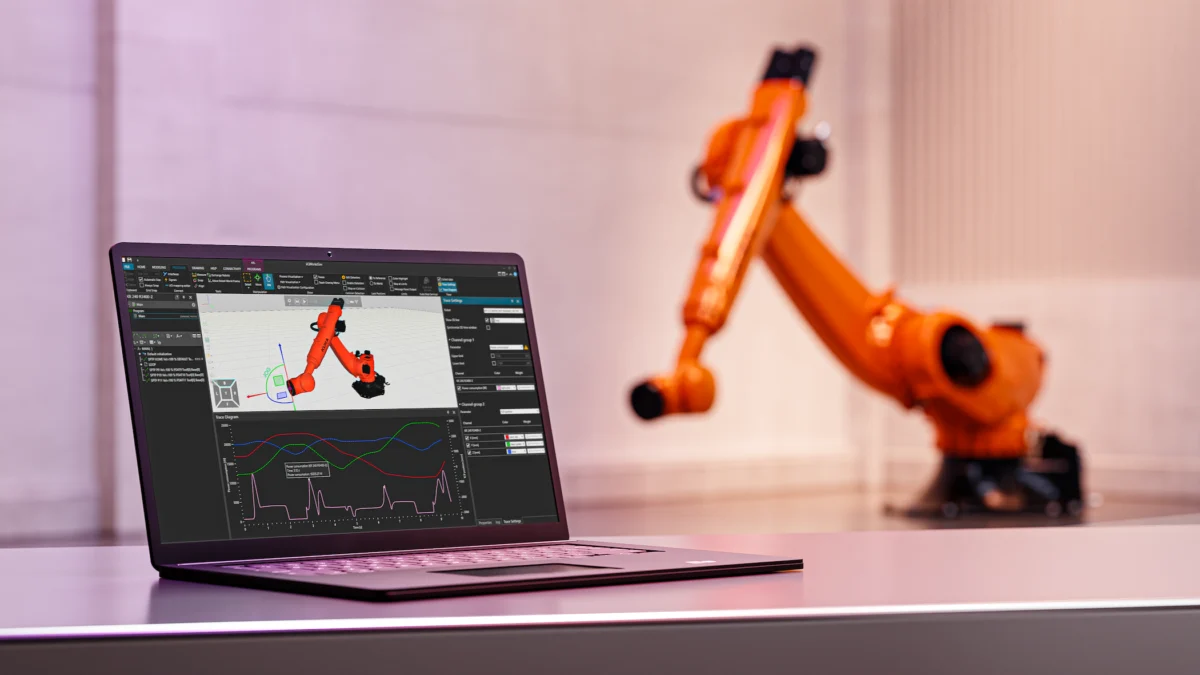
- KR C5-2 Controller Platform: As the physical bridge between the digital instructions and mechanical execution, the KR C5-2 controller is the nerve center of the robot. The SL2 certification confirms that the hardware is built to resist sophisticated cyber threats while maintaining the high reliability and scalability required for 24/7 manufacturing operations.
This certification effectively validates that KUKA’s systems are equipped to defend against intentional, malicious attacks from entities with limited resources and moderate technical expertise—a significant step up from the base-level security features historically found in industrial robotics.
Chronology: The Road to Hardened Automation
The journey to this certification was not an overnight development but the result of a long-term strategic pivot within KUKA’s engineering division.

- Phase 1: Recognizing the Vulnerability Gap (2021–2022): As Industry 4.0 initiatives accelerated globally, KUKA identified that while industrial robots were becoming more intelligent and connected, the threat landscape was growing exponentially. The company began aligning its research and development roadmap with the IEC 62443 framework.
- Phase 2: Designing for Security by Default (2023): KUKA shifted its development philosophy from “securing after the fact” to “security by design.” This involved re-engineering the kernel of the iiQKA.OS2 and the security architecture of the KR C5-2 to ensure that data integrity, confidentiality, and system availability were baked into the source code and hardware schematics.
- Phase 3: The Certification Process (2024–2026): Rigorous third-party testing was initiated to evaluate the systems against the IEC 62443-4-2 criteria. This involved simulated penetration testing, vulnerability assessments, and an audit of the entire software development lifecycle (SDLC) to ensure that the security measures were robust and sustainable.
- Phase 4: Global Verification (Late 2026): The official attainment of the Security Level 2 certification solidified KUKA’s position as a market leader, providing a roadmap for other robotics manufacturers to follow in an increasingly hostile cyber environment.
Supporting Data: Why IEC 62443 Matters
The International Electrotechnical Commission (IEC) standard 62443 is the “gold standard” for the cybersecurity of industrial control systems. Unlike general IT security standards, which focus on data privacy, the IEC 62443-4-2 is specifically tailored for the technical requirements of industrial components.
Understanding Security Levels
- Security Level 1 (SL1): Protects against casual or coincidental violations.
- Security Level 2 (SL2): Protects against intentional violations using simple means with low resources, generic skills, and low motivation. This is the level KUKA has achieved.
- Security Level 3 (SL3): Protects against intentional violations using sophisticated means with moderate resources, IACS-specific skills, and moderate motivation.
- Security Level 4 (SL4): Protects against intentional violations using sophisticated means with extended resources, IACS-specific skills, and high motivation.
By achieving SL2, KUKA ensures that its controllers are no longer the "weak link" in a factory’s network. In a modern automotive plant, for example, where a single robotic workcell failure can halt an entire production line costing thousands of dollars per minute, the peace of mind provided by SL2 compliance is a critical competitive advantage.
Official Responses: The Strategic Vision
The leadership at KUKA views this milestone as a response to the changing expectations of their industrial clientele. Ed Volcic, Regional Technology Officer for North America at KUKA Robotics Corporation, underscored the necessity of this advancement.
“Cybersecurity has become a fundamental requirement for modern manufacturing,” Volcic stated. “With Security Level 2 certification, we now provide customers with automation solutions that not only deliver productivity and performance but also help protect their operations against evolving cyber threats as well.”
This sentiment reflects a broader industry trend where the "C-suite" is increasingly involved in industrial cybersecurity. No longer is the security of a robot just an IT issue; it is a business continuity issue. KUKA’s proactive stance allows their clients to integrate high-speed, high-precision automation into their networks without the paralyzing fear of a network-wide cyber breach.

Implications: A New Era for Connected Manufacturing
The certification has far-reaching implications for various industrial sectors.
Impact on Automotive and Aerospace
In industries characterized by high-complexity assembly and high-value components, security is paramount. The ability to deploy robots that are certified to resist tampering and unauthorized access allows these sectors to move toward "lights-out" manufacturing with greater confidence.
The Future of Smart Factories
As artificial intelligence (AI) and machine learning (ML) continue to be integrated into robot controllers, the attack surface grows. KUKA’s commitment to the IEC 62443 standard sets a precedent: if the operating system and the controller are secured at the hardware level, the AI applications running on top of them can operate in a protected environment. This is the prerequisite for the next generation of autonomous mobile robots (AMRs) and fully networked, cloud-integrated production lines.
Strengthening the Supply Chain
Manufacturing is a web of interconnected entities. A vulnerability in one supplier’s factory can lead to a supply chain disruption for the entire OEM (Original Equipment Manufacturer). By providing a certified, secure foundation, KUKA is effectively strengthening the security posture of the entire manufacturing value chain.
Conclusion: Setting the Pace for Industry 4.0
KUKA’s achievement of the IEC 62443-4-2 Security Level 2 certification is a clarion call to the automation industry. It signals that the days of "security through obscurity" are over. As manufacturing environments become more integrated with global networks, the responsibility for securing these assets must be shared by the OEMs.

For manufacturers, the decision to invest in certified hardware like the KR C5-2 controller and the iiQKA.OS2 platform is no longer just a technical choice—it is a strategic investment in resilience. As KUKA continues to evolve its digital services and cloud-based offerings, this certification provides the security foundation necessary to keep the global manufacturing engine running, protected, and future-ready.
About KUKA
KUKA is a global automation powerhouse, headquartered in Augsburg, Germany. With a workforce of approximately 15,000 and annual sales in the region of EUR 3.7 billion, the company remains at the forefront of intelligent, resource-saving automation. From automotive assembly lines focusing on e-mobility and battery production to the electronics, metalworking, and consumer goods sectors, KUKA’s footprint is global. Through its comprehensive portfolio of industrial robots, autonomous mobile robots (AMRs), software, and cloud services, KUKA continues to define the future of the factory floor.
For more information on KUKA’s cybersecurity initiatives and to explore their range of certified automation solutions, visit kuka.com.