In an era defined by hyper-specialization, where engineers often spend decades refining a single niche within a massive corporate ecosystem, few figures bridge the gap between heavy technical execution and creative media quite like Cabe Atwell. Operating at the vibrant intersection of electrical engineering, hands-on machining, technical writing, and digital illustration, Atwell has carved out a unique space for himself as a Technology Editor for Electronic Design and Machine Design.
With a career spanning a quarter-century, Atwell represents a dying breed of modern polymaths: a practicing engineer who designs complex circuits by day, machines physical prototypes in his shop, and translates those intricate technical concepts into engaging articles, books, and even web-based cartoons by night. This profile explores the trajectory of a modern engineering Renaissance man, examining his professional evolution, his contributions to the maker and industrial communities, his literary works, and the broader implications of his multi-hyphenate career on technical journalism and education.
Main Facts: The Anatomy of a Modern Technical Polymath
At the core of Atwell’s professional identity is a rare fusion of theoretical electrical engineering and practical craftsmanship. Unlike many contemporary technical journalists who transitioned directly from journalism schools into trade publications, Atwell’s foundation is firmly rooted in the hardware trenches.
- Current Roles: Technology Editor for Electronic Design and Machine Design, where he also hosts industry webinars and pens regular commentary.
- Core Disciplines: Electrical Engineering, CNC Machining, Technical Illustration/Cartoons, Hardware Prototyping, and Digital Content Creation.
- Industry Experience: Over 25 years as an electrical engineer, design consultant, and author.
- Entrepreneurial Ventures: Founder of Gunhead, an engineering and design outfit.
- Literary Footprint: Author of multiple technical texts, most notably Essential 555 IC: Design, Configure, and Create Clever Circuits (Pragmatic Bookshelf).
- Media Presence: Prolific contributor across premier technical platforms including Electronic Design, Machine Design, EETimes, EDN, element14, SolidSmack, and Make: Magazine.
Atwell’s ability to move fluidly between deep, industrial-grade semiconductor analysis (EDN, EETimes) and accessible, whimsical maker-culture projects (Make:, element14) highlights a versatility that is increasingly rare in the engineering sector.
Chronology: A 25-Year Trajectory in Engineering and Media
To understand how Atwell arrived at his current vantage point as a leading voice in design media, one must trace a timeline defined by continuous adaptation, hands-on creation, and digital publishing.
Early Foundations and Formal Education
Atwell’s journey began with formal training in electrical engineering. Graduating with a degree in EE, he immediately entered an industry undergoing a massive digital transformation. Rather than limiting himself to traditional desk-bound schematic entry, Atwell embraced the physical side of creation. He cultivated skills as a machinist, learning how to bridge the gap between abstract circuit board layouts and physical enclosures.
The Rise of the Maker and Industrial Media (2000s–2010s)
As the internet matured, technical publishing began shifting away purely from print-based trade journals toward dynamic digital communities. Atwell recognized this paradigm shift early.
- Industrial Depth: He established himself as a credible authority through rigorous, peer-level writing for foundational industry publications like EDN and EETimes, focusing on hardware design, embedded systems, and components.
- The Maker Explosion: Concurrently, the global "Maker Movement" took off in the late 2000s. Atwell’s eclectic mix of engineering know-how and playful creativity made him a natural fit for outlets like Make: Magazine, where he penned offbeat, imaginative hardware projects. He also expanded his reach through prominent online platforms such as element14 and SolidSmack, building communities of DIY builders, industrial designers, and professional engineers alike.
Publishing and Editorial Leadership (2020s–Present)
In recent years, Atwell consolidated his multi-decade expertise into authoritative instructional texts. In 2021, he published Essential 555 IC: Design, Configure, and Create Clever Circuits, a modern, definitive guide to one of the most ubiquitous integrated circuits in history.
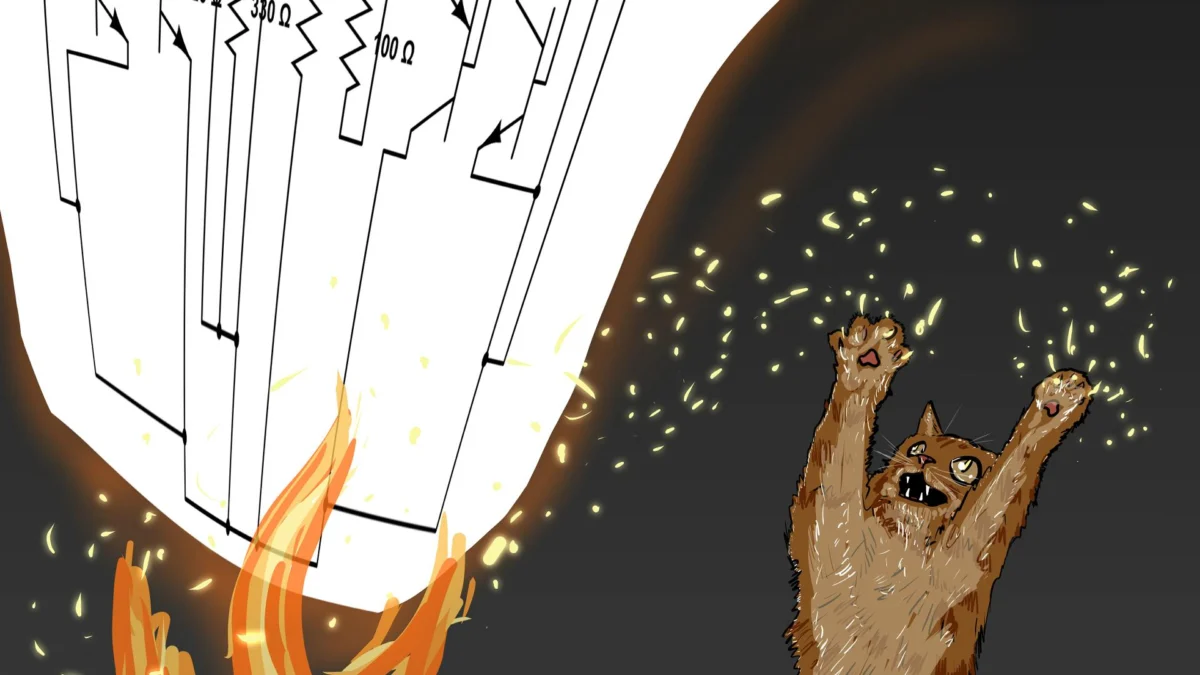
Today, as a Technology Editor for Electronic Design and Machine Design, Atwell sets editorial agendas, hosts webinars that educate thousands of working engineers, and authors popular recurring columns such as the Engineering Life and Engineering on Friday blogs. Notably, he also injects humor into the often-dry engineering world through his custom comic strips and cartoons, providing a satirical mirror for the trials and tribulations of the modern hardware developer.
Supporting Data: Publications, Outreach, and Literary Contributions
Atwell’s footprint in the technical media landscape can be quantified by the breadth of his output across diverse verticals. His work generally splits into three distinct categories: Industrial Engineering, Maker/DIY Media, and Satirical/Creative Content.
1. Industrial and Professional Engineering Publications
- Electronic Design & Machine Design: As home base for his current editorial work, Atwell covers cutting-edge components, automotive electronics, IoT devices, and industrial automation. His recurring column, Engineering on Friday, serves as a weekly touchstone for industry professionals.
- EETimes & EDN: Historically serving the design engineering elite, Atwell’s contributions to these outlets lean heavily into complex semiconductor logic, power management, and microcontroller architectures.
2. Community and Prototyping Platforms
- element14 & SolidSmack: Here, Atwell targets the intersection of CAD, rapid prototyping, and community-driven electronics. His projects showcase how to take an idea from a SolidWorks model to a populated PCB.
- Make: Magazine: Representing the playful side of engineering, Atwell’s articles for Make explore unconventional uses of everyday tech, robotics, and retro-modern hardware hacks.
3. Literary Achievement: Essential 555 IC
Atwell’s book represents a masterclass in demystifying foundational electronics. The 555 timer IC, introduced by Signetics in 1971, remains a staple of electronics education. However, Atwell’s book moves beyond basic astable and monostable multivibrator configurations, providing contemporary engineers and hobbyists with advanced insights into configuring the chip for modern, clever circuit designs. It bridges the gap between academic theory and workbench practicality, a hallmark of Atwell’s teaching philosophy.
Official Perspectives and Industry Reception
While Atwell is primarily a creator and journalist rather than a corporate executive, his work is consistently validated by the institutions, communities, and readers he serves.
Industry peers frequently cite Atwell’s unique ability to distill complex, highly technical datasheets into digestible, actionable insights. In a profession notorious for dense, jargon-heavy vendor documentation, Atwell acts as a crucial translator.
The Philosophy of "Engineering Life"
Through his Engineering Life and Engineering on Friday blogs, Atwell frequently addresses the cultural and psychological realities of being a working engineer. Rather than focusing solely on silicon and solder, his essays explore project management, burnout, the joys of successful debugging, and the sheer absurdity of corporate engineering hurdles.
In his cartoons and comic strips hosted on Electronic Design, Atwell captures the ubiquitous workplace pain points familiar to every hardware designer:
- The eternal struggle between marketing departments demanding impossible form factors and engineering teams constrained by thermodynamics.
- The quiet horror of letting out the "magic smoke" from a prototype board during late-night testing.
- The comedic nuances of supply chain shortages and obsolete components.
By humanizing the engineering profession through humor, Atwell has fostered a deeply loyal readership that views him not just as an editor, but as a peer sitting right at the next workbench over.
Implications: What Atwell’s Career Means for the Future of Engineering
The trajectory of Cabe Atwell’s career offers profound implications for the future of technical journalism, engineering education, and the ongoing evolution of the "maker" ethos within professional spaces.
1. The Death of the Purely Theoretical Journalist
As technology accelerates—spanning artificial intelligence, edge computing, advanced materials, and heterogeneous integration—audiences have less patience for tech journalists who merely regurgitate press releases. Atwell’s career proves that modern technical media demands practitioners. Readers want to know that the person reviewing a microcontroller development board or writing about power supply topologies has actually burned their fingers on a soldering iron and spent hours wrestling with an oscilloscope trigger.
2. The Power of Multidisciplinary Fluency
Modern engineering challenges are rarely confined to a single discipline. An electrical engineer designing an IoT sensor node today must also understand mechanical enclosure constraints (thermal dissipation, drop-testing), firmware architecture, and manufacturing yield rates. By maintaining active expertise across electrical engineering, machining, and digital media, Atwell embodies the ideal modern technologist—someone who can speak fluently to the coder, the machinist, and the chief technology officer alike.
3. Humanizing Technical Education
Technical education is often perceived as dry, academic, and unforgiving. By integrating humor, cartooning, and hands-on maker projects into his professional repertoire, Atwell demonstrates that curiosity and play are vital components of rigorous engineering. His work encourages the next generation of engineers to not only master the math, but to enjoy the messy, experimental process of building things from scratch.
Conclusion
Cabe Atwell’s 25-year journey from an electrical engineering graduate to a premier technology editor, author, and machinist is a testament to the power of versatility in a specialized world. Through his work at Electronic Design and Machine Design, his literary contributions like Essential 555 IC, and his ongoing commitment to mentoring and entertaining the engineering community, Atwell has established himself as an indispensable pillar of modern technical culture. As technology continues to evolve at a breakneck pace, the industry will undoubtedly rely more than ever on polymaths like Atwell to make sense of the circuits, systems, and stories shaping our world.