As winter approaches and temperatures drop across the United States, homeowners rely heavily on their heating systems to keep their living spaces safe, warm, and comfortable. However, a furnace rarely fails without warning. Long before a system stops working completely, it typically exhibits distinct operational symptoms that signal trouble.
Understanding the threshold between a simple fix and a major capital investment is one of the most important aspects of homeownership. Knowing when to call an HVAC technician for a minor repair versus when to invest in a brand-new heating system can save homeowners thousands of dollars, prevent sudden mid-winter breakdowns, and ensure optimal energy efficiency.
The Anatomy of Heating Decline: Main Facts
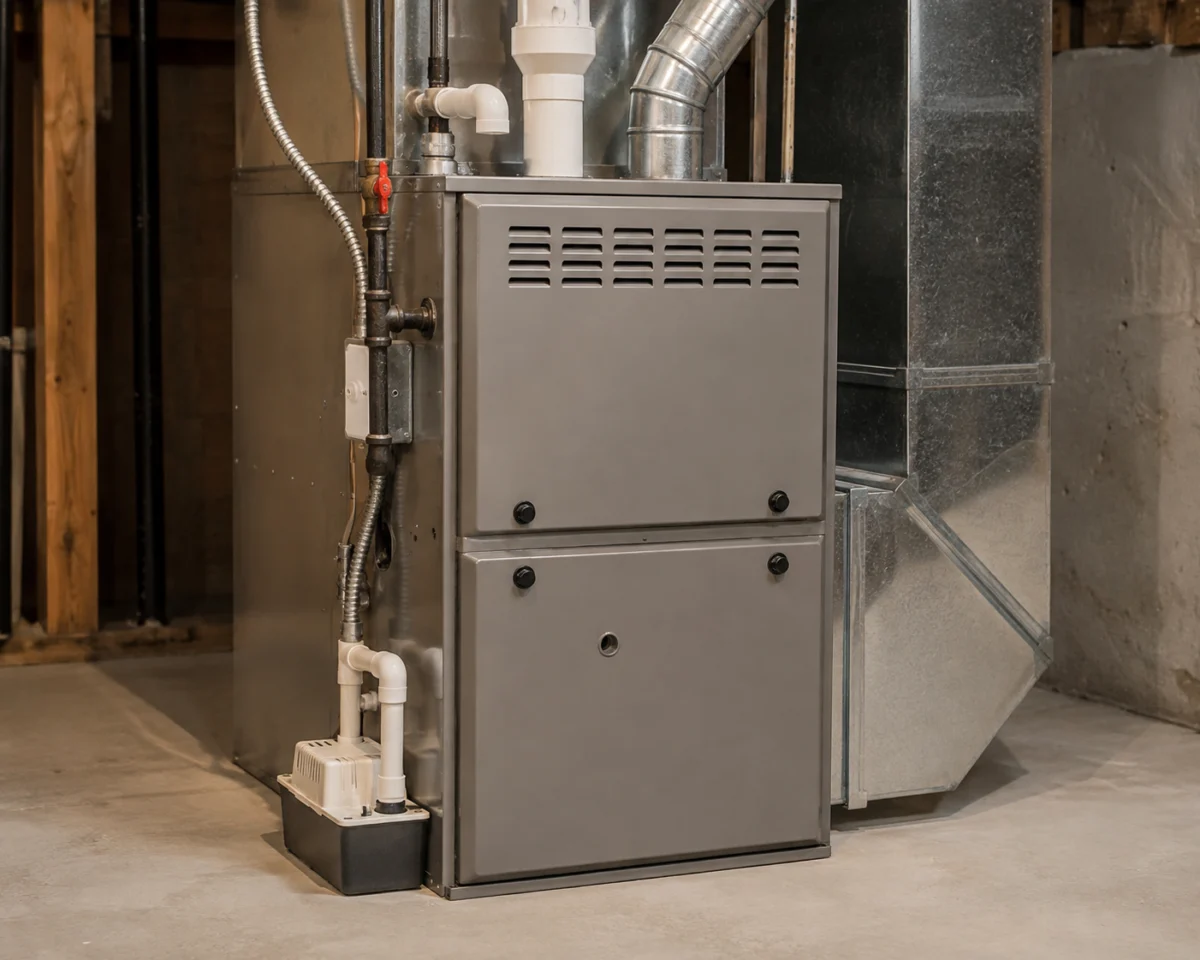
At its core, a residential furnace is a high-duty-cycle machine designed to run thousands of hours over its operational life. Most standard residential furnaces have an expected lifespan of 15 to 20 years. However, this timeframe is an estimate rather than a hard expiration date.
The primary factors dictating whether a furnace will reach its 20-year milestone include:
- Initial Installation Quality: Improper sizing or faulty duct connections can strain the heat exchanger from day one.
- Preventative Maintenance: Systems that receive annual checkups and routine filter replacements experience less mechanical wear.
- Usage and Climate: Furnaces running in harsh, freezing northern climates endure significantly more strain than those in milder regions.
When evaluating a failing heating system, HVAC professionals look at a combination of performance indicators rather than a single metric. The most telling signs that a furnace is approaching the end of its functional lifespan include frequent component failures, erratic temperature control, skyrocketing utility bills, and strange mechanical noises.
The Lifecycle Chronology of a Heating System
To better understand how furnaces age and fail, it helps to look at the typical lifecycle stages of residential heating equipment. Recognizing these milestones helps homeowners plan ahead rather than reacting out of panic during the coldest week of the year.
Years 1–5: The Youth and Peak Efficiency Phase
During its first five years, a furnace should operate at peak efficiency. Issues that arise during this window are typically manufacturer defects or installation errors, which are frequently covered under parts warranties. Routine annual maintenance is usually all that is required to keep the system running smoothly.
Years 6–10: Minor Wear and Tear
As a furnace enters its second half-decade, normal wear begins to affect moving parts. Homeowners might experience their first minor service call—perhaps replacing a worn-out ignitor, a faulty flame sensor, or a blower motor capacitor. These repairs are completely normal and do not indicate that the system needs to be replaced.
Years 11–15: The Threshold of Reliability
This is a critical transition period. By year 15, the average furnace has completed roughly 75% of its expected duty cycle. Components like draft inducers, control boards, and gas valves may begin to fail. If a homeowner has neglected routine maintenance, this is often the stage where major problems—such as a cracked heat exchanger—begin to surface.
Years 16–20 and Beyond: The Replacement Window
Once a furnace passes the 15-year mark, it enters the twilight of its operational life. While some well-maintained units can push past 20 years, they do so at a declining efficiency rate. At this stage, minor repairs frequently give way to systemic issues. Pouring money into a 20-year-old furnace is often compared to maintaining an older car with high mileage: eventually, the cost of ongoing repairs outweighs the value of the vehicle itself.
Supporting Data and Warning Signs
Industry data from energy authorities and major HVAC manufacturers (such as Carrier and American Standard) point to several key red flags that indicate a furnace is failing. Homeowners should monitor their systems for the following seven warning signs:
1. Age Approaching or Exceeding 20 Years
If your system is close to or past the two-decade mark, start paying close attention to its performance history. An older furnace that requires frequent attention is signaling that its components are degrading simultaneously.
2. Frequent and Escalating Repairs
Every furnace will need a repair eventually. However, if you find yourself calling a technician multiple times a winter—where fixing one part is immediately followed by the failure of another—the system’s overall structural integrity is likely compromised.
3. Inconsistent Temperatures and Cold Spots
A healthy furnace maintains an even, comfortable temperature throughout the home. If certain rooms feel like a sauna while others remain freezing, or if the thermostat setting is never actually met, the system’s blower or heat exchanger may be failing to distribute air effectively. (Note: This can also be caused by ductwork issues or dirty filters, which should be inspected first.)
4. Unexplained Spikes in Heating Bills
Energy costs naturally fluctuate with utility rates and seasonal weather patterns. However, if your utility bills rise significantly compared to previous years—with no change in household usage—your furnace is likely losing its efficiency, burning more fuel to produce the same amount of heat.
5. New, Loud, or Unusual Noises
A healthy furnace produces a low, gentle hum when operating. If your system suddenly starts emitting banging, clanking, screeching, rattling, or booming noises, it points to mechanical failure. Screeching often indicates a failing blower motor bearing, while booming can signal delayed ignition.
6. Constant Cycling or Continuous Operation
A furnace that runs nonstop without ever shutting off, or one that rapidly turns on and off (known as short-cycling), is struggling to regulate its internal operations. This can be caused by thermostat malfunctions, restricted airflow, or an oversized/undersized unit.
7. Multiple Warning Signs Occurring Simultaneously
The strongest indicator that it is time for a replacement is the accumulation of multiple symptoms. An older furnace that is noisy, runs constantly, requires frequent repairs, and fails to heat the home evenly is telling a clear story: it is time for an upgrade.
Industry Guidance and Official Responses
Major energy organizations and HVAC manufacturing leaders consistently emphasize that preventative care is the bedrock of system longevity.
According to guidelines from the U.S. Department of Energy, modern high-efficiency furnaces can dramatically reduce a household’s heating costs compared to older, aging units—some of which operate at efficiencies as low as 60% to 70%, compared to modern systems that exceed 90% to 98% Annual Fuel Utilization Efficiency (AFUE).
Leading equipment manufacturers reinforce that routine professional maintenance—such as annual safety inspections, burner cleaning, and timely air filter changes—is the single most effective way to protect a homeowner’s investment. Manufacturers note that neglecting basic upkeep not only shortens the equipment’s lifespan but can also void parts warranties when components fail prematurely.
Local HVAC service providers, such as Climate-Tech in Northeast Ohio, stress the importance of an objective, diagnostic-first approach. Rather than pushing for an immediate sale based solely on age, professional technicians evaluate the comprehensive health of the entire heating and distribution ecosystem. Upfront communication—explaining what is broken, outlining repair costs versus replacement costs, and providing transparent pricing—allows homeowners to make informed, unpressured decisions.
Implications of Repair vs. Replacement
Deciding whether to repair or replace a furnace carries significant financial and comfort implications for a household.
When Repair Makes Sense
- The furnace is relatively young (under 10–12 years old).
- The problem is isolated to a single component (e.g., a bad flame sensor or a faulty thermostat) rather than systemic wear.
- The cost of the repair is low relative to the overall value and remaining lifespan of the equipment.
When Replacement Makes Sense
- The furnace is past its expected lifespan (15–20 years).
- The cost of a major repair (like a cracked heat exchanger or a failed blower motor) approaches 50% of the cost of a brand-new system.
- Energy bills are climbing due to declining system efficiency.
- The system poses a potential safety risk, such as carbon monoxide leaks from a compromised heat exchanger.
The True Cost of Delay
Waiting for a total catastrophic failure during the dead of winter eliminates your options. In an emergency breakdown scenario, homeowners are often forced to accept whatever equipment is immediately available rather than researching the proper size, efficiency rating, and brand for their specific home. Planning a replacement ahead of time ensures proper sizing, professional installation, and peace of mind when the cold weather truly sets in.
Conclusion: Taking a Proactive Approach in Northeast Ohio
Ultimately, managing your home’s heating system is about balancing comfort, safety, and financial efficiency. You do not have to wait for your furnace to completely stop working before evaluating its condition.
For homeowners in Northeast Ohio, partnering with a trusted local professional like Climate-Tech ensures that your system receives an accurate diagnostic evaluation. Whether your furnace simply needs a tune-up to keep it running through another winter or it is time to invest in a modern, high-efficiency replacement, understanding the warning signs gives you the power to act before the weather forces your hand.
If your furnace is showing signs of distress, schedule a professional service appointment today to review your options and ensure your home stays warm all winter long.