Main Facts
Artificial intelligence has established itself as the defining technological frontier for modern enterprise, yet the corporate procurement function remains locked in a state of deep ambivalence. While executive boardrooms endlessly debate efficiency gains, risk mitigation, and digital transformation roadmaps, a significant portion of Chief Procurement Officers (CPOs) are struggling with institutional paralysis.
Recent industry insights reveal a stark divide within the global procurement community. On one hand, a small cohort of forward-thinking leaders views generative and predictive AI as an unprecedented catalyst for strategic reinvention. On the other hand—representing a frustratingly large majority—lies a culture characterized by risk aversion, deep-seated anxiety over job displacement, and skepticism fueled by legacy technology rollouts that failed to deliver promised returns.
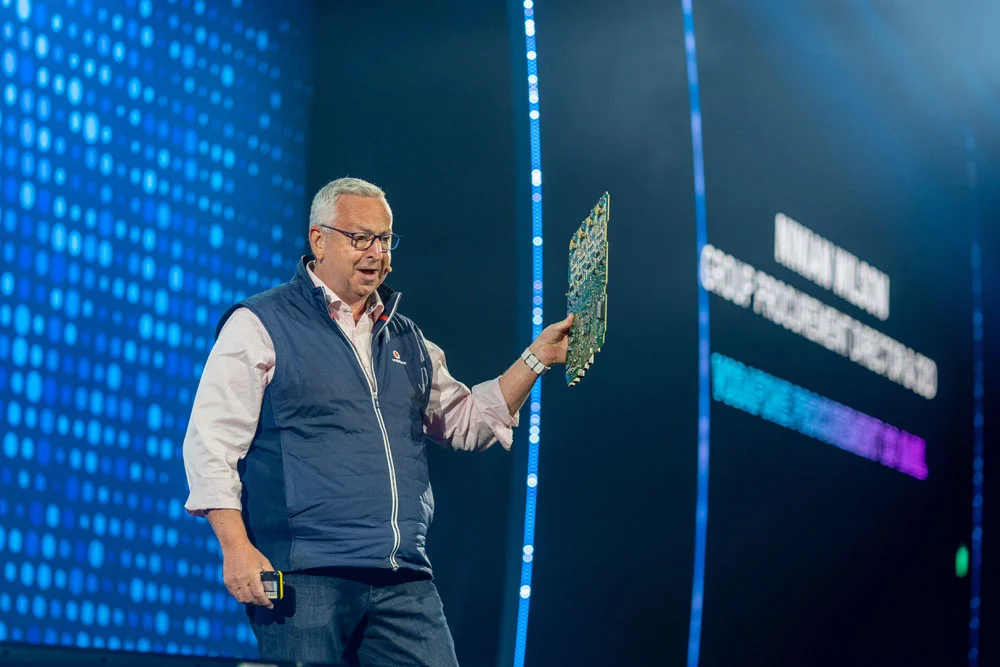
This tension reached a boiling point during industry discussions leading into major sector gatherings, most notably echoed by Vodafone CPO Ninian Wilson at the World Procurement Congress. Wilson issued a blunt ultimatum to his global peers: actively integrate artificial intelligence into your operating models, or watch helplessly as external market forces and automated systems reshape the profession around you.
The core takeaways defining this pivotal moment in procurement include:
- The Paralysis Epidemic: Industry insiders report that a majority of procurement professionals are "sticking their heads in the sand," paralyzed by a mix of fear, technological intimidation, and organizational inertia.
- The Four Pillars of Resistance: Hesitation is driven by job security anxieties, skepticism from Chief Financial Officers (CFOs) due to historical tech failures, escalating operational costs, and the persistent myth that a single "silver bullet" software platform must exist to solve every complex procurement challenge.
- The Ultimatum: Industry leaders stress that passive observation is no longer an option. CPOs must drive the transformation of their own functions or risk having disruption forced upon them by executive mandates or agile competitors.
- The Global Convergence: The debate takes center stage this week as procurement executives gather in Austin, Texas, for the Tomorrow’s Procurement Leader 2026 conference, featuring insights from corporate giants like Meta, Cisco, Flex, and Clorox.
Chronology of an Industry Crossroads
To understand how procurement arrived at this critical juncture, it is necessary to examine the timeline of technological adoption, skepticism, and the recent awakening catalyzed by generative AI.
Phase One: The Era of Disillusionment (Late 2010s to Early 2020s)
For over a decade, enterprise procurement functions were inundated with pitches for grand digital transformations. Software vendors promised end-to-end automation, cognitive sourcing, and frictionless supplier management. However, many of these legacy rollouts suffered from poor execution, protracted deployment timelines, and underwhelming return on investment (ROI).
CFOs, bruised by millions spent on enterprise resource planning (ERP) upgrades that yielded marginal efficiency gains, grew intensely skeptical. Procurement departments consequently slipped down corporate investment priority lists, developing a conservative posture toward emerging software categories.
Phase Two: The GenAI Explosion (2023–2024)
The public release of advanced generative artificial intelligence models in late 2022 fundamentally altered the technological landscape. Unlike structured rule-based software of the past, GenAI demonstrated the capability to parse unstructured data, draft complex contract clauses, summarize multi-million-dollar supplier negotiations, and predict supply chain disruptions in real-time.
Initially, the procurement sector responded with cautious curiosity. Pilots were launched in isolated silos—primarily focused on spend analytics and contract review. Yet, widespread cultural adoption lagged behind the technology’s exponential capability curve.
Phase Three: The Cultural Reckoning and the "Ostrich Effect" (2025–Present)
By 2025, the conversation shifted from enthusiastic experimentation to a harsh operational reality check. While bleeding-edge organizations successfully integrated AI into core workflows, the broader professional baseline exhibited signs of acute avoidance.
In early 2025, outspoken industry leaders began breaking ranks with corporate platitudes, openly criticizing the sector’s collective hesitation. Rather than confronting the disruptive potential of machine learning, many mid-level practitioners retreated into traditional administrative habits. This cultural friction culminated in defining industry warnings—such as Vodafone CPO Ninian Wilson’s memorable address at the World Procurement Congress—framing the current era as a zero-sum game of proactive adaptation or forced obsolescence.
Supporting Data and Industry Dynamics
The hesitation gripping the procurement community is not irrational; it is deeply rooted in systemic operational challenges. Industry analysts and insider disclosures highlight four primary dynamics driving the current state of fear and paralysis:
1. The Threat of Job Displacement and Instinctive Paranoia
At the most human level, AI represents a direct challenge to traditional white-collar roles. Procurement has long relied on armies of analysts, buyers, and administrators to process purchase orders, chase invoices, and manually vet supplier compliance. When faced with algorithms capable of processing thousands of invoices per second or autonomously negotiating routine tier-three supplier contracts, professionals naturally experience an instinctive paranoia regarding job security. Rather than upskilling to manage the technology, many personnel choose denial.
2. The Legacy of Unproven Returns
CFO skepticism remains a formidable barrier to entry. Large technology rollouts within procurement have historically suffered from high failure rates or extended payback periods. When procurement leaders approach finance teams for dedicated AI investment capital, they are frequently met with demands for immediate, quantifiable ROI. Because early-stage AI initiatives require experimentation, data cleansing, and cultural change—metrics that do not always translate neatly into immediate cost-reduction spreadsheets—many proposals are shelved.
3. Spiraling Implementation and Token Costs
While open-source models have democratized access to machine learning, enterprise-grade AI deployment is far from cheap. Organizations must account for secure cloud infrastructure, API consumption ("token costs"), specialized data engineering talent, and rigorous cybersecurity audits. As operational budgets tighten in response to macroeconomic pressures, many procurement departments view these rising costs as prohibitive risks rather than capital investments.
4. The Myth of the "Single Big Box" Solution
A persistent fallacy plaguing executive decision-making is the search for a monolithic, all-in-one software solution. Many CPOs delay action because they are waiting for a single vendor to deliver an integrated platform that solves every conceivable pain point—from tail-spend management to scope 3 carbon emissions tracking. In reality, modern AI architecture relies on modular, composable ecosystems where specialized tools integrate seamlessly via APIs. Waiting for the mythical "big box" has become an excuse for absolute inaction.
Official Responses and Perspectives
The divergence in how leaders view artificial intelligence has sparked a passionate debate across the global procurement landscape.
The Pragmatic Alarmist: Pointing Out the "Head in the Sand" Mentality
In recent candid exchanges, prominent CPOs have abandoned diplomatic language to describe the state of their peers. One executive did not mince words, stating:
"What I’ve seen from an AI perspective with, I’d say, the majority of procurement people is very much that they are sticking their head in the sand. There’s a phenomenal amount of fear out there."
This perspective cuts through the noise of tech vendor marketing, highlighting that the primary bottleneck to AI adoption is not technological maturity, but human psychology and organizational culture.
The Visionary Leader: Vodafone’s Ninian Wilson at World Procurement Congress 2025
Providing a direct antidote to this paralysis, Vodafone CPO Ninian Wilson delivered a rallying cry to delegates at the World Procurement Congress. Urging his colleagues to abandon hesitation, Wilson emphasized the urgent need for proactive governance and adoption:
"Adopt AI and bring it in. I encourage you all to seize the opportunity, seize the day and don’t sit and wait, because you either do it to yourselves or it gets done to you."
Wilson’s philosophy underscores a fundamental truth of modern corporate strategy: technology does not wait for consensus. Organizations that fail to internalize digital tools will inevitably find themselves disrupted by competitors who use automation to achieve superior agility, lower cost bases, and deeper supplier insights.
Implications for the Future of Enterprise Procurement
The transition from passive observer to active orchestrator of artificial intelligence carries profound implications for the structure, value proposition, and leadership profile of the procurement function.
From Tactical Administration to Strategic Orchestration
Historically, procurement was viewed primarily as a cost-containment and tactical purchasing engine. The automation of routine tasks through AI frees professionals from transactional burdens. Invoice matching, purchase requisition routing, and basic market-price benchmarking can now be handled autonomously.
Consequently, the true value of human procurement professionals shifts upward. Future-proofed teams will focus on complex relationship management, ethical supply chain oversight, geopolitical risk mitigation, and collaborative innovation with key suppliers. Professionals who refuse to engage with AI risk remaining trapped in transactional roles that are rapidly vanishing.
The Evolution of CPO Leadership in Austin
As leaders from global powerhouses—including Flex, Clorox, Meta, and Cisco—converge in Austin, Texas, for the Tomorrow’s Procurement Leader 2026 conference, the overarching agenda centers squarely on this transformation. The conversations happening in Austin are expected to move past theoretical concepts and into concrete execution blueprints.
Leaders attending the summit are tasked with redefining their leadership paradigms. To successfully navigate the AI era, CPOs must:
- Foster Psychological Safety: Address employee fears directly by framing AI as a copilot designed to augment human capability rather than replace the workforce.
- Adopt Agile Experimentation: Abandon the search for the elusive "single big box" solution in favor of agile, modular tech stacks that deliver incremental, measurable value.
- Rebuild Trust with Finance: Collaborate closely with CFOs to establish flexible funding models for technology pilots that account for learning curves and long-term strategic transformation.
Conclusion: Act Now or Be Disrupted
The message from the industry’s most respected voices is unified and urgent. Artificial intelligence is no longer a futuristic corporate experiment; it is the operating system of tomorrow’s global commerce. For procurement leaders, the choice is stark. They can embrace the friction of change, educate their teams, and harness AI to elevate procurement into a premier strategic driver of enterprise value—or they can keep their heads in the sand and watch as the future of the function is decided without them.