






By Brian Judge
May 13, 2026
The European Union has long stood as the world’s most ambitious project in political and economic integration. From the rubble of the Second World War to the seamless borders of the Schengen Area and the shared currency of the Eurozone, the EU has redefined the modern nation-state. Yet, for many of the bloc’s 450 million citizens, this integration is increasingly perceived through the lens of bureaucracy: a distant, regulatory machine that dictates standards rather than one that tangibly improves the quality of daily life.
As the EU’s three governing bodies—the European Parliament, the European Council, and the European Commission—prepare to enter formal negotiations on the digital euro, the project faces a critical juncture. What was once envisioned as a purely technocratic modernization of monetary infrastructure has suddenly erupted into one of the most politically contested items on the European agenda.
The Core Mandate: Why a Digital Euro?
At its heart, the digital euro is a Central Bank Digital Currency (CBDC) designed to serve as a public alternative to private, commercial payment systems. Unlike cryptocurrencies, which are characterized by volatility and decentralization, the digital euro would be a direct liability of the European Central Bank (ECB).
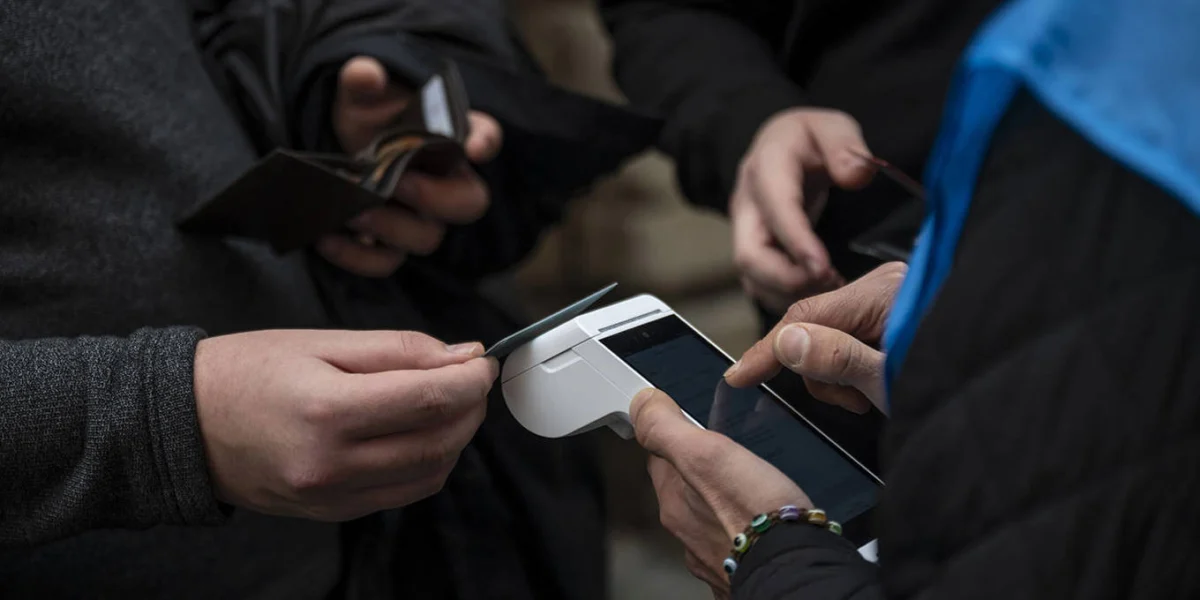
The primary impetus for this shift is the erosion of physical cash usage across the continent. With the rapid digitization of retail payments and the increasing dominance of non-European payment providers (such as Visa, Mastercard, and Big Tech payment platforms), the ECB fears a loss of "monetary sovereignty." The digital euro is intended to ensure that European citizens retain a free, universally accepted, and secure public digital payment option that functions seamlessly across all member states.
However, the project is not merely about technological modernization. It is an attempt to bridge the "usability gap" between the European project and the individual. If successful, the digital euro could provide a tangible, daily touchpoint that makes the EU feel like a functional utility rather than a regulatory burden.
A Chronology of Progress
The path to the current negotiations has been deliberate, marked by extensive research and cautious consensus-building.
- October 2020: The ECB publishes its comprehensive report on the digital euro, outlining the potential for a CBDC to complement cash and address the declining use of physical currency.
- July 2021: The Governing Council of the ECB launches the "investigation phase," a two-year project aimed at defining the functional design and distribution models of the currency.
- November 2023: Following the successful completion of the investigation phase, the ECB moves into the "preparation phase," focusing on the technical development and the drafting of the necessary legislative framework.
- May 2026: The European Parliament, Council, and Commission finalize their preparatory positions, signaling the start of formal trilogue negotiations to finalize the legal basis for the digital euro’s issuance.
This timeline reflects a typical European process: slow, methodical, and shielded by layers of administrative review. Yet, as the project moves from the laboratory to the legislature, the transition from technocracy to democracy is proving to be far more turbulent than anticipated.
Supporting Data: The Case for Sovereignty
The arguments in favor of the digital euro are underpinned by shifting consumer behaviors and strategic economic concerns.
- Declining Cash Usage: According to ECB payment surveys, the use of cash for point-of-sale transactions in the Eurozone has dropped by nearly 15% over the last five years, accelerated by the COVID-19 pandemic and the rise of mobile banking.
- Market Dominance: Data suggests that nearly 70% of digital transactions in Europe are processed by non-European companies. This creates a "single point of failure" for European commerce; should these foreign entities change their fee structures or access policies, the European economy would be uniquely vulnerable.
- Financial Inclusion: Despite high levels of banking penetration, segments of the population remain underserved by modern digital banking. A digital euro, designed with offline capabilities and low-to-no entry barriers, could act as a universal digital wallet, fostering greater financial inclusion across the EU’s diverse economic landscape.
Despite these data points, the opposition remains vocal. Critics—ranging from privacy advocates to traditional banking lobbyists—point to the potential for state surveillance and the risk that a digital euro could lead to a destabilizing exodus of deposits from commercial banks, thereby reducing the amount of credit available to businesses.
Official Responses and Political Friction
The legislative negotiations are expected to be fierce, as the three pillars of the EU hold differing priorities.
The European Commission’s Stance
The Commission, ever the architect of integration, views the digital euro as a prerequisite for the EU’s "strategic autonomy." Officials emphasize that the digital euro will be "cash-like" in its privacy protections, with the ECB promising that it will not have access to individual user data.
The European Parliament’s Concerns
Parliamentarians are the most sensitive to the concerns of the electorate. They have demanded strict "privacy by design" and a guarantee that the digital euro will not be used to track individual spending habits. There is significant pressure from left-leaning factions to ensure the currency remains free for basic use, while right-leaning factions are concerned about the potential for government overreach.
The European Central Bank (ECB)
The ECB has remained firmly in the "technocratic lane." Officials argue that the technical architecture—which uses a decentralized ledger system that keeps user data separate from the central bank—is sufficient to mitigate privacy concerns. However, ECB President Christine Lagarde has recently conceded that "the digital euro is a political project," acknowledging that the currency will only survive if it gains the trust of the citizens who use it.
Implications: The High Stakes of Success
If the negotiations conclude successfully, the digital euro will represent the most significant change to the European monetary system since the introduction of the physical euro in 2002. The implications are profound, reaching into three critical areas:
1. Reclaiming the Digital Commons
The digital euro is an attempt to reclaim the "digital commons" from private corporations. By providing a public digital currency, the EU aims to foster a more competitive payment landscape, potentially lowering transaction costs for merchants and consumers alike.
2. The Privacy-Utility Tradeoff
The success of the digital euro hinges on a paradox: the more secure and integrated the system is, the more citizens fear for their privacy. Policymakers must prove that a digital euro does not equate to a "surveillance euro." Without transparent, verifiable privacy guarantees, the project risks low adoption rates, rendering it a redundant piece of infrastructure.
3. The Future of European Identity
Perhaps the most important implication is psychological. For decades, the European project has been a "top-down" construction. The digital euro is a rare opportunity for a "bottom-up" experience. If a citizen can use a digital euro to pay for a cup of coffee in a foreign member state with the same ease and cost-efficiency as in their hometown, the concept of European citizenship moves from an abstract legal status to a daily reality.
Conclusion: A Test of Political Will
The transition from a technocratic blueprint to a legally binding framework is the final test for the digital euro. For years, the project’s proponents argued that the necessity of the currency was self-evident. They were wrong.
In the modern political climate, utility is not enough; legitimacy is required. Policymakers must now move beyond the technical specifications and address the fears of the public. They must convince a skeptical populace that the digital euro is not another layer of Brussels-imposed constraint, but a tool that empowers the individual.
As the trilogue negotiations begin in earnest, the European Union stands at a crossroads. It can continue to build a digital infrastructure that secures its sovereignty, or it can retreat in the face of political opposition. Should it choose the former, the digital euro may well become the anchor of a more integrated, efficient, and citizen-focused European future. Should it fail, the bloc may find itself increasingly dependent on foreign platforms, further distancing itself from the very citizens it aims to serve. The coming months will determine whether the digital euro becomes the new bedrock of the European economy or a monument to missed opportunity.