Main Facts
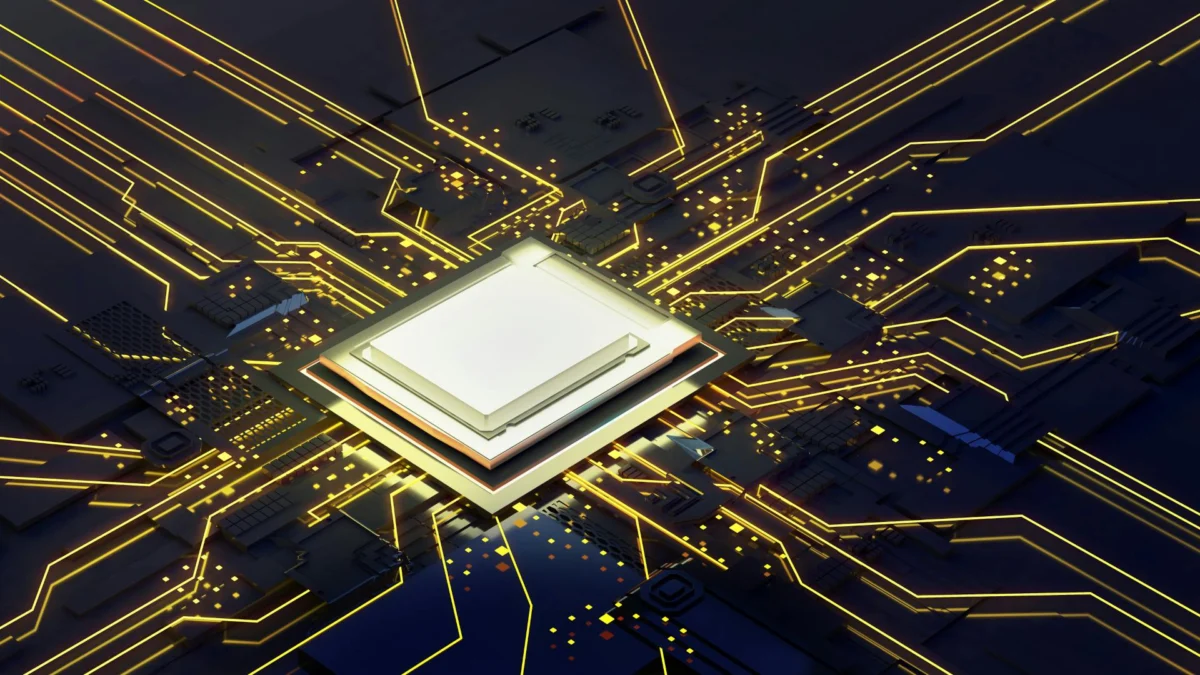
The rapid escalation of artificial intelligence (AI) and machine learning workloads has pushed traditional air-cooling methodologies to their absolute physical limits. In modern high-density data centers, a single advanced AI accelerator can consume upwards of a kilowatt of electrical power. Consequently, a fully configured compute rack can generate in excess of 100 kilowatts (kW) of intense thermal energy.
As hyperscalers and enterprise data center operators design infrastructure to handle up to a megawatt of power per rack, traditional fans and HVAC units are no longer sufficient. The industry is undergoing a massive infrastructural pivot toward liquid cooling.
Key developments defining this transition include:
- Massive Fluid Integration: Advanced architectures, such as the NVIDIA GB200 NVL72 rack, rely on more than 100 dedicated fluid connections circulating coolant within mere inches of high-performance silicon.
- Diverse Cooling Methodologies: Facilities are deploying direct-to-chip (cold-plate) cooling, full-scale immersion cooling tanks, and cutting-edge microfluidic cooling channels etched directly into semiconductor packages.
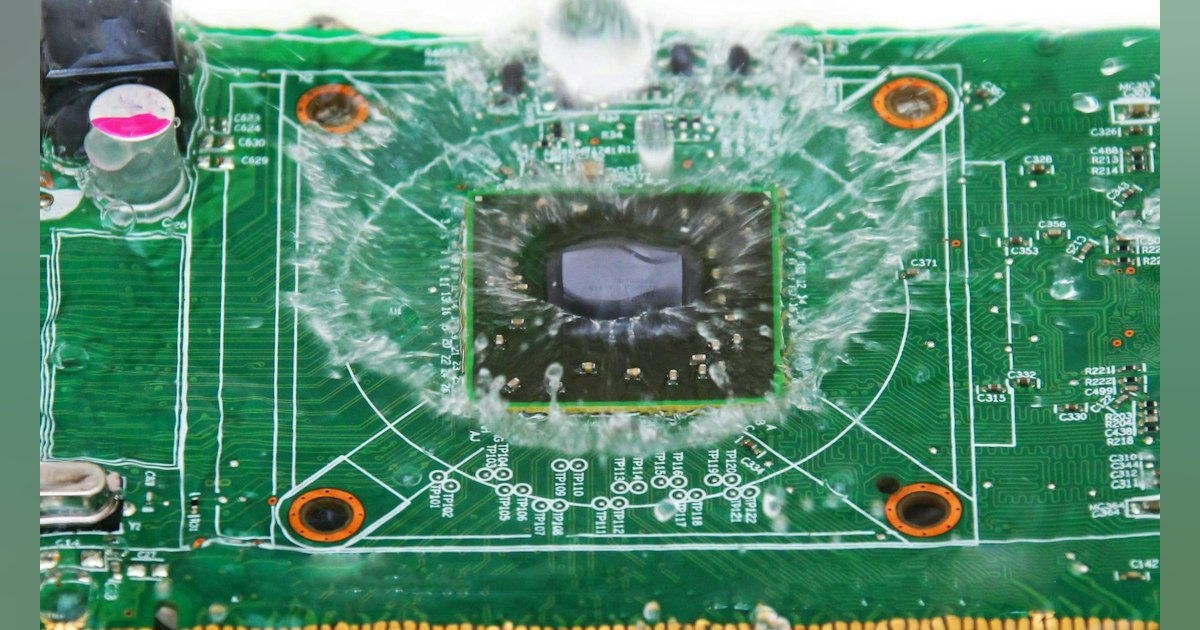
- Energy and Reliability Challenges: While liquid cooling solves thermal management, moving millions of gallons of fluid through delicate electronics introduces new systemic risks, including potential leaks, short circuits, and catastrophic hardware corrosion.
- Mitigation Technologies: To secure these high-density systems, engineers are implementing advanced brushless DC (BLDC) motor drivers for efficient fluid circulation, highly sensitive leak-detection arrays, and protective conformal gel coatings at the board level.
Chronology: The Evolution of Data Center Thermal Management
To understand how the data center industry reached the precipice of a liquid-cooling revolution, it is necessary to trace the trajectory of computing density and thermal dissipation over the last several decades.
1. The Era of Air Cooling (1990s – Early 2010s)
For decades, standard air-cooled systems—utilizing room-level Computer Room Air Conditioner (CRAC) units, raised floors, and localized heatsinks paired with fans—adequately managed CPU thermal loads ranging from 50W to 150W per socket. Air was abundant, free, and relatively safe for circuit boards.
2. The Cloud and Density Creep (2010s – Early 2020s)
As virtualization took hold and cloud computing giants scaled their operations, rack densities steadily climbed from 5 kW to 15 kW. Fans became larger, server chassis grew more aerodynamically optimized, and hot/cold aisle containment strategies became standard practice. However, air’s low volumetric heat capacity began to expose severe operational ceilings.
3. The Generative AI Boom and the Thermal Wall (2022 – Present)
The commercialization of massive Large Language Models (LLMs) and generative AI completely shattered historical power models. With individual accelerators pulling over 1,000 watts and rack power density surging toward 100 kW—with a trajectory heading rapidly toward a staggering 1 megawatt per rack—air cooling hit a literal brick wall. Tech giants and hyperscalers initiated a frantic global retrofit of their facilities, replacing or augmenting air infrastructure with industrial-grade plumbing, pumps, and specialized cooling fluids.
Supporting Data: The Numbers Behind the Thermal Crisis
The transition to liquid cooling is not merely an aesthetic or evolutionary choice; it is a mathematical imperative driven by the physics of power consumption and heat dissipation.
- 1 Kilowatt+: The power consumption threshold surpassed by individual state-of-the-art AI accelerators.
- 100+ Kilowatts: The thermal output generated by a single dense compute rack under heavy AI training workloads, dwarfing historical averages of 5 to 10 kW.
- 1 Megawatt: The projected power density per rack that hyperscalers are actively designing their next-generation facilities to accommodate.
- 100+ Fluid Connections: The sheer volume of mechanical joints, hoses, and quick-disconnect fittings present in a single NVIDIA GB200 NVL72 rack, illustrating the immense complexity of internal rack plumbing.
- Microscopic Margins: The scale at which microfluidic cooling operates, channeling fluids through sub-millimeter networks etched directly into silicon substrates or chip packages to intercept heat at the molecular source.
Technical Methodologies: Direct-to-Chip, Immersion, and Microfluidics
As the industry moves away from ambient air, three distinct tiers of liquid cooling have emerged to tackle high-density heat loads:
Direct-to-Chip (Cold-Plate) Cooling
This is currently the most widely adopted liquid-cooling architecture in commercial hyperscale deployments. Coolant is pumped through sealed metal plates (cold plates) mounted directly onto high-heat components such as CPUs, GPUs, and specialized AI accelerators. Thermal paste or interface material transfers heat from the silicon die to the cold plate, where the circulating liquid absorbs it and carries it away to an external heat exchanger.
Immersion Cooling
A more radical approach, immersion cooling completely submerges entire servers, power supplies, and circuit boards into large baths of dielectric fluid—an electrically insulating liquid. Because the fluid makes direct contact with all components simultaneously, heat transfer is exceptionally uniform. This eliminates the need for localized heatsinks and cooling fans entirely, drastically reducing acoustic noise and mechanical failure points associated with moving fan blades.
Microfluidic Cooling
Looking toward the future of extreme semiconductor design, startups and research groups—such as Corintis—are pioneering microfluidic cooling. Instead of cooling from the outside of a packaged chip, this technique etches microscopic channels directly into the backside of the silicon wafer or the chip package itself. By forcing coolant through these microscopic veins, thermal resistance is minimized, allowing cooling to occur virtually adjacent to the active transistors where heat is generated.
Official Responses and Industry Perspectives
The engineering community, component manufacturers, and infrastructure providers have responded aggressively to the operational paradigm shift brought on by liquid cooling.
Industry consensus highlights a dual focus: optimizing the efficiency of the cooling apparatus itself while safeguarding multi-million-dollar hardware against fluid-related catastrophes.

- Optimizing Fluid Dynamics: To prevent cooling infrastructure from consuming an unsustainable share of data center power budgets, engineers are redesigning the motors and pumps driving the coolant. Emerging systems utilize sensorless, brushless DC (BLDC) motor drivers. These advanced drivers dynamically adjust coolant flow rates in real-time based on actual thermal loads, ensuring smooth circulation while minimizing parasitic energy loss.
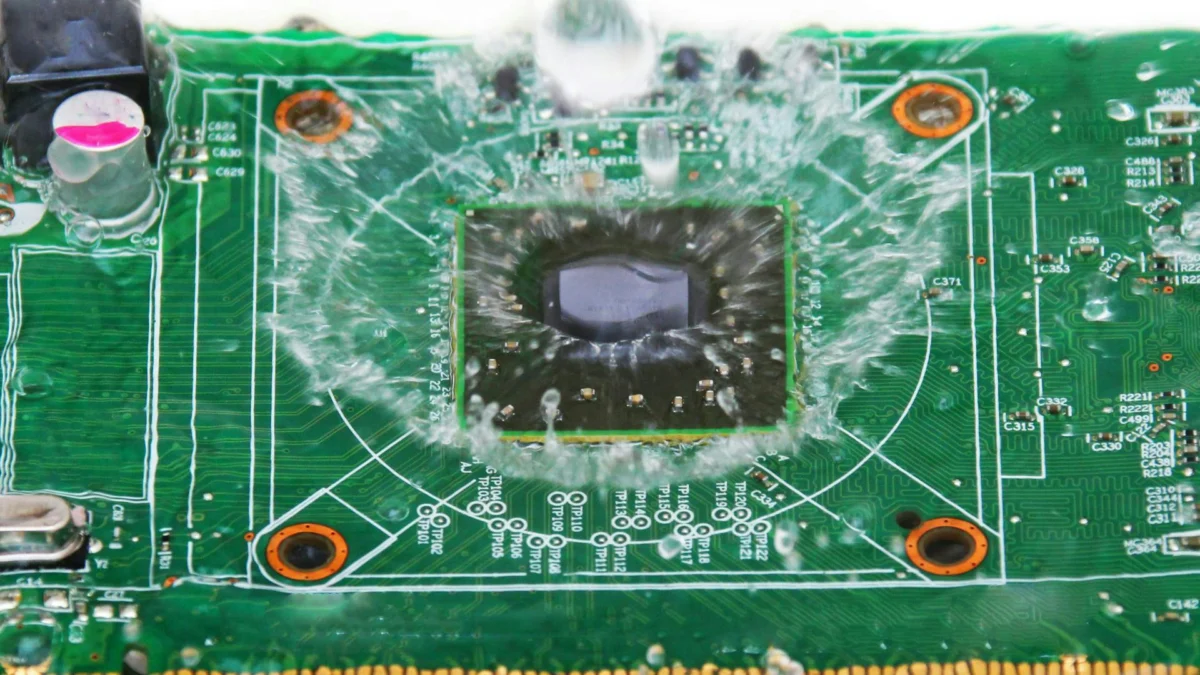
- Mitigating Failure Risks: Bringing thousands of gallons of water and chemical coolants into direct proximity with sensitive electronics has justifiably raised alarms among reliability engineers. A microscopic leak, a hairline fracture in a manifold, or even minor condensation can cause catastrophic electrical shorts across ultra-dense component pins and microscopic board traces.
- Advanced Protection Layers: To combat these risks, the ecosystem has developed a multi-layered defense strategy. Highly sensitive optical and chemical sensors are now integrated into rack architecture to detect trace amounts of leaking coolant instantaneously. Simultaneously, material scientists are deploying innovative board-level protections, such as advanced conformal gel coatings. These specialized chemical barriers shield sensitive circuit assemblies from fluid intrusion, ambient moisture, and electrochemical corrosion without impeding thermal performance.
Implications for the Future of Enterprise IT and Data Centers
The wholesale adoption of liquid cooling marks a fundamental rewriting of the rules governing data center design, real estate, and operational economics.
1. Architectural Redesign of Facilities
Traditional data centers were designed around raised floors optimized for cold-air delivery. Facilities built for the AI era resemble chemical processing plants or heavy industrial sites, featuring robust overhead or sub-floor piping, high-capacity pumping stations, and specialized water-treatment systems. Real estate developers must now account for significantly higher floor-loading capacities to support heavy liquid-chilled racks and massive coolant reservoirs.
2. Shift in Supply Chain and Maintenance Paradigms
Data center technicians, traditionally trained in IT hardware replacement, networking, and basic electrical systems, must now acquire foundational knowledge in HVAC, fluid mechanics, and plumbing integrity. Maintenance routines now include pressure testing, fluid quality monitoring, and managing quick-disconnect valves to service hot-swappable server blades without spilling fluid onto active circuits.
3. Sustainability and Environmental Impact
While liquid cooling enables the unprecedented compute densities required for advanced generative AI, it also introduces complex water-usage and energy-efficiency considerations. The industry is under intense pressure to pair closed-loop liquid cooling systems with advanced heat-reclamation technologies—such as redirecting captured thermal energy to heat municipal buildings or nearby greenhouses.
Ultimately, liquid cooling has evolved from an exotic, niche solution for high-performance supercomputers into the indispensable life-support system of the modern digital economy. As AI models continue to expand in scale and complexity, the marriage of high-performance silicon and advanced fluid engineering will dictate the winners and losers in the hyperscale computing landscape.