The landscape of maritime conflict is undergoing a seismic shift. For centuries, naval supremacy was defined by the size of a nation’s steel fleet—massive aircraft carriers, heavily armored destroyers, and silent nuclear submarines. Today, that paradigm is being dismantled by a new, cost-effective, and lethal class of combatants: autonomous surface and underwater vessels (USVs and UUVs). From the tactical successes of Ukrainian drone boats in the Black Sea to the sophisticated "No Manning Required" initiatives in the United States, the era of the "Silent Armada" has arrived.
Main Facts: The Rise of the Unmanned Combatant
Military organizations worldwide are currently racing to flood the battlefield with autonomous systems. The primary driver of this shift is asymmetric warfare. A traditional patrol vessel, costing hundreds of millions of dollars, is now vulnerable to a swarm of low-cost, expendable drone boats.
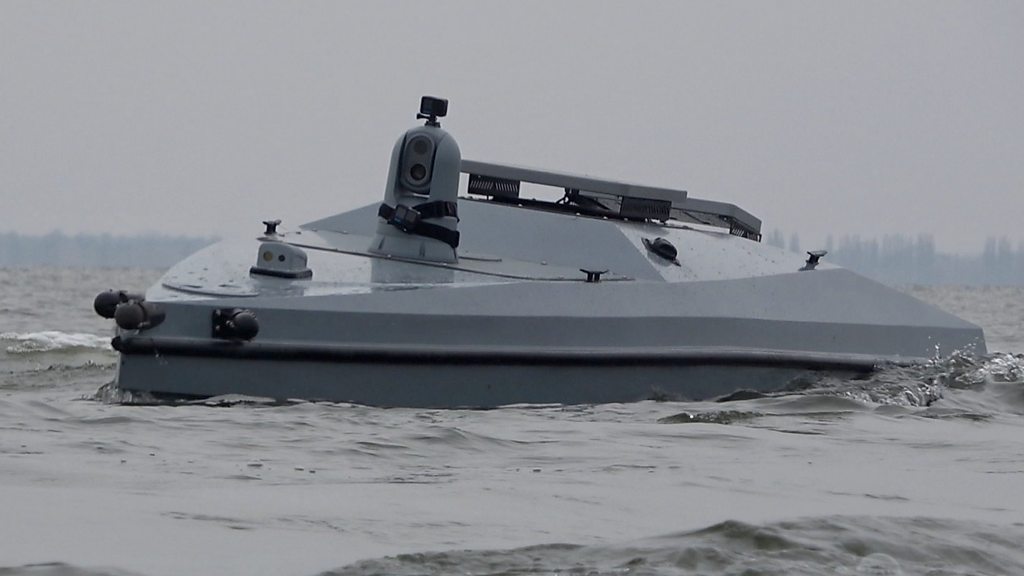
The most prominent example of this transformation occurred in November 2022, when Ukrainian forces deployed an unmanned surface vessel in a daring attempt to neutralize the Russian patrol ship Sergey Kotov. The attack, while not resulting in a total sinking at the time, inflicted significant damage, forced the Russian Black Sea fleet into a state of perpetual high-alert, and restricted their operational mobility. Since then, the evolution has been rapid: Ukraine has begun up-arming these platforms, integrating machine guns and advanced guidance systems to transform surveillance craft into genuine combat hunters.
The strategic appeal is clear: autonomous vehicles are exponentially cheaper than traditional assets, easier to mass-produce, and mitigate the risk to human personnel. As these platforms proliferate, they are forcing a radical rethink of naval budgets, maintenance cycles, and defensive doctrine.
Chronology: From Biological Assets to Silicon Warfare
The history of autonomous maritime operations is more extensive than many realize, though the technology behind it has changed fundamentally.
- The 1970s (The Biological Era): During the Cold War, major navies—including the U.S. and the Soviet Union—utilized trained dolphins for mine detection and security. These animals were fitted with specialized gear to locate explosive threats. While the U.S. moved toward synthetic technology as the decades progressed, some nations, including Russia, have notably continued to utilize these biological assets for naval security, highlighting a divergence in technological trajectory.
- The Mid-2010s: Development of UUVs accelerated, focusing on deep-sea research and mine-clearing capabilities. These vehicles proved that machines could operate with higher precision and lower fatigue than human divers.
- 2022 (The Ukrainian Inflection Point): The conflict in Ukraine served as the global proving ground for maritime drone warfare. The Magura V5 (Maritime Autonomous Guard Unmanned Robotic Apparatus) became a symbol of this shift, demonstrating that small, multi-purpose autonomous boats could hold much larger, conventional naval forces at bay.
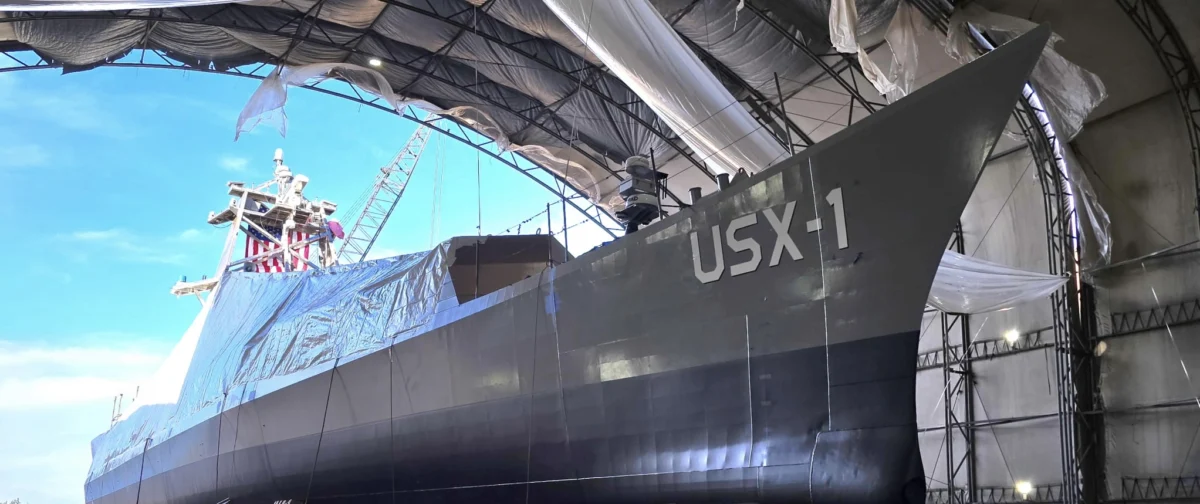
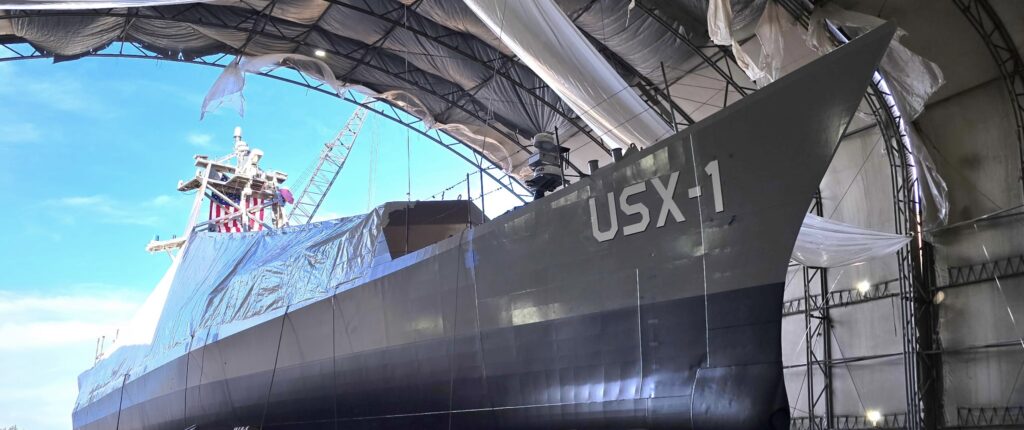
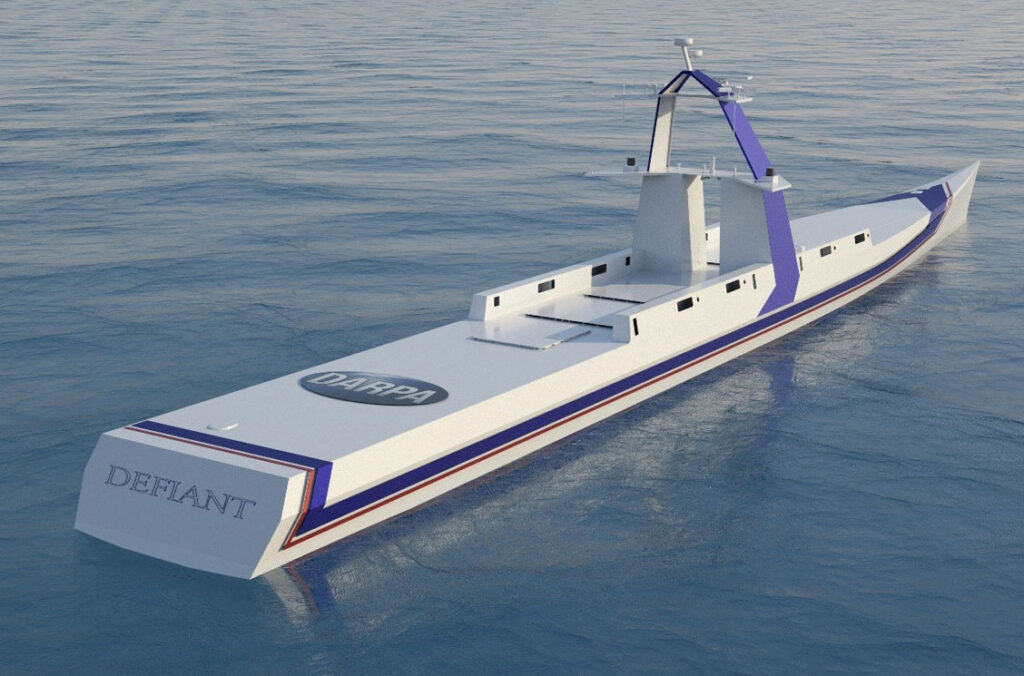
- February 2025 (The NOMARS Milestone): The U.S. defense establishment hit a critical milestone with the completion of the USX-1 Defiant, the prototype for the "No Manning Required Ship" (NOMARS) program. This marked the transition from "remotely operated" systems to truly autonomous, long-duration vessels.
- Spring 2025: Scheduled commencement of multi-month, at-sea demonstrations for the Defiant, representing a new chapter in naval architecture.
Supporting Data: Categories and Capabilities
The versatility of modern drones extends far beyond simple combat roles. They are categorized based on their operational environment and primary mission objectives.
1. Research and Monitoring
Autonomous vehicles are now the backbone of oceanographic research. By utilizing AI-integrated sensors, these drones monitor water temperatures, track ocean currents, and measure salinity and oxygen levels. These systems are also playing a critical role in early-warning networks for natural disasters, such as tsunamis, by providing real-time data from the open ocean that was previously inaccessible.
2. Military and Surveillance
The military application of UUVs and USVs is multifaceted:
- Mine Countermeasures: UUVs are now the preferred method for locating and neutralizing underwater mines, keeping expensive hulls and human crews out of harm’s way.
- Infrastructure Protection: Acting as a first line of defense, these drones monitor undersea cables, pipelines, and naval bases against clandestine infiltration.
- Logistics: Advanced drones are now being tested for the transport of essential supplies, reducing the logistical burden on traditional fuel-heavy vessels.
3. The NOMARS Architecture
The USX-1 Defiant represents a departure from traditional ship design. A 180-foot, 240-metric-ton vessel, the Defiant was built with no provision, allowance, or expectation for human presence. By removing the need for life-support systems, galleys, and living quarters, the designers at Serco and DARPA were able to maximize hydrodynamic efficiency, stealth, and long-term reliability. The result is a vessel that can operate for months at a time, redefining the "art of the possible" in long-endurance naval operations.
Official Responses and Strategic Partnerships
The transition to unmanned fleets is being fueled by high-level partnerships between government agencies and the private sector. DARPA (the Defense Advanced Research Projects Agency) has been at the forefront of this effort.
The partnership with Serco Inc. on the NOMARS program is a prime example of this collaborative model. Serco, serving as the prime integrator, leads an industry alliance that includes companies like Caterpillar Marine, Leonardo DRS, and Nichols Brothers Boat Builders. Their "Other Transaction" (OT) contract structure provides the agility required to iterate designs rapidly. As DARPA noted in recent press releases, the focus is not just on the ship, but on a "reimagined maintenance philosophy" that reduces time in port, ensuring that the fleet remains active in the theater for unprecedented durations.
Implications: The Future of Maritime Dominance
The rise of the autonomous fleet brings with it profound implications for global security.
1. The Death of the "Big Ship" Era?
The vulnerability of traditional, multi-billion-dollar vessels to inexpensive swarms of drones is creating a crisis of confidence for traditional naval planners. If a $100 million corvette can be disabled by a $100,000 drone boat, the cost-to-benefit ratio of conventional shipbuilding becomes unsustainable. Future navies will likely be composed of a "mothership" surrounded by a distributed cloud of autonomous sensors and shooters.
2. Economic and Industrial Shift
The production of these drones favors agile, tech-focused manufacturing over the massive shipyards of the 20th century. This lowers the barrier to entry for smaller nations and non-state actors, potentially democratizing naval power in ways that were previously impossible. We are entering a period where a nation’s "navy" may be defined more by its software code and AI algorithms than by the thickness of its armor plating.
3. Ethical and Operational Challenges
The removal of humans from the loop—particularly in armed scenarios—raises significant ethical questions. As machine guns are integrated into autonomous boats, the delegation of targeting decisions to AI becomes a central concern. Furthermore, the reliance on satellite links and GPS makes these fleets vulnerable to electronic warfare and signal jamming, creating a new "cat-and-mouse" game between drone operators and cyber-warfare specialists.
4. Sustenance and Maintenance
The NOMARS model of year-long, autonomous operation without human intervention requires a revolution in mechanical reliability. Ships can no longer rely on a crew to patch a leak or fix a pump. Future vessels must be self-healing and predictive in their maintenance, utilizing AI to diagnose issues before they cause a total system failure.
Conclusion
The evolution from dolphin-assisted mine sweeping to the sophisticated, AI-driven NOMARS Defiant represents one of the most rapid technological shifts in the history of warfare. We are moving toward a future where the oceans are patrolled by a silent, invisible, and persistent force of autonomous machines. While the traditional naval assets of the past will remain for power projection, the tactical reality of the 21st century is increasingly dominated by the machine. As the world watches the Black Sea and the testing grounds of the U.S. Navy, one thing is certain: the maritime domain has been permanently altered by the arrival of the unmanned combatant.