






Executive Summary: The Global Pivot Towards 100% Renewable Energy
The global energy landscape is undergoing an unprecedented structural transformation, driven by urgent climate commitments, rapid technological advancements, and shifting economic paradigms. Nations across the globe are accelerating their transition away from fossil-fueled infrastructure toward robust, decentralized, and resilient renewable energy systems. Central to this global green revolution is the ambitious target of achieving 100% clean energy integration by 2030, a milestone that promises to redefine the future of modern industrial economies, reduce global carbon emissions, and stabilize volatile energy markets.
Recent international data and policy updates reveal that renewable energy investments have broken historic records, with solar, wind, and advanced energy storage systems leading the charge. Governments and private sector stakeholders are mobilizing unprecedented capital to modernize legacy power grids, ensuring that clean generation can be efficiently captured, transmitted, and consumed on a mass scale. This report provides a detailed examination of the ongoing renewable energy revolution, outlining the core facts, chronological milestones, supporting market data, official governmental responses, and the profound long-term implications for the global economy.
1. Main Facts: The Core Pillars of the Renewable Energy Revolution
The transition to a zero-emission energy economy is no longer a distant environmental aspiration; it is an active, heavily funded global initiative. Several key developments define the current state of clean energy adoption:
- The 2030 Target: Governments and international energy coalitions are aggressively pushing to achieve 100% renewable energy generation capacity by the end of the decade, aligning with Paris Agreement targets to limit global temperature increases.
- Massive Capital Inflows: Global green investments have surged past previous historic highs, with venture capital, sovereign wealth funds, and institutional investors pouring billions into solar photovoltaic (PV) installations, offshore wind farms, and next-generation grid infrastructure.
- Technological Innovation: Breakthroughs in battery storage efficiency, smart-grid automation, and green hydrogen production are overcoming historical hurdles related to the intermittency of renewable sources.
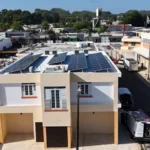
- Decentralization of Power: Energy production is shifting from centralized, fossil-fuel power plants to decentralized microgrids, commercial rooftop solar arrays, and community-owned renewable assets.
2. Chronology of the Clean Energy Transition: Key Milestones
Understanding the trajectory of the modern renewable energy movement requires examining the phased rollout of policy frameworks, technological breakthroughs, and infrastructural deployments over recent years:
The Foundation Years (2020–2023)
The wake of the global health crisis served as an unexpected catalyst for green recovery packages worldwide. Major economies integrated sustainability mandates into economic stimulus packages, prioritizing green jobs, electric vehicle (EV) infrastructure, and grid decarbonization. During this period, the cost of solar panels and wind turbines dropped significantly, making renewable energy consistently cheaper than fossil-fuel generation in most major markets.
The Acceleration Phase (2024–2025)
As geopolitical tensions strained traditional oil and gas supply chains, energy security became inextricably linked with domestic renewable capacity. Nations accelerated their national energy transition roadmaps. Solar installations experienced record-breaking quarters, and offshore wind projects expanded significantly, supported by streamlined regulatory approvals and massive public-private partnerships.
The Threshold of 2026: Reaching Critical Mass
By 2026, the transition entered a hyper-growth phase. Advanced energy storage systems were deployed at utility scale to mitigate grid instability, while smart-grid technologies enabled real-time demand response management. Governments worldwide began phasing out legacy coal and gas plants ahead of schedule, replacing them with hybrid renewable complexes featuring integrated battery storage.
3. Supporting Data and Market Metrics
Quantitative metrics underscore the unprecedented momentum of the renewable energy sector. Recent market analyses highlight staggering growth across multiple segments:
- Solar Energy Expansion: Global solar photovoltaic capacity has expanded exponentially, with utility-scale installations recording year-on-year growth rates exceeding 100% in key emerging markets. Record quarterly milestones demonstrate that solar power is now the fastest-growing source of electricity generation globally.
- Wind Power Breakthroughs: Onshore and offshore wind energy sectors have similarly witnessed massive investments. Recent data indicates that offshore wind deployment alone has grown by over 100%, driven by larger turbine designs, deeper-water floating foundations, and more efficient transmission corridors.
- Energy Storage and Battery Markets: The Achilles’ heel of renewables—intermittency—is rapidly being resolved through advanced battery storage deployment. Investments in utility-scale lithium-ion and alternative storage chemistries have surged, recording triple-digit percentage increases as grid operators demand reliable backup capacity.
- Green Hydrogen and Alternative Vectors: Emerging green hydrogen projects have begun scaling up, backed by multi-billion-dollar investments aimed at decarbonizing heavy industries such as steel manufacturing, shipping, and aviation.
4. Official Responses and Policy Frameworks
Governments, regulatory bodies, and international organizations are actively reshaping policies to support the 100% renewable transition. Policymakers are deploying a mix of regulatory mandates, carbon pricing mechanisms, and direct subsidies to accelerate the phase-out of fossil fuels.

Regulatory Overhauls and Grid Mandates
Energy ministries worldwide have revised building codes, mandating solar-ready infrastructure for all new residential and commercial developments. Furthermore, transmission system operators (TSOs) are facing stricter mandates to modernize grid networks, ensuring seamless interconnection for distributed energy resources (DERs).
Public-Private Partnerships
Recognizing that public funds alone cannot cover the multi-trillion-dollar cost of global grid modernization, governments have established innovative public-private partnership (PPP) frameworks. These initiatives de-risk private investments in high-capacity transmission lines, geothermal exploration, and next-generation storage facilities, paving the way for accelerated deployment.
International Cooperation and Climate Diplomacy
Global forums, including the annual United Nations Climate Change Conferences, have reinforced commitments to tripling global renewable energy capacity by 2030. Cross-border energy interconnectors are being planned and constructed to allow nations with surplus renewable generation—such as solar power from desert regions and wind power from coastal corridors—to export clean electricity to neighboring deficit regions.
5. Economic, Environmental, and Social Implications
The shift toward a 100% renewable energy paradigm carries far-reaching implications that extend well beyond environmental conservation, fundamentally reshaping economic structures and geopolitical relationships.
Economic Diversification and Job Creation
The clean energy sector has emerged as one of the primary engines of global job creation. Millions of high-paying jobs are being generated in manufacturing, engineering, installation, and grid maintenance. Unlike the centralized fossil-fuel industry, which concentrated wealth and resource extraction in specific regions, renewable energy fosters decentralized economic development, empowering local communities through localized generation and ownership models.
Energy Security and Geopolitical Stability
By breaking dependence on imported hydrocarbons, nations transitioning to domestic renewables are insulating their economies from global supply shocks and price volatility. Energy independence is becoming synonymous with national security, as decentralized microgrids and domestic green hydrogen economies reduce vulnerability to foreign supply disruptions.
Environmental Restoration and Climate Mitigation
The most immediate and profound impact of the transition is the aggressive reduction of greenhouse gas emissions. Phasing out coal and natural gas power plants dramatically improves urban air quality, reduces public health expenditures related to respiratory illnesses, and halts environmental degradation associated with fossil-fuel extraction.
Conclusion: The Road Ahead to 2030
The transition to a 100% renewable energy future is an irreversible global trend. Backed by robust financial markets, falling technology costs, and unwavering policy commitments, the world is moving steadily toward complete decarbonization. While challenges remain—particularly regarding supply chain bottlenecks for critical minerals, grid congestion, and the need for continuous technological innovation—the momentum achieved by 2026 signals a definitive turning point in human history. As governments, industries, and civil society unite under the shared vision of a sustainable tomorrow, the goal of a fully green, resilient global energy system by 2030 is well within reach.