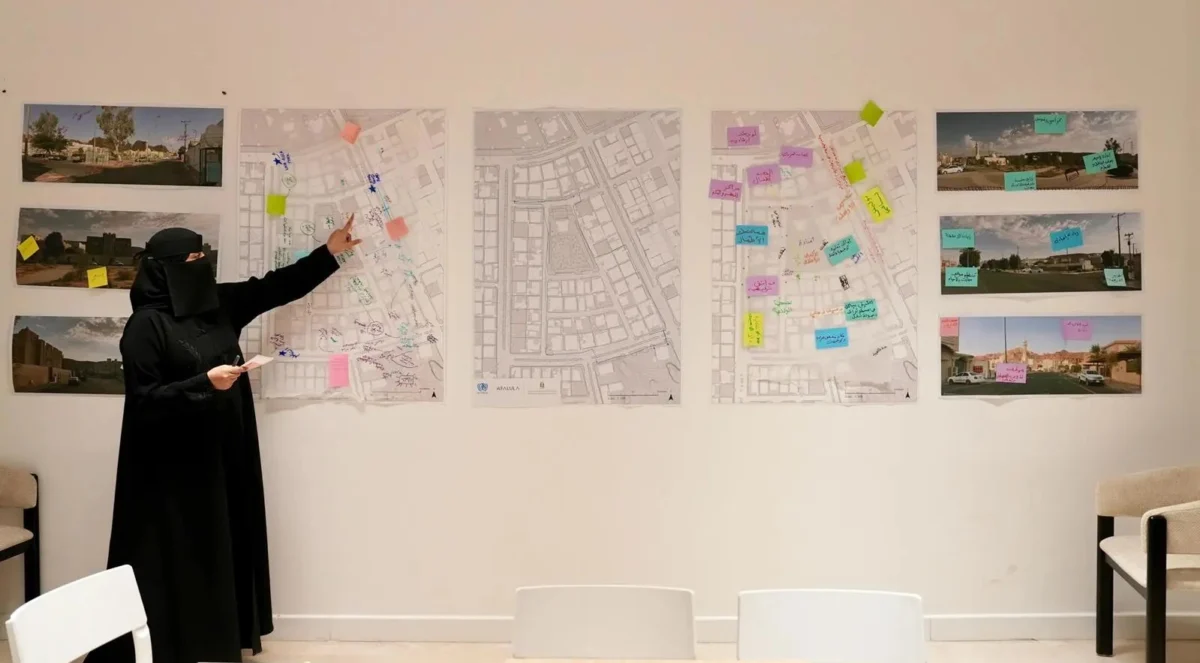
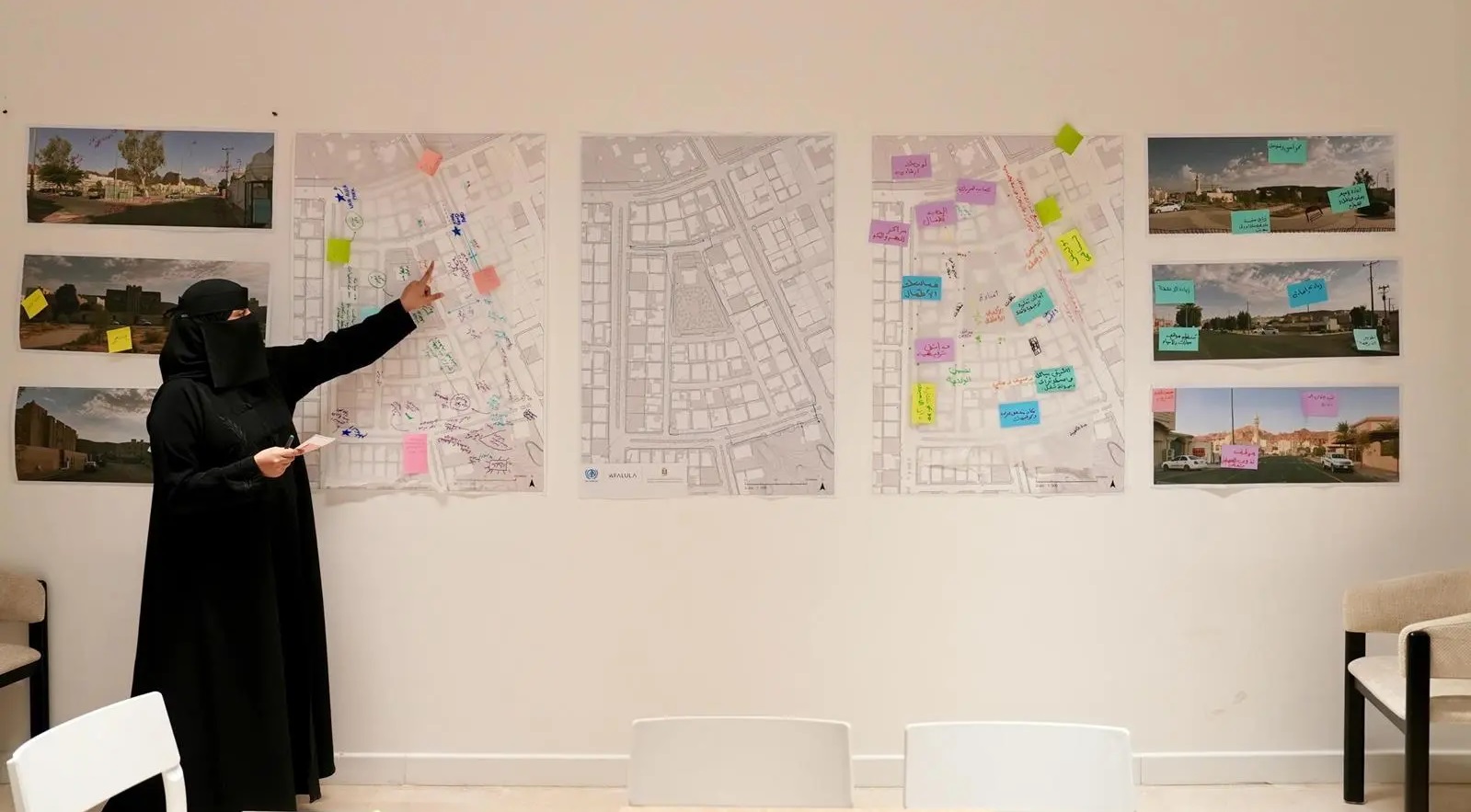
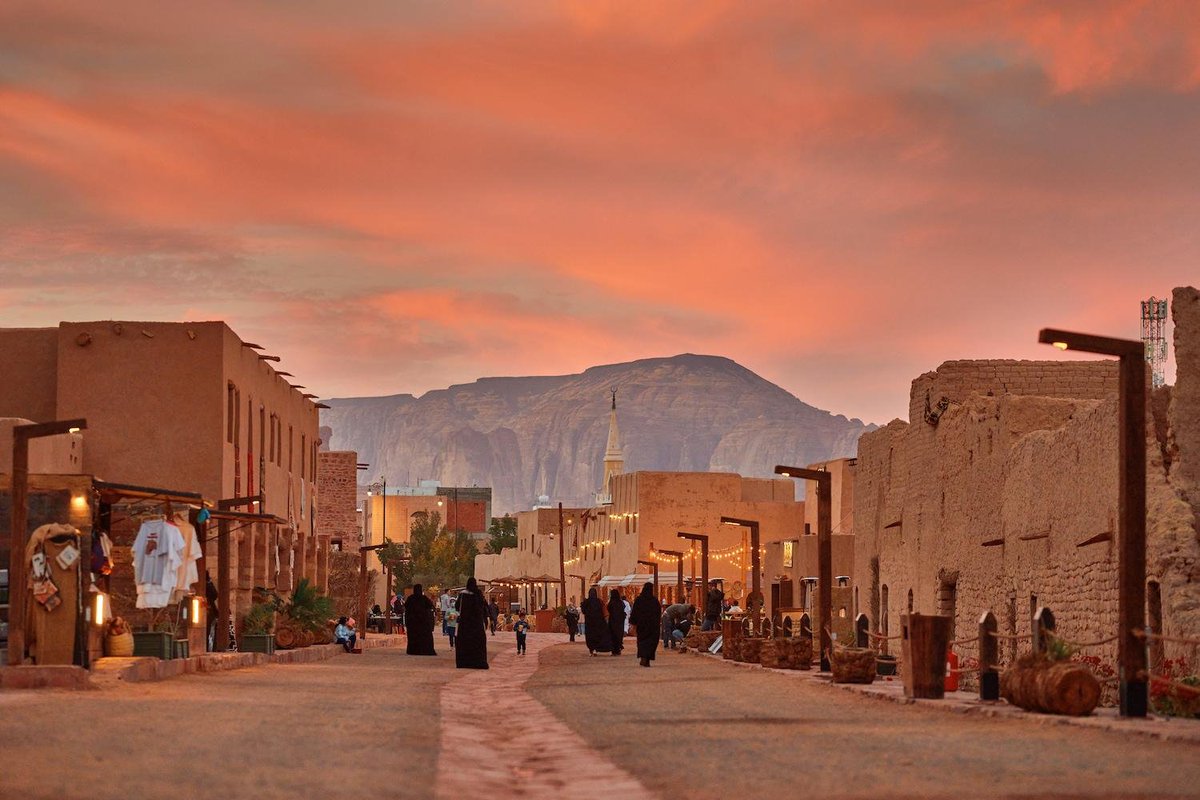
AlUla, Saudi Arabia — In a monumental step toward redefining sustainable urban development, the historic and cultural heart of AlUla has unveiled a transformative initiative aimed at modernizing mobility while preserving its unparalleled heritage. The Royal Commission for AlUla (RCU) has officially introduced the comprehensive "Friendly AlUla for Walking" project. This flagship urban planning strategy is designed to reshape the governorate’s infrastructure, aligning seamlessly with the ambitious goals of Saudi Vision 2030 and setting a new benchmark for eco-friendly tourism and community living in the Middle East.
The initiative represents a fundamental shift in how residents and visitors interact with AlUla’s vast landscape. By prioritizing pedestrian pathways, non-motorized transport, and cutting-edge urban design, the RCU is paving the way for a healthier, greener, and more interconnected future—one that honors the region’s millennia-old history as a crossroads of civilizations.
Main Facts
The "Friendly AlUla for Walking" initiative is not merely an infrastructure upgrade; it is a holistic philosophy of urban living tailored to one of the world’s most significant archaeological and cultural destinations.
The Core Objective: To create a pedestrian-first environment that drastically reduces carbon emissions, mitigates vehicular congestion, and promotes active, healthy lifestyles among residents and tourists alike.
Geographic Scope: The project spans key heritage zones, oasis sectors, and urban communities within AlUla, integrating modern transit solutions with historical preservation efforts.
Key Components: Development of dedicated walking paths, cycling lanes, smart lighting, shading structures utilizing eco-friendly materials, and seamless connectivity between major cultural landmarks and residential hubs.
Strategic Alignment: The initiative directly supports the AlUla Sustainability Charter, the Saudi Green Initiative, and the broader mandates of Vision 2030 to enhance the quality of life and create sustainable urban ecosystems.
Chronology of the Project
The realization of the "Friendly AlUla for Walking" initiative is the result of years of meticulous planning, strategic phasing, and a steadfast commitment to sustainable development.
1. Initial Conceptualization and Master Planning (2021–2023)
As part of the comprehensive AlUla Development Masterplan—specifically the "Journey Through Time" master plan—urban planners and heritage experts recognized the urgent need to protect AlUla’s fragile ecosystems and archaeological treasures from the pressures of modern vehicular traffic. Preliminary studies were commissioned to evaluate pedestrian flow, traffic patterns, and environmental impact.
2. Pilot Projects and Design Phases (2024–2025)
To ensure the efficacy of the proposed changes, the RCU rolled out localized pilot projects in select districts. These initial phases tested various paving materials, smart-shading technologies, and pedestrian-crossing configurations. Feedback from local communities and international urban planning consultants was integrated to refine the designs.
3. Official Launch and Wide-Scale Implementation (2025–2026)
Marking a major milestone, the RCU officially launched the comprehensive rollout of the walking initiative. Infrastructure development accelerated across central AlUla, introducing interconnected pathways that link historical sites, hospitality venues, and public squares.
Supporting Data and Infrastructure Details
The transformation of AlUla relies heavily on advanced engineering, environmental science, and data-driven urban planning.
Innovative Engineering and Materials
The pedestrian corridors have been constructed using sustainable, locally sourced materials that reflect the natural hues of AlUla’s sandstone cliffs. Advanced thermal-mapping studies were conducted to determine the optimal placement of natural and architectural shading, ensuring that pathways remain comfortable for walkers even during peak temperature months.
Smart Mobility Integration
The initiative incorporates state-of-the-art smart city technology:
Adaptive Lighting: Solar-powered LED lighting systems that adjust brightness based on pedestrian presence, minimizing light pollution and preserving the pristine night skies of AlUla.
Wayfinding Systems: Digital and tactile signage that guides visitors seamlessly through historical areas without disrupting the visual landscape.
Multimodal Hubs: Strategic integration points where pedestrians can easily transition to low-emission public transport, electric shuttles, or bicycle-sharing networks.
Official Responses and Stakeholder Perspectives
Leadership within the Royal Commission for AlUla has emphasized that the project embodies the delicate balance between modern progress and heritage conservation.
"AlUla is a gift to humanity, and our responsibility is to protect its past while designing a vibrant, sustainable future for generations to come," noted a senior RCU official during the launch event. "The ‘Friendly AlUla for Walking’ initiative is a testament to our commitment to human-centric urban design. We are creating spaces where history can be experienced at a human pace—on foot, in harmony with nature."
Environmental experts and urban planners collaborating with the RCU have praised the project for its rigorous adherence to ecological standards. By prioritizing non-motorized transit, AlUla is setting a regional precedent for how historical tourism destinations can combat climate change while enhancing visitor satisfaction. Local community leaders have also expressed strong support, noting that the enhanced walkways foster a greater sense of community well-being, safety, and local pride.
Implications and Future Outlook
The launch of the "Friendly AlUla for Walking" initiative carries profound implications for the region’s economy, tourism sector, and environmental footprint.
Economic and Tourism Benefits
By transforming AlUla into a highly walkable destination, the RCU is significantly enhancing the visitor experience. Tourists exploring heritage sites such as Hegra (a UNESCO World Heritage site) or the AlUla Oasis will now enjoy a more immersive, unhurried, and personalized journey. This shift is expected to increase average dwell times, boost local artisanal economies, and support boutique hospitality ventures.
Environmental Sustainability
The reduction in internal combustion engine vehicles within core zones translates directly to lower carbon emissions and preserved air quality. Furthermore, the expansion of green corridors and shaded pathways contributes to local microclimate regulation, combating the urban heat island effect and protecting the delicate biodiversity of the AlUla Oasis.
A Blueprint for the Region
As Saudi Arabia continues its rapid economic and social transformation under Vision 2030, projects like "Friendly AlUla for Walking" serve as a visionary blueprint for other cities and heritage zones across the Middle East. It proves that rapid modernization and historical preservation are not mutually exclusive, but rather mutually reinforcing pillars of a sustainable future.
With ongoing developments scheduled through the remainder of the decade, AlUla continues to cement its status as a global icon of cultural heritage, environmental stewardship, and innovative urban mobility.