As temperatures plummet and winter settles across the region, a functioning home heating system transitions from a mere convenience to an absolute necessity. Whether you reside near the breezy shores of Avon Lake or deeper inland in North Ridgeville, discovering that your heater has stopped working can instantly turn your cozy sanctuary into a freezing environment.
When the heat goes out, panic often sets in. However, before reaching for the phone to call for emergency services, homeowners can systematically evaluate and troubleshoot their heating systems. Understanding the root causes of a malfunctioning heater—ranging from simple thermostat misconfigurations to complex electrical and mechanical failures—can save you time, money, and unnecessary discomfort.
Main Facts: The Anatomy of a Heating Failure
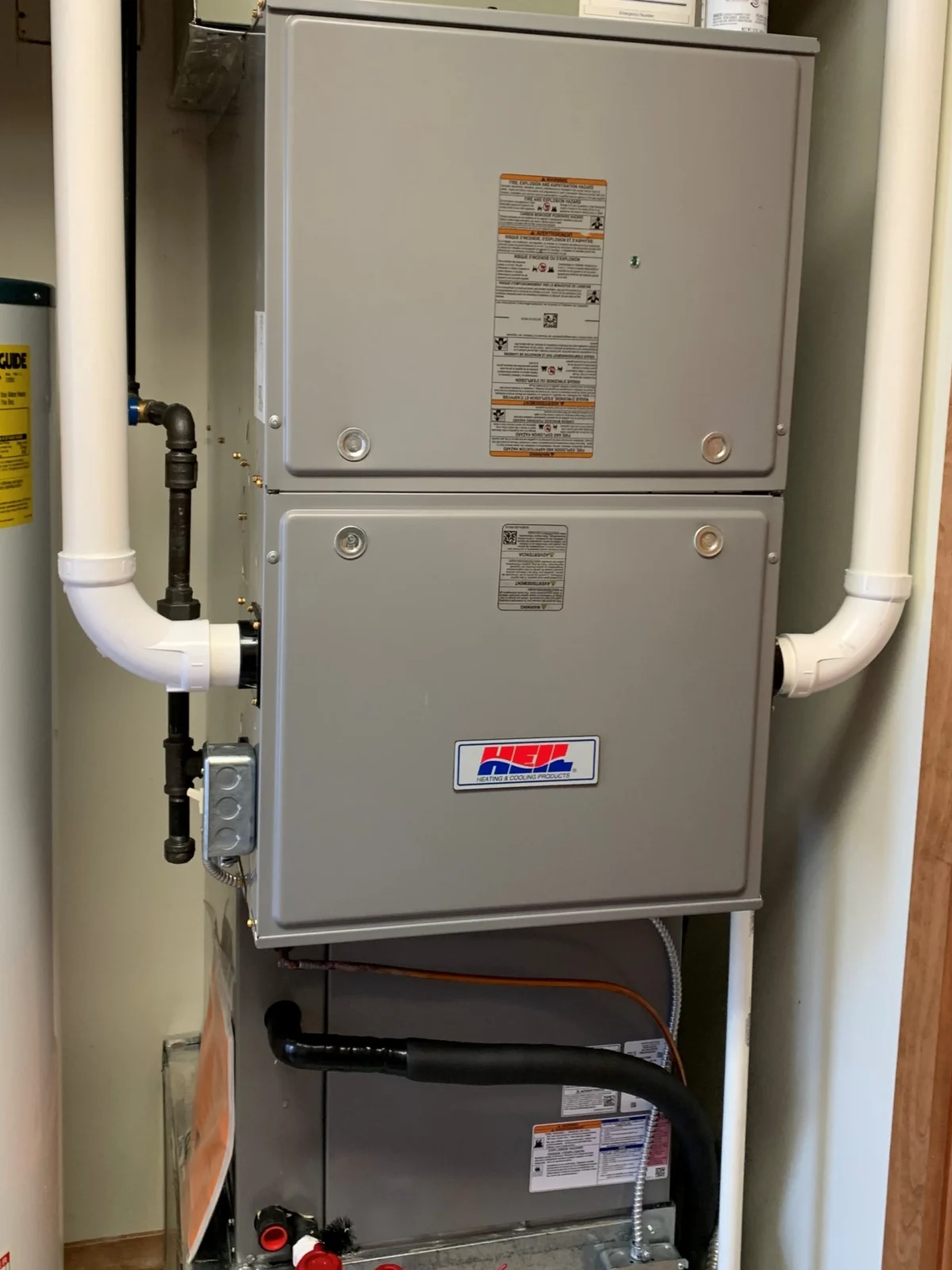
Modern residential heating systems are sophisticated networks of electrical components, fuel lines, mechanical blowers, and computerized controls. When a breakdown occurs, it is typically the result of a failure in one of seven primary areas:
- Thermostat Malfunctions: The command center of your home comfort system may lose power, suffer from calibration errors, or fail to communicate with the furnace or heat pump.
- Power Supply Interruptions: Tripped circuit breakers, blown fuses, or disconnected wiring can instantly cut electricity to the entire unit.
- Pilot Light and Ignition Issues: Gas-powered systems rely on a consistent flame or electronic igniter to combust fuel safely; drafts, clogs, or faulty thermocouples frequently disrupt this process.
- Restricted Airflow: Dirty, clogged air filters force the system to work overtime, leading to overheating, uneven temperatures, and potential shutdowns.
- Blower Motor Failures: Worn-out bearings, failing capacitors, and motor overheating will halt the circulation of warm air throughout your home.
- Fuel Supply Disruptions: Empty oil tanks, closed gas valves, or obstructed fuel lines will starve the system of the energy it needs to generate heat.
- Ductwork Compromises: Leaks, disconnections, or heavy dust accumulations within the ducts prevent heated air from reaching its intended destinations.
Chronology of a Breakdown: How Heating Systems Fail
To effectively troubleshoot a heating system, it helps to understand the chronological sequence of a standard heating cycle. When the temperature inside your home drops below your thermostat’s set point, a specific chain of events must occur for warm air to emerge from your vents.
Phase 1: The Call for Heat (The Thermostat)
The process begins at the thermostat. When the ambient temperature falls, the thermostat sends a low-voltage electrical signal to the heating unit, commanding it to turn on. If the thermostat has dead batteries, a dirty internal sensor, or loose wiring, this initial signal is never sent, and the heater remains completely dormant.
Phase 2: Safety Checks and Power Activation
Once the furnace or boiler receives the signal, safety interlocks engage. The control board checks whether power is flowing correctly through the circuit breaker and verifies that access panels are securely closed. If a power supply issue exists—such as a tripped breaker—the system cannot even begin its startup sequence.
Phase 3: Ignition and Combustion
For gas and oil systems, the next step involves ignition. The electronic igniter glows or the pilot light ignites the burners. Simultaneously, the gas valve opens to supply fuel. If the pilot light has blown out, the thermocouple is defective, or the burner orifices are clogged with soot and debris, the system will fail to ignite. Many modern units feature safety lockouts that shut off the gas supply entirely if ignition fails after a few attempts.
Phase 4: Heat Exchange and Blower Activation
As the burners fire, they heat up the metal heat exchanger. The system waits a brief moment for the exchanger to warm up, preventing cold air from being blown into the living space. Once the internal temperature reaches the designated threshold, the blower motor kicks on, drawing cold air through the return ducts, pushing it across the hot heat exchanger, and distributing the newly warmed air through the supply ductwork.
If air filters are choked with dust, or if the blower motor’s capacitor has failed, the system will either overheat and trip an internal safety limit switch or fail to move air altogether.
Deep Dive: Troubleshooting the 7 Common Heating Failures
When your heater stops working, a methodical diagnostic approach can help you isolate the problem. Below is a detailed breakdown of each major issue, along with safe, homeowner-friendly troubleshooting steps.
1. Thermostat Issues
A malfunctioning thermostat acts as a roadblock between you and your home’s warmth. Beyond dead batteries, thermostats can experience communication breakdowns with zoned heating systems or internal sensor drift.
- Symptoms: The heater refuses to turn on or off at the programmed temperature; the digital display is blank; or the system cycles on and off too rapidly (short-cycling).
- Troubleshooting Steps:
- Verify that the thermostat is set to "Heat" and that the target temperature is set at least five degrees higher than the current room temperature.
- Replace the batteries if the unit uses a digital display.
- Remove the cover and gently clean internal dust using a soft brush or compressed air.
- If the unit remains unresponsive, consult the manufacturer’s manual to perform a factory reset or recalibration.
2. Power Supply Problems
Heating systems require a steady flow of electricity to power control boards, ignition systems, and blower motors.
- Symptoms: Complete lack of power (no indicator lights on the furnace control board), or a system that starts up briefly before cutting out entirely.
- Troubleshooting Steps:
- Locate your home’s main electrical panel and inspect the circuit breaker dedicated to the HVAC system. If the switch is tripped or positioned in the middle, reset it by pushing it firmly to the "Off" position and then back to "On."
- Check the emergency shut-off switch, typically mounted on the wall near the top of the basement stairs or directly on the side of the furnace housing. Ensure it has not been accidentally flipped off.
- Important Note: If the circuit breaker trips repeatedly immediately upon being reset, stop troubleshooting instantly. This indicates a dangerous electrical short or an overloaded circuit that requires a professional HVAC technician.
3. Pilot Light or Ignition Problems
Traditional standing pilot lights and modern electronic ignition systems are responsible for lighting the fuel in gas furnaces. Over time, drafts, dirt, and component degradation can prevent proper ignition.
- Symptoms: The furnace blows unheated air, makes clicking sounds without firing up, or the heater operates intermittently before shutting down.
- Troubleshooting Steps:
- Locate the pilot assembly (consult your owner’s manual for exact placement). If you have a standing pilot light and notice the flame is out, carefully follow the manufacturer’s printed lighting instructions.
- If the pilot light will not stay lit after holding the reset button down for the recommended duration, the thermocouple—a safety device that detects the flame—may be dirty or broken.
- For electronic ignition systems (such as hot surface igniters), avoid touching the fragile ceramic igniter element. If it fails to glow or appears cracked, it must be replaced by a qualified professional.
4. Dirty or Clogged Filters
In regions experiencing harsh winters, heating systems run continuously for weeks at a time. This heavy usage accelerates the accumulation of dust, pet dander, and airborne particles in air filters.
- Symptoms: Noticeably weak airflow from supply vents, uneven heating between rooms, whistling sounds from return ducts, or the furnace constantly running long cycles without adequately warming the house.
- Troubleshooting Steps:
- Locate your air filter, which is typically housed in a slot along the return air duct or inside the blower compartment of the furnace.
- Slide the filter out and hold it up to a light source. If you cannot see light passing through the mesh, it is heavily clogged.
- Replace disposable filters with a new unit of the exact same dimensions, ensuring the airflow directional arrows point toward the furnace unit.
5. Malfunctioning Blower Motor
The blower motor is the mechanical heart of your forced-air heating system, responsible for circulating air through the ductwork.

- Symptoms: Total absence of airflow despite the burners being lit; squealing, grinding, or screeching noises; a burning electrical odor near the unit; or the motor failing to engage entirely.
- Troubleshooting Steps:
- Confirm that the circuit breaker is intact and that the blower compartment door is securely closed (most furnaces feature a safety switch that cuts power if the access panel is ajar).
- Listen closely to the motor. If you hear a loud humming sound without rotation, the blower wheel may be jammed or the motor capacitor has failed.
- Safety Warning: Blower motors operate under high voltage and involve intricate mechanical assemblies. Never attempt DIY motor replacements or wiring repairs; always enlist a certified technician.
6. Fuel Supply Issues (Oil and Gas Systems)
Without an uninterrupted supply of natural gas, propane, or heating oil, your heating system cannot generate thermal energy.
- Symptoms: The system goes through its startup sequence, clicks, but fails to ignite, accompanied by a complete absence of heat.
- Troubleshooting Steps:
- For oil-heated homes, check your storage tank gauge to ensure fuel levels are adequate. Running out of heating oil will require a delivery followed by system bleeding to clear air from the fuel lines.
- For gas systems, verify that the main gas supply valve connected to the pipe leading into the furnace is turned parallel to the pipe (the "open" position).
- If you detect the distinct rotten-egg odor of a natural gas leak, evacuate the premises immediately, leave all doors and windows open, and contact your utility provider or emergency services from a safe location.
7. Ductwork Problems
Even a perfectly functioning furnace will fail to keep your home warm if the distribution network is compromised.
- Symptoms: Certain rooms remain freezing while others are warm; high energy bills; excessive dust accumulation around supply vents; or whistling sounds originating from hidden walls and ceilings.
- Troubleshooting Steps:
- Inspect accessible ductwork in crawlspaces, basements, and attics for visible tears, disconnected joints, or crushed sections of flexible duct.
- Ensure that all supply and return vents inside your living spaces are fully open and unobstructed by rugs, furniture, or curtains.
- Seal minor gaps using UL-181 approved foil mastic tape, but schedule a professional duct inspection for extensive leaks or insulation degradation within sealed walls.
Understanding the "First-Turn-On" Burning Smell
Many homeowners experience a moment of panic during the first crisp autumn or winter day when they activate their heater and notice a distinct burning odor wafting through the house.
In the vast majority of cases, this is a completely normal phenomenon. Over the spring and summer months, microscopic dust particles, pet hair, and household allergens settle quietly on the heat exchangers and inside the ductwork. When the heating elements fire up for the first time of the season, this accumulated dust incinerates.
What is normal: A dusty, musty burning smell that dissipates entirely within 10 to 15 minutes of continuous operation.
What is abnormal: A sharp, pungent odor resembling melting plastic, chemical scorching, or electrical burning. If this acrid smell persists beyond a few minutes, or if it is accompanied by visible smoke or a repeatedly tripping circuit breaker, turn off your heating system immediately. This indicates a serious safety hazard—such as an electrical short in the wiring, a blocked vent causing severe overheating, or foreign debris trapped directly against the hot heat exchanger—and requires immediate professional intervention.
Implications: Why Prompt Action Matters
Ignoring a malfunctioning heating system or attempting prolonged, unsafe DIY repairs carries significant physical, financial, and structural implications.
Health and Safety Risks
The most critical concern associated with malfunctioning heating systems—particularly gas and oil furnaces—is the risk of carbon monoxide (CO) poisoning. A cracked heat exchanger, a malfunctioning draft inducer motor, or a poorly vented exhaust system can cause this odorless, colorless, and deadly gas to leak into your living spaces. Furthermore, attempting complex electrical repairs without proper training exposes homeowners to severe shock hazards and potential fire outbreaks.
Financial Consequences
Allowing minor heating issues to persist invariably leads to catastrophic failures. A restricted air filter or a failing blower capacitor forces the system to run continuously, driving up your monthly utility bills while accelerating wear and tear on expensive internal components. Addressing a minor adjustment early is vastly more cost-effective than replacing an entire furnace in the dead of winter.
Property Damage Protection
Freezing winter temperatures pose a severe threat to your home’s infrastructure. If a heating system fails completely while you are away or overnight, indoor temperatures can plummet below freezing, causing exposed water pipes to freeze, expand, and burst. This can result in catastrophic indoor flooding, ruined drywall, and thousands of dollars in property damage.
Professional Intervention and Official Recommendations
When basic troubleshooting steps—such as replacing thermostat batteries, swapping out a dirty air filter, or resetting a tripped circuit breaker—fail to restore heat to your home, it is time to call in qualified professionals.
Attempting to repair complex mechanical, gas, or electrical components without specialized tools and licensing voids equipment warranties and violates local building codes. Certified HVAC technicians possess the diagnostic instruments required to test combustion efficiency, measure electrical resistance, detect microscopic gas leaks, and inspect heat exchangers for structural cracks using specialized cameras.
Local Expertise You Can Trust
For residents navigating frigid winters across Northeast Ohio—including Avon Lake, North Ridgeville, and surrounding communities—having a reliable heating partner is essential. Professional teams like Climate-Tech provide comprehensive heating services tailored to the unique demands of local climates. Whether you require emergency furnace repairs, preventative seasonal maintenance, or a complete system replacement, trusting experienced technicians ensures that your home remains warm, efficient, and safe all winter long.
Do not let a heating breakdown compromise your family’s comfort and safety. If your troubleshooting efforts fall short, reach out to a licensed HVAC professional immediately to restore dependable warmth to your home.