





May 13, 2026 | By Scott Jenkins
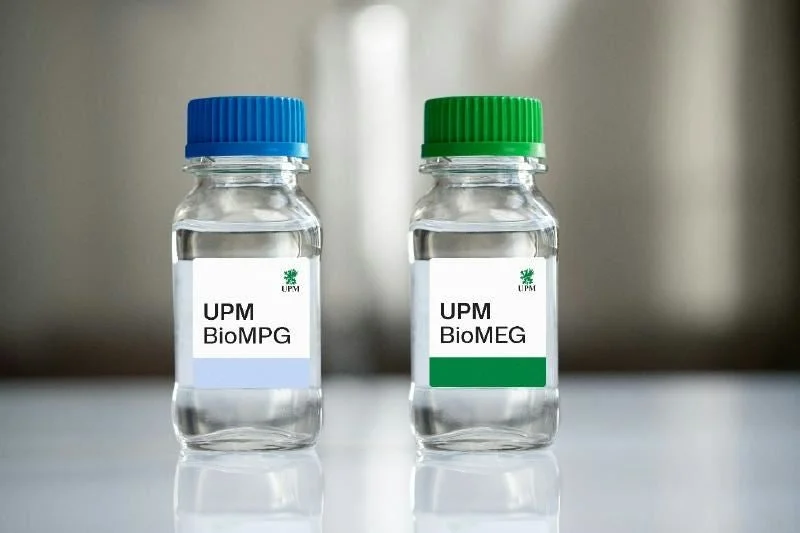
In a move that signals a significant consolidation of expertise within the European renewable chemicals sector, Helsinki-based materials giant UPM has officially announced the acquisition of the intellectual property (IP) portfolio related to Avantium N.V.’s proprietary Ray Technology®. The agreement, finalized this week, marks a pivotal shift in the landscape of bio-based industrial chemistry, specifically regarding the production of mono-ethylene glycol (MEG) and mono-propylene glycol (MPG) derived from plant-based sugars.
While the financial terms of the transaction were described by UPM as immaterial to its overall balance sheet, the strategic implications are profound. By absorbing Avantium’s patent estate and invention disclosures, UPM is effectively fortifying its "freedom to operate" and expanding its technological toolkit for the conversion of lignocellulosic biomass into high-value chemical building blocks.
Main Facts: Consolidating the Path to Sustainable Glycols
The acquisition centers on Ray Technology®, a sophisticated process developed by Amsterdam-based Avantium that enables the catalytic conversion of industrial sugars into glycols. These chemicals—MEG and MPG—are critical components in the manufacturing of various polymers, textiles, and resins, most notably polyethylene terephthalate (PET).
Key elements of the transaction include:
- IP Portfolio Transfer: UPM has acquired the full suite of patents and technical invention disclosures associated with Ray Technology®.
- Strategic Scope: The deal is not merely about a single process; it provides UPM with the ability to integrate diverse lignocellulosic conversion pathways into its existing operational framework.
- Operational Continuity: The acquisition does not disrupt UPM’s ongoing operations at its Leuna biorefinery in Germany, but rather provides a broader "menu" of process configurations for future capacity expansions.
- Focus on Circularity: The deal reinforces the transition from fossil-based feedstocks to renewable, carbon-neutral biomass, directly supporting the European Union’s broader goals for a circular economy.
Chronology: A Timeline of Innovation and Strategic Alignment
The journey toward this acquisition represents years of parallel development in the renewable chemical space.
- 2018–2022: Both UPM and Avantium emerged as frontrunners in the race to replace fossil-based chemicals with bio-based alternatives. UPM focused heavily on the development of its wood-based biorefinery concept in Leuna, Germany, while Avantium refined its Ray Technology® to demonstrate that plant-based sugars could be converted to glycols at a pilot and demonstration scale.
- 2023–2025: UPM moved into the industrial scaling phase, initiating the complex startup procedures at the Leuna facility. During this period, the need for robust intellectual property protection and technological optionality became increasingly apparent as the company prepared for large-scale market entry.
- Q1 2026: Preliminary discussions between UPM and Avantium regarding the future of the Ray Technology® platform began. Recognizing that their core competencies were converging, both firms sought a path that would allow UPM to integrate these assets while allowing Avantium to potentially streamline its focus on other core renewable polymer initiatives.
- May 13, 2026: The formal announcement of the IP transfer. This date marks the official transition of the Ray Technology® IP estate to UPM, setting the stage for the next phase of integration into UPM’s "Next Generation Renewables" strategy.
Supporting Data: The Chemical Shift
The shift toward bio-based glycols is driven by both regulatory pressures and market demand for lower carbon footprints. MEG, the primary component of PET, is a multi-billion-dollar global market traditionally dominated by petrochemical pathways (ethylene oxide/ethylene glycol).
The Lignocellulosic Advantage
Lignocellulosic biomass—derived from wood, agricultural waste, and residues—does not compete with food production, unlike first-generation bio-ethanol feedstocks. UPM’s Leuna biorefinery is currently the industrial benchmark for this technology.
| Metric | Fossil-based MEG | UPM Bio-based MEG (Ray/Platform) |
|---|---|---|
| Primary Feedstock | Ethylene (Crude Oil/Gas) | Wood/Lignocellulosic Biomass |
| Carbon Intensity | High | Near-Neutral |
| Performance | High (Industry standard) | Equivalent (Drop-in replacement) |
| Market Status | Mature | Scaling/Industrial Launch |
The inclusion of the Ray Technology® patent portfolio allows UPM to refine the "conversion efficiency" of its biomass inputs. By having multiple patented pathways for sugar-to-glycol conversion, UPM can optimize its catalysts and reaction conditions to suit varying qualities of biomass feedstock, a critical factor in long-term operational profitability.
Official Responses: The Strategic Vision
The leadership at UPM views this acquisition as a decisive move to secure a premium market position. Harald Dialer, Chief Technology Officer at UPM and Executive Vice President of UPM Next Generation Renewables, emphasized that the move is fundamentally about strategic agility.
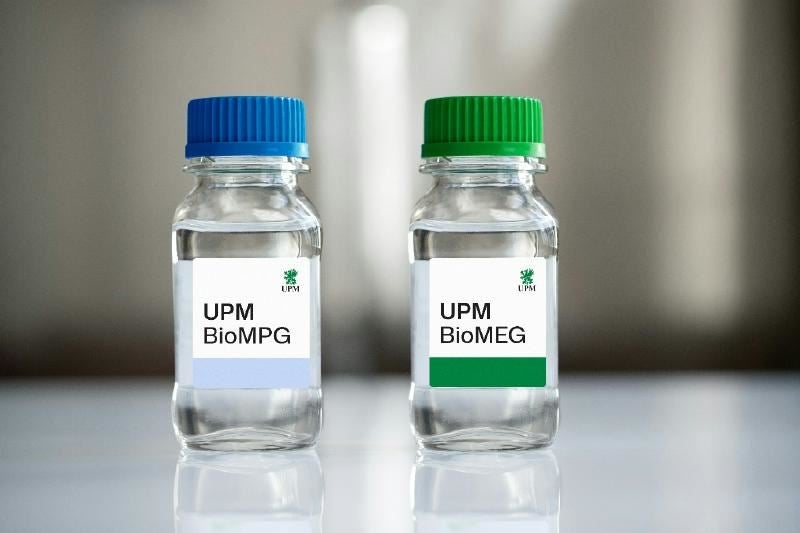
"This acquisition is a focused step that strategically expands the scope of our IP portfolio in bio-based glycols and strengthens our freedom to operate as we scale the industrial production of renewable chemicals," Dialer stated. "Combining Avantium’s Ray Technology® patent estate with our own platform broadens our future process options and solidifies the premium market position we have obtained with our 100% UPM BioPET™."
Dialer further noted the broader impact on the European bioeconomy, highlighting that the transaction is not just a corporate win but a catalyst for regional industrial growth. "This transaction confirms UPM’s role as a frontrunner in building a competitive European industrial bioeconomy," he added.
Avantium, for its part, continues to position itself as a key technology provider. By divesting the Ray Technology® IP to a partner that is actively bringing it to industrial scale, Avantium ensures that its years of research will see commercial fruition while the company pivots its resources toward other innovations in the renewable and circular polymer space.
Implications: The Road Ahead for the Bioeconomy
The acquisition of the Ray Technology® portfolio has far-reaching implications for the chemical industry, the investment community, and the global effort to decarbonize the materials sector.
1. Market Competitiveness and "Drop-in" Solutions
The primary hurdle for any new chemical process is market adoption. Because the glycols produced by UPM are chemically identical to their fossil-based counterparts, they serve as "drop-in" solutions. This means manufacturers of water bottles, polyester clothing, and automotive components can switch to UPM’s bio-based products without retooling their machinery. By securing a wider patent moat, UPM is ensuring that it can sustain this market advantage against both traditional petrochemical incumbents and emerging bio-tech startups.
2. European Industrial Sovereignty
The European Union has set aggressive targets for reducing carbon emissions by 2050. The scale-up of technologies like those now under UPM’s umbrella is essential to achieving these goals. By centralizing the IP, UPM is creating a "center of excellence" in Germany that serves as a lighthouse project for other nations. The collaboration suggests a maturing market where companies are moving away from competitive fragmentation and toward strategic partnerships that allow for faster, more efficient industrial scaling.
3. Future-Proofing the Supply Chain
The volatile nature of fossil fuel prices has historically plagued the chemical industry. By decoupling chemical production from the price of oil and tying it to the cost of sustainable wood residues, UPM is providing its customers with a more predictable and stable supply chain. The Ray Technology® addition allows for "optionality"—if one conversion method becomes less efficient due to a change in feedstock availability, UPM now has the IP flexibility to pivot to a different, patented pathway without violating existing agreements.
4. Setting the Standard for Sustainability
As brands across the globe come under increasing pressure from consumers and regulators to reduce their reliance on virgin fossil plastics, the demand for bio-based materials is expected to outpace supply. UPM’s move effectively creates a barrier to entry for smaller players, while simultaneously signaling to major consumer goods companies—such as those in the food and beverage packaging sector—that a high-volume, reliable source of bio-based PET is not only possible but imminent.
Conclusion
The acquisition of Avantium’s Ray Technology® by UPM is a textbook example of strategic IP consolidation. It represents a maturation of the bio-based chemical industry, moving beyond the "experimental" phase and into an era of rigorous industrial scaling. With the Leuna biorefinery coming online and this new patent portfolio in its arsenal, UPM is positioning itself to be the defining force in the transition to a sustainable, carbon-neutral chemical industry.
As the global economy continues to grapple with the dual challenges of climate change and material resource scarcity, the synthesis of wood-based chemistry and advanced catalytic processing—exemplified by this deal—will likely prove to be the cornerstone of the next generation of industrial innovation.