





In a landmark move designed to fortify the European Union’s pharmaceutical resilience, the European Parliament and the Council have reached a provisional agreement on the proposed Critical Medicines Act (CMA). This legislative framework, first introduced in March 2025, represents a fundamental shift in how the bloc manages its health security, transitioning from a reactive posture to a proactive, strategic approach to supply chain management. By prioritizing local manufacturing, diversifying global dependencies, and streamlining regulatory hurdles, the EU is signaling that the era of pharmaceutical vulnerability is coming to a close.
The CMA is not merely a technical regulation; it is an economic and geopolitical imperative. As the EU navigates a complex global landscape defined by shifting trade dynamics and the persistent threat of supply chain bottlenecks, this Act serves as a cornerstone for ensuring that patients across the continent maintain uninterrupted access to life-saving treatments.
The Strategic Imperative: Why the CMA Now?
The genesis of the Critical Medicines Act lies in the hard lessons learned from recent global crises. The Covid-19 pandemic laid bare the fragility of just-in-time supply chains, revealing how rapidly a public health crisis can morph into a supply emergency. Following the pandemic, the EU remained acutely aware that its reliance on third-party nations for active pharmaceutical ingredients (APIs) and finished products left it exposed to geopolitical shocks.
The current geopolitical climate—marked by instability in the Middle East and the resulting disruption of maritime logistics—has only accelerated the need for this legislative intervention. With commercial shipping through critical chokepoints like the Strait of Hormuz remaining at historic lows, the risks to the European pharmaceutical pipeline are no longer theoretical; they are immediate. The CMA aims to insulate the European healthcare ecosystem from these exogenous shocks by fostering a more self-reliant, "Made in Europe" pharmaceutical industry.
Chronology: A Path to Legislative Consensus
The journey toward the CMA has been marked by intensive collaboration between European institutions, driven by a consensus that the status quo was unsustainable.
- March 2025: The European Commission officially tables the proposal for the Critical Medicines Act, outlining a comprehensive plan to bolster supply chain security and manufacturing capabilities.
- Late 2025: Stakeholder consultations involve heavy engagement from the European Medicines Agency (EMA), pharmaceutical industry leaders, and patient advocacy groups, refining the definition of "critical" medicines.
- Q1 2026: The list of approximately 300 critical medicines is finalized, including everything from common analgesics like paracetamol to complex biologics and immunosuppressants.
- May 2026: The European Parliament and the Council reach a provisional agreement, signaling political alignment on the key pillars of the Act, including preferential procurement and funding for strategic projects.
- Future Milestones: The Act moves toward formal adoption, with implementation phases expected to begin in late 2026, setting the stage for national regulatory alignment across member states.
Supporting Data: The Trade Landscape
The urgency behind the CMA is grounded in clear economic data. The European pharmaceutical sector remains one of the bloc’s most vital industries, yet it is currently locked in a cycle of high-volume international trade that creates both opportunity and risk.
In 2025, the EU saw a 21% surge in the import of medicinal and pharmaceutical products. While this reflects a robust demand for healthcare solutions, it also highlights an increasing dependence on external markets—most notably the United States. Simultaneously, exports rose by 16%, proving that while Europe is a global pharmaceutical powerhouse, its internal distribution network remains susceptible to the volatility of global logistics.
The list of 300 critical medicines identified for the framework is the most comprehensive in the EU’s history. It categorized these based on two criteria: the medical necessity of the treatment and the risk of supply disruption. By targeting these specific products—which include essential antibiotics, vaccines for chronic conditions, and rare disease therapeutics—the EU intends to concentrate its financial and regulatory resources where they are most needed to prevent public health failures.
Official Responses and Political Vision
The agreement has garnered strong support from policymakers who view the CMA as a vital tool for European autonomy. Tomislav Sokol, a key Member of the European Parliament (MEP) who championed the deal, emphasized that the Act is designed to create a "virtuous cycle" of local production and security.
"By introducing collaborative procurement at the EU level, we are taking concrete action to address shortages and ensure security of supply," Sokol stated. "At the same time, we are sending a clear signal that Europe is committed to strengthening its pharmaceutical manufacturing base. Companies that produce medicines in Europe will be favored in procurement procedures. Strategic projects will benefit from access to national and EU funding and from faster and more efficient permitting procedures."
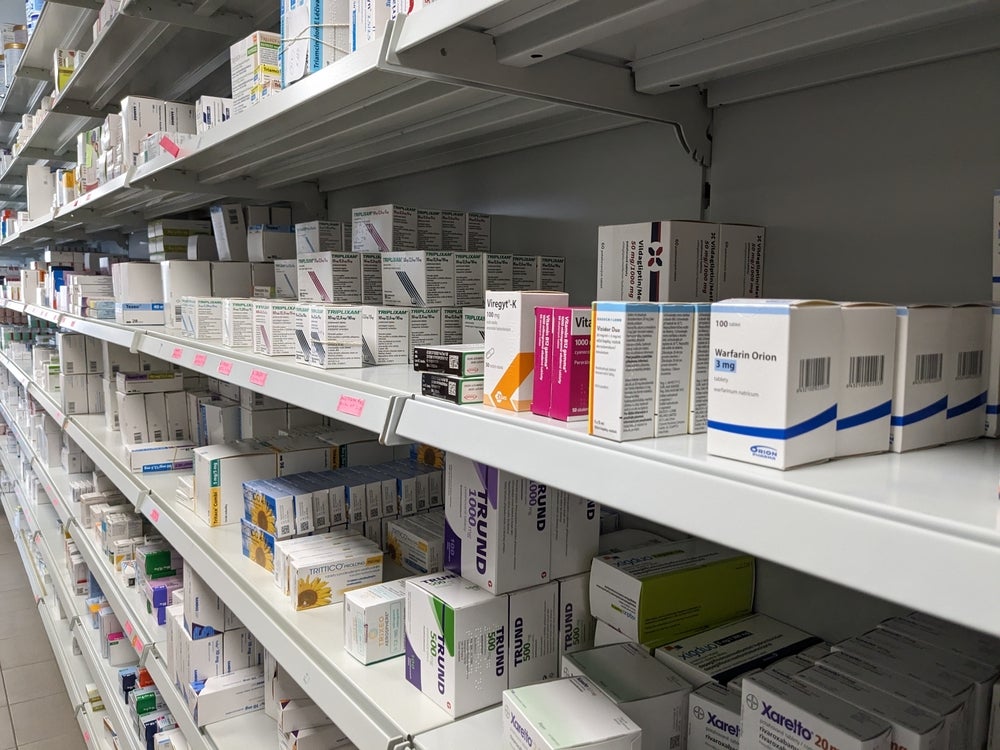
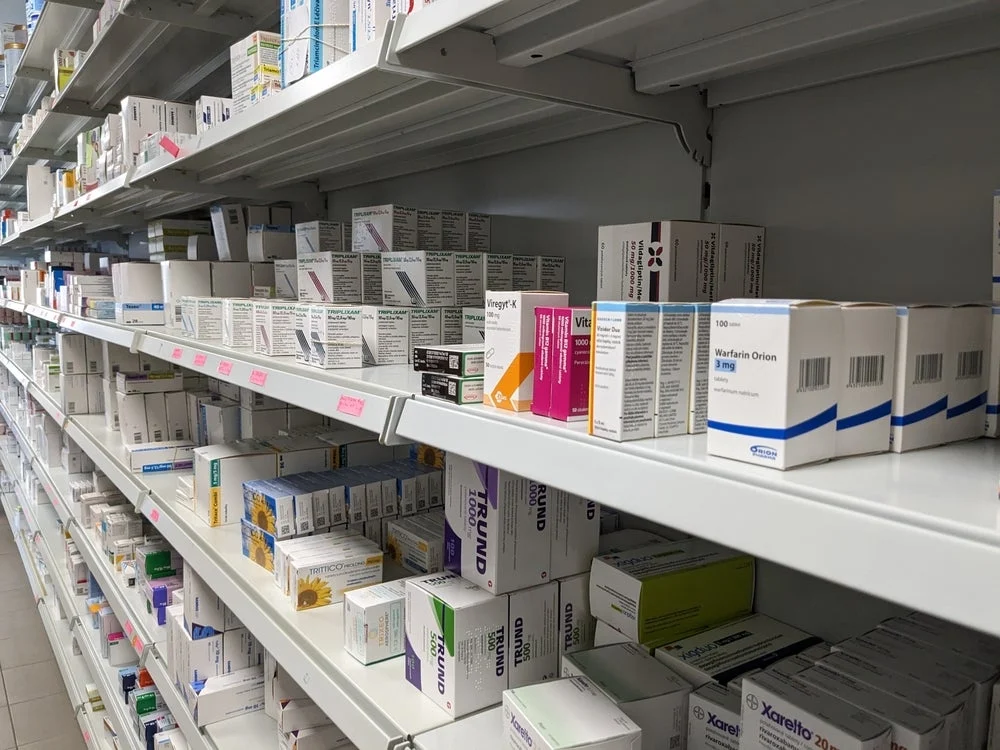
The European Medicines Agency (EMA) has been equally vocal in its support. Emer Cooke, the agency’s Executive Director, framed the agreement as a milestone for public health. "At a time of increasing global disruptions, resilient and secure supply chains for critical medicines are essential to protect public health across the EU," Cooke noted. She highlighted that the Act provides the EMA with the necessary tools to monitor, detect, and mitigate shortages before they reach the pharmacy shelves.
Implications for the Pharmaceutical Sector
The implications of the Critical Medicines Act for the pharmaceutical industry are profound. For manufacturers, the Act changes the competitive landscape in several key ways:
1. Procurement and Market Access
The most immediate impact will be the shift in procurement. Member states will now be encouraged to utilize collaborative, EU-wide procurement mechanisms. By aggregating demand, the EU can negotiate more favorable terms and ensure consistent supply. Crucially, the CMA provides a "home-court advantage" for companies that manufacture their products within the EU, creating a strong incentive for firms to reshore their production lines.
2. Streamlining Regulatory Hurdles
One of the most frequent complaints from industry leaders has been the complexity of regulatory permitting. The CMA addresses this by promising faster and more efficient permitting for "strategic projects." By reducing the red tape associated with establishing or expanding manufacturing sites, the EU hopes to lower the cost of entry for companies looking to bolster their European footprint.
3. Financial Incentives and Funding
Strategic projects will gain priority access to both national and EU-wide funding. This is expected to mobilize private capital by de-risking investments in manufacturing infrastructure. Whether it is a facility for advanced biologics or a factory for essential generic antibiotics, the CMA provides the financial backbone to ensure these projects are viable and sustainable.
Challenges and Future Outlook
While the CMA is a significant achievement, the road ahead is not without challenges. Critics and industry analysts have pointed out that "reshoring" is a capital-intensive and time-consuming process. Simply passing a law does not immediately translate into new factories or increased output of APIs. The EU will need to ensure that the regulatory environment remains conducive to innovation while simultaneously enforcing the new mandates.
Furthermore, there is the delicate balance of trade. As the EU looks to reduce its dependence on non-EU countries, it must navigate the potential for trade friction, particularly with the US, which remains its largest partner. The challenge will be to achieve "strategic autonomy" without engaging in protectionism that could isolate the European market from global innovations.
However, the prevailing sentiment remains optimistic. The Critical Medicines Act is widely seen as the start of a new, more mature phase for European health policy. It recognizes that in a volatile world, health security is national security. By aligning the interests of regulators, manufacturers, and patients, the EU is building a framework that is not only robust enough to weather the storms of today but flexible enough to adapt to the medical challenges of tomorrow.
As the legislation moves toward formal adoption, the eyes of the global pharmaceutical industry will remain fixed on Brussels. The success of the CMA will ultimately be measured not by the text of the law, but by the tangible availability of medicines when patients need them most. If successful, the Act could serve as a global blueprint for how regional powers can balance the benefits of a globalized economy with the absolute necessity of domestic health sovereignty.