




May 13, 2026 | By Mary Bailey
In a significant stride toward decarbonizing heavy industry, Sunfire SE has officially launched the HyLink Alkaline 23, an advanced outdoor pressurized alkaline electrolyzer system. As the global push for net-zero emissions intensifies, the Dresden-based company’s latest innovation represents a critical pivot toward the "triple-digit megawatt" era of hydrogen production. By offering a 50-megawatt (MW) module that promises to slash total installed costs (TIC) by up to 50%, Sunfire is addressing the primary barrier currently hindering the green hydrogen transition: economic scalability.
The Core Innovation: Engineering Efficiency at Scale
At the heart of the HyLink Alkaline 23 lies Sunfire’s proven, second-generation 30-bar(g) pressurized alkaline stack. This technology is not merely a prototype; it is a battle-tested solution already operating across multiple industrial sites in Europe. The choice of a 30-bar pressurized system is strategic; by generating hydrogen at elevated pressures directly within the stack, the system drastically reduces the energy-intensive and capital-heavy requirements for downstream mechanical compression.
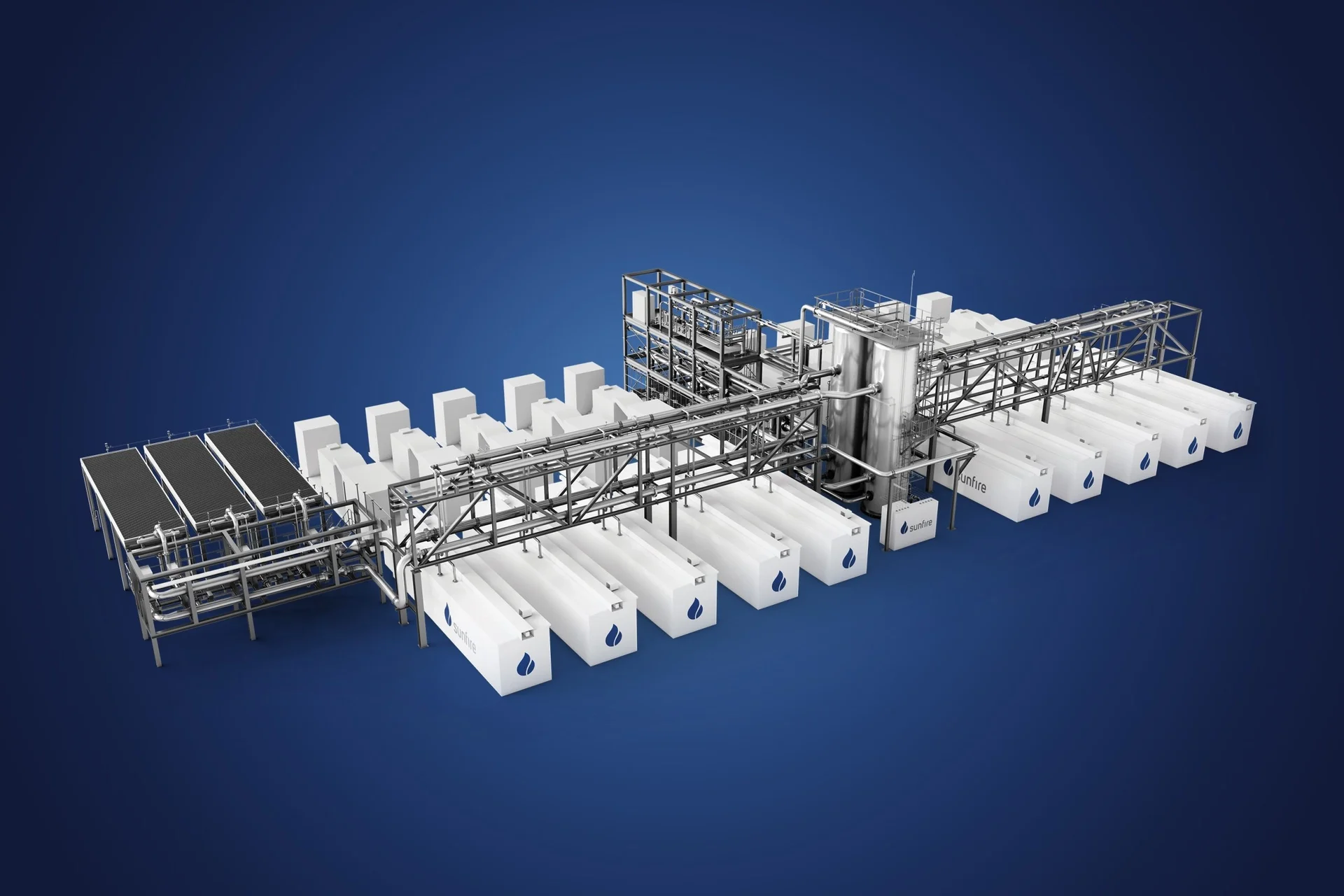
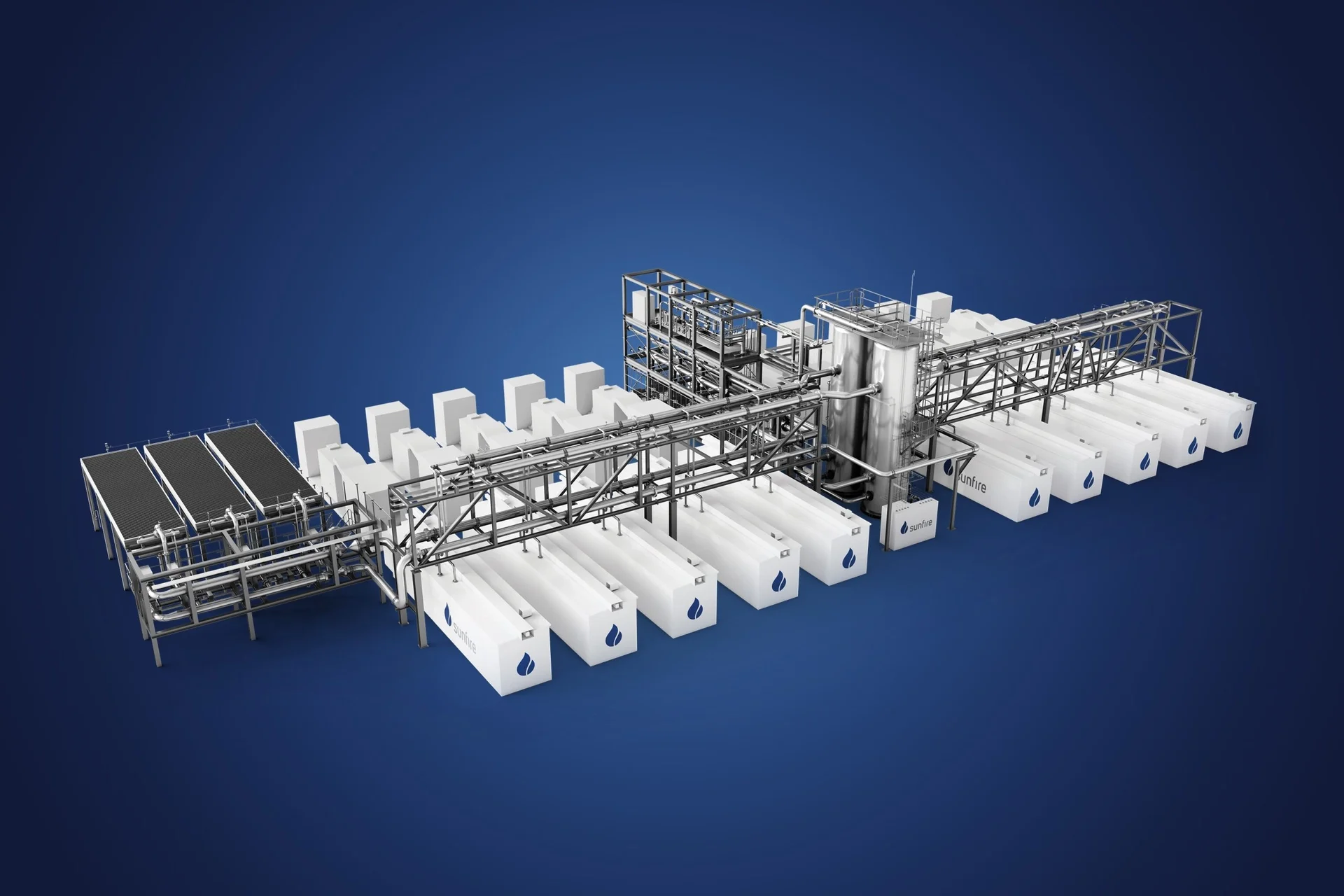
The HyLink Alkaline 23 is a modular powerhouse. While previous iterations required massive infrastructure to achieve significant output, this new module integrates five times the capacity of its predecessors into a single, pre-fabricated unit. By centralizing key plant components—such as integrated air cooling—and optimizing system interfaces, Sunfire has effectively shifted the paradigm from "building a plant" to "deploying a system."
Chronology: The Path to Industrial-Scale Electrolysis
The launch of the HyLink Alkaline 23 is the culmination of years of iterative engineering and field-testing. To understand the significance of this milestone, one must look at the evolution of Sunfire’s technology:
- Pre-2024: Sunfire establishes its reputation in Europe through pilot projects, refining the 30-bar alkaline stack technology. These early stages focused on proving reliability and stack longevity in harsh industrial environments.
- 2024–2025: Sunfire completes the installation of its first industrial-scale plant in Finland. This deployment provided the critical operational data required to validate the performance of the pressurized stack at scale.
- Early 2026: Engineering teams finalize the design of the HyLink Alkaline 23, focusing on "outdoor-first" architecture. The goal was to remove the requirement for traditional, costly electrolyzer buildings.
- May 13, 2026: Official market launch. Sunfire introduces the 50-MW module, signaling a move toward standardized, mass-producible hydrogen infrastructure.
Supporting Data: The Economics of the 50-MW Module
The economic argument for the HyLink Alkaline 23 is built upon the drastic reduction of project complexity. For developers of large-scale hydrogen facilities, the "Total Installed Cost" (TIC) is the make-or-break metric.
Efficiency and Footprint
In a hypothetical 100-MW project scenario, the math is compelling:
- Legacy Systems: A developer would require ten 10-MW modules to reach 100 MW of capacity. This necessitates a sprawling site, complex piping, and a large, climate-controlled building to house the electrolysis equipment.
- HyLink Alkaline 23: The same 100-MW capacity is achieved with only two 50-MW modules. Because the system is designed for outdoor deployment, the need for a dedicated, expensive electrolyzer building is eliminated.
Cost Reduction Drivers
- Prefabrication: By moving assembly from the job site to a factory environment, Sunfire ensures higher quality control and faster on-site commissioning.
- Standardization: Centralized components mean fewer interfaces to manage during construction, reducing labor hours and site engineering risks.
- Compression Savings: The 30-bar output pressure is perfectly tuned for common industrial pipelines and storage solutions, lowering the CAPEX and OPEX associated with downstream hydrogen processing.
Implications for Energy-Intensive Industries
The introduction of this system is not just a win for hydrogen producers; it is a lifeline for the "hard-to-abate" sectors. Industries such as steel refining, large-scale chemical production, and ammonia synthesis operate on razor-thin margins and require constant, reliable hydrogen supply.
Refining and Chemicals
For refineries, hydrogen is used for hydrocracking and desulfurization. Switching from "gray" hydrogen (produced via steam methane reforming) to "green" hydrogen is essential for meeting tightening ESG mandates. The HyLink Alkaline 23 allows these firms to integrate hydrogen production directly into their existing footprint without the need for extensive real estate acquisition or complex facility construction.
Ammonia Production
Ammonia serves as a primary building block for fertilizers. As the global food supply chain demands greener inputs, the fertilizer industry is under pressure to decarbonize. A 50-MW modular system allows for the phased expansion of green ammonia plants, enabling companies to start small and scale up as market demand and renewable energy availability grow.
Looking Ahead: The Future of Modular Electrolysis
The market for green hydrogen is shifting from the "demonstration phase" to the "implementation phase." Projects that once took years of custom engineering are now moving toward modular, catalog-based procurement.
Sunfire’s strategy reflects this market maturity. By designing the HyLink Alkaline 23 for industrial-scale deployment, they are positioning themselves to be the backbone of the European—and potentially global—hydrogen economy. The ability to deploy a 50-MW system with minimal site preparation effectively lowers the barrier to entry for industrial players who are eager to decarbonize but hesitant to undertake high-risk, multi-year construction projects.
The Role of Regulatory Support
While the technology is ready, the success of systems like the HyLink Alkaline 23 will also depend on the regulatory landscape. Policies such as the European Union’s Renewable Energy Directive (RED III) and various industrial subsidies in North America are creating a financial environment where green hydrogen is becoming increasingly competitive with fossil-based alternatives. Sunfire’s modular approach allows customers to remain agile, enabling them to react quickly to new government incentives and carbon pricing mechanisms.
Conclusion: A New Standard?
The launch of the HyLink Alkaline 23 represents a decisive moment for Sunfire and the broader hydrogen industry. By prioritizing modularity, outdoor reliability, and significant cost reductions, Sunfire has provided a tangible path for energy-intensive industries to make the transition to carbon-neutral operations.
As the industry moves toward triple-digit megawatt projects, the ability to deploy robust, standardized, and cost-effective electrolysis modules will be the deciding factor in the success of the global hydrogen transition. With the HyLink Alkaline 23, Sunfire is not just selling a machine; they are providing the infrastructure necessary to rewrite the industrial energy playbook for the next decade.
For more information on the technical specifications and integration potential of the HyLink Alkaline 23, stakeholders are encouraged to visit www.sunfire.de.
Disclaimer: This article is based on the official product announcement from Sunfire SE. Technical specifications and cost-reduction figures are provided by the manufacturer. For specific project inquiries, professional engineering consultation is advised.