




May 12, 2026 | By Scott Jenkins
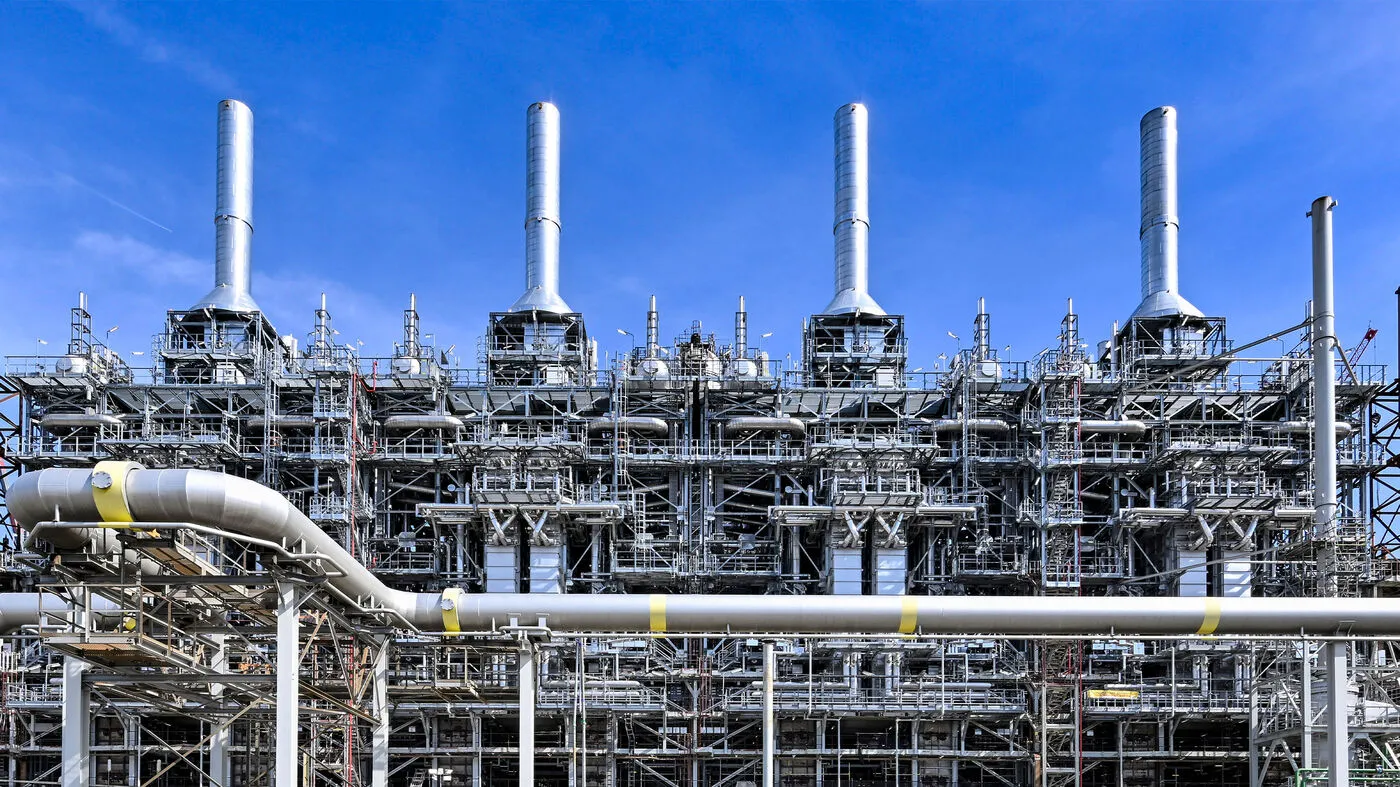
In a significant milestone for the European petrochemical sector, Technip Energies has officially announced the successful completion of the "Shell Skyline" project at the Shell Chemicals Park in Moerdijk, Netherlands. This complex engineering undertaking involved the comprehensive modernization of the site’s aging ethane furnace infrastructure, a project that signals a broader shift toward industrial efficiency, carbon reduction, and the application of advanced modular construction techniques in high-stakes environments.
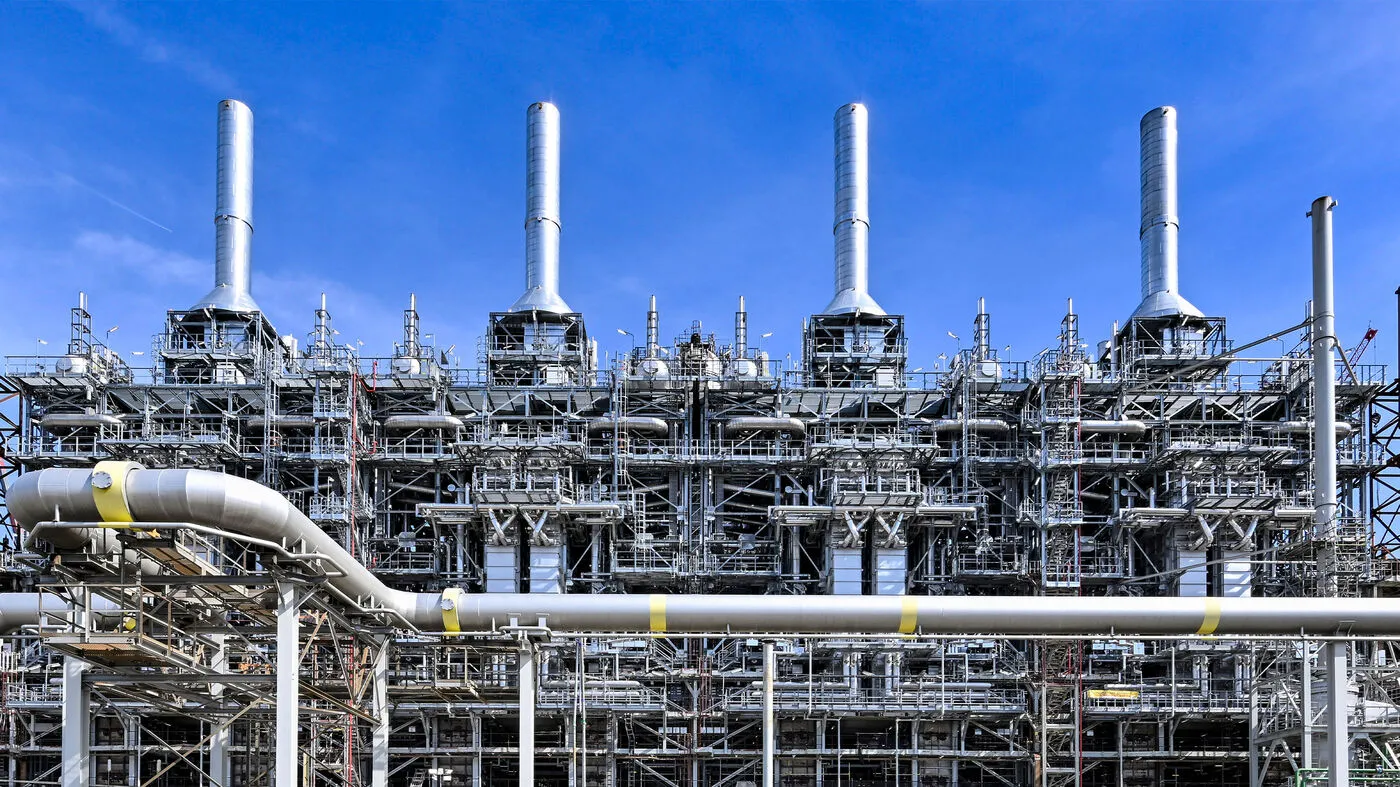
The project, which achieved "Ready for Start-Up" (RFSU) status at the conclusion of 2025, represents a masterclass in brownfield industrial transformation. By replacing 16 legacy ethane furnaces with eight high-capacity, next-generation units, Technip Energies and Shell have effectively streamlined operations while maintaining the facility’s critical output capacity.
The Core Challenge: Modernizing Legacy Infrastructure
At the heart of any steam cracker facility lies the furnace, the energy-intensive engine that breaks down hydrocarbons into the building blocks of modern plastics and chemicals. At Shell’s Moerdijk site, the original 16 ethane furnaces had become the focal point of a strategic renewal effort. Aging assets not only present risks to operational uptime but also consume significantly more energy and produce higher emissions than contemporary equivalents.
The challenge faced by Technip Energies was two-fold: they needed to upgrade the technological core of the facility without disrupting the flow of production in the surrounding operational plant, and they needed to do so in a way that aligned with Shell’s long-term sustainability goals. The decision to consolidate the furnace count was driven by the desire to optimize the physical footprint, reduce maintenance complexity, and integrate modern, multi-lane coil designs that maximize thermal efficiency.
Chronology of the Skyline Project
The path to completion was marked by rigorous planning, off-site fabrication, and a highly synchronized installation phase.
Phase 1: Planning and Engineering (2022–2023)
The project kicked off with a comprehensive engineering design phase. Technip Energies was tasked with the Engineering, Procurement, and module Fabrication (EPF) of the new furnace banks. The engineering team had to ensure that the new, higher-capacity furnaces could seamlessly integrate with the existing steam cracker infrastructure.
Phase 2: Modular Fabrication (2023–2024)
Recognizing the risks associated with on-site construction in an active chemical park, Technip Energies opted for a modular approach. Rather than building the furnaces from scratch in the field, the key components were fabricated in controlled environments and transported to the Moerdijk site. This significantly reduced the number of personnel required on-site, a critical factor in maintaining the stringent Health, Safety, and Environment (HSE) standards required at a Tier 1 chemical facility.
Phase 3: Field Execution and Integration (2024–2025)
The field execution phase was the most intense, involving the systematic decommissioning of the old furnaces and the installation of the eight new, high-efficiency units. This stage required surgical precision to avoid accidental disruption of the surrounding active plant.
Phase 4: Commissioning and RFSU (Late 2025)
The final months of 2025 were dedicated to the "Ready For Start-Up" (RFSU) phase. This involved rigorous testing of thermal profiles, flow dynamics, and safety interlock systems to ensure that the newly commissioned furnace train was ready for integration into the site’s primary production loop.
Supporting Data and Technical Innovations
The technical pivot of the Skyline project centers on the "multi-lane coil design." By increasing the capacity per furnace, Technip Energies allowed Shell to consolidate the number of furnaces by 50%.
Key Efficiency Metrics:
- Capacity Retention: The plant maintains its full production output despite the reduction in the physical number of furnaces.
- Footprint Optimization: A smaller physical footprint reduces the energy required for maintenance, lighting, and peripheral support systems.
- Thermal Efficiency: The new furnaces utilize advanced combustion technology that lowers the carbon intensity per ton of ethylene produced.
- Operational Safety: By shifting the bulk of construction to modular fabrication, the project minimized "man-hours on-site," drastically reducing the risk of workplace incidents common in large-scale brownfield modifications.
Official Perspectives and Industry Implications
"The Shell Skyline project is a testament to the power of innovative engineering when applied to legacy assets," a spokesperson for Technip Energies stated. "Our focus was not merely on replacement, but on transformation. By integrating a modular delivery model with state-of-the-art furnace technology, we have demonstrated that industrial scale does not have to come at the expense of safety or environmental responsibility."
For Shell, the project is a crucial component of their "Powering Progress" strategy. Modernizing the Moerdijk site allows the company to continue its operations in a way that is more competitive in a tightening global market, where regulatory pressure to reduce carbon footprints is mounting.
Implications for the Petrochemical Industry:
- Brownfield Transformation: The project sets a precedent for how chemical companies can modernize aging infrastructure without the massive capital expenditure and downtime associated with building entirely new greenfield facilities.
- Modularization as the New Standard: The success of the Skyline project reinforces the trend toward off-site fabrication. In an era where labor costs are rising and skilled labor is increasingly scarce, modular construction is becoming the preferred pathway for large-scale industrial projects.
- Decarbonization Pathways: As the industry moves toward net-zero, the "Skyline model"—improving the efficiency of existing units—serves as an intermediate step to more radical changes, such as electrification of furnaces or the use of hydrogen-fired burners.
Navigating Complex Industrial Environments
One of the most frequently asked questions regarding the Skyline project is how Technip Energies managed the inherent risks of working in an active facility. The HSE (Health, Safety, and Environment) exposure was managed through a strict "Safety-by-Design" philosophy.
By minimizing the amount of field work through the pre-fabrication of modular units, Technip Energies reduced the exposure of the workforce to hazardous environments. Furthermore, the logistical complexity of transporting large modules into an active chemical park required a level of planning that is rarely seen in standard construction projects. Each module was designed with "plug-and-play" capability, allowing for rapid installation that fit within the limited shutdown windows of the plant.
Looking Ahead: The Future of Steam Cracking
The completion of the Shell Skyline project is not just a win for Shell or Technip Energies; it is a signal to the entire petrochemical sector. The energy landscape is shifting, and the "old way" of managing chemical plants—characterized by sprawling, energy-intensive legacy equipment—is being replaced by a more refined, technologically driven approach.
Technip Energies, through its work at Moerdijk, has positioned itself as a leader in this transition. The company’s expertise in managing complex, large-scale transformations in active plants provides a blueprint for other operators across Europe and the globe. As companies look to reduce the carbon intensity of their energy and material flows, the lessons learned from the Shell Skyline project will undoubtedly be referenced in boardrooms and engineering centers for years to come.
The project effectively bridges the gap between the industrial requirements of the past and the sustainability imperatives of the future. With the new furnaces now fully operational, the Shell Chemicals Park in Moerdijk stands as a modern, efficient, and resilient facility, ready to meet the demands of the 21st-century chemicals market while maintaining a firm commitment to safety and operational excellence.
As we look toward 2026 and beyond, the industry will watch closely to see how the performance of these eight new furnaces contributes to the long-term energy efficiency targets of Shell. For now, the Skyline project stands as a landmark achievement in the ongoing evolution of global industrial infrastructure.