





Introduction: The Imperative of Efficiency
In an era where operational expenditure and environmental sustainability are inextricably linked, the modernization of aging commercial infrastructure has become a primary objective for property managers and building owners. Recently, Building Automation (BAS) completed a comprehensive design-build project for an 80,000-square-foot, three-story office complex originally constructed in 1989. The project, which involved a full-scale replacement of the facility’s chilled water plant and a transition from outdated pneumatic systems to sophisticated digital control, serves as a masterclass in how targeted engineering can yield massive energy savings and improved occupant comfort.
With a rebate of $171,000 and an annual savings profile exceeding $84,000, this project exemplifies the financial viability of deep-energy retrofits. As facility managers across the globe face the dual pressures of rising energy costs and the push toward net-zero emissions, this case study offers a roadmap for turning "end-of-life" mechanical systems into high-performance assets.
The Baseline: A Facility at the Crossroads
Constructed in 1989, the office building in question had reached a critical inflection point. Occupied primarily by office tenants, the structure is characterized by a high ratio of interior "core" space—roughly 60% of the total square footage. This structural reality creates a unique cooling profile: because core zones lack access to perimeter daylight or exterior temperature fluctuations, they require cooling year-round, regardless of the season.

The Mechanical Constraints
Before the intervention, the facility’s mechanical backbone was fundamentally ill-equipped for modern efficiency standards. The air distribution relied on a constant air volume (CAV) multi-zone hot-deck/cold-deck system. Each floor was serviced by two air handling units (AHUs) utilizing plenum returns. A singular, dedicated make-up air unit located in the penthouse provided outside air directly into the AHU plenum, a setup that lacked the precision required for modern energy-saving protocols.
The cooling engine of the building consisted of two aging R-11 water-cooled centrifugal chillers with a combined capacity of 250 tons. These units were well past their intended service life, posing significant risks regarding both mechanical reliability and environmental compliance, given the phase-out of R-11 refrigerant. Furthermore, the entire building relied on pneumatic controls—an antiquated technology prone to drift, leaks, and an inability to support complex automated scheduling. Consequently, the AHUs operated on a 24/7 cycle with no intelligent scheduling, leading to excessive energy consumption and frequent occupant complaints regarding thermal comfort.
Chronology of the Transformation
The project followed a rigorous design-build lifecycle, moving from an exhaustive energy audit to final commissioning.
Phase 1: Analysis and Design
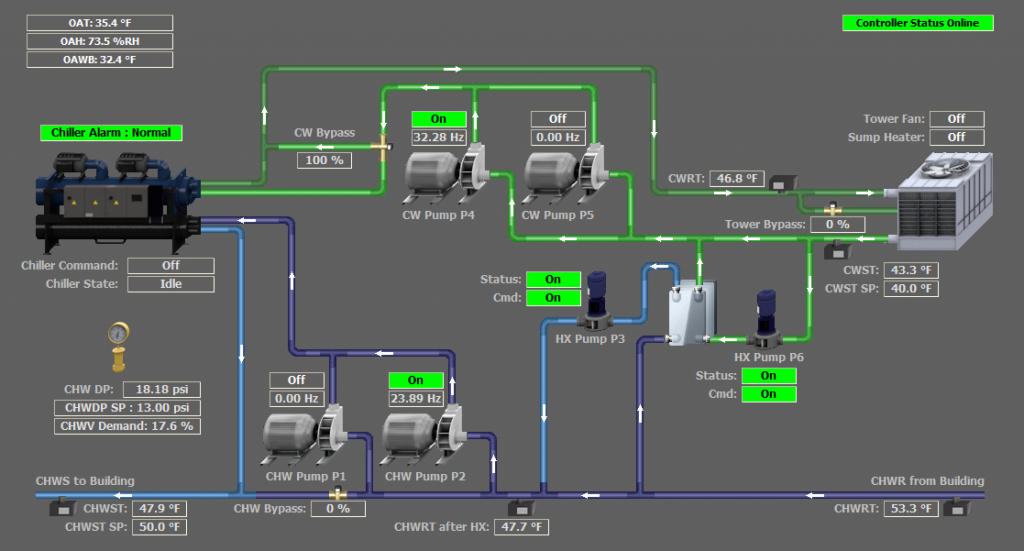
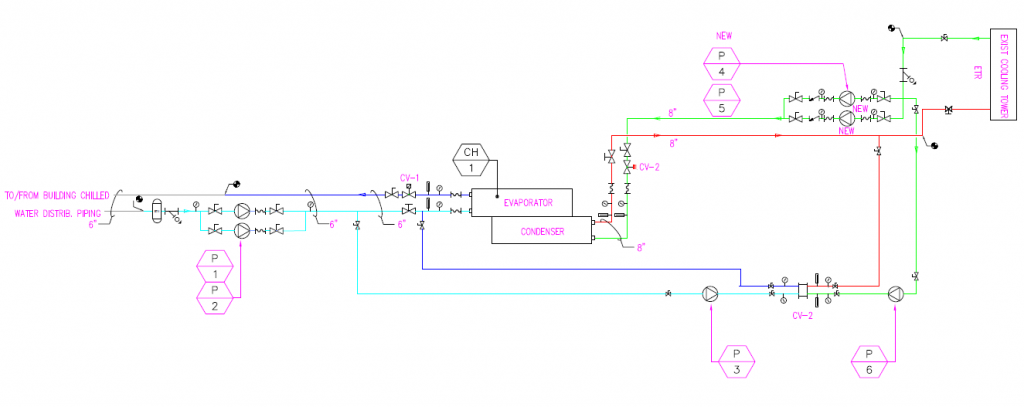
The initial phase involved a forensic analysis of the building’s energy load. Engineers from BAS assessed the heat gains within the core spaces and the inefficiencies of the existing air-side distribution. The design team proposed a strategy that moved away from the redundant and inefficient dual-chiller setup, opting for a high-efficiency 250-ton water-cooled centrifugal chiller integrated with a "free-cooling" heat exchanger.
Phase 2: Implementation and Control Integration
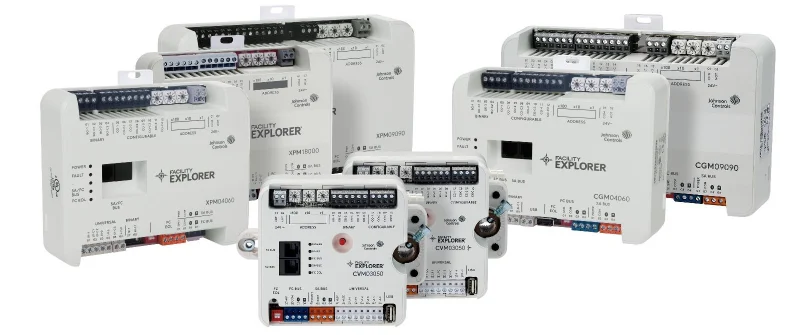
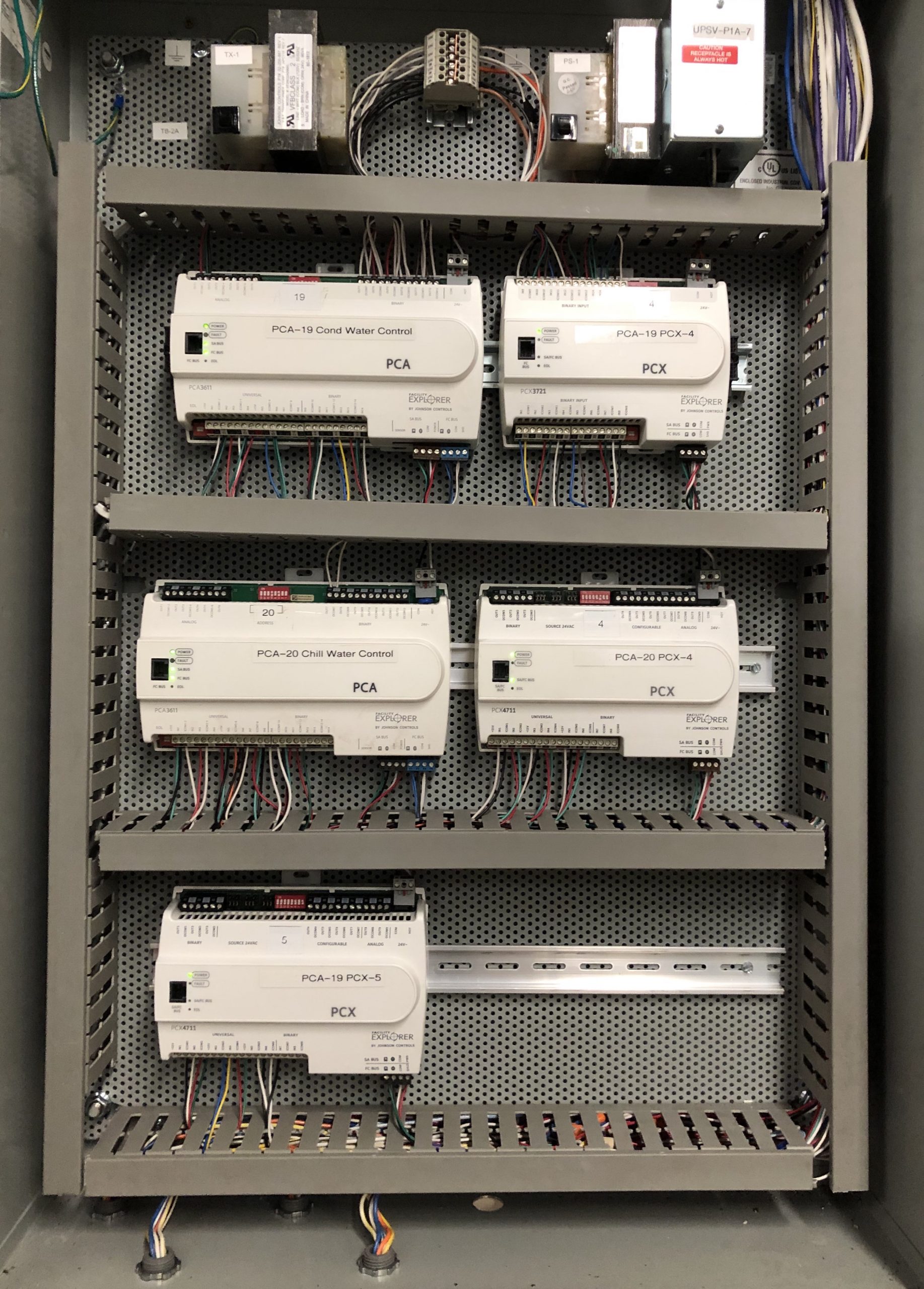
The transition from pneumatic controls to a modern Direct Digital Control (DDC) platform was the cornerstone of the installation. Using Johnson Controls (JCI) FX controls, the project team systematically stripped away the old pneumatic lines and actuators, replacing them with digital sensors and actuators. This shift enabled the implementation of granular control strategies, including temperature setbacks, load resets, and optimized equipment scheduling.
Phase 3: Commissioning and Optimization
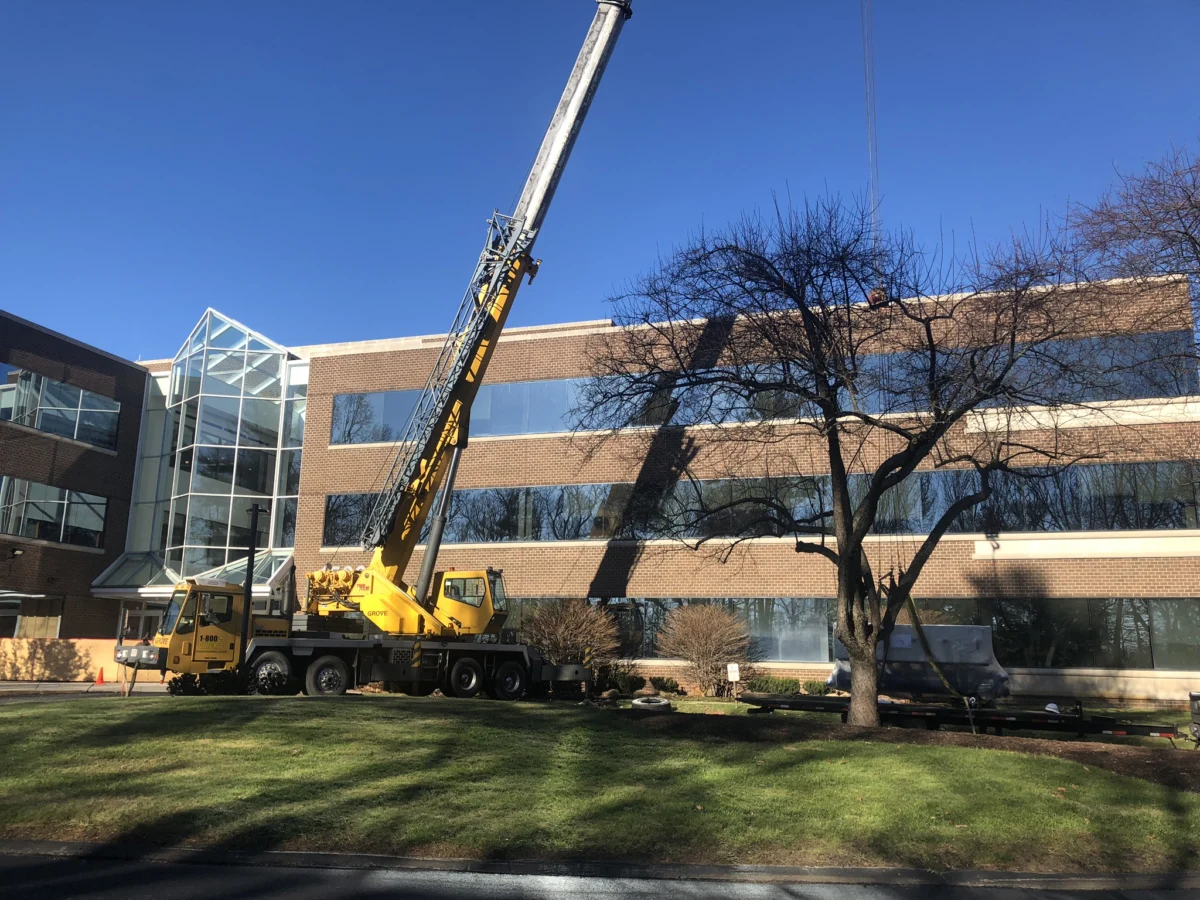
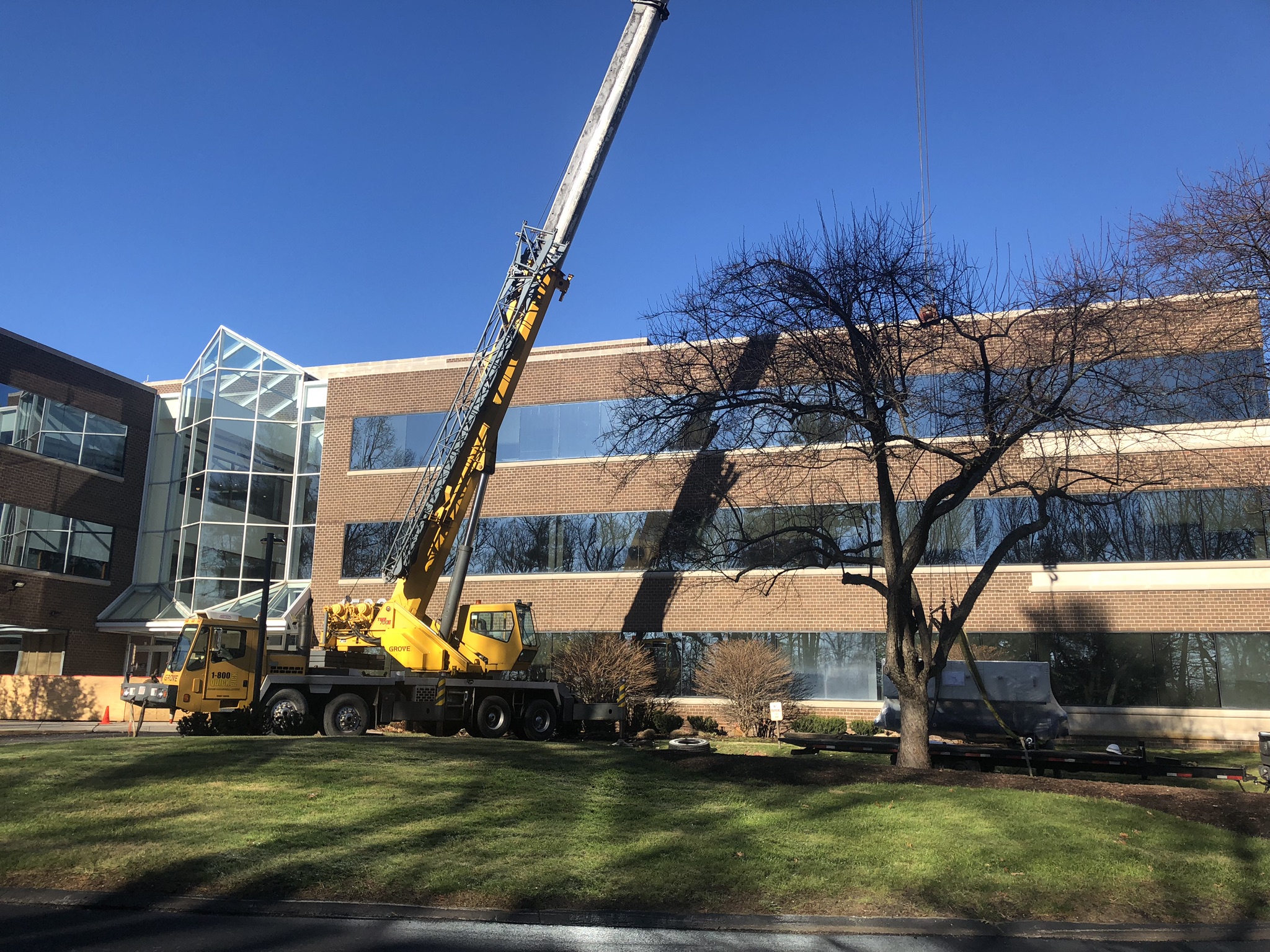
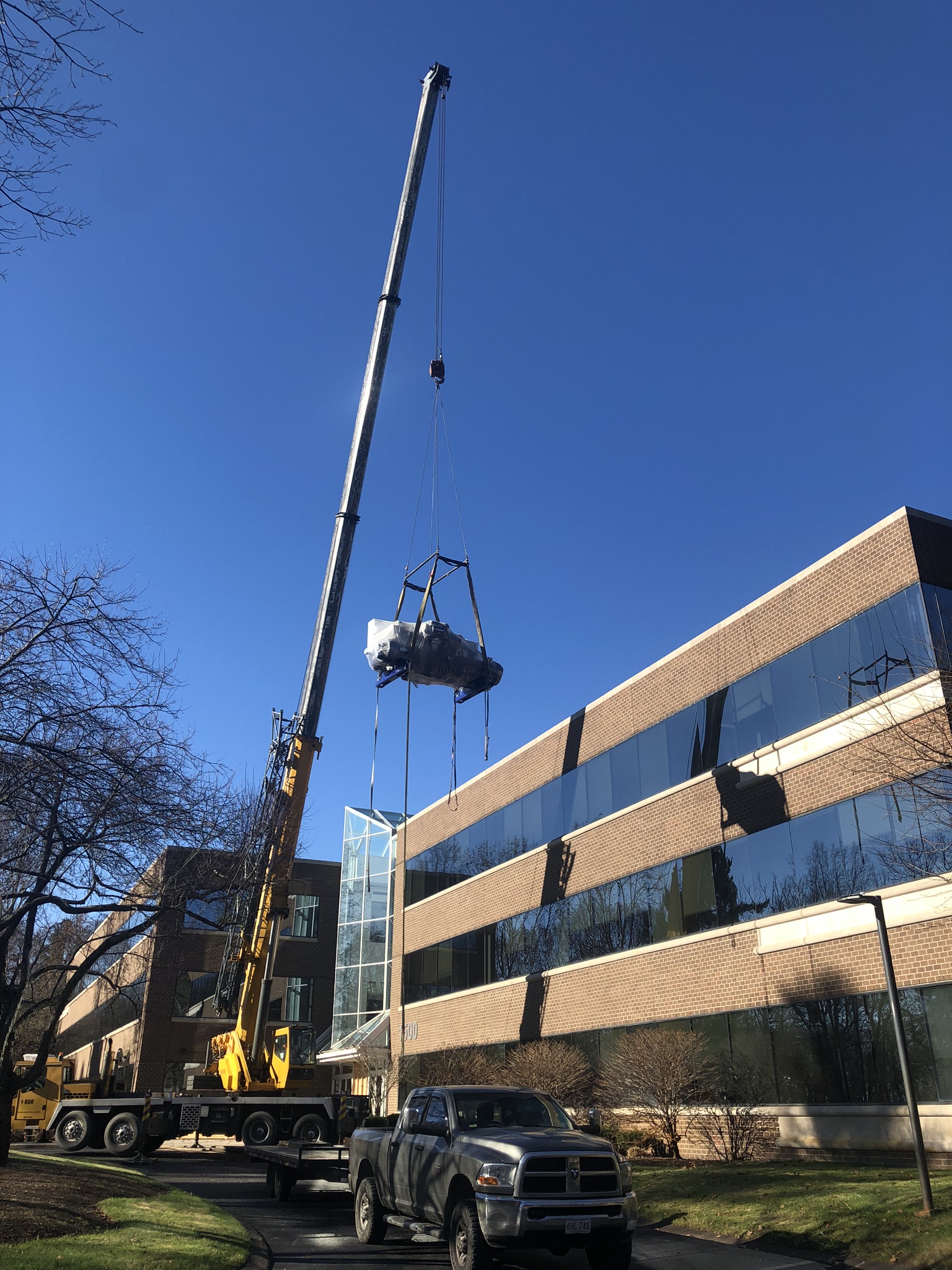
Following the mechanical installation of the new chiller, Variable Frequency Drives (VFDs) on the chilled and condenser water pumps, and the heat exchanger assembly, the system underwent a rigorous commissioning process. This ensured that the software-level setpoints were accurately reflected in the physical performance of the hardware, particularly in the delicate balance required to engage the free-cooling cycle during shoulder seasons.
Supporting Data: The Economics of Efficiency
The project’s performance metrics provide a compelling argument for facility modernization. The financial impact was immediate, bolstered significantly by a $171,000 utility rebate that mitigated the initial capital expenditure.
Energy Savings Breakdown
- Annual Electric Savings: 395,100 kWh
- Annual Gas Savings: 19,900 therms
- Annual Monetary Savings: Over $84,000
- Return on Investment (ROI): 11%
By eliminating the 24/7 operation of the chiller plant—which was previously required due to the inability of the pneumatic systems to adjust to load requirements—the facility was able to achieve significant reductions in both electrical and thermal demand. The inclusion of VFDs on the pumps ensures that the system only consumes the energy necessary to meet the actual demand, rather than operating at full capacity regardless of occupancy levels.
Official Perspectives on the Implementation
While the engineering team led the technical design, the success of the project is often viewed through the lens of the facility management team and the stakeholders.
"The move from pneumatic to DDC was the most critical factor," notes the project lead. "Pneumatic systems are ‘set and forget,’ but in the worst possible way. They don’t report status, they don’t alarm when they fail, and they certainly don’t allow for the sophisticated temperature resets that define modern efficiency."
The facility management team highlighted that the integration of a user-friendly interface allowed their operators to manage the building remotely. This has not only reduced the labor hours required to troubleshoot thermal complaints but has also allowed for "proactive" maintenance. Instead of waiting for a tenant to complain about a "hot office," the building automation system now alerts operators to potential performance deviations before they impact the user experience.
Implications for Future Building Management
The success of this 1980s-era retrofit carries significant implications for the broader commercial real estate sector.
1. The Death of the "Constant Operation" Fallacy
For decades, office buildings were operated on "dumb" 24/7 cycles. The industry has learned that high-efficiency equipment is only half the battle; the other half is intelligent scheduling. The ability to implement temperature setbacks and load-based resets has allowed this facility to maintain comfort while slashing energy consumption by nearly 400,000 kWh annually.
2. The Power of "Free Cooling"
The integration of a chilled water heat exchanger system represents an underutilized opportunity in many legacy buildings. By utilizing ambient outdoor air to reject heat through the cooling tower—bypassing the mechanical chiller entirely during cool-weather periods—the building has effectively eliminated the need for year-round chiller operation. This approach effectively "stretches" the life of the primary equipment while simultaneously lowering the building’s carbon footprint.
3. Sustainability as a Financial Driver
The 11% ROI achieved here is not merely a technical accomplishment; it is a financial one. In a competitive office leasing market, building owners who can prove lower operating expenses and higher sustainability ratings (such as LEED or ENERGY STAR) gain a distinct advantage. This project demonstrates that sustainability is not a cost center, but an investment vehicle that pays for itself through reduced energy overhead and decreased maintenance costs.
Conclusion: A Blueprint for Retrofitting
The transformation of this 80,000-square-foot facility serves as a testament to the value of modernizing legacy infrastructure. By moving away from antiquated pneumatic controls and high-maintenance, low-efficiency chillers toward a modern, digitally-monitored system with free-cooling capabilities, the building has transitioned from a drain on resources to a high-performance asset.
As the industry continues to evolve, the lessons learned from this case study remain clear: the most effective way to reduce the environmental impact of the built environment is to optimize the systems we already have. Through rigorous analysis, smart design-build integration, and a commitment to digital controls, building owners can achieve the triple bottom line: comfort for occupants, lower costs for owners, and a reduced carbon footprint for the planet. The project not only solved the immediate problem of failing equipment but also future-proofed the building for decades to come.