





By Sebastian Obando
Published May 13, 2026
The American construction landscape is currently defined by a sharp, bifurcated reality: while the digital infrastructure boom continues to reach record heights, the broader nonresidential sector is navigating a persistent and concerning stagnation. According to the latest reports from Associated Builders and Contractors (ABC) and the Associated General Contractors of America (AGC), the industry is grappling with a widespread slowdown that spans both public and private sectors, leaving only a few specialized niches to carry the weight of the market’s momentum.
The State of the Industry: A Narrow Path for Growth
As of mid-May 2026, the construction sector is feeling the pinch of economic headwinds that have dampened activity across traditional segments. For many firms, the current climate is one of caution and consolidation. While residential construction has shown occasional pockets of resilience, the nonresidential market—long the engine of growth for many large-scale contractors—is showing signs of fatigue.
“Construction growth remains concentrated in a narrow set of categories,” says Macrina Wilkins, director of market insights for the Associated General Contractors of America. “Investment tied to data centers and power projects continues to support activity, but several traditional nonresidential segments, including manufacturing and commercial construction, continue to lag.”
The primary culprit, according to industry analysts, is a combination of elevated interest rates, fluctuating demand in the manufacturing space, and a broader cooling of private investment. Private construction spending has taken a particularly hard hit, dropping more than 2% on a year-over-year basis. This contraction reflects a cautious approach from developers who are increasingly hesitant to commit to large-scale commercial office space or retail projects in an uncertain economic environment.
Chronology of a Slowdown: Tracking the Recent Decline
The current cooling trend has been observable over the last several months as the excitement surrounding the post-pandemic construction rebound began to taper off.
- Q4 2025 – Early 2026: The manufacturing sector, which had been a massive beneficiary of federal incentives like the CHIPS Act and the Infrastructure Investment and Jobs Act, began to see a plateau in new project announcements.
- March 2026: Data released in early May confirmed that the slowdown was accelerating. Manufacturing projects, once the darling of the industry, experienced a 1.1% month-to-month decline in March. When viewed against the past 12 months, spending in this segment is down a staggering 17%.
- April 2026: The trend of decline extended into public infrastructure. Highway and street construction, which are typically shielded from private sector volatility, saw a 0.2% drop in spending month over month in March. Commercial construction mirrored this contraction, also slipping by 0.2%.
The data suggests that the industry is in a period of recalibration. Contractors who geared up for massive industrial and commercial pipelines are now finding that the reality of project starts is failing to meet the aggressive projections of 2024 and 2025.
Supporting Data: The Data Center Exception
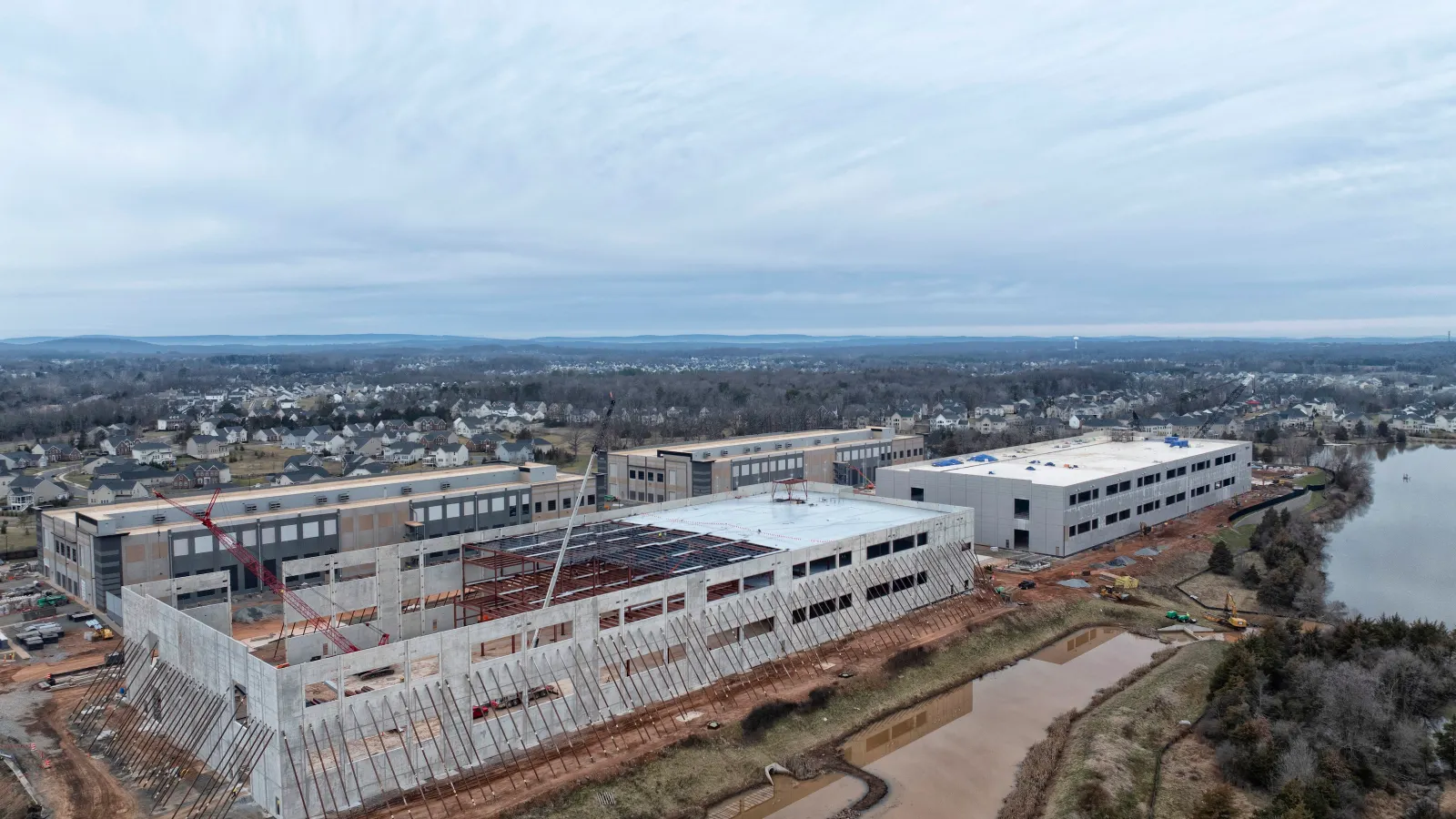
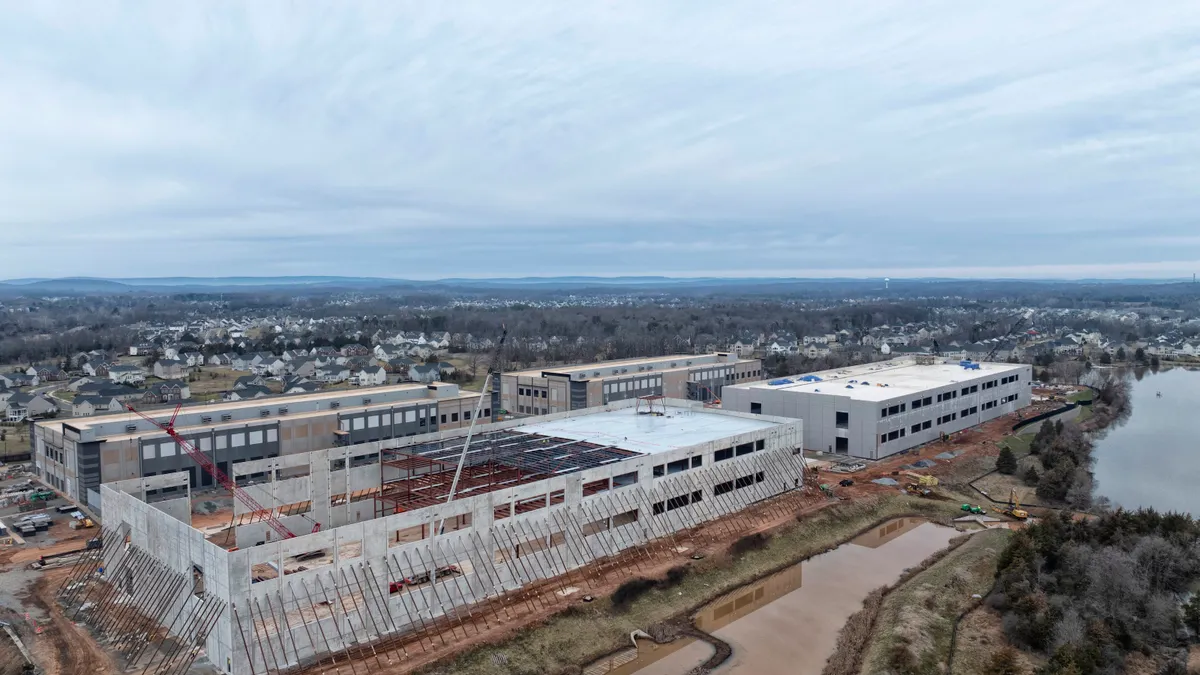
While the headline numbers for construction spending suggest a sector in retreat, the data center sub-sector tells a diametrically opposed story. The surge in demand for artificial intelligence, cloud computing, and large-scale data processing has created a "super-cycle" for construction firms specialized in mission-critical facilities.

According to Anirban Basu, chief economist for ABC, spending on data center construction has jumped 34.3% year over year. This level of growth is not merely a statistical outlier; it is the singular force preventing a more significant downturn in the national construction figures.
Powering the Future
The growth in data centers is naturally dragging the power sector along with it. As these massive server farms require immense amounts of electricity, the grid infrastructure must be updated and expanded. Consequently, spending on power construction ticked up 4.6% compared to March 2025. This correlation between digital infrastructure and the power grid is expected to be a multi-year trend, potentially providing a floor for the construction industry even if other sectors remain soft.
Official Responses and Expert Outlook
Industry leaders are maintaining a "guarded optimism" despite the grim statistics regarding manufacturing and commercial spending. The prevailing sentiment is that while the "easy growth" of the past few years is over, the remaining pipeline is robust enough to sustain top-tier firms.
"With the exception of the ongoing boom in data center construction, there are few sources of momentum," Basu noted. However, he emphasized that this does not equate to a collapse. "Despite this ongoing weakness, contractors remain optimistic about the outlook."

The optimism stems from the long-term nature of these specialized projects. Data centers are not short-term commercial build-outs; they are capital-intensive, multi-year projects that require highly skilled labor and significant coordination. For contractors already established in this space, the backlog remains strong. Firms like AECOM and others heavily involved in infrastructure and data center design have reported that they expect the current pace of activity to continue well into 2027 and beyond.
Implications for the Workforce and Market Strategy
The current market reality forces a difficult question for construction firms: How do you pivot when your traditional bread-and-butter segments—manufacturing and commercial retail—are in decline?
The "Specialization" Shift
Firms that have historically relied on general commercial construction are finding themselves at a crossroads. The trend toward specialization is accelerating. Contractors are increasingly looking to retool their workforces to handle the complexities of mission-critical facilities, which require higher standards of electrical engineering, specialized HVAC systems, and rigorous security protocols.
The Risk of Concentration
While the data center boom is a blessing, it carries inherent risks. The concentration of capital in a single sector creates a "silo" effect. If the demand for AI infrastructure were to hit a ceiling—due to either regulatory pressure, energy constraints, or a cooling in the tech sector—the construction industry would have very few "cushions" to fall back on.
Furthermore, the dip in infrastructure spending (highways and streets) is a warning sign. Public sector projects are typically counter-cyclical, providing a buffer when private investment dips. The fact that these are also showing weakness suggests that the industry is facing a broad-based challenge that goes beyond simple market sentiment.
Looking Ahead: The Balance of 2026
As we move into the second half of 2026, the industry is bracing for a sustained period of high-cost debt and tempered growth. The key for contractors will be agility. Those who can successfully transition their teams to serve the data center and energy transition sectors will likely see healthy margins, even as the rest of the market plateaus.
However, for the broader economy, the reliance on a single sector to drive the construction index is a precarious position. The industry is watching the Federal Reserve’s interest rate policy closely; any signal of a rate cut could breathe new life into commercial projects that have been stalled in the planning phase.
For now, the mantra for the construction sector remains: "Follow the power and the servers." As long as the digital revolution requires more physical space, the construction industry will find a way to grow, even if it has to look in very specific, high-tech corners to find that growth. The challenge for 2026 will be ensuring that the rest of the industry—the builders of schools, offices, and roads—is not left behind in the shadow of the data center giants.