





The landscape of modern infrastructure is undergoing a quiet, yet profound, transformation. As the global push toward net-zero carbon emissions and hyper-efficient energy management accelerates, the "brain" of the building—the control system—is being overhauled. At the forefront of this evolution is Littelfuse, a global powerhouse in circuit protection and power control, which has recently unveiled a comprehensive technical roadmap detailing the critical role of Solid-State Relays (SSRs) in the next generation of smart building automation.
By replacing the antiquated, noisy, and failure-prone mechanical relays of the past, Littelfuse is championing a new era of reliability in HVAC, lighting, and energy-management systems. Central to this shift is the deployment of advanced components like the CPC1601M, a device engineered to meet the rigorous demands of modern, automated environments.
Main Facts: The Shift from Mechanical to Solid-State
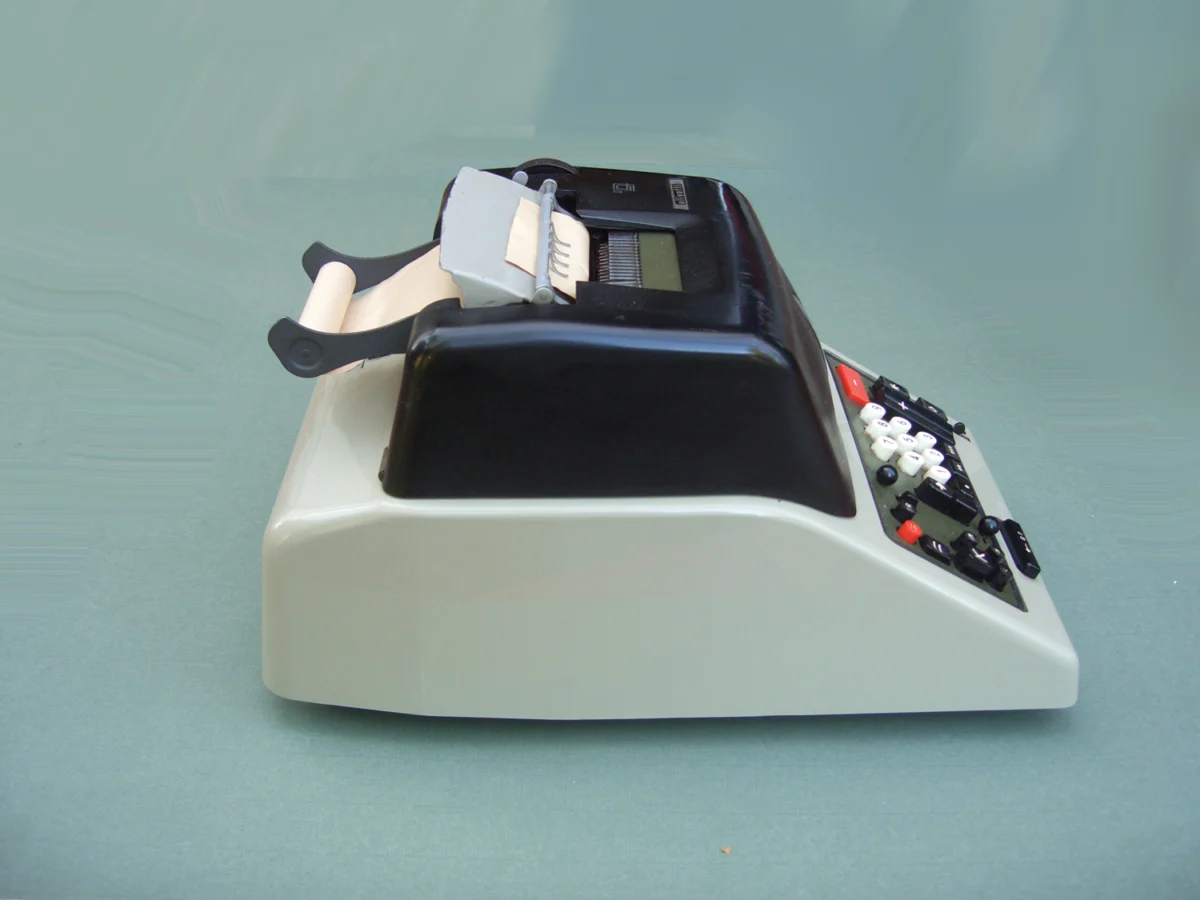
For decades, the standard for building control systems was the electromechanical relay. While functional, these devices possess inherent limitations: they are prone to mechanical wear, produce audible noise during switching, and require significant current to operate, often necessitating bulky power supplies.
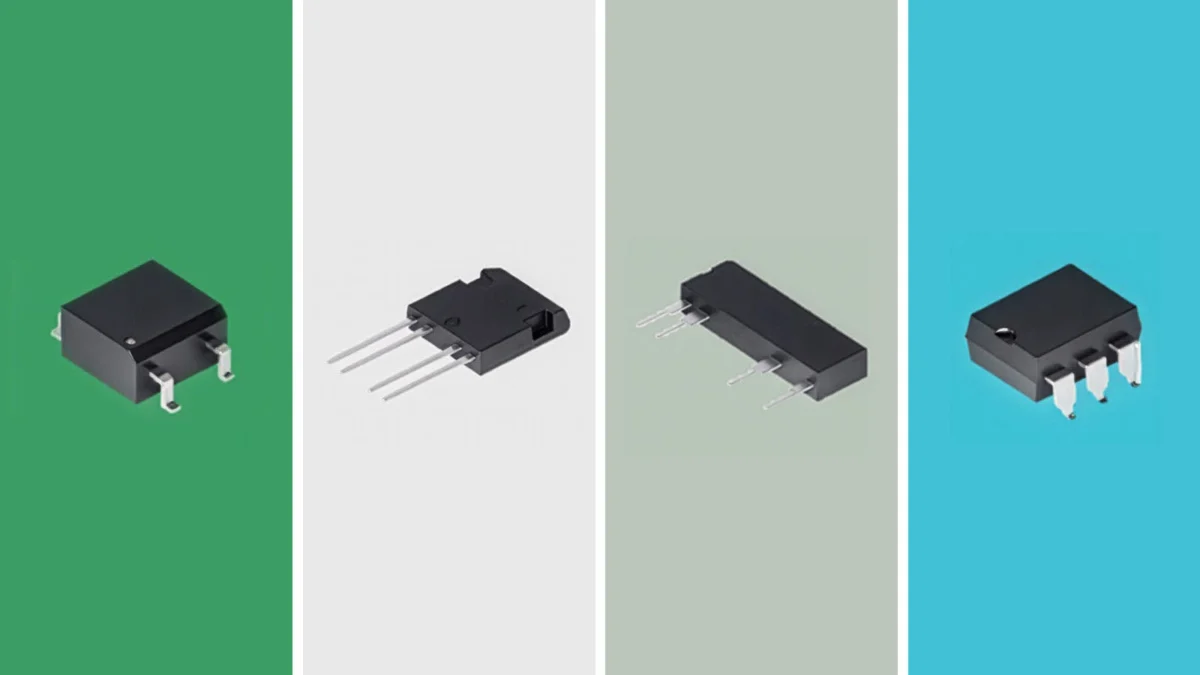
Littelfuse’s recent industry brief underscores the transition to Solid-State Relays as a paradigm shift. Unlike their mechanical counterparts, SSRs utilize semiconductor switching elements to control load power. The key advantages highlighted in their latest infographic include:
- Silent Operation: By eliminating moving parts, SSRs remove the distracting "click-clack" of traditional relays, a crucial factor for luxury residential, office, and hospital environments.
- Extended Longevity: Mechanical relays have a finite number of cycles before physical degradation occurs. SSRs, operating at the molecular level, offer virtually infinite switching cycles, drastically reducing maintenance costs.
- Enhanced Precision: With optical isolation and low-input current requirements, SSRs provide a cleaner, more controlled interface between the logic-level controller (like a microprocessor) and the high-power load.
- Energy Efficiency: The low-input current requirement allows for more compact, energy-efficient control boards, which is essential for the miniaturization of smart thermostats and sensors.
Chronology: The Evolution of Building Automation
To understand the gravity of this innovation, one must look at the timeline of control technology in the built environment:
The Era of Mechanical Dominance (1970s–2000s)
Building automation was defined by rudimentary electromechanical relays. These were "dumb" systems—on or off, with little capacity for nuanced data collection or remote management. Reliability was a major issue, as contacts would weld shut or oxidize over time, leading to system failures in HVAC units.
The Rise of Digital Controls (2000s–2015)
As microprocessors became cheaper, building management systems (BMS) began to integrate digital controllers. However, the interface between the controller and the load remained a bottleneck. Mechanical relays were still the standard, creating a disconnect between the "smart" brain and the "mechanical" muscles of the building.
The SSR Revolution (2015–Present)
The emergence of high-performance semiconductor technology allowed for the development of ruggedized SSRs. Littelfuse, leveraging its expertise in power semiconductors, began focusing on the specific needs of HVAC and smart lighting. This era introduced the CPC1601M, marking a shift where the relay became an intelligent component capable of supporting low-power, high-frequency, and silent switching operations.
Supporting Data: Why SSRs are the Superior Choice
The technical data provided by Littelfuse highlights the performance metrics that justify the transition to SSRs. In HVAC applications, for instance, the load-powered configuration of the CPC1601M enables designers to eliminate the need for an external power supply for the control circuit. This simplifies the PCB (printed circuit board) design and reduces the component count by nearly 30% compared to traditional relay designs.
Comparative Reliability Metrics
| Feature | Mechanical Relay | Solid-State Relay (Littelfuse) |
|---|---|---|
| Switching Life | ~100,000 cycles | >10,000,000 cycles |
| Noise Levels | Audible Clicking | Silent |
| Switching Speed | Milliseconds | Microseconds |
| Isolation | Physical Gap | Optical (Galvanic) |
| Maintenance | Frequent replacement | Maintenance-free |
Furthermore, the integration of optical isolation ensures that sensitive logic circuitry is protected from high-voltage spikes, a common cause of failure in older HVAC control boards. By isolating the input and output stages, Littelfuse ensures that even in the event of a power surge or a short circuit in the load, the building’s primary automation controller remains intact.
Official Perspectives: The Littelfuse Vision
According to representatives from Littelfuse, the development of the CPC1601M was a response to the "smarter, not just stronger" mandate of modern engineering. "Building operators are no longer satisfied with just ‘keeping the lights on,’" notes an internal technical spokesperson. "They are demanding systems that provide granular data, silent operation, and long-term sustainability. Our goal with the latest SSR solutions is to remove the hardware limitations that have hindered building efficiency for years."
The company emphasizes that the flexibility of their SSRs allows engineers to deploy them across a variety of load types, from resistive heaters in smart thermostats to capacitive loads in LED lighting arrays. This adaptability is critical in an industry where retrofitting old infrastructure with new technology is often more complex than building from scratch. By providing a component that is smaller, quieter, and more durable, Littelfuse is effectively lowering the barrier to entry for full-scale building automation.
Implications: The Future of Smart Infrastructure
The implications of adopting SSR technology extend far beyond individual building components; they touch upon the broader goal of global energy sustainability.
1. Energy Efficiency at the Micro Level
Every watt saved by utilizing low-input current SSRs translates into significant aggregate energy savings across a large commercial complex. When multiplied by thousands of sensors, relays, and switches in a smart building, this efficiency gain reduces the total carbon footprint of the facility.
2. The Rise of Predictive Maintenance
Because SSRs do not degrade in the same way as mechanical relays, they allow for a more predictable maintenance schedule. When an SSR does eventually fail, it is rarely due to mechanical wear, which makes the failure predictable through electronic monitoring. This shifts the building management paradigm from "reactive repairs" to "predictive analytics."
3. Enhanced Occupant Experience
In the post-pandemic office environment, the quality of the indoor environment is paramount. The elimination of audible switching noise—often a subtle but persistent annoyance in offices and hotels—improves the psychological well-being and productivity of occupants. It is a hidden, yet vital, element of "Human-Centric Lighting and HVAC" design.
4. Design Flexibility
The ability to use load-powered configurations in smart thermostats and sensors gives architects and designers unprecedented freedom. With fewer power requirements and smaller physical footprints, control systems can be integrated into the aesthetics of a building without being hidden behind bulky service panels.
Conclusion: Powering the Next Generation
As we look toward the future, the integration of solid-state relay technology into building automation systems is no longer optional—it is a necessity for any project aspiring to be truly "smart." Through its commitment to research and its focus on high-performance components like the CPC1601M, Littelfuse is providing the foundational blocks upon which the next generation of infrastructure will be built.
The move toward silent, efficient, and long-lasting control systems is a testament to the power of semiconductor innovation. Whether it is reducing the noise of a hotel climate control unit or optimizing the energy consumption of a high-rise office complex, Littelfuse is proving that the biggest changes in technology often happen in the quietest, most reliable components.
For engineers, system integrators, and building managers, the call to action is clear: to optimize performance and future-proof building assets, the transition to solid-state technology is the logical next step. By downloading the Littelfuse technical infographic, industry professionals can gain the insights necessary to begin this transition, ensuring that the buildings of tomorrow are as efficient and reliable as the technology that powers them today.