





By Alejandra Carranza | Supply Chain Dive | May 13, 2026
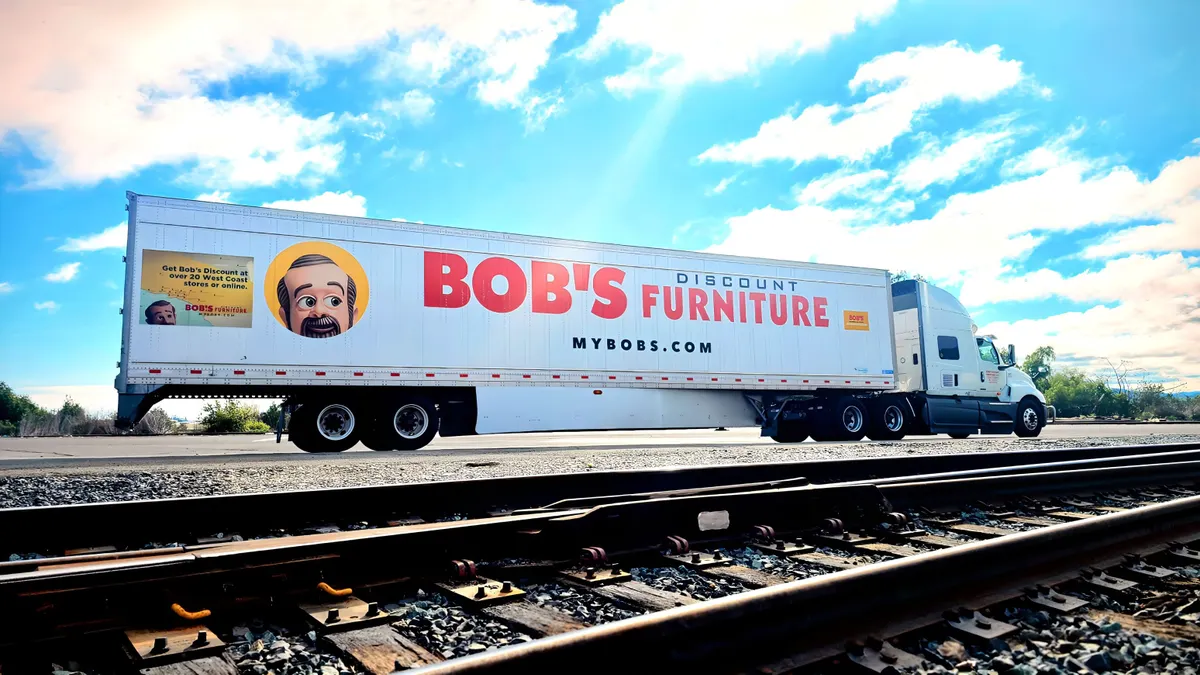
The global retail landscape is currently navigating a period of profound volatility, characterized by shifting trade policies, geopolitical tensions, and an increasingly fragile logistics environment. For furniture retailers, these macroeconomic pressures are not merely abstract risks; they are immediate bottom-line realities. Bob’s Discount Furniture, a titan in the home furnishings sector, finds itself squarely in the crosshairs of these challenges.
As the industry grapples with a sluggish housing market and unpredictable supply chain disruptions, Bob’s Discount Furniture is leaning on a proven, three-step tactical playbook to neutralize the impact of significant new tariff burdens. COO Ramesh Murthy, in an exclusive interview with Supply Chain Dive, outlined how the retailer is leveraging long-standing partnerships and operational agility to protect its pricing strategy and profit margins.
The Tariff Landscape: A 25% Hurdle
The current trade environment is defined by a dual-threat tariff structure. Bob’s is contending with a broad 10% global tariff rate, a policy that has fundamentally altered the cost basis for imported goods across the retail spectrum. However, the more acute challenge lies in the upholstery segment. With 50% of Bob’s product mix composed of sofas, recliners, and other upholstered goods, a 25% tariff on these items presents an outsized risk.
"The 25% upholstery tariff is really one area that’s been more outsized, given 50% of our product mix is upholstery," noted Bob’s leadership, emphasizing the concentration of risk. While industry fears of a further hike to 30% were temporarily abated by a one-year delay, the looming threat of escalation continues to force retailers into a defensive posture.
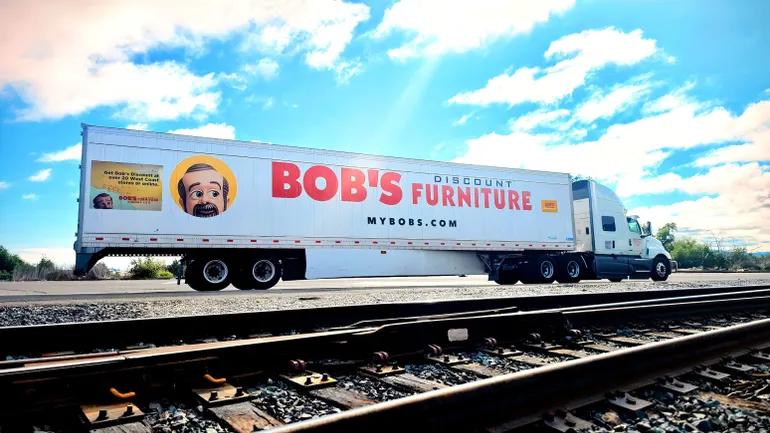
Chronology: A Timeline of Escalation and Response
The friction in the furniture supply chain has been building since early 2025. To understand how firms like Bob’s are managing the situation, one must look at the progression of recent events:
- Q1 2025: Initial global trade tariffs were implemented, forcing retailers to begin re-evaluating their sourcing footprints.
- Late 2025: Anticipation of a tariff hike to 30% on upholstery triggered early inventory pre-buying across the sector.
- January 2026: The scheduled increase to 30% was delayed, providing a temporary reprieve but maintaining the status quo of 25% duties.
- Q1 2026: Geopolitical instability—specifically conflict in the Middle East and disruptions in the Strait of Hormuz—led to spikes in global oil prices, impacting domestic trucking and international linehaul costs.
- May 2026: Current status, with companies finalizing ocean freight contracts while balancing the "new normal" of elevated tariff costs.
Supporting Data: The Logistics Squeeze
The tariff burden does not exist in a vacuum. It is compounded by secondary logistical pressures that ripple through the entire supply chain. During the first quarter of 2026, Bob’s, like many of its peers, experienced incremental trucking surcharges linked directly to domestic fuel cost volatility.
Data suggests that while the Q1 impact was relatively modest, the outlook for Q2 remains cautious. The ongoing conflict in the Middle East has disrupted shipping flows and created uncertainty regarding the long-term stability of the Strait of Hormuz. Because the furniture industry relies heavily on high-volume, bulk ocean freight, any increase in bunker fuel costs or regional instability forces carriers to pass those costs onto shippers.
Bob’s management has characterized these pressures as "largely manageable" due to their scale. By maintaining high, consistent shipping volumes, the retailer remains an attractive partner for ocean carriers, providing them with leverage during the crucial annual contract negotiation cycle currently underway.
The Three-Step Playbook: A Strategy for Resilience
To insulate itself from the volatility of international trade, Bob’s Discount Furniture employs a three-pronged mitigation strategy. While specific proprietary details remain confidential, industry analysts and company leadership point to the following pillars as the core of their operational response:

1. Supply Chain Diversification and Re-sourcing
Retailers are moving away from a single-origin dependency. By diversifying their supplier base across different geographies, companies can mitigate the impact of country-specific tariff actions. If one region becomes too costly due to new duties, the shift to an alternative manufacturing hub—or increasing domestic sourcing—becomes a strategic necessity.
2. Aggressive Price and Margin Management
Retailers are forced to balance the delicate act of passing costs to consumers without alienating their core demographic. Bob’s has utilized sophisticated demand-planning tools to determine which products can absorb tariff costs through operational efficiency and which require a modest retail price adjustment to maintain profitability.
3. Deepening Carrier Partnerships
In an era of logistics uncertainty, the relationship between shipper and carrier is paramount. Bob’s has focused on being a "shipper of choice." By ensuring consistent cargo volumes, they secure better rates and more reliable service, even when the broader market experiences fuel-related shocks.
Comparative Industry Perspectives
Bob’s is far from alone in this endeavor. Across the retail sector, major players are publicly leaning on their own "tariff playbooks" to reassure shareholders.
- PVH Corp. (parent company of Calvin Klein and Tommy Hilfiger) has explicitly stated its intent to use a mix of re-sourcing and targeted price increases to offset levies.
- Gap Inc. recently reported positive quarterly results, citing the effectiveness of their mitigation strategies in absorbing trade-related headwinds.
- Newell Brands and American Eagle Outfitters have similarly integrated tariff-mitigation planning into their long-term financial guidance for 2026, signaling that this is no longer a temporary crisis, but a permanent structural challenge.
Implications: The Long-Term Retail Outlook
The primary implication of this ongoing struggle is the professionalization of supply chain risk management. Companies that lack a clear, documented playbook are finding themselves at a competitive disadvantage.

For the consumer, the impact is a steady, albeit managed, increase in the cost of durable goods. For the retailer, it requires a permanent expansion of the logistics team’s mandate: they are no longer just moving goods; they are acting as financial risk managers, navigating the intersection of global politics, energy markets, and international trade law.
"We are feeling confident in our ability to deal with whatever fuel shocks come our way," Murthy stated, reflecting an industry-wide sentiment of cautious optimism. However, the path forward is contingent upon stability. If trade policies continue to shift or if geopolitical conflicts in the Middle East widen, the existing playbooks of 2026 may need to be rewritten once again.
As Bob’s Discount Furniture completes its contract negotiations for the upcoming year, the message is clear: in the modern global economy, the most valuable asset a retailer can possess is the agility to adapt to a world where trade is rarely free and even more rarely predictable. The coming quarters will serve as the true test of whether these mitigation playbooks can maintain their efficacy against the mounting pressures of a volatile global trade environment.