





By Kelly Stroh | Supply Chain Dive | Published May 12, 2026
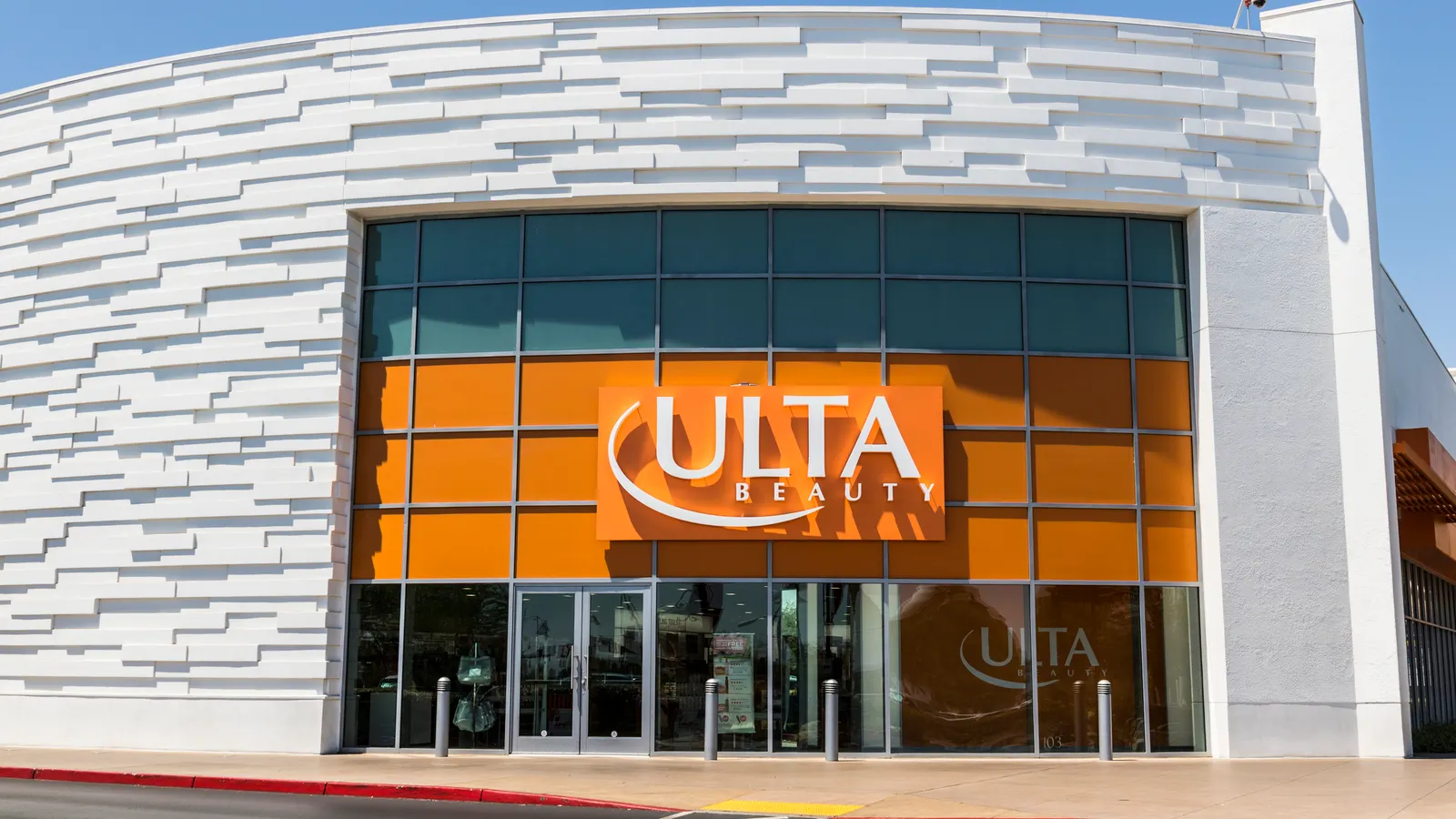
In a significant strategic move to fortify its national supply chain network, Ulta Beauty has announced plans to construct a massive 395,000-square-foot regional distribution center in Salt Lake City, Utah. The facility, slated to commence operations in 2027, represents a critical evolution in the beauty retailer’s ongoing efforts to harmonize its omnichannel fulfillment capabilities while driving operational efficiency through advanced robotics.
As the retail landscape becomes increasingly competitive, the pressure to deliver products faster—both to brick-and-mortar storefronts and directly to digital consumers—has never been higher. With this eighth distribution center, Ulta Beauty is positioning itself to close persistent geographic gaps in its supply chain, specifically targeting the Pacific Northwest and the Mountain Plains region.
The Strategic Imperative: Closing the Northwest Gap
For Ulta Beauty, the choice of Salt Lake City as a logistics hub is far from coincidental. According to Erik Lopez, Chief Supply Chain Officer at Ulta Beauty, the facility is designed to address a fundamental challenge: the distance between inventory and the end consumer.
"The Salt Lake City facility helps close a key gap in our Northwest network, brings products closer to guests and improves delivery speed for the stores and eCommerce orders it supports by up to one full day," Lopez explained.
Currently, much of the heavy lifting for the Western United States has been handled by the retailer’s Fresno, California hub. By establishing a presence in Utah, Ulta is not only offloading some of the volume from the Fresno facility but also creating a more resilient and redundant network. This "hub-and-spoke" model ensures that if one facility faces disruptions—whether due to natural disasters, labor shortages, or surges in seasonal demand—the broader network can recalibrate to maintain service levels.
Technological Integration: The Rise of AutoStore
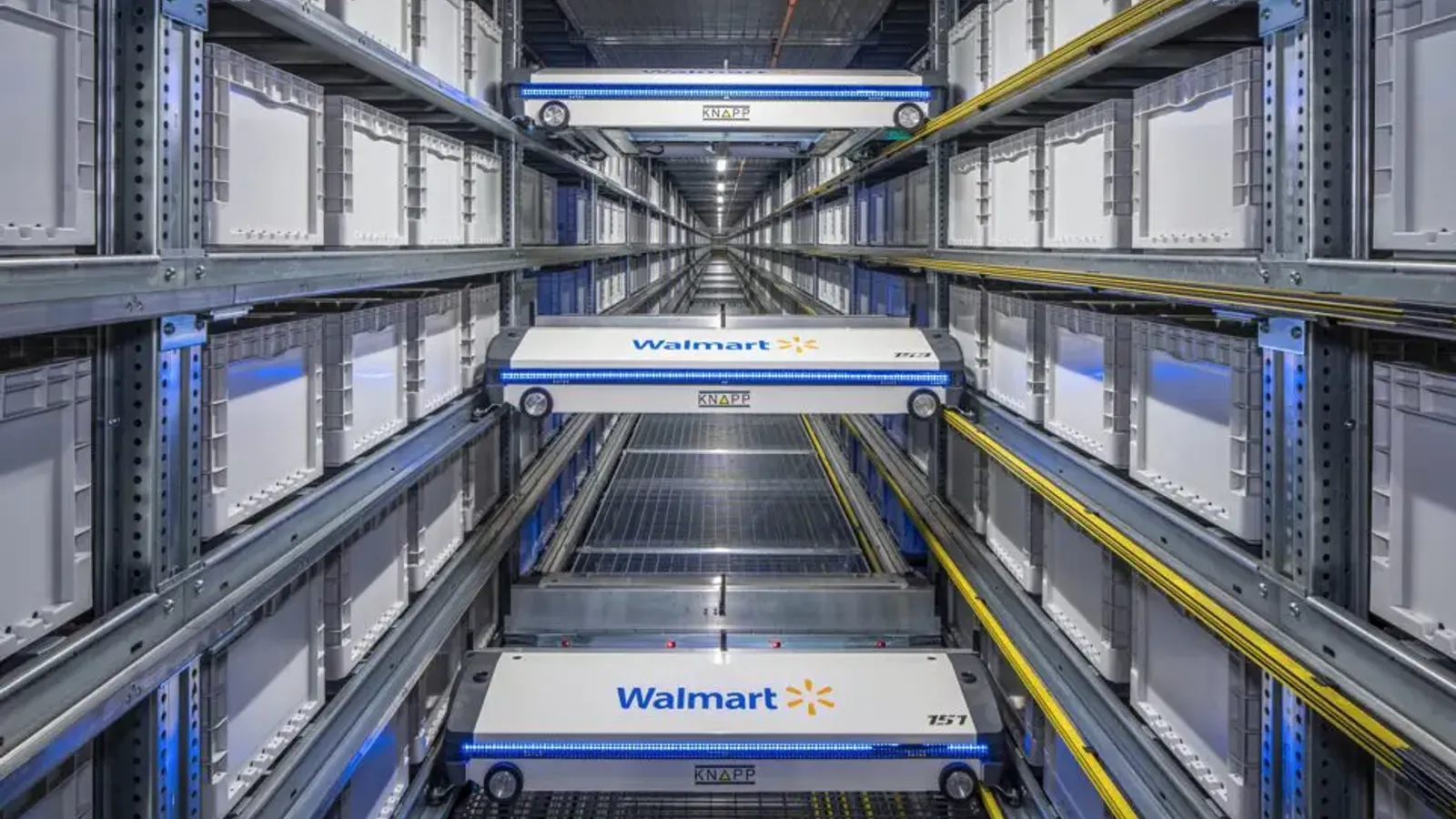
The Salt Lake City facility will be more than just a warehouse; it will serve as a lighthouse project for the company’s adoption of automation. At the heart of the new center’s operations is the AutoStore system, a high-density, automated storage and retrieval solution (AS/RS).
The AutoStore technology utilizes a grid-based system where robots move across the top of inventory bins, retrieving items and delivering them to picking stations. For a beauty retailer dealing with thousands of SKUs—ranging from tiny cosmetic brushes to larger bottles of skincare products—the system is uniquely suited to optimize space.
"The facility will be equipped with AutoStore warehouse technology, which is an automated solution that aims to reduce cost-per-unit, simplify product flow, the fulfillment process and improve productivity across all operations," Lopez noted.
By automating the retrieval process, Ulta expects to see a significant uptick in accuracy and speed. This is crucial for maintaining the "omnichannel" experience, where inventory must be rapidly reallocated between online orders and store stock based on real-time consumer demand.
A Chronology of Supply Chain Transformation
The announcement of the Salt Lake City hub does not exist in a vacuum; it is the latest chapter in a multi-year effort by Ulta to modernize its infrastructure.
- 2024: Ulta Beauty publicly signaled a massive shift in its logistics strategy, with CSCO Erik Lopez detailing plans to retroactively upgrade existing distribution centers to handle the growing complexities of e-commerce.
- Early 2025: The company began intensive investments in proprietary software to drive inventory visibility across its entire U.S. footprint.
- April 2026: During the Q4 earnings call, CEO and Director Kecia Steelman emphasized that the retailer’s future growth is inextricably linked to supply chain automation. Steelman noted that the company is actively rolling out "systems and processes investments" to drive higher inventory productivity.
- May 2026: The official announcement of the Salt Lake City site marks the formal expansion of the company’s physical footprint to eight major distribution hubs.
Supporting Data and Network Reach
The Salt Lake City facility is projected to service approximately 180 retail stores. This capacity expansion is essential for supporting the company’s recent growth in store counts across the western U.S.

The current distribution network, which this new facility joins, includes:
- Chambersburg, Pennsylvania
- Bolingbrook, Illinois
- Greer, South Carolina
- Fresno, California
- Dallas, Texas
- Greenwood, Indiana
- Jacksonville, Florida
- Salt Lake City, Utah (Projected 2027)
Beyond its logistical capabilities, the facility serves as an economic engine for the region. Ulta has confirmed that the construction and subsequent operation of the site will create more than 400 new jobs. This headcount will encompass a variety of roles, ranging from facility management and logistics planning to specialized technicians tasked with maintaining the sophisticated AutoStore robotics systems.
Official Perspectives: The C-Suite View
Ulta leadership has been vocal about the necessity of these upgrades. The transition from a traditional manual-pick model to an automated, data-driven supply chain is viewed as the primary defense against rising shipping costs and the consumer expectation for "instant" gratification.
"We are investing in systems and processes to drive inventory productivity, alongside sales," CEO Kecia Steelman stated in her recent address to analysts. This directive underscores the dual goal of the supply chain overhaul: to reduce the cost per unit shipped while simultaneously increasing the volume of items that can be processed per hour.
For the company, the "cost-per-unit" is a critical metric. In the beauty industry, where products can be small and high-value, the efficiency of picking and packing is often the difference between a profitable online transaction and a loss-making one. By moving to automated systems, Ulta is effectively lowering its overhead for every lipstick or foundation shipped from the facility.
Broader Implications for the Beauty Retail Sector
The move to add an eighth distribution center in Salt Lake City reflects broader trends in the retail sector. As e-commerce continues to claim a larger share of the beauty market, retailers can no longer rely on centralized shipping from one or two coasts.

1. The Death of Distance
By moving hubs into the interior of the country, Ulta is effectively "de-risking" its delivery promise. One-day improvements in delivery speed are often the threshold that keeps a customer loyal to a retailer rather than moving to a competitor or a third-party marketplace like Amazon.
2. The Automation Race
Ulta is signaling to the industry that automation is no longer an "emerging technology" but a mandatory investment. Competitors in the beauty space are also looking at micro-fulfillment and advanced robotics. Ulta’s aggressive rollout of AutoStore technology suggests that the company is aiming to lead the sector in terms of fulfillment-per-square-foot.
3. Sustainability and Labor
While the move is primarily about speed, it also touches on sustainability. By placing inventory closer to the end consumer, the company reduces the "last-mile" distance. Shorter transit distances generally correlate with a lower carbon footprint for delivery, aligning with the broader corporate social responsibility goals that many modern consumers now demand from their favorite brands.
Conclusion: A Future-Proof Network
As Ulta Beauty looks toward 2027 and beyond, the Salt Lake City facility will act as the linchpin for its operations in the American West. By balancing the load of its Fresno hub and utilizing the precision of AutoStore technology, the company is building a logistics framework that is as agile as the shifting beauty trends it serves.
For stakeholders, the message is clear: Ulta Beauty is committed to a capital-intensive strategy that prioritizes long-term operational efficiency over short-term savings. With eight centers now strategically positioned across the map, the retailer is effectively preparing to weather any supply chain volatility while continuing to scale its omnichannel reach.
As the construction in Utah progresses over the coming months, the industry will be watching closely to see how this facility impacts Ulta’s bottom line, its delivery speeds, and its ability to maintain inventory productivity in an increasingly complex retail environment. The Salt Lake City hub is not merely a warehouse; it is the physical manifestation of Ulta’s transition into a modern, tech-enabled logistics powerhouse.