





When the sweltering heat of summer reaches its peak, an air conditioning unit is more than just a luxury—it is a vital piece of infrastructure that sustains the safety and functionality of our homes and workplaces. However, when that unit suddenly fails, the silence of the cooling system is often replaced by mounting anxiety. If you have ever wondered, "Why won’t my AC unit turn on?," you are far from alone.
Beyond the immediate frustration of a stifling environment, a malfunctioning AC unit poses legitimate health risks and can signal deeper, more costly mechanical failures. In this comprehensive report, we explore why timely intervention is critical, the common pitfalls of HVAC neglect, and how professional maintenance serves as an essential investment in your property’s longevity.
The Main Facts: Why Air Conditioning Matters
At its core, an air conditioning system serves as the lungs and the climate control center of a building. When a system fails, the repercussions are multifaceted.
- Health and Safety: Prolonged exposure to high indoor temperatures can lead to heat-related illnesses, particularly for vulnerable populations, including the elderly, young children, and those with pre-existing medical conditions.
- Structural Integrity: Humidity control is a primary function of AC units. Without it, moisture can accumulate, leading to mold growth, wood warping, and damage to electronics.
- Escalating Repair Costs: Minor issues, such as a clogged filter or a faulty capacitor, are inexpensive to rectify. However, if left ignored, these small "hiccups" can strain the compressor, leading to catastrophic system failure that necessitates a full replacement.
Chronology of System Failure: From Minor Glitch to Major Repair
Understanding the lifecycle of an AC failure can help homeowners recognize the warning signs before a total shutdown occurs.
- Phase 1: The Subtle Decline: It often starts with a slightly longer cooling cycle. You might notice the unit stays on for an extra hour to reach the same temperature. This is the "Efficiency Gap."
- Phase 2: The Warning Signs: Unusual sounds begin to emerge—a grinding, squealing, or rattling noise. Simultaneously, you may notice inconsistent airflow or a slight change in the smell of the air, indicating potential debris or electrical stress.
- Phase 3: The Critical Threshold: The unit begins to short-cycle, turning on and off rapidly. This is a common defense mechanism triggered by the system’s internal safety protocols, often caused by a dirty evaporator coil or a refrigerant leak.
- Phase 4: Total System Failure: The unit refuses to engage. The thermostat shows power, but the compressor remains silent. This is the moment where professional intervention is no longer optional; it is mandatory.
Supporting Data: The Cost of Neglect
Data from HVAC industry analysts suggests that nearly 70% of major air conditioning repairs are entirely preventable. Neglecting your unit is mathematically equivalent to "burning money."
A system that is not properly maintained can lose up to 5% of its efficiency every year. Over a five-year period, a homeowner might see their energy bills spike by 25% just to maintain the same level of cooling. Furthermore, the average lifespan of an air conditioning unit is 10 to 15 years. Those who adhere to rigorous, bi-annual maintenance schedules often see their units reach the 20-year mark, effectively delaying a $6,000–$10,000 replacement cost for half a decade.
Expert Perspectives: The Role of the Professional Technician
While DIY videos are abundant, the complexities of modern HVAC systems—specifically those involving refrigerants (like R-410A) and high-voltage electrical components—require specialized expertise.
Professional technicians are not merely "repairmen"; they are systems analysts. When a professional AC technician arrives, they are looking for specific indicators of health:

- Refrigerant Levels: Ensuring the system is properly charged to prevent freezing coils.
- Electrical Integrity: Inspecting contactors and capacitors to prevent fire hazards.
- Drainage Systems: Clearing condensate lines to prevent water damage to ceilings and walls.
Industry experts emphasize that a "quick fix" often fails to address the root cause of the problem. A professional diagnostic ensures that if a part has failed, the underlying issue—such as poor airflow or a faulty thermostat—is also resolved.
Implications: The Multi-Layered Benefits of Maintenance
1. Enhanced Energy Efficiency
When an AC unit is clogged with dust or suffering from low refrigerant, it must run longer and harder to achieve the desired temperature. By cleaning evaporator coils and replacing air filters, you drastically reduce the system’s energy load, lowering your carbon footprint and your monthly utility bills.
2. Improved Indoor Air Quality
Your AC is effectively a giant air purifier. If the system is dirty or the filtration is compromised, it becomes a vessel for circulating dust, allergens, and airborne pollutants. Professional maintenance ensures that the filtration system is operating at peak capacity, creating a healthier living space, especially for those suffering from asthma or seasonal allergies.
3. Protecting Your Investment
Consider your AC unit like a vehicle. If you never changed the oil or the tires, the car would eventually seize up. An AC unit has moving parts, lubricants, and sensitive electronics. Regular check-ups catch minor wear and tear before it results in a system-wide collapse.
Practical Maintenance Tips for Homeowners
While professional service is essential, there are proactive steps every homeowner should take to support the health of their HVAC system:
- The Filter Rule: Change your air filters every 30 to 90 days. This is the single most effective way to prevent airflow restrictions and motor strain.
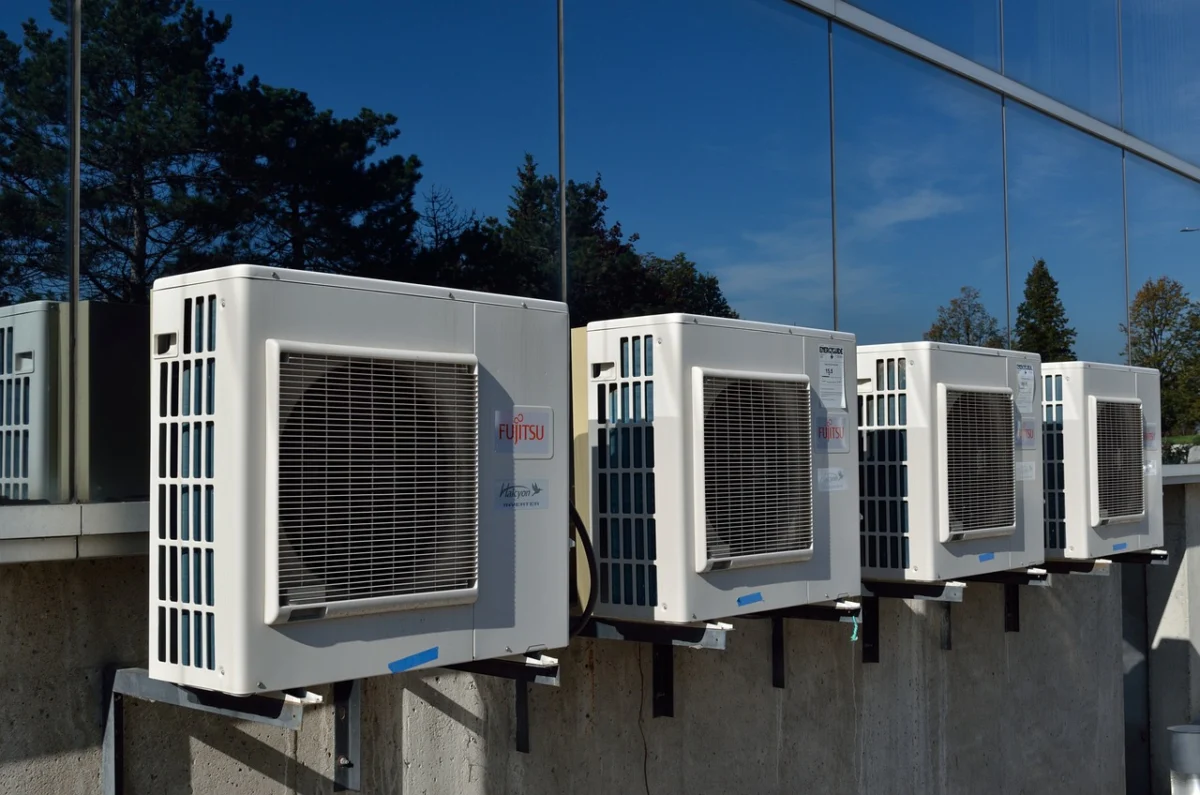
- Clear the Perimeter: Ensure there is at least two feet of clearance around your outdoor condenser unit. Remove weeds, leaves, and debris that could obstruct airflow.
- Thermostat Discipline: Avoid extreme temperature swings. A steady, consistent temperature is easier on the compressor than "cranking" the system up and down.
- The "Listen and Smell" Test: Be hyper-aware of your system. If you hear a high-pitched squeal or smell something burning, shut the unit off immediately and call for a professional inspection.
- Clear Condensate Lines: Occasionally check your drain pan for standing water, which can be a breeding ground for mold and bacteria.
- Annual Tune-ups: Schedule a professional inspection every spring before the summer heat hits. This ensures you are at the front of the line before the seasonal rush.
Conclusion: Don’t Wait for the Heatwave
The discomfort of a broken air conditioner is amplified when it occurs during the peak of summer, often when repair companies are at their busiest. Proactive care is not just about avoiding a hot room; it is about protecting your financial investment and the health of your indoor environment.
If you are currently experiencing performance issues, don’t wait for a total breakdown. Our AC repair service in North Ridgeville is dedicated to restoring comfort to your home or business with precision and speed. Whether it is poor airflow, lukewarm air, or a complete lack of power, our experienced technicians are equipped to handle the problem effectively.
Take control of your home’s climate today. Do not let a minor mechanical issue spiral into a major renovation or replacement project. Contact us now to schedule your professional inspection and ensure your cooling system is ready for whatever the season brings. Your comfort is our priority, and with the right maintenance, we can keep you cool, calm, and collected all year long.