





By Robert Walton | Published May 13, 2026
The American electrical grid is standing at the precipice of its most significant transformation since the dawn of the 20th century. According to a landmark forecast released on May 7, 2026, by the National Electrical Manufacturers Association (NEMA), the United States is facing an era of unprecedented energy demand growth. Driven by the meteoric rise of artificial intelligence and the rapid adoption of electric transportation, the nation’s power consumption is poised to skyrocket, forcing a radical reimagining of how electricity is generated, transmitted, and managed.
The Core Mandate: An Unprecedented Surge
The data is unequivocal: the "electrification of everything" is no longer a theoretical goal but a present-day reality. NEMA’s latest analysis suggests that U.S. net electricity consumption, which stood at approximately 3,936 TWh in 2024, is on a trajectory to reach 6,130 TWh by 2050.
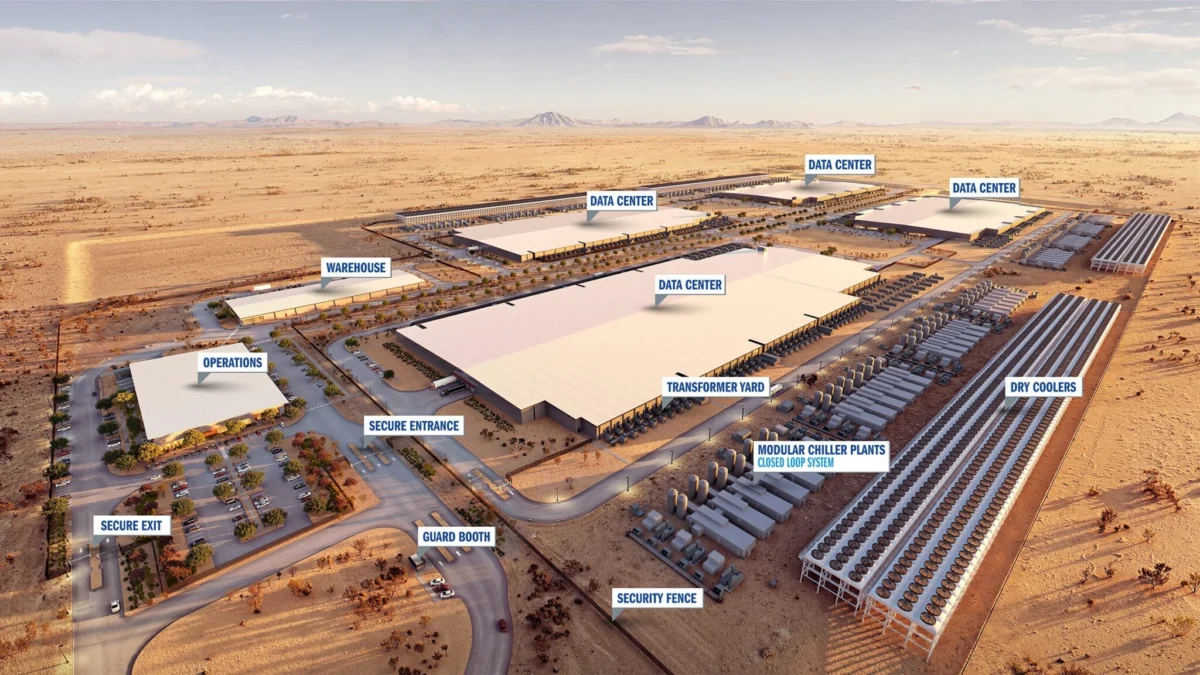
At the heart of this surge is the digital infrastructure supporting the AI revolution. NEMA projects a staggering 300% increase in data center energy consumption over the next decade. By 2037, data centers alone are expected to account for 38% of total net electricity consumption. This shift is being fueled by aggressive capital expenditure from hyperscalers—the tech giants operating massive cloud and AI server farms—and the compounding energy intensity required to train and deploy increasingly complex generative AI models.
"A year ago, we sounded the alarm on the scale of what was coming," said NEMA President and CEO Debra Phillips. "Today’s update makes clear that the trajectory has only steepened."
Chronology of a Changing Grid
To understand the current crisis, one must look at the compounding pressures that have brought the U.S. grid to this juncture:
- 2024: Baseline year for the current assessment, with national consumption sitting at 3,936 TWh.
- 2025: Initial NEMA studies identify a "widening gap" between surging demand and existing grid capacity, sparking early warnings from industry leaders.
- May 7, 2026: NEMA releases its comprehensive updated forecast, highlighting that data center growth and EV adoption are accelerating faster than previous models predicted.
- 2035: Target horizon for 51 million light-duty electric vehicles on U.S. roads—a massive increase from the current 5.7 million figure.
- 2037: The anticipated peak period for data center energy intensity, where they are projected to command nearly 40% of the national power load.
- 2050: The long-term outlook for the grid, characterized by a transition to a generation mix dominated by renewables, storage, and a significantly larger overall energy footprint.
Supporting Data: The Anatomy of Demand
The NEMA report breaks down the growth drivers by sector and region, revealing a highly uneven distribution of load.
The Data Center Boom
The mid-Atlantic and Texas regions are identified as the primary hubs for future data center development through 2035. This geographic concentration poses unique challenges for local grid operators, who must now find ways to provide massive, uninterrupted power feeds to facilities that require near-100% uptime. The energy intensity of AI workloads is not just a technological hurdle; it is a structural challenge for power distribution.
The E-Mobility Transition
While NEMA has slightly tempered its earlier, more aggressive predictions for e-mobility—citing evolving policy shifts—the growth remains exponential. A projected 2,000% increase in electricity demand from the electric transportation sector is expected through 2050. The Northeast and the West are currently positioned to lead this transition, requiring significant investment in localized charging infrastructure and grid-balancing technologies.
The Generation Mix Shift
Perhaps the most "seismic" change identified in the report is the composition of the power supply. The grid of 2043 is envisioned to look radically different from today’s:
- Storage and Renewables: A 300% increase in wind, solar, and standalone battery storage.
- Projected 2043 Capacity: 303 GW of battery storage, 568 GW of solar, and 408 GW of wind.
- Remaining Baseload: 533 GW of oil and gas, 117 GW of nuclear, and 57 GW of coal.
- Regional Dominance: Renewables are expected to exceed 50% of generation capacity in the Western U.S., New York, and the Southeast.
Official Responses and Industry Sentiment
The consensus among industry stakeholders is that the status quo is insufficient. The challenge is not merely about generating more power, but about the physical limitations of existing delivery systems.
"Demand is growing faster than the grid can physically expand, creating costly and potentially hazardous transmission and distribution capacity constraints," said Mike Plaster, President of MacLean Power Systems.

Plaster emphasized that the solution lies in efficiency and innovation rather than purely traditional infrastructure expansion. "The answer isn’t to stop building wires," Plaster noted. "It’s to deploy advanced conductors, power flow controllers, microgrids, and other advanced systems to maximize the capacity of infrastructure that’s already built and online."
This sentiment is echoed by the broader manufacturing sector, which views the current bottleneck as an opportunity to modernize. The deployment of "smart" grid technologies, such as dynamic line ratings and topology optimization, is no longer considered optional. These technologies allow grid operators to monitor lines in real-time, pushing more power through existing assets during favorable weather conditions or rerouting traffic when specific lines are congested.
Implications: A New Era for Energy Policy
The NEMA report serves as a wake-up call for regulators and policymakers. If 38% of all electricity by 2037 is consumed by data centers, the socioeconomic implications are profound.
1. Grid Reliability and Security
As the grid becomes more dependent on weather-dependent renewables (wind and solar), the role of long-duration battery storage and firm, dispatchable power (like nuclear) becomes critical. The transition will require a delicate balancing act to ensure that the rapid retirement of coal plants does not leave the system vulnerable to supply shocks during peak demand periods.
2. Economic Competitiveness
The regions that succeed in upgrading their grid capacity will likely win the "AI Sweepstakes." Companies looking to build data centers will inevitably flock to areas where electricity is not only abundant but reliably delivered. Conversely, regions that struggle to keep pace with infrastructure upgrades risk economic stagnation as they fail to attract the high-tech investment that will define the next two decades.
3. The Need for Regulatory Speed
The report implicitly highlights a critical tension: the speed of technology adoption is vastly outstripping the speed of permitting and regulatory approval. For the U.S. to accommodate a 6,130 TWh load by 2050, the process for siting new transmission lines, upgrading substations, and integrating distributed energy resources must be streamlined.

4. Sustainability and Resilience
While the shift toward renewables is positive from an emissions standpoint, it places an enormous burden on the grid’s resilience. Extreme weather events, which are becoming more frequent, coupled with higher load demands, create a "double threat." Investments in microgrids—which can operate independently during localized outages—are expected to become a standard feature for mission-critical facilities, such as hospitals and large data centers.
Conclusion: The Path Forward
The NEMA forecast paints a picture of a nation in the midst of a profound industrial metamorphosis. The "steepening trajectory" of energy demand is not merely a technical issue; it is the fundamental infrastructure challenge of the 21st century.
As the United States pushes toward midcentury, the integration of advanced conductors, AI-driven grid management, and a robust, diversified generation mix will be the defining factors of success. The message from industry leaders is clear: the grid of the past cannot sustain the economy of the future. The time to modernize is not when the capacity finally runs dry, but now, while there is still time to build the foundations for a high-energy, digital-first future.