





As the mercury climbs during the sweltering North Ridgeville summer—where average temperatures frequently hover in the mid-80s—the hum of a functional air conditioning unit becomes the soundtrack of a comfortable home. However, few things are as frustrating as the silence of a failed AC unit on a day when the heat index is soaring. When your system refuses to engage, the immediate reaction is often panic, but understanding the mechanical and electrical nuances of your cooling system can be the difference between a minor inconvenience and a costly emergency.
In this deep dive, the experts at Climate-Tech provide an exhaustive guide to diagnosing why your AC might be failing, how to perform basic troubleshooting, and when it is time to call in the professionals to restore comfort to your living space.
The Anatomy of an AC Failure: Main Facts
Air conditioning systems are complex machines that rely on a delicate balance of electrical signals, airflow, and refrigerant pressure. When any one of these components falls out of sync, the system’s safety mechanisms—designed to prevent catastrophic damage—will trigger a total shutdown.
Most homeowners assume that if an AC stops, the unit is "broken." In reality, the issue is often a simple disconnect in the communication between the thermostat and the air handler, a tripped circuit breaker, or a restricted airflow path caused by a neglected filter. Understanding these "fail-safe" triggers is the first step toward restoring your home’s climate control.
Chronology of a Breakdown: How to Diagnose the Issue
When your home begins to heat up, follow this logical progression of checks before assuming the worst. By isolating the variable, you can often save yourself an unnecessary service call.
1. The Thermostat: The Brain of the System
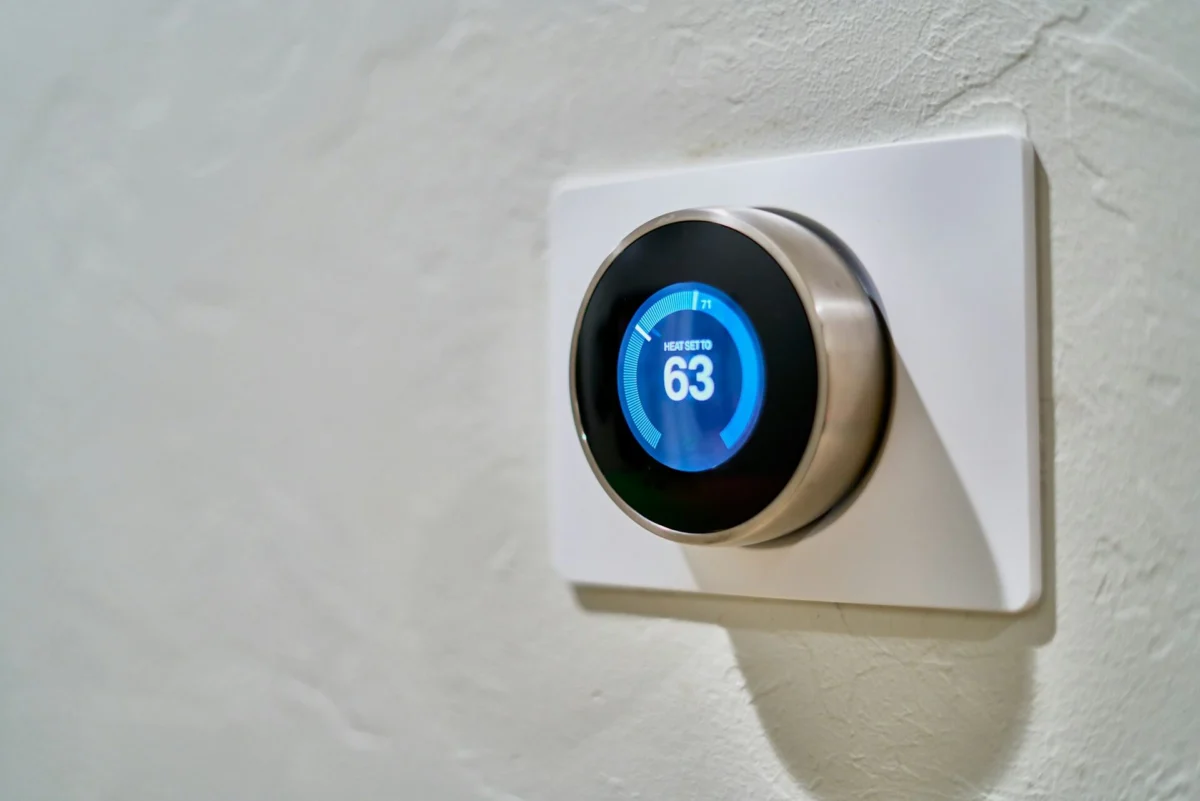
The thermostat acts as the command center. If it loses power or suffers a programming glitch, it cannot send the "start" signal to the outdoor condenser.
- Check the Batteries: Digital thermostats are often battery-operated. A dead battery can cause the screen to go blank or prevent the unit from firing.
- Settings Check: Ensure the thermostat is set to "Cool" and the temperature is set at least five degrees below the current room temperature.
- Calibration: If the thermostat screen shows the system is "On" but no air is blowing, the device may have lost its calibration or its connection to the control board.
2. The Power Supply: The Electrical Path
If the thermostat is operational, the next step is to investigate the power supply. AC units draw significant amperage, and homes are equipped with safety switches to prevent electrical fires.
- Circuit Breaker: Locate your home’s electrical panel. Check if the breaker labeled "AC" or "HVAC" has tripped into the middle or "Off" position. If it has, flip it completely to "Off" and then back to "On."
- The Disconnect Box: Located near the outdoor unit, this metal box contains a service disconnect. Ensure it hasn’t been pulled out or that the fuse inside hasn’t blown.
3. Airflow and Filtration: The Silent Killer
An AC unit requires a specific volume of air to pass over the evaporator coils to absorb heat. If your air filter is clogged with dust, pet dander, and debris, the system will suffocate. This creates a pressure imbalance that can cause the evaporator coil to freeze over, forcing the unit to shut down to prevent motor burnout.
Supporting Data: Why Maintenance Matters
The data is clear: HVAC systems that undergo bi-annual professional maintenance last significantly longer and operate more efficiently than those left to fend for themselves. According to industry research, neglecting basic maintenance can lead to a 5% to 15% drop in system efficiency every year.
Furthermore, the average lifespan of a modern residential AC unit is between 10 and 20 years. However, this range is heavily dependent on the "environmental load." In North Ridgeville, where systems work harder during peak summer, a unit that isn’t cleaned annually will likely reach the end of its life closer to the 10-year mark. Professional inspections ensure that refrigerant levels are optimal, electrical contacts are tightened, and capacitors—the components most likely to fail—are replaced before they stop the system entirely.
Official Recommendations: Troubleshooting Procedures
When you are faced with an unresponsive system, follow these professional-grade protocols:
How to Properly Replace an Air Filter
- Locate the Housing: Find the filter slot, typically located at the return air duct or near the air handler unit.
- Verify Size: Always match the dimensions of the old filter. A poorly fitted filter allows contaminants to bypass the system, coating your interior coils in dust.
- Check Directional Arrows: Filters are directional. Ensure the arrow on the frame points toward the blower motor (the direction of airflow).
- Seal and Secure: Ensure the access door is firmly closed. A loose door can prevent the safety switch from engaging.
Cleaning Reusable Filters
If your system utilizes a permanent, washable filter:
- Extraction: Carefully remove the filter to avoid dislodging trapped dust into your home.
- Vacuuming: Use a soft-brush vacuum attachment to remove the bulk of the debris.
- Washing: Use a mild detergent and low-pressure water. Never use high-pressure sprayers, as they can bend the delicate mesh.
- Complete Drying: The filter must be 100% dry before re-insertion. Installing a damp filter encourages mold growth within the ductwork.
Implications of DIY vs. Professional Intervention
While changing a filter is a task for the homeowner, other issues carry significant risks.
The Danger of Electrical Complexity
The AC system contains high-voltage capacitors that can hold a lethal charge even after the power is disconnected. If you hear a humming sound but the fan isn’t spinning, the capacitor is the likely culprit. Do not attempt to replace electrical components yourself. The risk of electrical shock or permanent damage to the HVAC control board is high.
When to Call for Expert Repair
You should contact a professional technician if:
- The System Cycles Rapidly: Short-cycling can indicate a refrigerant leak or a failing compressor.
- Unusual Noises: Screeching, grinding, or banging sounds often indicate mechanical failure, such as a loose blower wheel or a failing motor bearing.
- Poor Airflow: If the fan is running but the air is barely moving, there may be a blockage in the ductwork or a failing blower motor.
- Persistent Failures: If you have reset the breaker and replaced the filter but the unit still refuses to run, there is likely a deeper diagnostic issue that requires specialized tools.
The Case for Energy-Efficient Upgrades
There comes a point in every homeowner’s journey where the cost of repair outweighs the value of the unit. If your AC is over 15 years old, uses the now-phased-out R-22 refrigerant, and requires frequent repairs, the financial implication is clear: you are losing money.
Modern, energy-efficient units (measured by SEER2 ratings) offer significant long-term savings on utility bills. They also feature advanced diagnostics, variable-speed motors, and smart-home integration that make monitoring your home’s comfort easier than ever. When considering a replacement, consult with a Climate-Tech professional to perform a "load calculation," which ensures your new unit is perfectly sized for your home—neither too small (which will run constantly) nor too large (which will cool too quickly, leading to humidity issues).
Conclusion: Partnering with Climate-Tech
The goal of every homeowner should be to minimize downtime and maximize the lifespan of their investment. By performing routine filter changes and scheduling professional inspections before the height of the summer heat, you can prevent 90% of common AC failures.
However, should the unexpected occur, you don’t have to navigate the heat alone. Climate-Tech is dedicated to providing North Ridgeville residents with rapid, reliable, and professional HVAC services. Whether you are dealing with a complex electrical issue or simply need a routine check-up, our team is available 24/7 to ensure your home remains a sanctuary of cool comfort.
Don’t wait for a total system failure to address your AC needs. Reach out to Climate-Tech today for expert maintenance and emergency repair services, and ensure your home stays cool all summer long.