





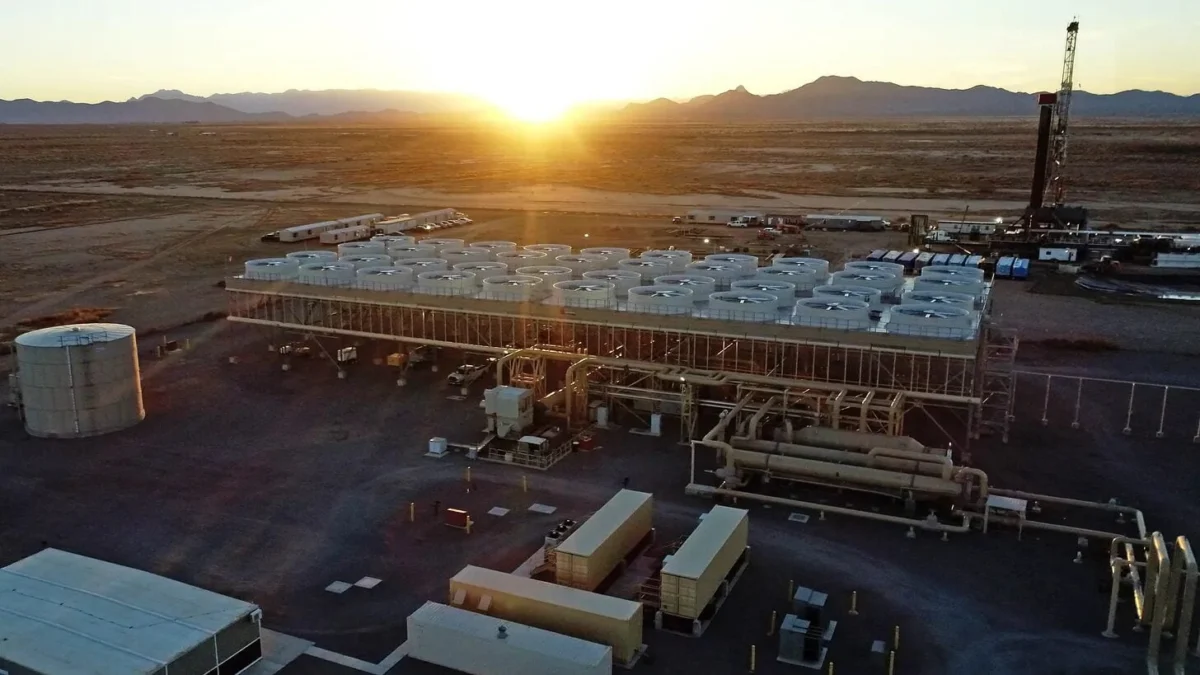
In a major strategic pivot toward reliable, round-the-clock renewable energy, Amazon has announced a massive 700-megawatt (MW) clean energy investment in Nevada. The initiative is designed to support the tech giant’s rapidly expanding footprint of data centers in the Reno area. By integrating 100 MW of firm geothermal capacity alongside 600 MW of solar power and 600 MW of battery storage, Amazon is setting a new standard for how hyperscalers approach grid stability and carbon-free energy procurement.
The deal, which includes a landmark 20-year Power Purchase Agreement (PPA) with Salt Lake City-based Zanskar, underscores a growing industry realization: wind and solar are necessary, but they are not sufficient for the high-availability, 24/7 demands of modern artificial intelligence and cloud computing infrastructure.
The Core Components of the Portfolio
The investment package is bifurcated into two primary resource types, each serving a distinct function in maintaining the grid’s operational integrity:
- Geothermal Power (100 MW): Provided by Zanskar, this component acts as the "baseload" anchor. Unlike variable renewable energy (VRE) sources like solar or wind, geothermal energy harnesses the Earth’s internal heat, providing a steady, reliable flow of electricity regardless of weather conditions or time of day.
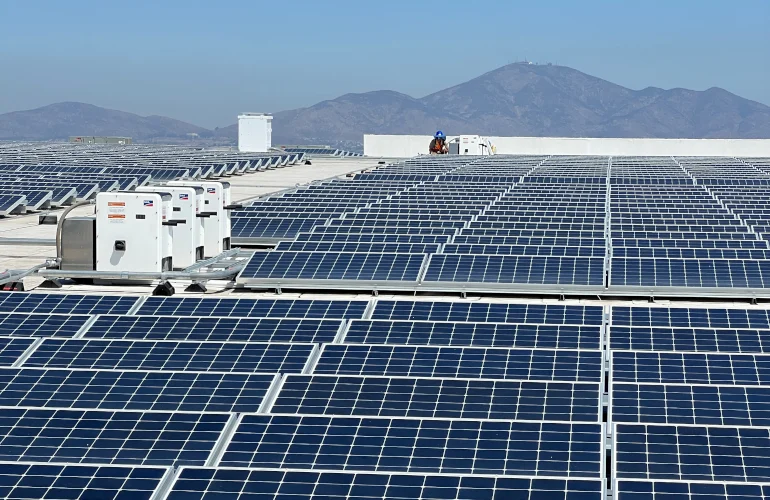
- Solar and Battery Storage (600 MW/600 MW): Managed by Primergy, this project adds significant capacity to the Nevada grid. By pairing solar arrays with an equivalent 600 MW of battery storage, the system can capture excess energy during peak daylight hours and discharge it during high-demand periods, effectively "time-shifting" the solar output to serve evening loads.
Chronology and Regulatory Path
The road to this partnership has been marked by a series of rapid developments in Zanskar’s operational and financial scaling.
2025–Early 2026: Zanskar solidifies its position in the market, closing a $115 million Series C funding round and securing $40 million in development capital. The company simultaneously expanded its reputation through its operation of the Lightning Dock plant in New Mexico—noted for hosting the most productive pumped geothermal well in the United States.
Mid-2026: The formal announcement of the partnership with Amazon and NV Energy. The project is currently awaiting the approval of NV Energy’s 2026 Integrated Resource Plan (IRP) by the Public Utilities Commission of Nevada (PUCN).
2026–2030: This period marks the construction and development phase. Zanskar is slated to build out its portfolio at sites such as Pumpernickel and Big Blind in Nevada. The goal is full grid integration by 2030, with the PPA remaining in effect through 2050.

The Technological Edge: AI and Geoscience
A significant driver behind this project is Zanskar’s unique approach to geothermal development. Traditionally, geothermal energy has been hampered by high exploration risks and uncertainty regarding the viability of underground heat reservoirs.
Zanskar has disrupted this model by deploying a "de-risking" strategy that utilizes:
- Artificial Intelligence: Advanced machine learning models that analyze regional geological data to predict heat flow and reservoir potential with high precision.
- Computational Geoscience: Sophisticated modeling of subterranean structures to optimize drilling locations.
- Modern Drilling Techniques: Borrowing methodologies from the oil and gas sector to reduce costs and increase the speed of geothermal well development.
By applying these technologies, Zanskar has successfully scaled its "greenfield" portfolio, turning geothermal from an experimental niche into a viable, utility-scale contributor to the Nevada grid.
Official Responses and Strategic Vision
The deal has been met with enthusiasm by stakeholders, who view it as a blueprint for the future of industrial-scale energy procurement.
Ryan McGraw, Chief Development Officer of Zanskar, emphasized the necessity of the deal during the announcement: "Geothermal is one of the few energy sources uniquely positioned to deliver affordable, around-the-clock power. Not only can it deliver reliable, carbon-free power with existing technologies, but it is also uniquely suited to scale and meet growing electrical needs for years to come."
For Amazon, this represents a departure from traditional corporate sustainability models. While the company has long been a leader in procuring wind and solar, this is their first data center project to feature dedicated, utility-scale geothermal generation.
In a proactive move to address potential community concerns, Amazon has confirmed that it will bear the full financial burden of the new energy infrastructure. "We will cover all costs associated with powering our data centers, including new energy infrastructure and generation," an Amazon representative stated, ensuring that the financial impact is not passed on to Nevada residents or businesses.

Broader Implications for the Energy Sector
The Amazon-Zanskar-NV Energy alliance carries several critical implications for the global energy transition:
1. The Rise of "24/7 Carbon-Free"
Tech companies are shifting their metrics from "annual net-zero" (where they offset consumption with renewable energy credits) to "24/7 matching" (where the energy consumed at any given hour is matched by a carbon-free source). Geothermal is the "missing link" for this transition, as it fills the gaps left by solar and wind when the sun sets or the wind dies down.
2. De-risking Renewables for Utilities
By structuring the PPA within the framework of NV Energy’s Integrated Resource Plan, the project acts as a model for public-private cooperation. It allows a regulated utility to incorporate innovative, clean baseload power without the traditional risks associated with exploration and development, which are instead managed by the developer (Zanskar).
3. Scaling the "Hyperscaler" Demand
Amazon’s portfolio now exceeds 40 GW of carbon-free energy across more than 700 projects worldwide. This scale is sufficient to power approximately 12 million U.S. homes. The Nevada project signals that for companies like Amazon, the future of data center expansion is inextricably linked to the construction of dedicated, high-capacity, firm power infrastructure.
4. The Future of the Grid
As data centers—the engines of the AI revolution—continue to proliferate, the pressure on regional grids is mounting. This project demonstrates that the solution is not merely "buying more solar," but rather building a diversified portfolio that includes energy storage and firm, dispatchable, carbon-free generation.
Conclusion
The 700 MW Nevada initiative is more than just a power purchase agreement; it is a manifestation of the evolving relationship between the tech sector and the utility industry. By betting on the intersection of AI-driven geothermal exploration and long-term storage, Amazon is not only securing the power needed for its Reno data centers but is also providing a financial and operational template for the rest of the industry to follow.
As the energy sector faces the dual pressures of decarbonization and the massive electrical requirements of the digital age, projects like this suggest that the answer lies in the ground beneath us—harnessed by the intelligence of modern software and the stability of long-term investment. With the PUCN’s final approval pending, all eyes remain on Nevada as a potential bellwether for the next generation of global energy infrastructure.