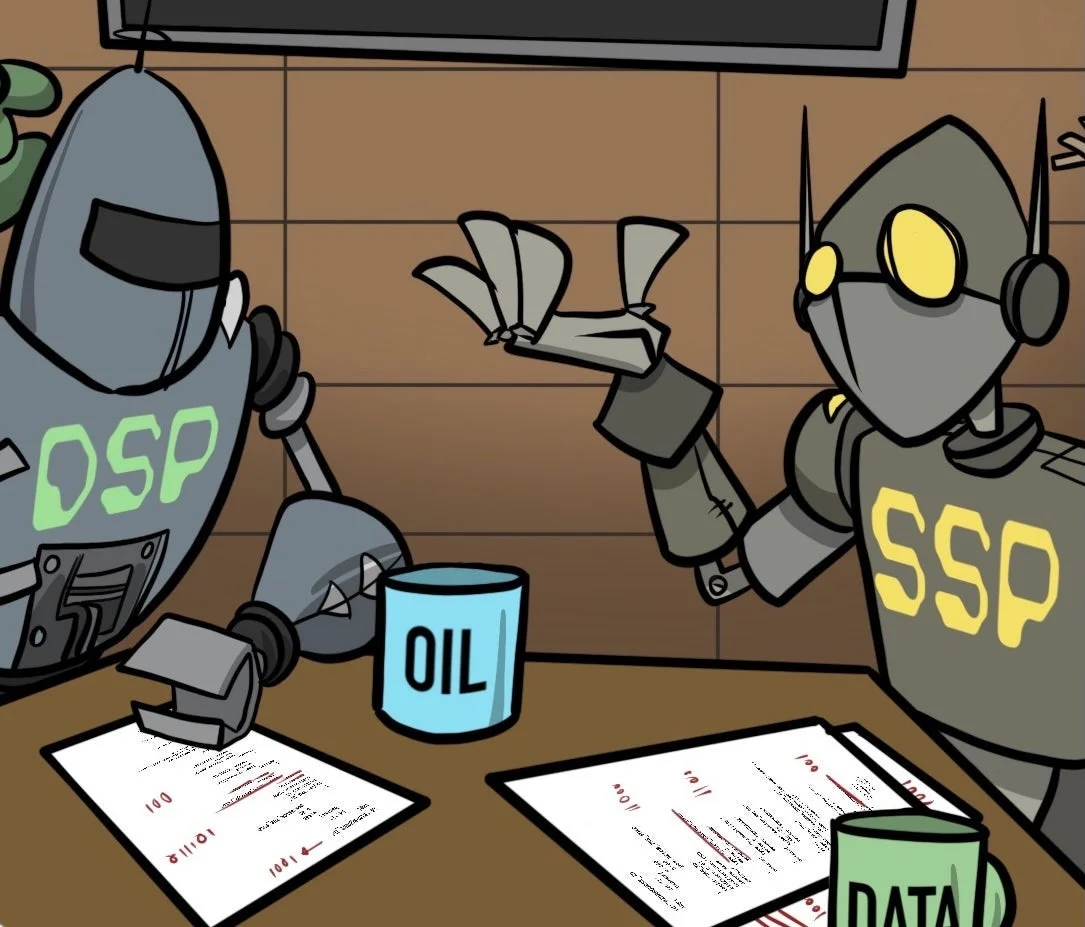
In the landscape of modern business, we are conditioned to view consensus as the ultimate hallmark of a healthy organization. We equate unanimous agreement with strategic alignment, assuming that if everyone is nodding in a boardroom, we must be on the right track. However, beneath this veneer of harmony often lies a dangerous psychological phenomenon known as the "Abilene Paradox." When teams prioritize artificial agreement over honest debate, they fall into a trap that can lead to disastrous decision-making, stagnant innovation, and deep-seated organizational resentment.
The Genesis of the Abilene Paradox: A Texas Road Trip
The term was coined in 1974 by management professor Jerry Harvey, who illustrated the concept with a personal anecdote that has since become a cornerstone of organizational psychology.
Picture a sweltering afternoon in Coleman, Texas. A family is relaxing on a porch, enjoying the shade and a pitcher of lemonade. Out of the blue, the father-in-law suggests a trip to Abilene—53 miles away—for dinner. The narrator, knowing the car lacks air conditioning and that the journey will be a cramped, miserable affair in the blistering heat, nonetheless agrees because he assumes everyone else wants to go. The wife agrees to avoid conflict; the mother-in-law follows suit.
The result is a grueling four-hour journey, a disappointing meal, and a miserable return trip. Upon arriving back home, the family is silent until one person breaks the tension by saying, "Well, that was fun, wasn’t it?" The truth spills out: every single person had despised the idea from the start, but they all felt pressured to conform to what they perceived was the group’s desire. They had driven to Abilene not because they wanted to, but because they collectively assumed everyone else did.
The Cost of False Alignment
In the corporate world, this phenomenon manifests as "false consensus." It is the silent killer of productivity. When employees withhold their true opinions to maintain social harmony, the organization loses its most valuable asset: the diverse perspective of its workforce.
The Silicon Valley Fallacy
This issue is perhaps best captured in the satirical HBO series Silicon Valley. In the show, the fictional company Pied Piper releases a beta version of its platform. The engineering team loves it, and the board members—eager to see a win—vocalize their support. However, Monica, a board member and the only non-engineer, finds the interface unintuitive. Because she is the lone dissenting voice, she assumes she is simply "not tech-savvy enough" and keeps her feedback to herself.
The result? The product is a catastrophic failure upon launch to the general public. Monica’s silence—driven by the fear of being the "odd one out"—cost the company millions. This is the reality of false consensus: the pressure to conform is often more seductive than the effort required to justify a dissenting opinion.
The Mechanics of Group Dynamics: Why We Stay Silent
To understand why teams fall into this trap, one must look at the psychological drivers behind the "Abilene Paradox."
1. The Fear of Social Exclusion
Human beings are inherently social animals. In an office environment, being the person who consistently pushes back against the status quo can lead to the perception of being "difficult" or "not a team player." This social pressure acts as a deterrent to honesty.
2. The Misperception of Collective Intent
Individuals rarely have access to the private thoughts of their colleagues. In the absence of transparent communication, we default to "mind-reading." We project our own anxieties onto the group, assuming that because no one else is complaining, they must be in total agreement.
3. The "Pleasantness" Trap
As consultant Patrick Lencioni highlights in his seminal work, The Five Dysfunctions of a Team, many teams suffer from a misguided desire to keep things "pleasant." When conflict is conflated with hostility, leaders fail to create a "safe space" for healthy, productive debate. When teams fail to air their grievances in the meeting room, those opinions do not disappear; they migrate to the "sidelines"—the water cooler, the Slack DMs, and the after-work drinks—where they become toxic, rather than constructive.
The Path Forward: Beyond Dictatorship and Chaos
If false consensus is the disease, the cure is not a shift toward autocratic, top-down leadership. Dictatorship creates a "yes-man" culture, which only exacerbates the Abilene Paradox. Instead, leaders must cultivate a culture of "productive dissent."
The "Disagree and Commit" Framework
Jeff Bezos, in his tenure at Amazon, popularized the concept of "disagree and commit." The principle is straightforward: team members are strongly encouraged to voice their dissent and argue for their perspective with data and conviction. This ensures that every potential pitfall is scrutinized. However, once the leader or the group makes a final decision, the debate ends. Even those who were initially opposed are required to fully commit to the execution of the plan.
This framework is powerful because it separates disagreement from sabotage. It allows for the expression of diverse ideas while maintaining the velocity required to execute a business strategy.
Fostering a Culture of Intellectual Safety
Leaders must actively invite dissent to prevent the Abilene effect. This can be achieved through several tactical approaches:
- The "Devil’s Advocate" Role: Assign one person in every meeting to specifically look for holes in the proposed plan. This depersonalizes the dissent.
- The "Last to Speak" Policy: Leaders should withhold their own opinions until the end of a brainstorming session to prevent "anchoring," where employees simply parrot the leader’s views.
- Encouraging "Safe Dissent": When someone voices a concern, the leader must reward the behavior publicly. By thanking the person for their critical perspective, the leader signals that the organization values truth over harmony.
Implications for Modern Leadership
The shift from artificial consensus to honest alignment is not merely a "soft skill" upgrade; it is a business imperative. In an era of rapid technological disruption, organizations cannot afford to make decisions based on an illusion of agreement.
When companies fail to address the Abilene Paradox, the implications are severe:
- Strategic Drift: Teams spend months executing a project that no one actually believed in, leading to wasted capital and morale loss.
- Lack of Ownership: Because the team never "bought in" to the decision, they are less likely to take accountability when challenges arise.
- Burnout: High-performers eventually leave when they feel their expertise is ignored in favor of performative agreement.
Conclusion: The Beauty of the "Messy" Middle
True alignment is not a quiet room where everyone agrees; it is a room that has navigated the turbulence of debate and arrived at a consensus that is tested, refined, and understood by all.
As a leader, you must decide what you value more: the temporary peace of an "easy" meeting or the long-term success of a battle-tested strategy. Building a culture where people feel comfortable saying, "I disagree," is not easy. It is inherently messy, time-consuming, and at times, uncomfortable. Yet, it is the only way to ensure that you and your team aren’t on a metaphorical road to Abilene—a destination no one wanted to visit, but everyone was too afraid to reject.
By fostering an environment of psychological safety and intellectual honesty, you stop the cycle of phony consensus. You empower your team to own their decisions, learn from their collective intelligence, and ultimately, steer the ship in the right direction—not because it’s the easiest path, but because it’s the right one.