NORTH RIDGEVILLE, Ohio — As summer temperatures soar across northern Ohio, homeowners face an annual balancing act: maintaining a cool, comfortable indoor sanctuary while keeping utility bills from skyrocketing. With July average high temperatures routinely hovering around a humid 85°F in communities like North Ridgeville and neighboring Avon Lake, local air conditioning units are working overtime.
Finding the sweet spot for your thermostat isn’t just about personal comfort; it is a critical strategy for energy conservation, household budgeting, and extending the operational lifespan of your HVAC system. Industry experts and federal agencies alike emphasize that understanding how to correctly manage your home cooling system can yield dramatic long-term benefits.
The Main Facts: What is the Ideal Summer Temperature?
When it comes to setting your air conditioner during the peak of summer, conflicting advice often leaves homeowners guessing. However, energy authorities and HVAC professionals have established clear benchmarks.
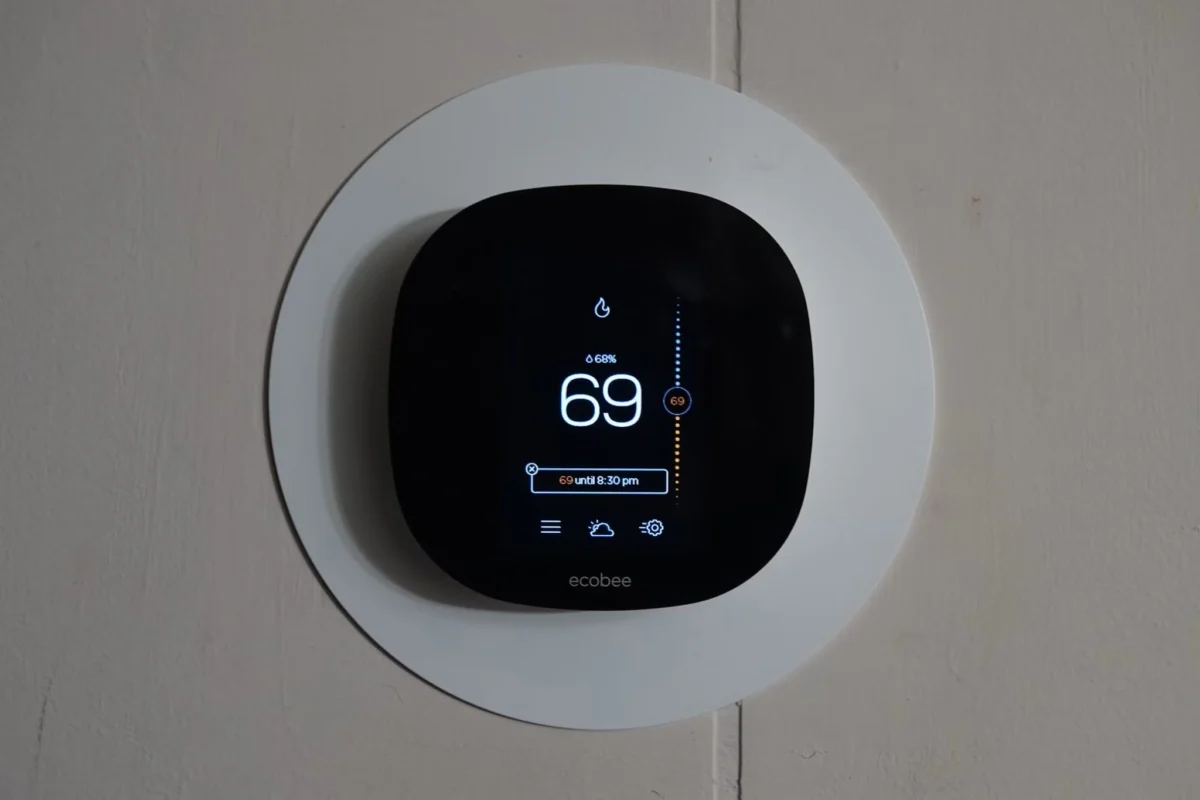
According to guidelines from the U.S. Department of Energy (DOE), the ideal thermostat setting for when you are home and awake is 78°F. While some residents initially balk at this number, energy experts note that 78°F offers a healthy balance between a comfortable living environment and significant energy cost reductions.
For times when you are away from the house—such as during a workday—the DOE recommends bumping the thermostat up to 85°F. Furthermore, general HVAC consensus places the overall ideal summer thermostat sweet spot somewhere between 78°F and 82°F, depending on personal tolerance and humidity levels.
Chronology of Climate Control: The Evolution of Summer Cooling Strategies
To understand modern energy management, it helps to look at how we got here.
- The Pre-AC Era: For generations, residents in northern Ohio combated summer heat through architectural design—high ceilings, cross-ventilation, heavy drapes, and the faithful front-porch swing.
- Mid-20th Century Adoption: As residential air conditioning became mainstream in the 1950s and 1960s, thermostats were largely binary: manual dials set to whatever temperature felt instantly gratifying, usually resulting in freezing indoor climates and massive energy waste.
- The Energy Crises of the 1970s: Surging energy costs forced a reevaluation of power consumption. Government agencies began researching the psychology and physiology of cooling, eventually establishing the 78-degree baseline as the optimal threshold for energy conservation.
- The Digital and Smart Revolution: Today, the introduction of programmable and smart thermostats has transformed home climate control. Homeowners no longer need to manually adjust dials or heat an empty house; algorithms, geofencing, and remote mobile apps now automate the chronology of daily comfort, adjusting temperatures seamlessly based on occupancy and routine.
Supporting Data and Environmental Factors
Temperature reading on a digital display tells only half the story. To truly master home cooling in regions prone to high humidity—such as the Lake Erie shoreline communities—homeowners must account for atmospheric moisture.
The Humidity Factor
High humidity alters how the human body perceives temperature. Moisture in the air inhibits the evaporation of sweat, our body’s natural cooling mechanism. Consequently, 75°F in high humidity can feel significantly warmer and more oppressive than 78°F in dry air.
- Target Humidity: The ideal indoor humidity level during summer is between 30% and 50%.
- Mitigation: Many modern air conditioners feature built-in dehumidification capabilities. For homes without this feature, utilizing standalone dehumidifiers can make the air feel crisper, allowing residents to set their thermostats a few degrees higher—such as at the recommended 78°F—without sacrificing comfort.
Multi-Story Thermal Dynamics
Physics dictates that hot air rises. In a two-story home, this natural convection process creates a distinct temperature stratification, leaving upper bedrooms significantly warmer than the main floor or basement.
- Zoning Solutions: To combat this, advanced homeowners are turning to HVAC zoning systems, which allow independent temperature control for different floors or zones.
- Air Circulation: Strategic placement of ceiling fans helps break up thermal layers, creating a more uniform temperature distribution throughout the entire house.
Official Responses and Expert Recommendations
Government agencies and industry leaders continually update their energy-saving recommendations to help consumers navigate rising utility costs.

The U.S. Department of Energy maintains that adjusting your thermostat by 7° to 10°F for an 8-hour period—such as when you are at work or asleep—can save as much as 10% a year on heating and cooling. Over the course of a cooling season, these savings translate to substantial financial relief.
Furthermore, HVAC specialists stress that thermostat settings are intrinsically linked to mechanical health. When a system is forced to run continuously to achieve an artificially low indoor temperature (like 68°F or 70°F) in the dead of July, it places excessive strain on compressors and blower motors. This overexertion frequently leads to premature mechanical failure and emergency repair calls.
Implications for Homeowners: Financial and Environmental Impact
The choices you make at the thermostat have far-reaching ripple effects that extend well beyond your monthly utility statement.
Financial Implications
Electricity rates during peak summer months often strain household budgets. Air conditioning accounts for a massive percentage of a home’s summer energy consumption. By adopting the Department of Energy’s recommended settings—keeping the house at 78°F when occupied and raising it to 85°F when away—homeowners can significantly trim their kilowatt-hour usage, keeping cash in their pockets rather than handing it over to utility providers.
Environmental Implications
Lower energy consumption directly reduces the demand placed on the regional power grid. Decreasing electricity usage cuts down on greenhouse gas emissions associated with fossil-fuel power generation. Energy-efficient cooling is a vital component of sustainable residential living.
Preventive Maintenance and Upgrades
Proper thermostat management goes hand-in-hand with proactive home maintenance. Additional steps to maximize efficiency include:
- Closing Blinds and Curtains: Blocking direct sunlight during peak afternoon hours prevents solar heat gain, reducing the workload on your AC unit.
- Regular Filter Changes: Clean air filters ensure optimal airflow, preventing the system from overworking.
- Leveraging Utility Incentives: Many regional power and energy companies offer financial rebates or incentive programs for homeowners who upgrade to programmable thermostats or high-efficiency HVAC equipment.
Looking for Comfort This Summer?
Navigating summer cooling does not mean you have to sweat it out in an uncomfortable home. By embracing smart thermostat habits, respecting the 78-degree benchmark, managing indoor humidity, and taking advantage of complementary cooling tools like ceiling fans and shading, you can achieve the perfect balance of luxury and efficiency.
If your air conditioning unit is struggling to keep up with the North Ridgeville heat, or if you find yourself facing unexpected HVAC failures, professional help is essential. Local experts like Climate-Tech offer comprehensive air conditioning services—ranging from routine tune-ups and emergency AC repairs to consultations on advanced thermostat installations.
Take control of your indoor climate this season, protect your HVAC investment, and enjoy a cool, comfortable summer without the sticker shock of sky-high energy bills.