While the buzz surrounding "agentic AI"—autonomous systems capable of performing complex, multi-step tasks—has dominated the tech discourse for months, the practical application of this technology in the advertising sector remains in its infancy. For marketers, the transition from using AI as a mere chatbot to deploying it as a strategic partner in media buying is not just a trend; it is a fundamental shift in the operational architecture of digital advertising.
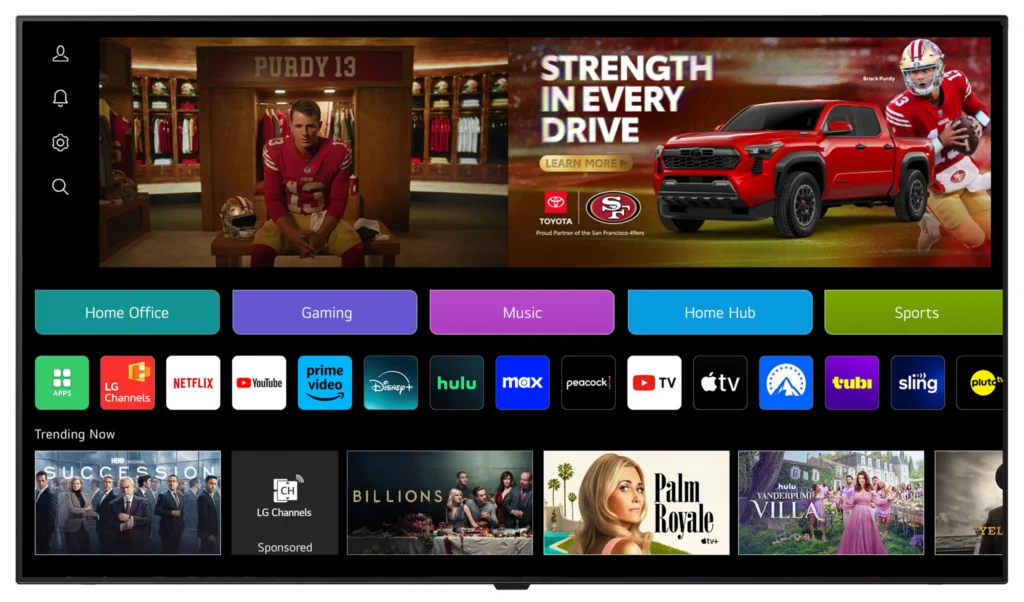
Nowhere is this evolution more visible—or more necessary—than in the complex world of Connected TV (CTV). By leveraging the Model Context Protocol (MCP) and sophisticated API orchestrations, early adopters are moving past the hypothetical and into a new era of automated, performance-driven ad buying.
The Foundation: A New Protocol for Ad Tech
The shift toward agentic ad buying gained significant momentum in late 2024, when Anthropic introduced the Model Context Protocol (MCP). MCP serves as an open-source standard that allows AI agents to securely connect to external applications, databases, and tools. Following this, the ad tech industry developed the Ad Context Protocol, a specialized framework designed to translate the nuances of media demand into actionable instructions for AI agents.
Unlike consumer-facing AI agents, which have frequently made headlines for erratic behavior or data privacy lapses, agentic ad buying platforms are being built with guardrails. By prioritizing human oversight and deterministic workflows, agencies are finding that these systems can execute complex campaigns with fewer errors than their non-professional counterparts.
Case Study: InterMedia’s Operational Pivot
To understand what this looks like on the front lines, one must look at InterMedia, an independent agency that specializes in performance-based CTV buying. Over the past few months, the agency has integrated Claude—Anthropic’s flagship AI—with two key platforms: Vibe.co, a self-serve CTV buying platform recently acquired by Walmart, and Olyzon, an emerging startup specializing in AI-driven ad decisioning.
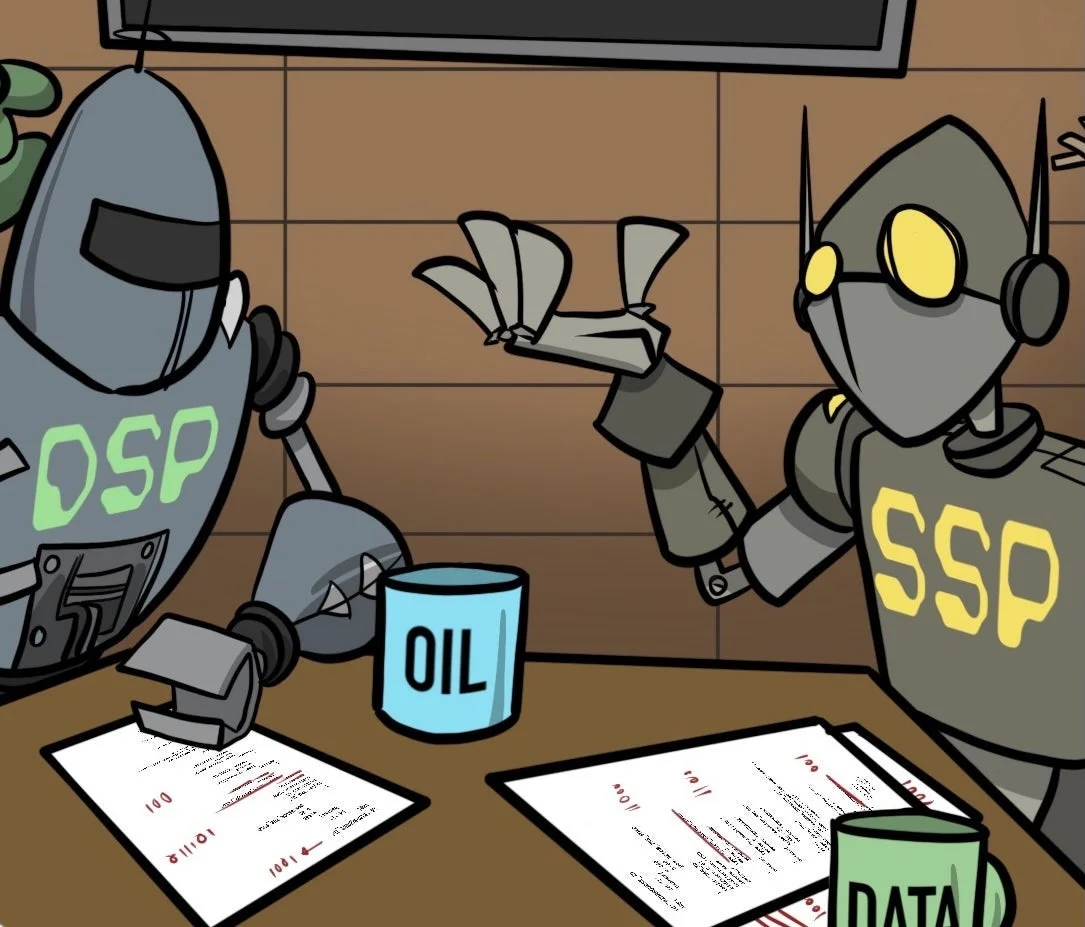
This integration allows campaign managers at InterMedia to view real-time CTV reporting directly within the Claude interface. From that single dashboard, they can prompt the AI to perform complex tasks, such as reallocating budgets across publishers or adjusting bids based on performance trends. Olyzon’s layer then bridges these decisions to various Demand-Side Platforms (DSPs) and Supply-Side Platforms (SSPs), extending the agency’s reach into display advertising and digital out-of-home (DOOH) channels.
For Sydney Brower, InterMedia’s director of digital media and strategy, the value proposition is clear. “It gives our campaign managers more time and brain power to devote to deeper, more client-driven thinking,” she notes. David Nyurenberg, the agency’s SVP of digital, echoes this sentiment, suggesting that the definition of a "media expert" is undergoing a permanent change.
“Instead of being an expert in how to navigate a platform, how to push the buttons, and knowing where to click, you are becoming an expert in being judicious about what changes to make,” Nyurenberg explains.
Chronology of Integration
The rapid adoption of these tools is a testament to the speed at which the ad tech ecosystem is maturing.
- Late 2024: Anthropic introduces the Model Context Protocol, providing the connectivity layer required for agents to interact with external enterprise data.
- Early 2025: Industry stakeholders form the Ad Context Protocol working group, setting the stage for standardized communication between AI agents and ad platforms.
- Mid-2025: Vibe.co begins developing its native Claude integration, driven by internal demand from employees who had already been using LLMs to optimize their own CTV campaigns.
- September 2026: Vibe.co publicly launches its "Agent Access" capabilities, boasting that over 1,000 brands are already utilizing its MCP integrations to manage ad spend.
- October 2026: During Advertising Week New York, Olyzon officially launches its agentic orchestration platform, offering a sophisticated layer that bridges the gap between AI decision-making and programmatic execution.
The Mechanics: APIs vs. MCP
While MCP is a critical innovation, the industry is currently balancing its use with traditional API integrations to ensure reliability.
Jules Minvielle, co-founder and CEO of Olyzon, highlights the distinction: “An agent talking to an agent is not the same as having our agents writing what’s needed directly in the API.” Olyzon opts for a deterministic approach, using APIs to ensure that when a campaign manager requests a budget change or a reporting update, the data returned is consistent, repeatable, and audit-ready.
For platforms like Vibe.co, the focus is on usability. CEO Arthur Querou explains that the goal is to make sophisticated buying accessible to SMBs with limited resources. By using Claude as the interface, these businesses can now manage complex CTV campaigns without needing an army of data scientists or specialized programmatic traders.
Navigating the "Pilot in the Cockpit" Paradigm
Despite the technical advancements, the human element remains non-negotiable. Even with the capability to automate performance shifts, InterMedia’s team maintains a "human-in-the-loop" philosophy.
"You can trust AI to fly a plane, but I still want a pilot in the cockpit to watch it," says Brower. This cautious optimism is shared by most industry leaders. The integration process is not without friction; DSPs, SSPs, and publishers often use inconsistent terminology for the same performance metrics, requiring ongoing manual standardization and troubleshooting by the agency’s team.
Furthermore, there is a lingering ambiguity regarding "ownership." When an agency uses an agent provided by a third-party platform, it is unclear who holds the liability if the agent makes a catastrophic error. As these tools become more autonomous, legal and ethical questions regarding AI agency in advertising will likely take center stage.
Implications for the Future of Media Buying
The rise of agentic buying signals a fundamental shift in how holding companies and independent agencies will be structured. We are witnessing the end of the "manual trader" era.
The Evolution of the Agency Role
Nyurenberg predicts a bifurcation in the industry. Large holding companies will likely continue to invest heavily in developing proprietary, in-house AI agents tailored for their specific audience identification and planning needs. Conversely, smaller agencies and mid-sized brands will rely on a "stitched-together" tech stack—a combination of SaaS partners and modular agentic tools—to remain competitive.
A 18-Month Outlook
Jules Minvielle offers a bold prediction: "In 18 months, every single media buyer in the world will be equipped with a platform like ours."
If this forecast holds true, the competitive advantage will no longer lie in who has the best technical skills to navigate a DSP dashboard. Instead, the advantage will belong to the agencies and marketers who can:
- Orchestrate Agents: Manage multiple specialized AI agents across different channels to ensure brand consistency.
- Exercise Judgement: Identify the strategic "why" behind the "what" that the AI proposes.
- Standardize Data: Navigate the fragmented language of ad tech, ensuring that the AI is learning from accurate, clean data inputs.
Conclusion: The Path Forward
The integration of agentic AI into the CTV buying workflow is more than a technical upgrade; it is a recalibration of value. As the technology continues to mature, the focus will shift from if a campaign can be optimized, to how effectively a human-AI team can execute a complex, omni-channel strategy.
For now, the "pilot in the cockpit" model remains the gold standard. However, as the protocols become more standardized and the agents gain a more nuanced understanding of the media landscape, the role of the human will continue to move further up the value chain—away from execution and toward pure, creative strategy. In this new world, the most successful agencies will be those that embrace the efficiency of the machine while never relinquishing the discernment of the human expert.