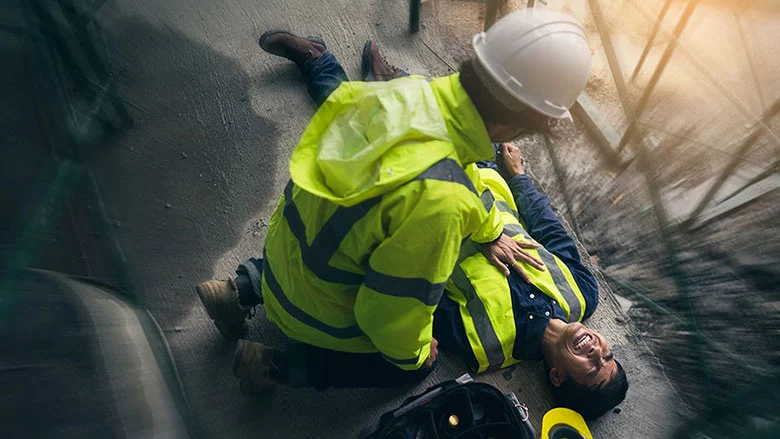
WASHINGTON — In a landmark development for American occupational safety, the Occupational Safety and Health Administration (OSHA) has officially spearheaded the creation of the National Serious Injury and Fatality Prevention Alliance. This powerful, multi-organizational collaborative initiative is specifically engineered to target and drastically reduce life-altering incidents and workplace fatalities across the United States.
By bridging the gap between federal oversight and the nation’s premier safety authorities, the Alliance aims to equip employers, workers, and industry leaders with cutting-edge training, actionable resources, and evidence-based methodologies designed to identify and eliminate high-risk workplace hazards before tragedies occur.
Main Facts: The Anatomy of a National Safety Alliance
The newly minted National Serious Injury and Fatality Prevention Alliance brings together some of the most influential and respected names in occupational health and safety. Alongside OSHA, the founding organizations include:
- AIHA (American Industrial Hygiene Association)
- ASSP (American Society of Safety Professionals)
- CSRA (Construction Safety Research Alliance)
- NSC (National Safety Council)
At its core, the Alliance is designed to pivot the American workplace safety paradigm away from reactive compliance and toward proactive hazard mitigation. Rather than merely investigating accidents after they happen, the coalition focuses intensely on Serious Injuries and Fatalities (SIF) prevention.
The Alliance operates on the premise that standard injury-frequency metrics do not always tell the whole story. A workplace might have low rates of minor cuts and bruises (often tracked via traditional OSHA recordkeeping), while still harboring catastrophic latent hazards capable of causing permanent disability or death. By pooling their collective research, intellectual capital, and outreach networks, the participating organizations aim to establish a unified national standard for SIF identification.
Key pillars of the initiative include:
- Collaborative Research Sharing: Translating complex academic and field research into digestible, real-world applications for industry professionals.
- Comprehensive Public Outreach: Raising national awareness regarding the specific precursors that lead to severe harm.
- Accessible Training and Education: Delivering targeted programs to employers, labor organizations, trade associations, and individual workers.
Chronology: The Road to a Unified SIF Strategy
The formation of the National Serious Injury and Fatality Prevention Alliance did not happen overnight; it represents the culmination of decades of shifting safety philosophies and evolving regulatory strategies.
The Late 20th Century: Compliance and Reactive Safety
For decades following the passage of the Occupational Safety and Health Act of 1970, workplace safety in the U.S. was predominantly defined by regulatory compliance. OSHA set standards, inspectors enforced them, and employers reacted to citations. While this approach dramatically lowered overall workplace injury rates over a 50-year period, the plateauing of severe injury and fatality statistics in the 2010s signaled to safety experts that a new approach was urgently required.
The Shift Toward Leading Indicators (2015–2020)
Safety scientists and industrial hygienists increasingly realized that tracking lagging indicators—such as total recordable incident rates (TRIR)—did little to predict or prevent fatal and life-altering events. Organizations like the National Safety Council and the American Society of Safety Professionals began championing "Serious Injury and Fatality" (SIF) prevention as a distinct discipline. The focus shifted toward identifying high-energy hazards, precursor conditions, and near-misses that possessed the potential for severe harm.
Post-Pandemic Realities and Collaborative Imperatives (2021–2023)
The disruptions of the COVID-19 pandemic reshaped the American workforce, introducing new operational stressors and highlighting vulnerabilities across various industries, from manufacturing and construction to warehousing and healthcare. Safety leaders recognized that isolated organizational efforts were insufficient to tackle complex, systemic hazards. Conversations between federal regulators and private safety associations intensified around the need for a centralized, cooperative task force.
The Official Launch (2024 and Beyond)
The formalization of the National Serious Injury and Fatality Prevention Alliance marks the institutionalization of this collaborative spirit. By uniting OSHA’s regulatory reach with the specialized technical expertise of the AIHA, ASSP, CSRA, and NSC, the Alliance establishes a formalized framework for the future of American occupational health.
Supporting Data: The Urgent Need for SIF Prevention
To understand the profound significance of the new Alliance, one must examine the sobering data surrounding workplace fatalities and severe injuries in the United States.
According to data compiled by the Bureau of Labor Statistics (BLS) and safety research institutions:
- Persistent Fatalities: Despite decades of technological advancement and stricter safety protocols, thousands of U.S. workers lose their lives on the job every single year. Construction, transportation, agriculture, and manufacturing consistently report the highest absolute numbers and rates of fatal injuries.
- The Hidden Toll of SIFs: Thousands more workers suffer non-fatal SIFs annually—incidents resulting in amputations, severe traumatic brain injuries, permanent internal damage, or chronic occupational illnesses that effectively end careers and devastate families.
- The Energy-Trace Model: Research championed by organizations like the CSRA indicates that traditional safety programs fail because they treat all injuries equally. Statistically, however, a massive percentage of SIFs share specific, identifiable precursors—often involving uncontrolled energy sources (gravitational, electrical, kinetic, or chemical).
The Alliance’s focus on evidence-based SIF identification directly addresses this data gap. By teaching employers how to recognize and isolate high-energy hazard exposures before contact occurs, the coalition aims to bend the fatal injury curve downward in a measurable way.

Official Responses: Industry Leaders Weigh In
The creation of the Alliance has drawn widespread praise from across the industrial safety landscape, with leaders emphasizing the historic nature of the public-private partnership.
In an official statement, Lorraine Martin, Chief Executive Officer of the National Safety Council (NSC), highlighted the evolution of safety science:
"For more than half a century, the National Safety Council and OSHA have worked together to prevent injuries and save lives in our nation’s workplaces. The National SIF Prevention Alliance represents a historic evolution in how we achieve that shared mission. As we move together toward proactively addressing the conditions that can lead to the most serious outcomes, we can begin to prevent tragedies before they occur."
Martin further emphasized the necessity of targeted focus in safety management:
"Preventing serious incidents and fatalities requires a deliberate focus on the risks with the greatest potential to cause harm. By bringing together OSHA, NSC, and leading safety organizations, this Alliance can help employers turn knowledge into action and ultimately save lives."
Representatives from the AIHA, ASSP, and CSRA have similarly echoed these sentiments, noting that the pooling of resources will eliminate redundancies and accelerate the deployment of best practices to small- and medium-sized businesses that often lack dedicated, enterprise-level safety departments.
Implications: What the Alliance Means for Employers and Workers
The establishment of the National Serious Injury and Fatality Prevention Alliance carries profound implications for the American economy, corporate governance, and day-to-day workplace safety culture.
1. A Shift in Employer Obligations and Best Practices
While the Alliance itself is a collaborative, educational initiative rather than a direct regulatory enforcement mechanism, its output will heavily influence what constitutes the "standard of care" in American industry. Employers can expect the release of new guidelines, white papers, and training frameworks that prioritize SIF reduction. Companies that fail to adopt proactive SIF identification practices may find themselves increasingly vulnerable—both to severe workplace incidents and to heightened scrutiny under OSHA’s General Duty Clause or targeted enforcement programs.
2. Democratization of Safety Resources
One of the greatest challenges in occupational health is the disparity in safety resources between large multinational corporations and small-to-medium enterprises (SMEs). By leveraging the combined networks of OSHA, NSC, ASSP, AIHA, and CSRA, the Alliance is uniquely positioned to distribute high-level, evidence-based training materials down to local contractors, independent manufacturers, and regional service providers. This democratization of knowledge is expected to level the safety playing field across high-risk sectors.
3. Cultural Transformation: From Compliance to Care
For workers, the Alliance represents a cultural shift toward psychological safety and operational transparency. When organizations focus on SIF prevention, the emphasis shifts away from assigning blame for minor infractions toward actively encouraging workers to report near-misses, high-energy hazard exposures, and systemic vulnerabilities. Workers become active participants in hazard elimination rather than passive subjects of compliance audits.
4. Economic and Social Impact
The human cost of workplace fatalities and severe injuries is immeasurable, but the economic toll is also staggering—costing billions of dollars annually in direct workers’ compensation, medical expenses, lost productivity, and legal liabilities. By successfully curbing SIF incidents, the Alliance stands to preserve human capital, stabilize workforce retention in labor-intensive industries, and alleviate financial burdens on families and healthcare systems alike.
Looking Forward
As the National Serious Injury and Fatality Prevention Alliance rolls out its initial phases of outreach, educational programming, and resource distribution, the safety community will be watching closely. By aligning federal regulatory power with the deep technical acumen of the nation’s leading safety societies, the Alliance has laid the groundwork for a safer, more resilient American workforce.
For employers, safety professionals, and workers alike, the message is clear: the era of reactive safety is giving way to a proactive, data-driven future where serious injuries and fatalities are recognized as preventable tragedies rather than inevitable costs of doing business.